Airbus and BAE Systems executives are reportedly set to meet next week to discuss a potential role for the European aerospace group in the Global Combat Air Programme (GCAP), a development that could help define whether Germany joins the next-generation fighter project led by the United Kingdom, Italy and Japan.
Four people familiar with the plans told the Financial Times that the companies will discuss possible cooperation in future combat air systems. The talks are expected to include the fighter itself as well as collaborative combat aircraft and the combat cloud that will connect aircraft, sensors and other assets.
The meeting moves the debate over Germany's possible participation from government discussions toward the industrial arrangements required to make it possible.
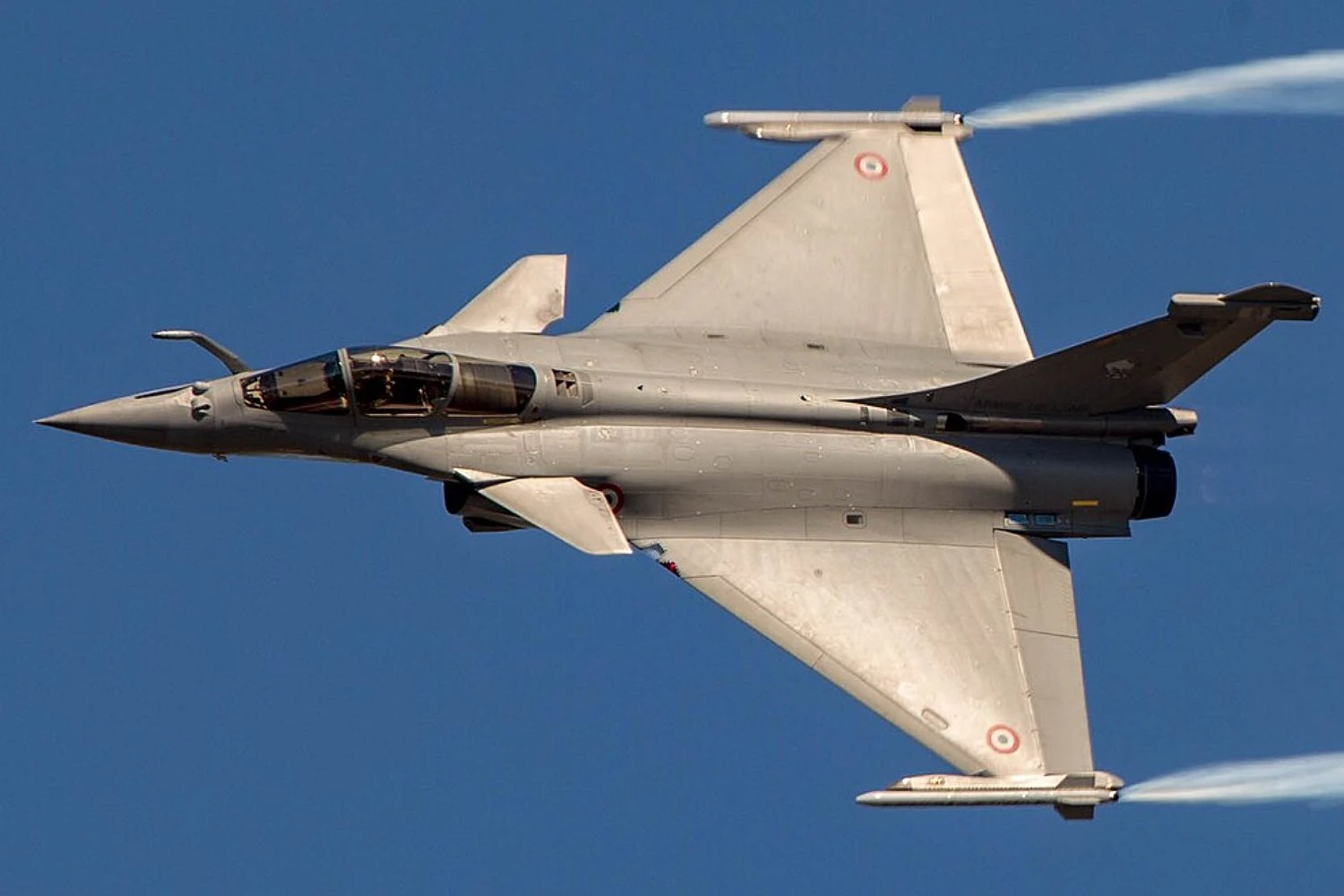
Germany has been evaluating its options after the breakdown of the Future Combat Air System (FCAS) partnership with France, whose centerpiece was a next-generation fighter intended to replace the Eurofighter Typhoon and Dassault Rafale from around 2040.
Follow Air Data News: WhatsApp | Instagram | LinkedIn | Twitter | Facebook
The United Kingdom has already signaled that it is open to German participation in GCAP. London and Berlin have also discussed requirements and potential workshare, but bringing Germany into the program would require an agreement with Italy and Japan and changes to an industrial structure that is already taking shape.
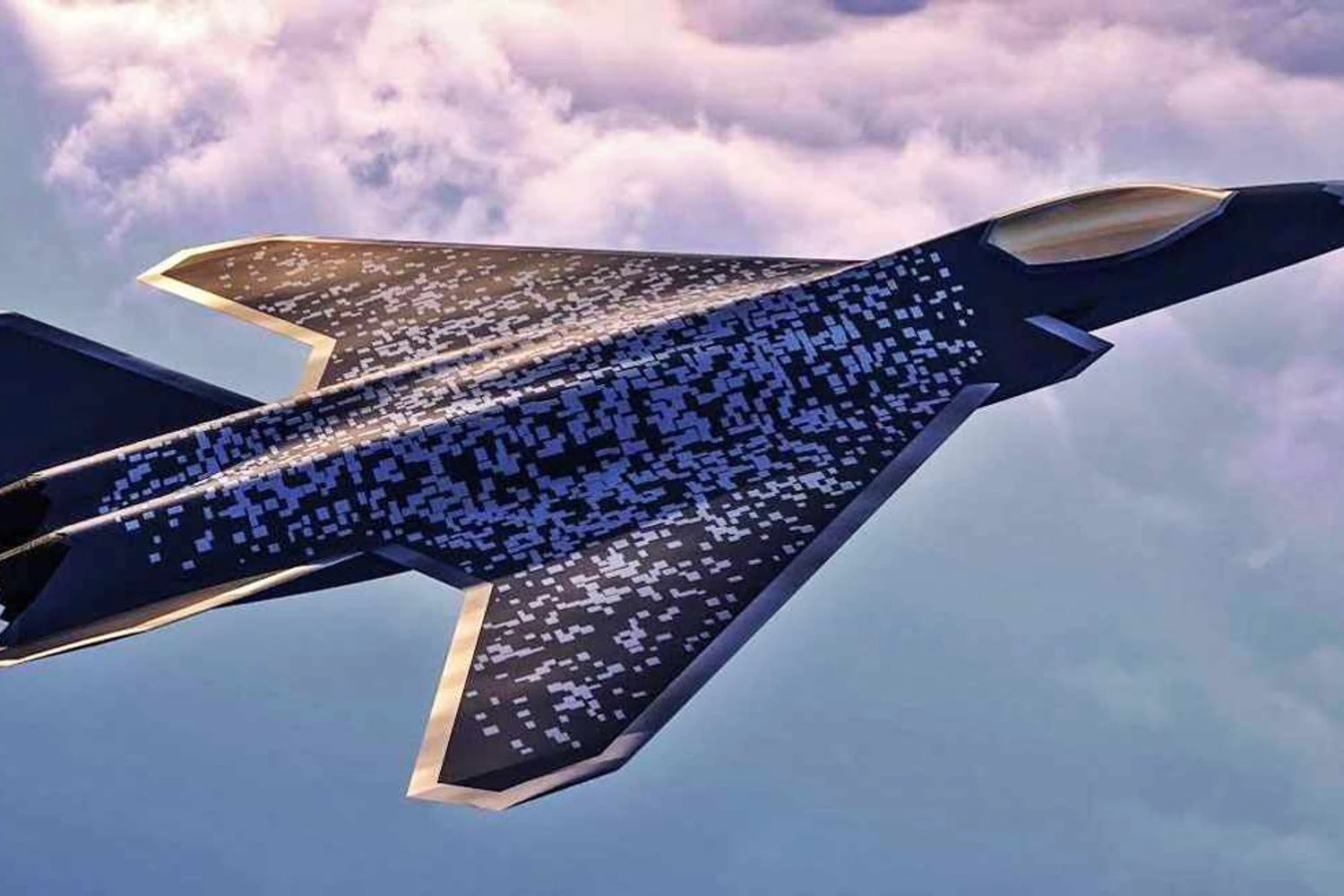
A powerful new partner
Germany could significantly expand the economic and industrial base behind GCAP. Its participation would add another major defense budget, a potential Luftwaffe requirement and companies including Airbus and MTU Aero Engines to a program already supported by three large economies.
It could also distribute development costs across a larger production base. Next-generation combat aircraft programs involve not only a new fighter but also engines, sensors, weapons, autonomous aircraft and the digital infrastructure connecting them.
That potential benefit comes with a difficult negotiation. BAE Systems, Leonardo and Mitsubishi Heavy Industries have already established Edgewing as the industrial organization responsible for developing the GCAP fighter, with workshare and intellectual property arrangements negotiated among the three founding countries.
Airbus is unlikely to accept a peripheral position in such a program. Mike Schoellhorn, chief executive of Airbus Defence and Space, has previously said the company would need a meaningful role rather than joining simply to manufacture individual structures such as a wing or tail surface.
Any expansion would also have to preserve GCAP's schedule. The three partner countries are targeting entry into service in 2035, five years before the timeframe previously associated with the FCAS fighter.
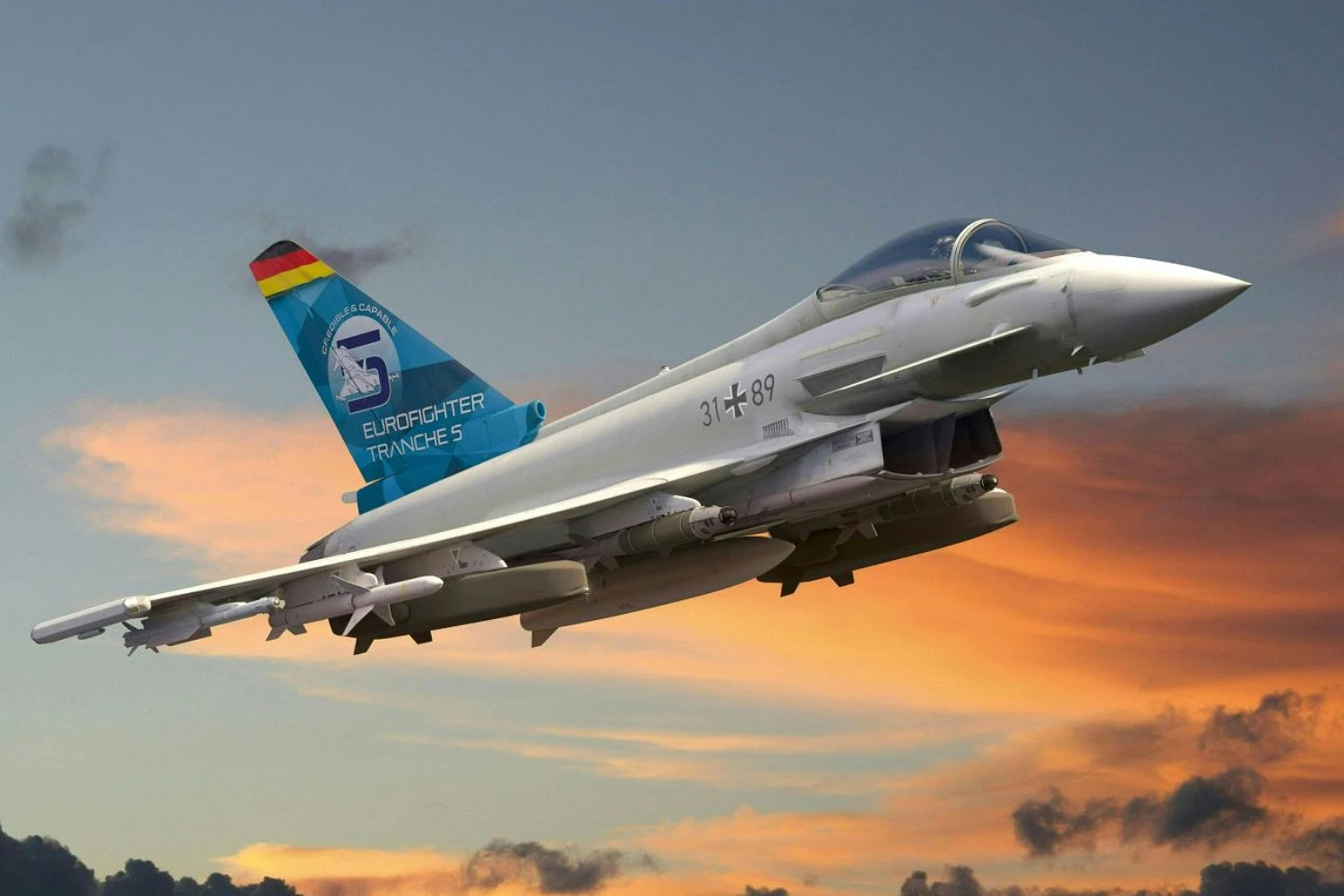
Few alternatives for Germany
Germany could theoretically pursue a new program led by Airbus, potentially with Spain and other partners, but that would require establishing another next-generation combat aircraft project almost from the beginning.
Another possibility discussed in recent months involves cooperation with Sweden. Airbus and Saab have explored potential collaboration, while Stockholm is conducting studies and technology demonstrations to determine what should eventually succeed the Gripen.
Sweden, however, has not yet decided to develop a new crewed fighter. Its current Future Fighter System studies are intended to preserve different options beyond 2040 and include autonomous subsonic and supersonic demonstrators.
Related news
October 21, 2026
That puts a possible Airbus-Saab program at a much earlier stage than GCAP, which already has a multinational organization, an industrial structure and a defined target for service entry.
For Germany, joining GCAP would therefore mean negotiating its place inside an existing program rather than creating another one. For the current partners, accepting Germany could reduce the financial burden and expand the potential market, but would also require accommodating a participant with enough industrial and economic weight to demand substantial influence.
Back with old partners
There is a historical parallel to the situation Germany now faces. During the 1980s, France participated in European efforts to develop a common fighter but disagreements over requirements, industrial leadership and design authority eventually led Paris to pursue the Rafale independently.
Germany remained with the United Kingdom, Italy and Spain in the program that produced the Eurofighter Typhoon.
More than three decades later, Germany chose France as its principal partner for a successor combat aircraft. FCAS was launched in 2017, with Dassault Aviation responsible for the New Generation Fighter and Airbus representing much of the German and Spanish industrial participation.
The partnership subsequently became dominated by disputes over workshare, intellectual property and authority over the fighter's design. Dassault consistently argued that its experience as a combat aircraft prime contractor required it to retain control over key engineering decisions and protect technologies developed independently by the company.
Those disagreements ultimately proved incompatible with the industrial structure sought by Germany and Airbus.
A German move toward GCAP would therefore reunite much of the industrial partnership behind the Eurofighter. BAE Systems, Airbus and Leonardo already work together on the Typhoon, although GCAP would add Japan's Mitsubishi Heavy Industries to a considerably different multinational structure.
The meeting between Airbus and BAE Systems next week will not determine German participation by itself. It could, however, establish whether there is enough industrial space inside GCAP for Airbus to join a program whose principal roles have already been divided among its British, Italian and Japanese founders.