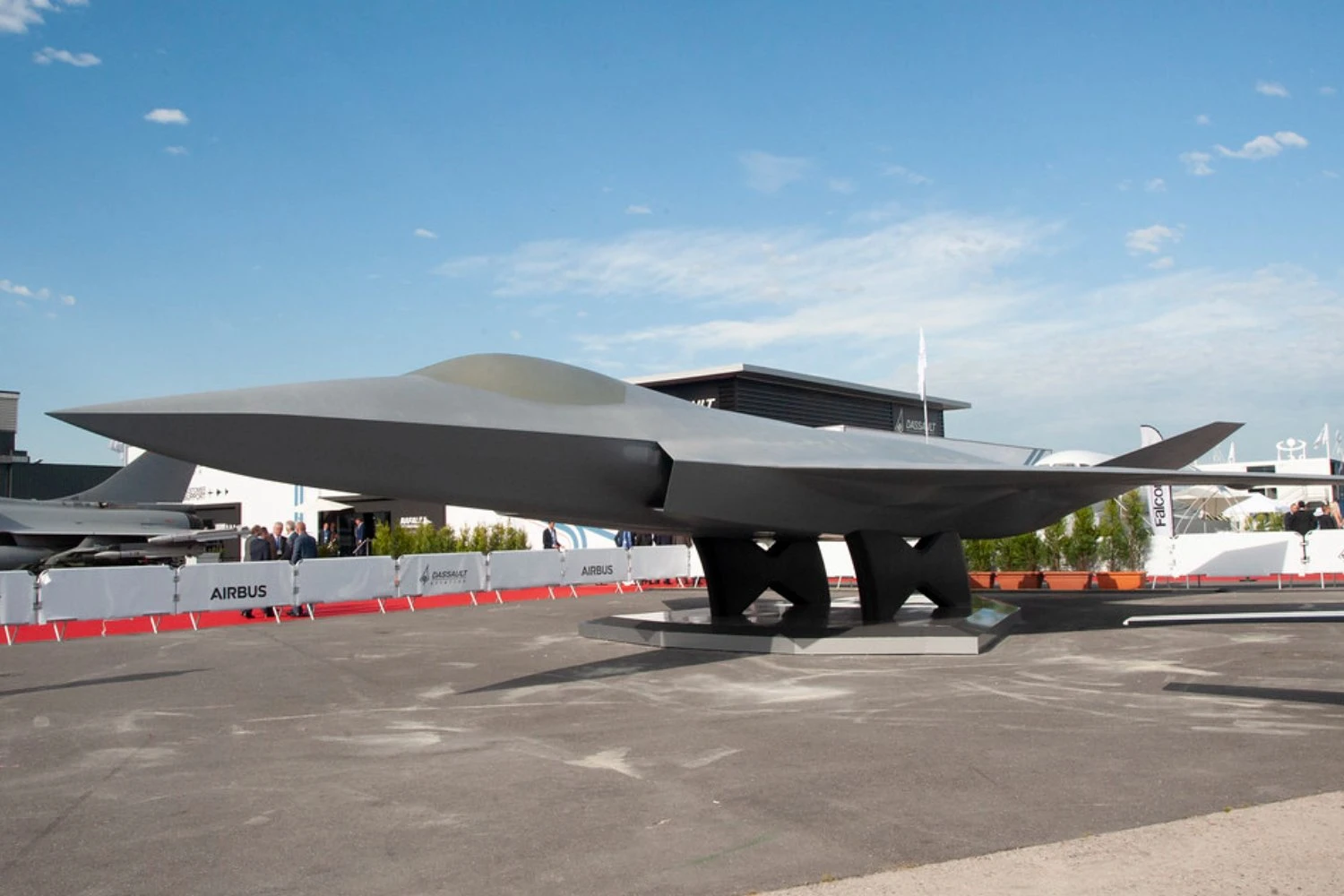
France plans to continue developing its next-generation combat aircraft without Germany and Spain, preserving work on a future fighter despite the collapse of the three-country partnership earlier this year.
The French Ministry of the Armed Forces intends to launch a second phase of demonstrator work in 2027, according to documents accompanying the country's proposed defense budget. Development of the operational New Generation Fighter (NGF) is expected to begin in 2029.
The timetable was disclosed after France and Germany ended their cooperation on the NGF in June, following years of disagreements over industrial responsibilities. Spain had participated alongside the two countries in the Future Combat Air System (FCAS), known as SCAF in France.
French Armed Forces Minister Catherine Vautrin told lawmakers on October 8 that the government decided in July to continue critical NGF work nationally. The objective is to avoid delays that could jeopardize plans to introduce a new combat aircraft in the early 2040s.
Follow Air Data News: WhatsApp | Instagram | LinkedIn | Twitter | Facebook
The decision means France intends to preserve the work already completed under the multinational program rather than abandon the fighter following the breakup.
No prototype flight in 2027
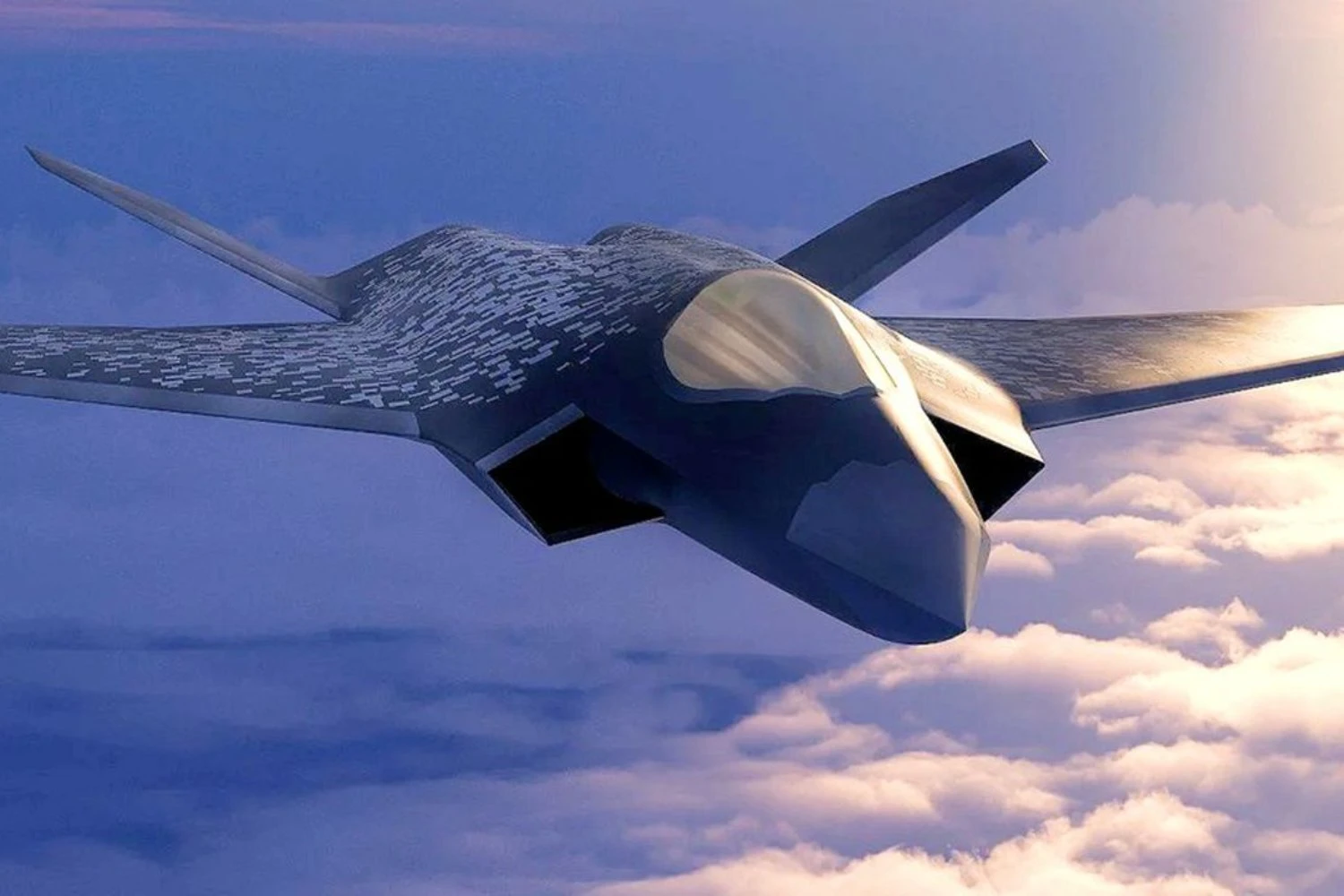
The 2027 milestone has generated some confusion because the French budget documents refer to a demonstration phase that is expected to eventually put an NGF prototype into flight.
The documents do not say that the aircraft itself will fly in 2027. Instead, the second phase of demonstrator work is scheduled to start that year.
Dassault Aviation CEO Éric Trappier previously indicated that a first flight of an NGF demonstrator could occur around 2031 or 2032.
That distinction leaves several years between the planned start of the next demonstration phase and a possible flight of the aircraft.
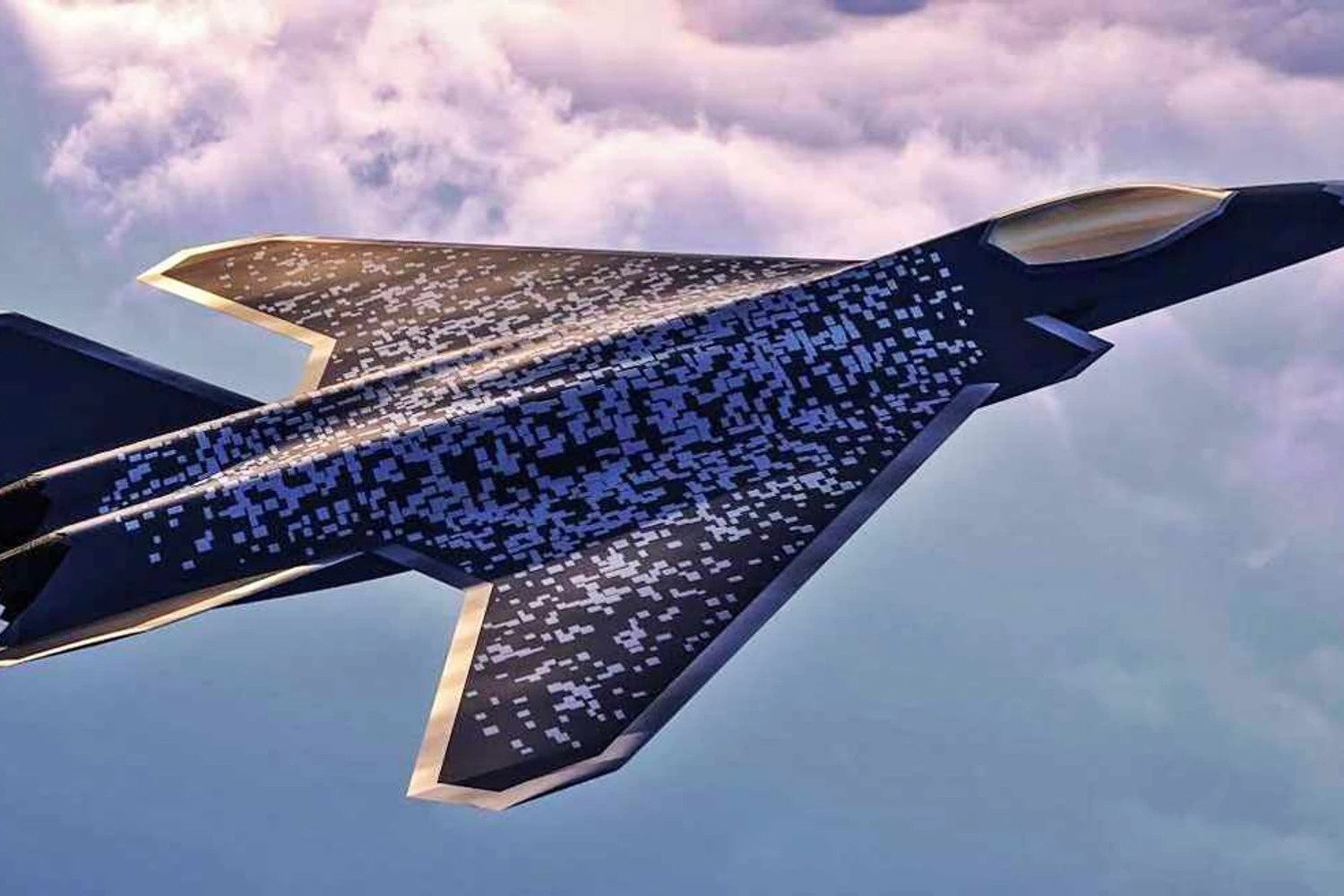
The demonstrator will be used to mature technologies required for the future fighter, including low-observable characteristics, propulsion, sensors and integration with other elements of a networked combat system.
France also plans to continue studies related to the engine, with Safran playing a central role in the propulsion effort.
Industrial dispute ended joint fighter
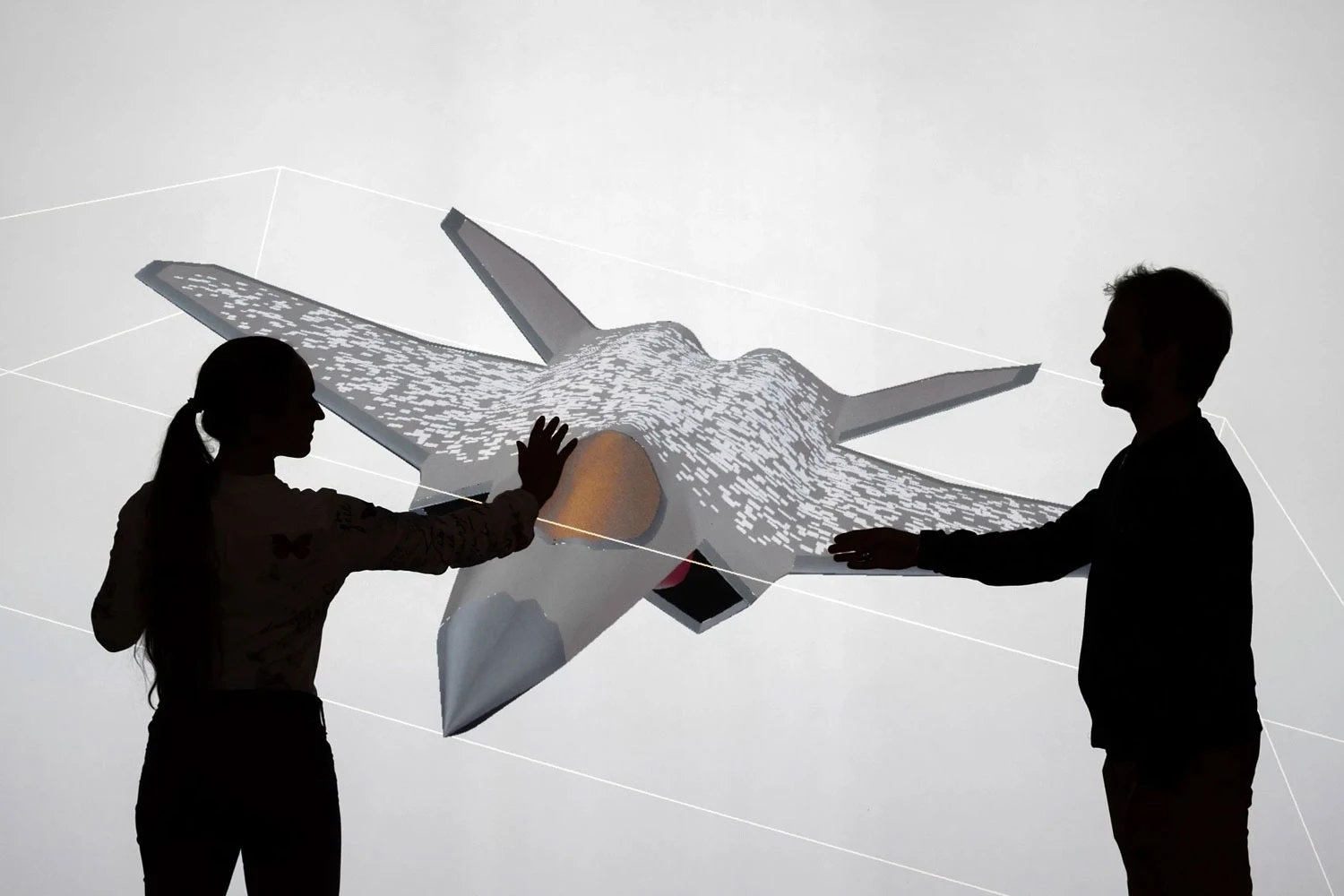
France, Germany and Spain had intended to develop the NGF as the crewed centerpiece of FCAS, a broader system combining the fighter with unmanned aircraft, sensors and a digital combat network.
Dassault Aviation was responsible for the NGF, with Airbus participating through its German and Spanish operations. Disagreements over leadership, intellectual property and the distribution of industrial work repeatedly delayed the program.
Those tensions eventually led Paris and Berlin to end their joint work on the fighter in June 2026.
Recent news
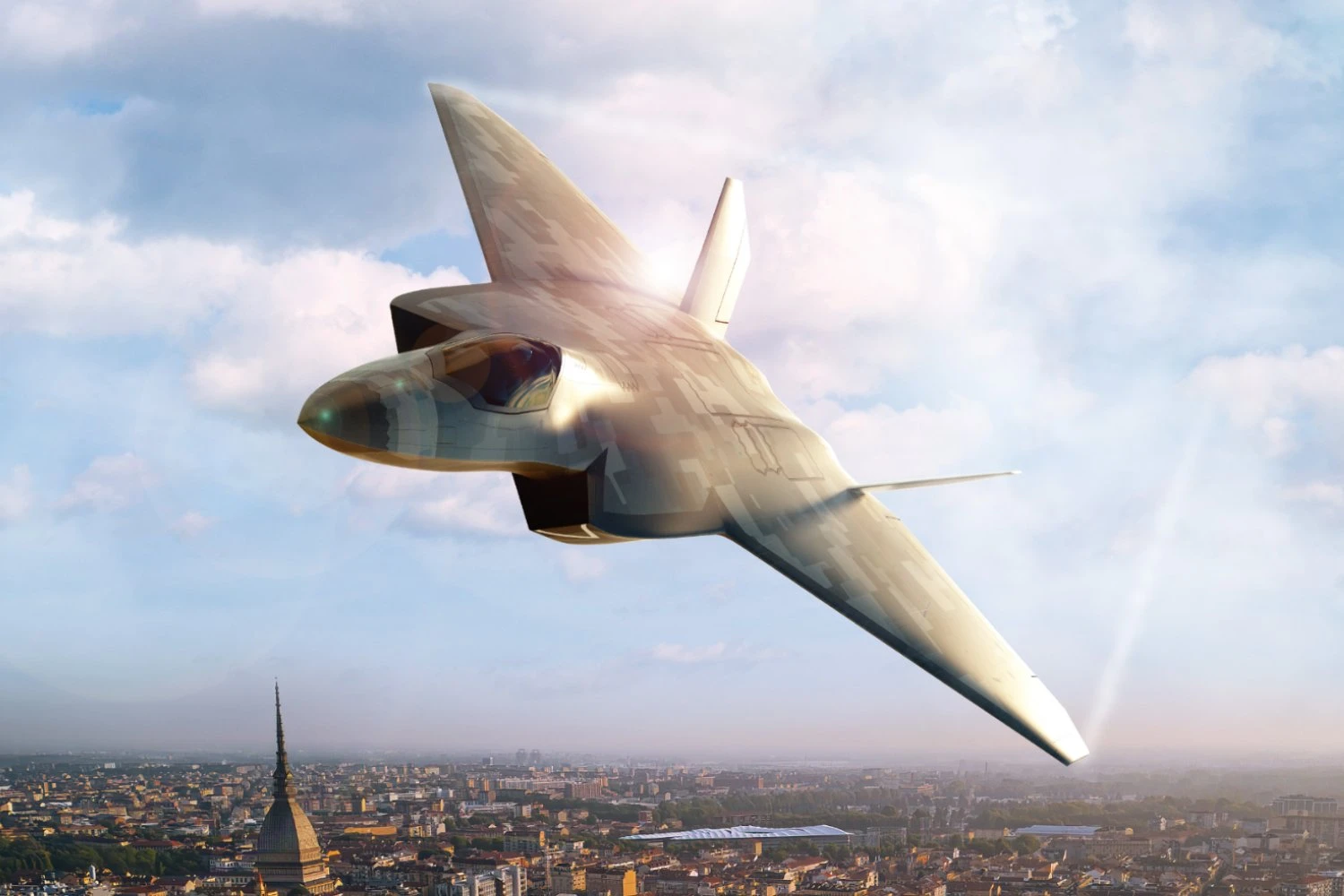
France subsequently decided to continue the aircraft nationally, although Paris has left open the possibility of bringing other countries into the project later.
Other elements originally associated with FCAS could continue through different arrangements. Germany and Spain have also examined alternatives for their future combat aircraft requirements following the breakup.
France faces cost of developing fighter alone
Continuing the NGF without Germany and Spain leaves France with a considerably larger financial burden.
The multinational structure had allowed the three governments to divide development expenditure while giving their aerospace industries roles in the program. A nationally led aircraft would require France to finance a much greater proportion of development unless new partners join.
The 2027 budget proposal demonstrates the government's intention to keep the program moving, but it does not settle all of its long-term financing and industrial arrangements.
France is simultaneously investing heavily in the Rafale, including future standards intended to keep the fighter operational for decades. The NGF is expected to eventually complement and later succeed the Rafale in the most demanding combat missions.
The planned start of full-scale NGF development in 2029 will therefore be a more significant commitment than the demonstrator work scheduled to begin in 2027.