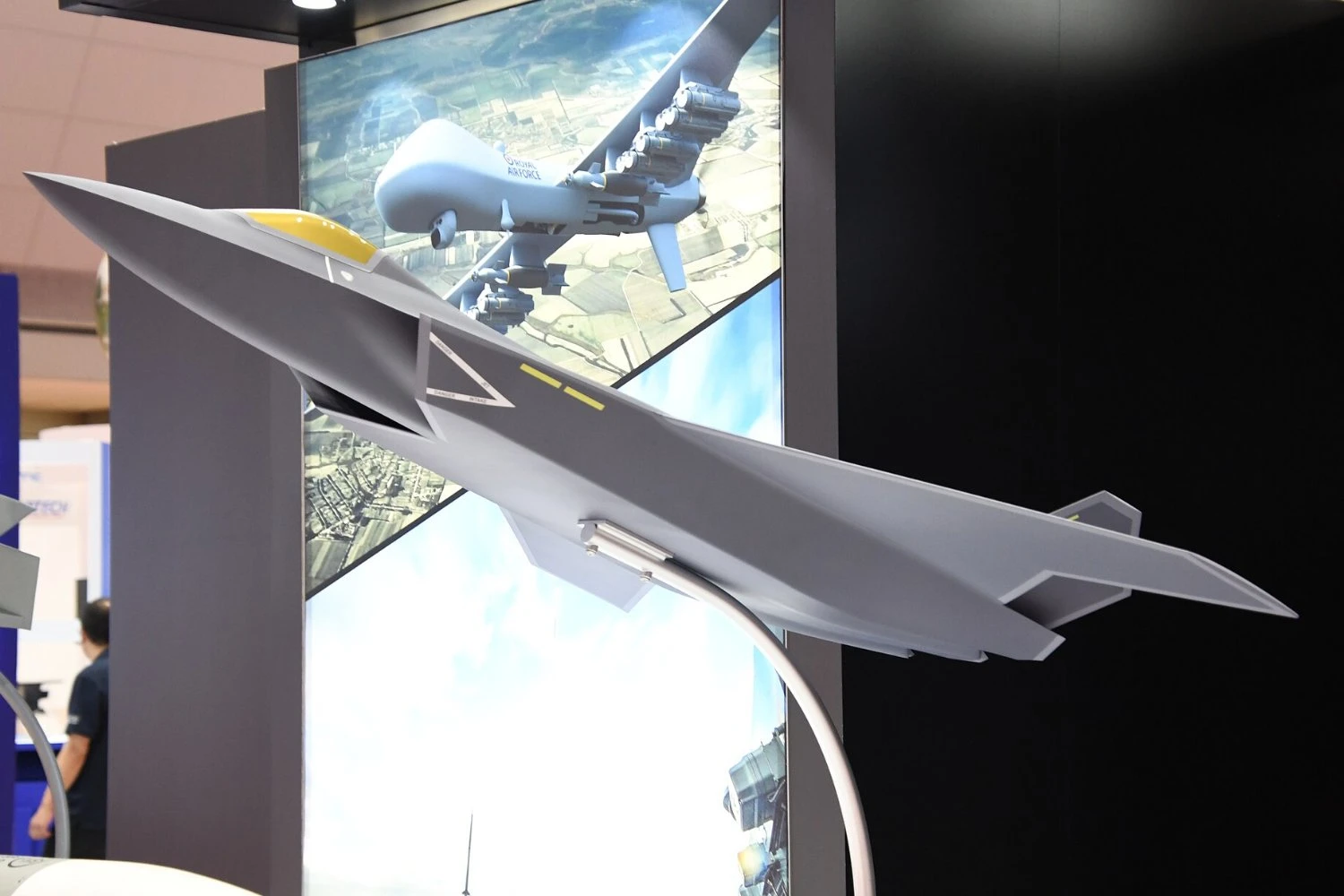
The United Kingdom has opened government-level talks with Germany about a possible role in the Global Combat Air Programme (GCAP), giving new substance to Berlin's interest in the next-generation fighter being developed by Britain, Italy and Japan.
According to Politico, citing internal German government documents, Britain's National Armaments Director has approached his German counterpart and exploratory discussions have already covered Germany's military requirements and potential workshare for German industry.
The contacts go beyond previous expressions of interest from defense companies. Airbus Defence and Space CEO Michael Schoellhorn had already said the company was interested in joining GCAP, while Italy's Leonardo has publicly welcomed the possibility of German participation.
Germany is searching for a new path for its future combat aircraft after Berlin and Paris abandoned plans to jointly develop the Next Generation Fighter (NGF), the crewed aircraft that was to form the centerpiece of the wider Future Combat Air System (FCAS).
Follow Air Data News: WhatsApp | Instagram | LinkedIn | Twitter | Facebook
France and Germany have retained other elements of FCAS cooperation, including work related to the Combat Cloud, but disagreement between Dassault Aviation and Airbus over leadership and industrial responsibilities prevented the fighter itself from moving forward.
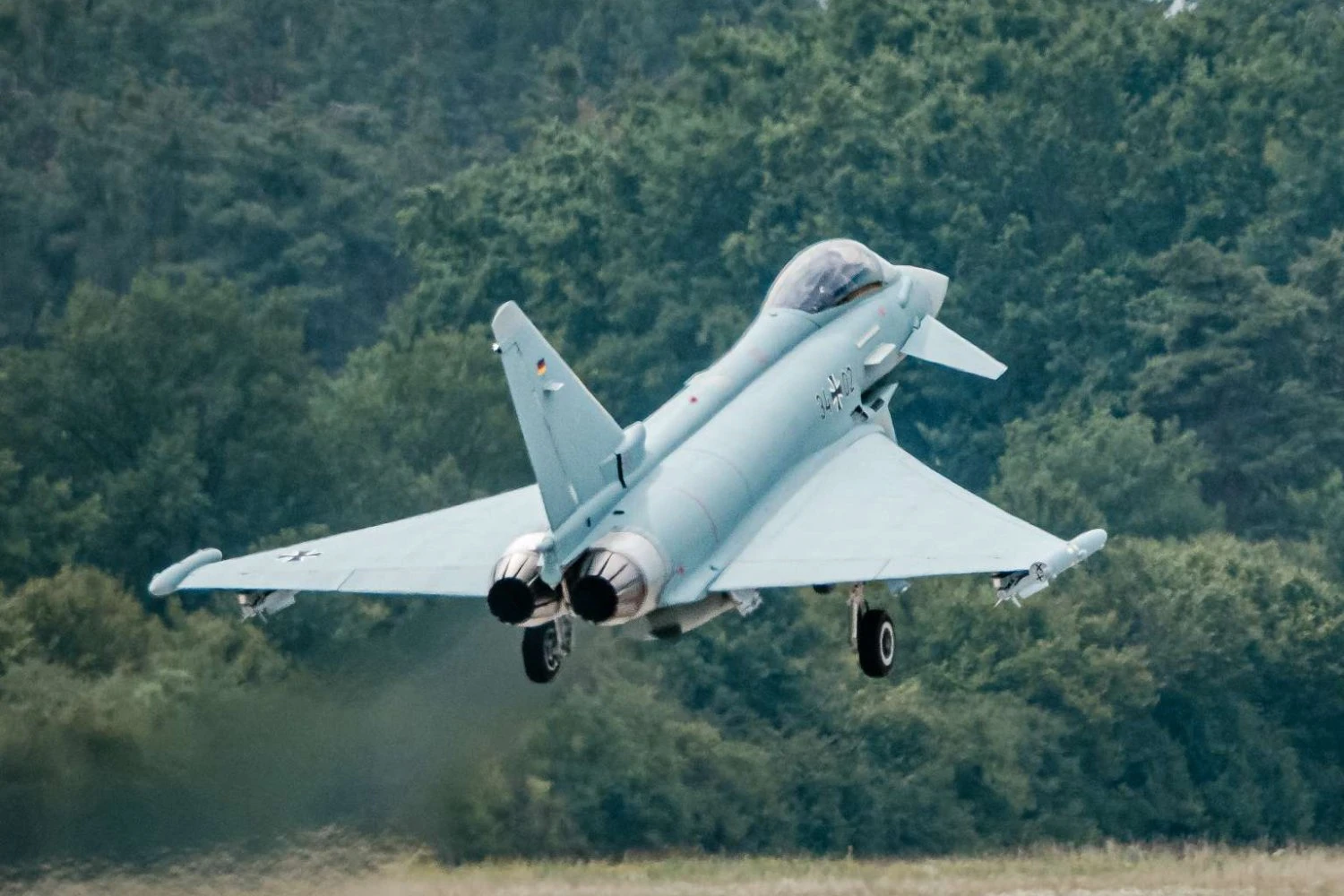
German officials examine other options
British interest does not mean Germany has decided to join GCAP. The documents obtained by Politico show that German defense officials have reservations about entering a program whose industrial structure and requirements are already well established.
One issue is whether German industry could secure sufficient responsibility in a project whose work is currently divided among Britain, Italy and Japan. German officials are also examining differences between Luftwaffe requirements and the aircraft being developed under GCAP.
According to the outlet, an internal assessment also considers cooperation with Spain and Sweden as another possible route for Germany.
Such an arrangement could draw on substantial European fighter experience. Spain is currently Germany's remaining partner in several FCAS activities, while Sweden's Saab developed the Gripen family and has previously conducted studies with Britain on future combat aircraft technologies.
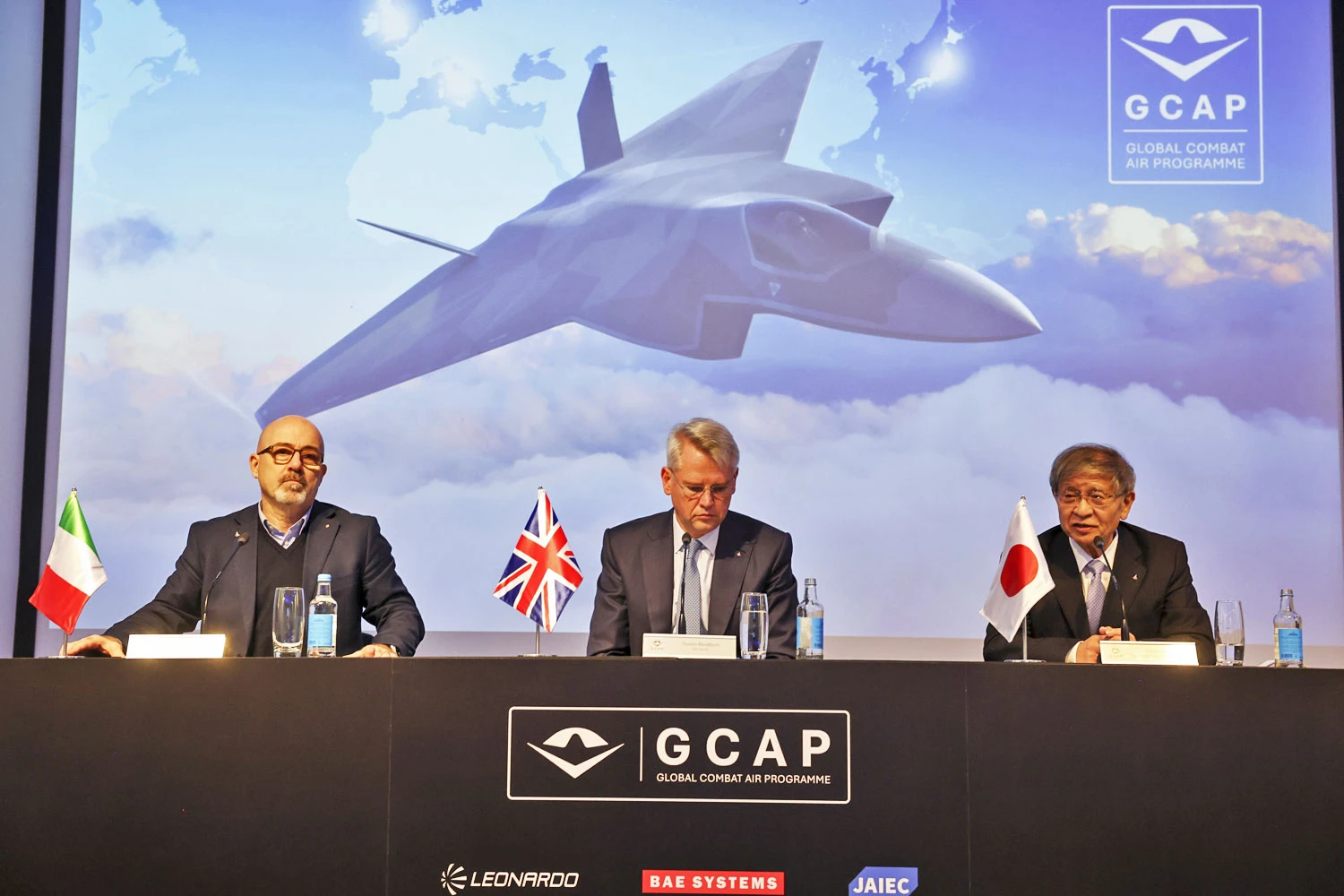
GCAP already moving into development
Joining GCAP would offer Germany access to a program that is considerably further along than a new European fighter effort starting from scratch.
Britain, Italy and Japan have established the GCAP International Government Organisation (GIGO) to oversee the program, while BAE Systems, Leonardo and Japan Aircraft Industrial Enhancement Co. created the Edgewing joint venture to develop the aircraft.
The three countries recently awarded Edgewing a £4.6 billion (approximately US$6.2 billion) development contract, with entry into service still targeted for 2035.
That progress could also complicate German participation. Introducing another major industrial partner would require decisions over workshare without disrupting agreements already reached among the three founding countries.
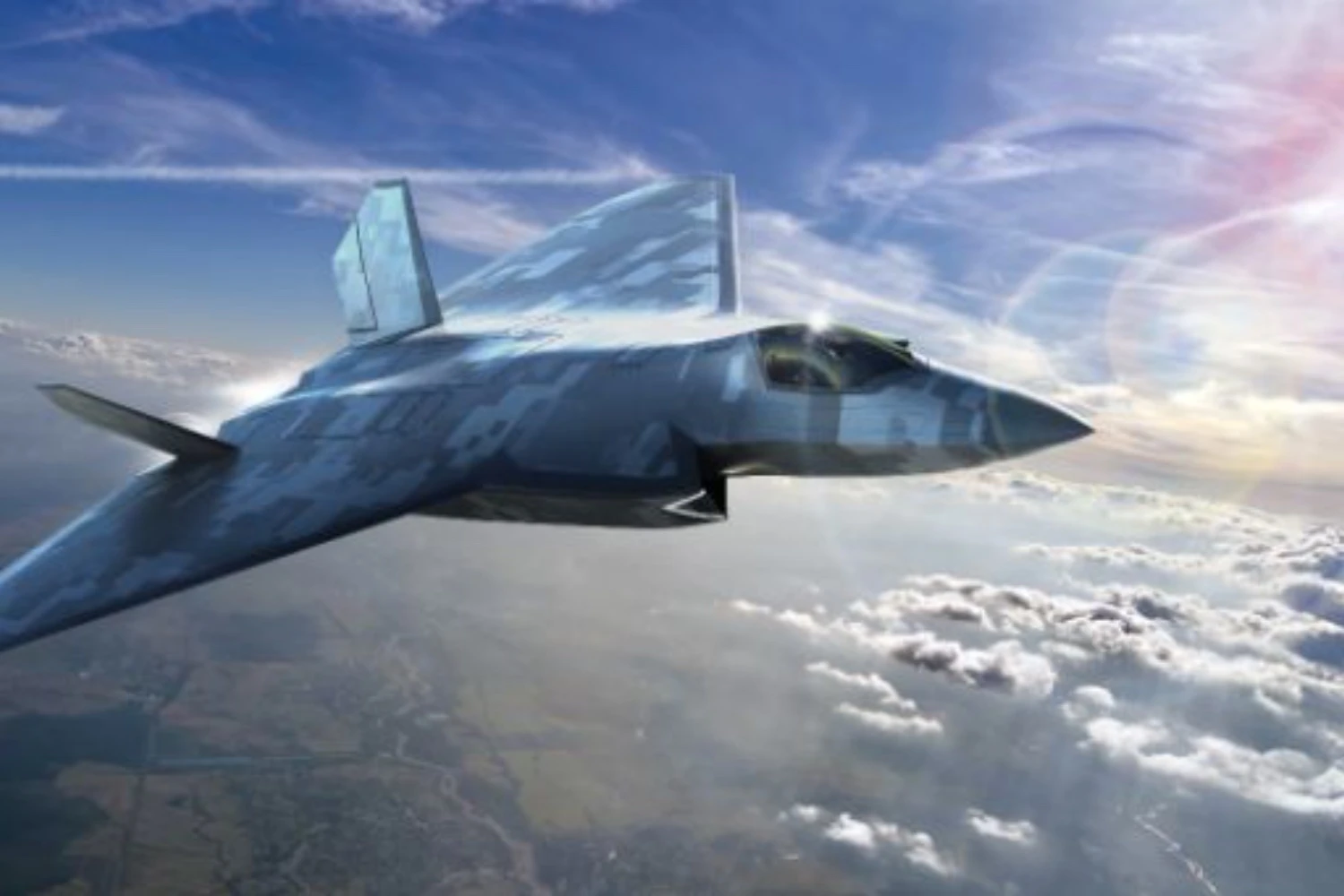
Leonardo has previously said Germany could bring additional industrial capability, funding and aircraft demand to GCAP, but warned that changes to accommodate another partner should not jeopardize the 2035 schedule.
Germany therefore faces a different industrial problem from the one it encountered with France. While disagreements over leadership and workshare helped end the joint NGF effort, joining GCAP would require Berlin to negotiate a significant role in a fighter program whose existing partners have already divided much of that responsibility.
Any German entry would ultimately require agreement from all three GCAP governments. The discussions reported by Politico remain exploratory, with Berlin continuing to examine more than one option for replacing the fighter element of FCAS.