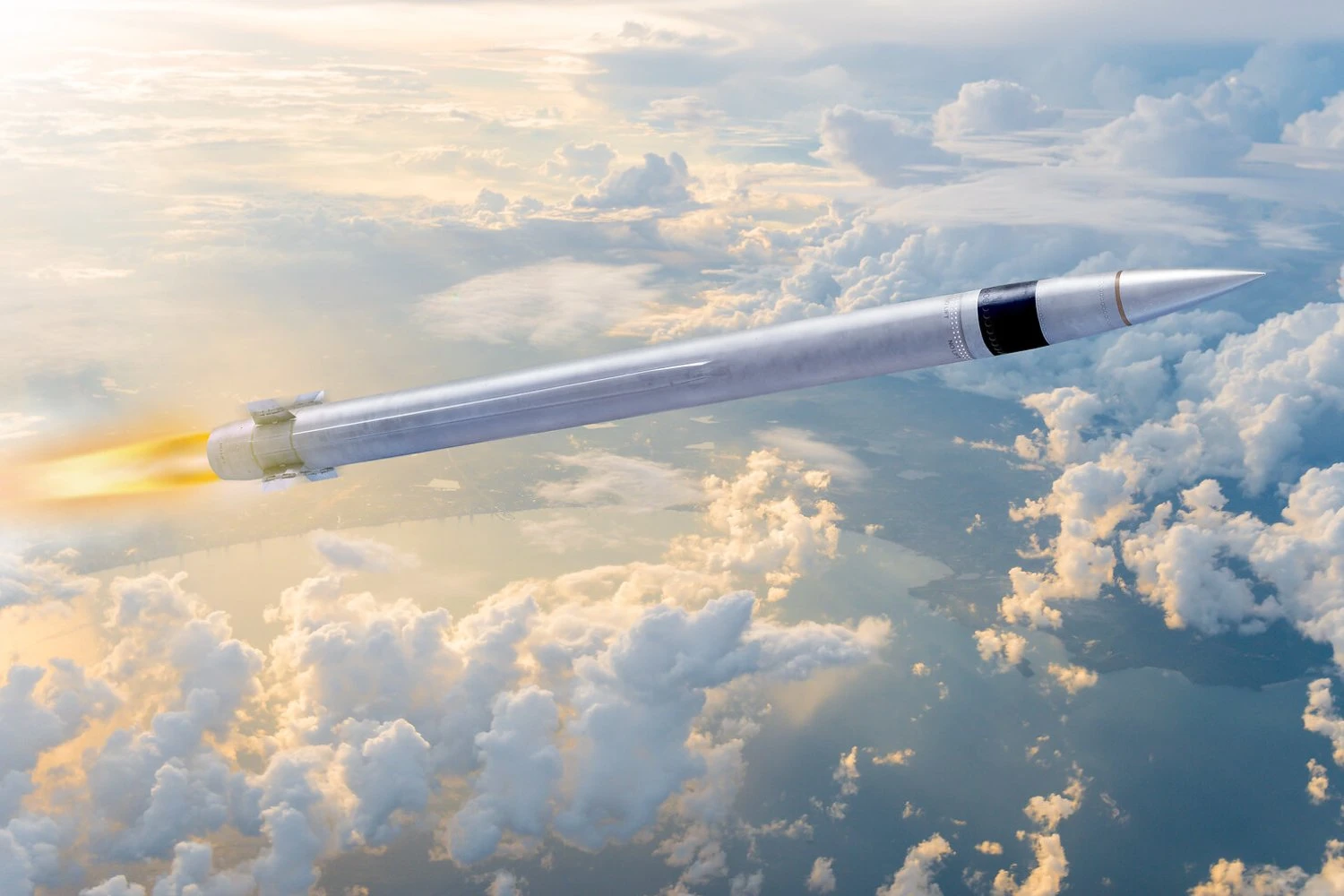
Lockheed Martin has unveiled a new interceptor for the U.S. Army designed to counter advanced ballistic and hypersonic threats, building on the PAC-3 family of missiles already being used against Russian weapons in Ukraine.
Called PAC-3 Edge, the interceptor was presented on Friday as Lockheed Martin advanced to the next phase of the U.S. Army's Future Interceptor program. The company says the weapon will provide greater range, altitude and maneuverability than existing PAC-3 interceptors.
The missile remains under development and has not yet demonstrated those capabilities in flight. Lockheed Martin expects testing to begin in 2027, with the Army seeking a system that could be rapidly fielded by 2031.
The PAC-3 Edge combines a new guidance system with a multi-pulse solid rocket motor supplied by Northrop Grumman and improved flight controls. The company has not disclosed its planned maximum speed, range or interception altitude.
Follow Air Data News: WhatsApp | Instagram | LinkedIn | Twitter | Facebook
Its guidance system is being developed at Lockheed Martin's Strigo Product Center, where the company says it has invested $250 million to increase production capacity and develop technologies for future air and missile defense systems.
Lessons from missiles used in Ukraine
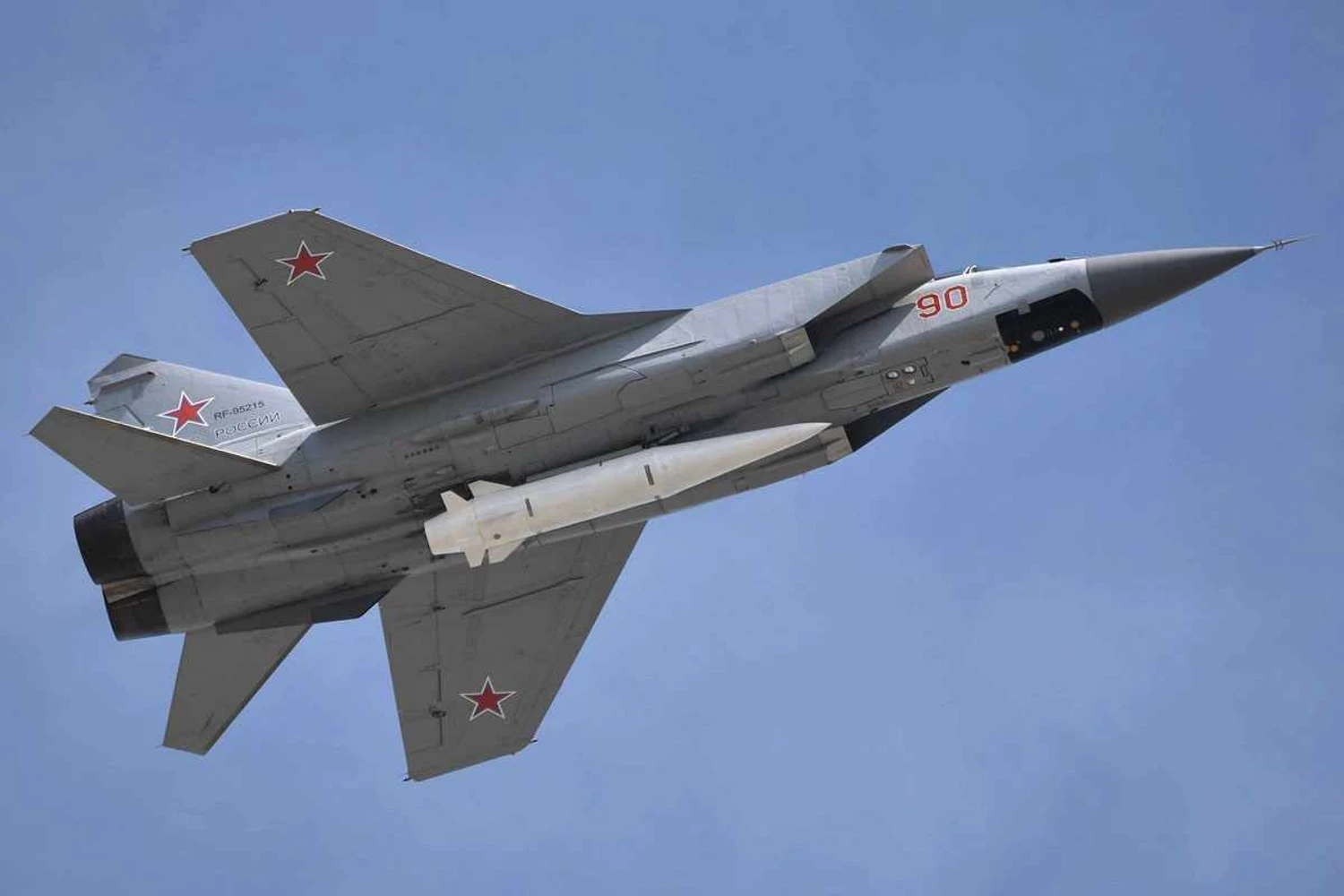
The new interceptor arrives as advanced ballistic and high-speed missiles have become a major challenge for air defense systems, particularly during the war in Ukraine.
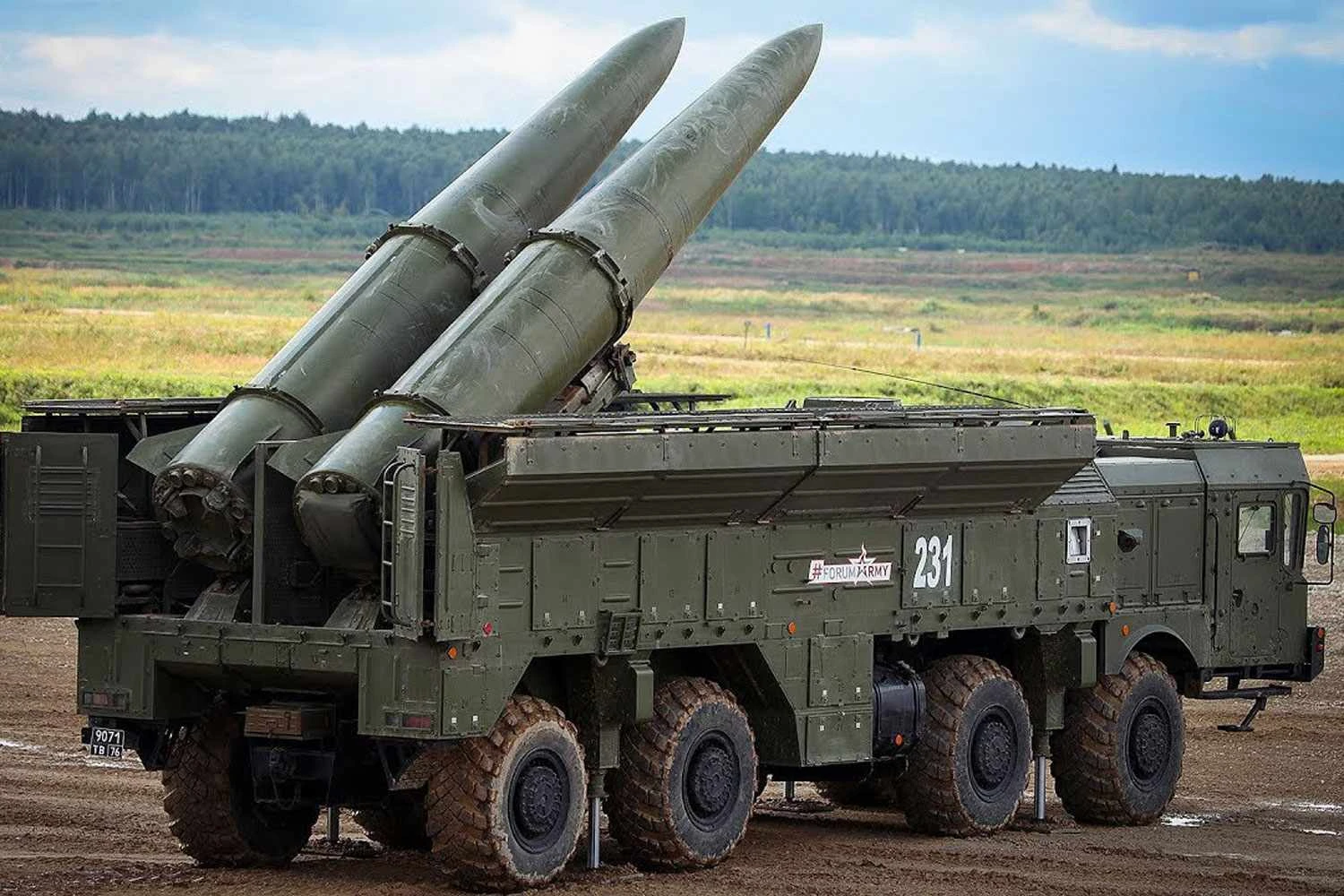
Russia has repeatedly used weapons such as the air-launched Kh-47M2 Kinzhal and Iskander-M ballistic missile against Ukrainian targets. Moscow describes the Kinzhal as a hypersonic weapon, and the missile can travel at several times the speed of sound.
Ukraine has used Patriot systems equipped with PAC-3 interceptors against these weapons. The Ukrainian Ministry of Defense says PAC-3 missiles have been employed against Kinzhal, Iskander and even Zircon missiles.
Unlike traditional surface-to-air missiles that primarily rely on an explosive warhead to destroy a target from nearby, PAC-3 uses hit-to-kill technology. The interceptor is designed to collide directly with an incoming missile at high speed.
The PAC-3 Missile Segment Enhancement (MSE), currently the most capable version in the family, already incorporates a two-pulse rocket motor and improved maneuverability compared with earlier PAC-3 variants.
Recent news


PAC-3 Edge is intended to extend those capabilities against increasingly difficult targets. Its multi-pulse propulsion system can provide thrust during different portions of the flight, while the new guidance and flight-control systems are designed to improve its ability to pursue maneuvering threats.
Lockheed Martin has not claimed that the Edge was developed specifically in response to weapons used by Russia. The U.S. military is also preparing for more advanced missile threats being developed by other countries.
The distinction is important because "hypersonic" covers different types of weapons. Ballistic missiles can exceed Mach 5 during portions of their trajectories, while hypersonic glide vehicles are designed to combine very high speeds with maneuverability that can make their flight paths less predictable.
PAC-3 production expanding
The introduction of the Edge comes as demand for the existing PAC-3 family is increasing.
The U.S. Army awarded Lockheed Martin a contract worth up to $58.6 billion in July to substantially expand PAC-3 production. The company plans to increase annual capacity from around 600 interceptors to as many as 2,000.
That production target applies to the broader PAC-3 program and should not be interpreted as an order for 2,000 PAC-3 Edge missiles.
Tim Cahill, president of Lockheed Martin's Missiles and Fire Control business, told Reuters that the company expects the new interceptor to cost roughly the same as the current PAC-3 MSE.
Lockheed Martin is also designing the Edge to operate beyond the conventional Patriot configuration. The company says it will be compatible with the Patriot M903 launcher and the U.S. Army's Integrated Battle Command System (IBCS), as well as the HIMARS Flex launcher concept.
That approach could give the Army more options for deploying an interceptor originally derived from the Patriot family as missile threats become faster, more maneuverable and increasingly difficult to predict.