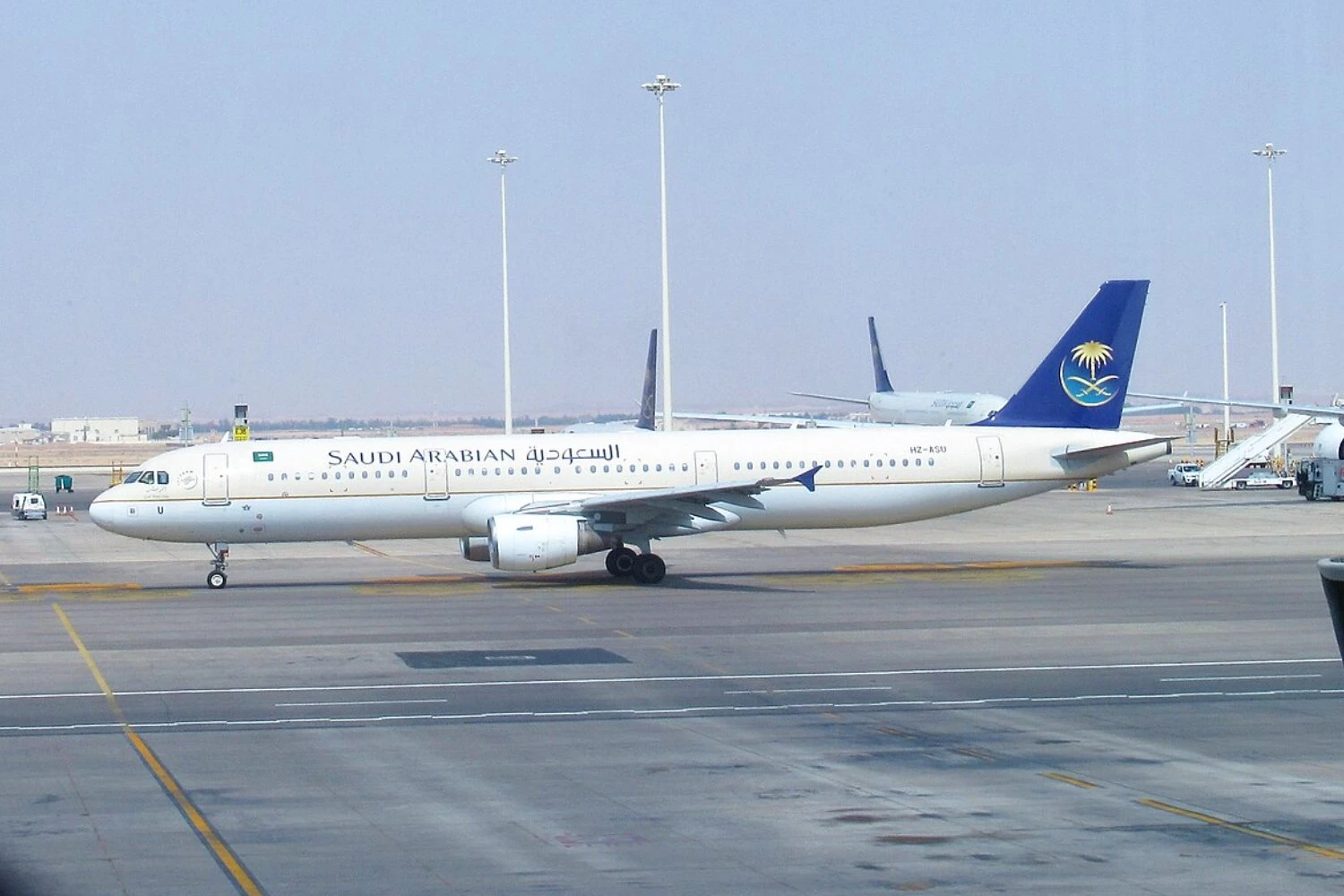
King Khalid International Airport in Riyadh suspended operations on Saturday, October 10, after another missile attack attributed to Yemen's Houthi rebels killed at least 12 people and injured 309. The strike came two days after a Saudia Airbus aircraft was severely damaged by fire during an earlier attack on the same airport.
Saudi Arabia's General Authority of Civil Aviation (GACA) confirmed the casualties and the temporary suspension of airport operations. All arriving flights were diverted, and airlines canceled departures from the Saudi capital, which has suffered three attacks in less than a week.
The latest strike hit the airport's passenger terminal complex, causing extensive damage and injuring travelers inside the building. Witnesses described an explosion followed by scenes of injured passengers on the ground. One traveler reported seeing part of the ceiling collapse near a departure gate.
Among those killed were four Saudi nationals, two Bangladeshi citizens and one person each from the United States, Jordan, Palestine, Syria, Sudan and Egypt.
Follow Air Data News: WhatsApp | Instagram | LinkedIn | Twitter | Facebook
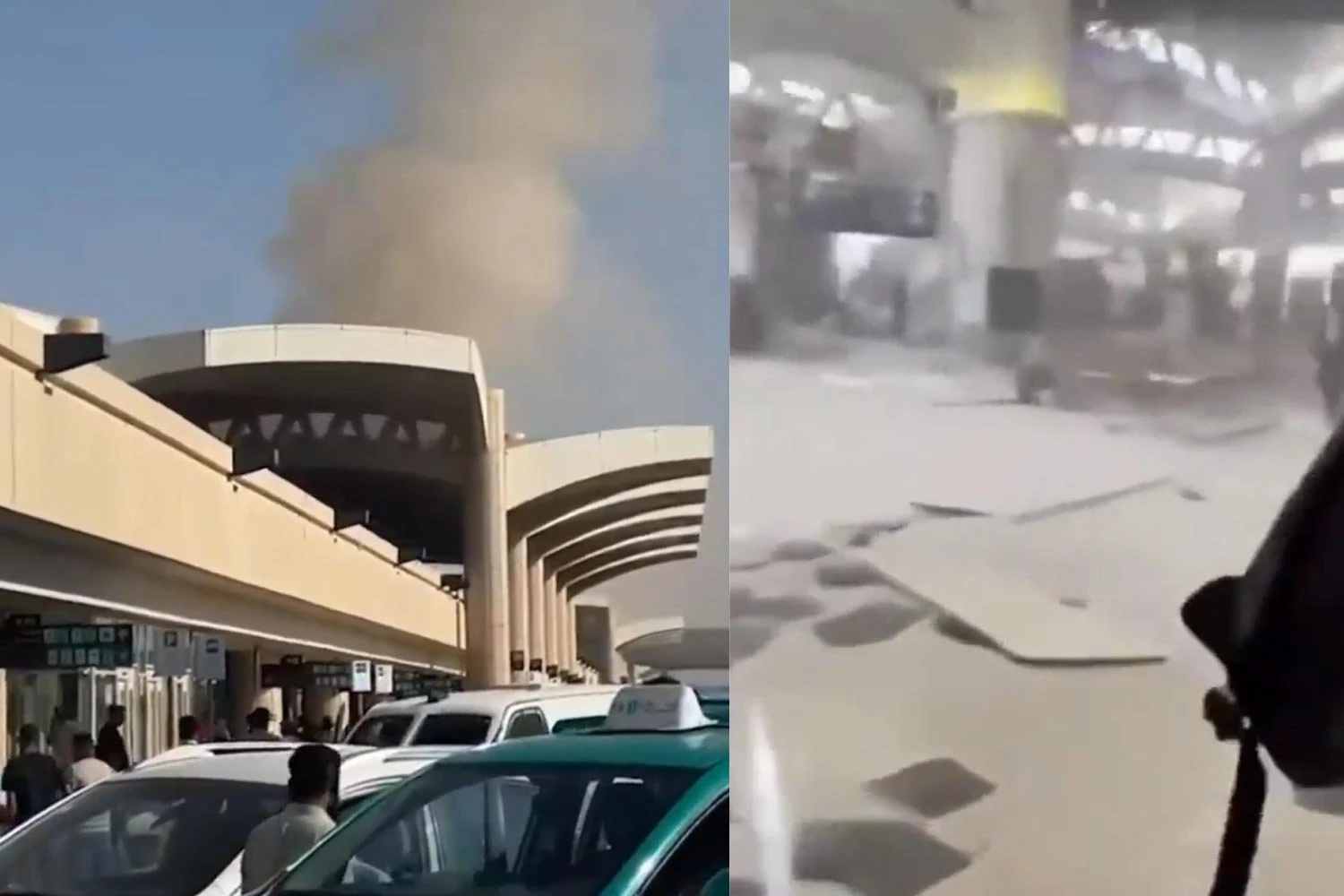
Emergency services dispatched ambulances and helicopters to transport the wounded to hospitals in Riyadh. Some of the injured were reported to be in critical condition.
According to Reuters, the attack occurred without an advance warning from Saudi Arabia's threat alert system. The Houthis subsequently claimed responsibility, and a representative of the group's media office said they had shut down Riyadh's international airport.
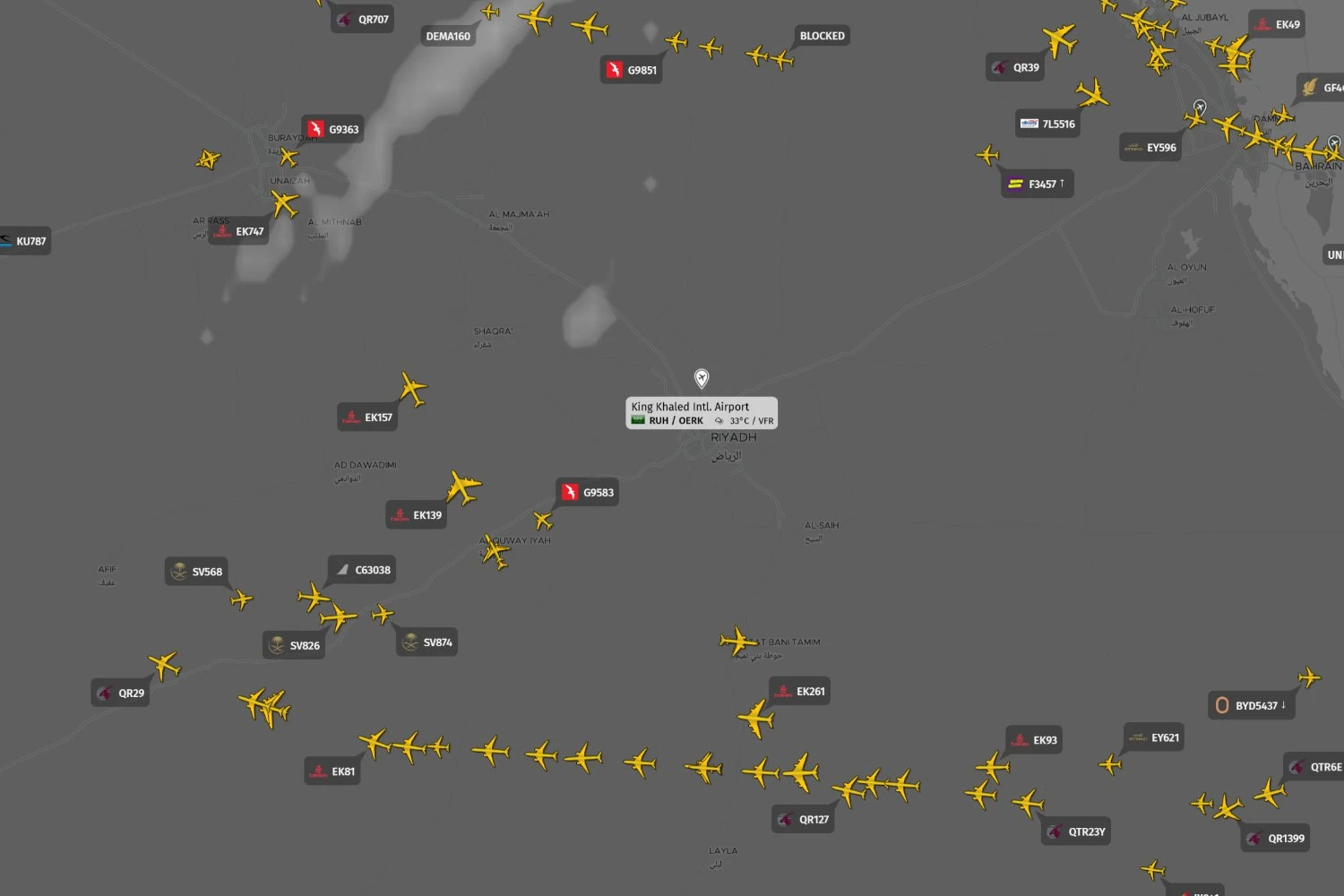
Flight-tracking data showed aircraft diverting away from Riyadh following the attack. More than 200 flights were canceled, according to regional aviation reports, adding to disruptions caused by earlier strikes.
Saudia Airbus severely damaged on Thursday
The latest attack followed two strikes on Thursday, October 8, that targeted airport facilities and a commercial aircraft belonging to Saudia, the Saudi national carrier.
The Airbus was parked at the airport when it caught fire after being struck by debris from an intercepted missile or another projectile, according to reports.
Images circulated after the attack showed the aircraft engulfed in flames, with extensive damage to its fuselage. Aviation reports identified it as an Airbus A320 family aircraft, although its exact variant and registration have not been independently confirmed.
Some reports suggested that the aircraft was an A321, but available evidence has not established whether it was an A320 or A321. Saudia has confirmed that one of its aircraft was damaged without publicly identifying its registration.
The airline said there were no passengers aboard the aircraft when the attack occurred.
Three Saudi nationals died in Thursday's attacks, including Saudia captain Hamoud Ali Alkalthami, whose death was confirmed by the airline on Friday.
Saudia activated its emergency response procedures and coordinated with local authorities to assist those affected. The airline reported that its operations at King Khalid International Airport had returned to normal by 6 p.m. on Thursday.
Airport services were subsequently restored before Saturday's attack forced another suspension.
Airlines suspend services to Saudi capital
The repeated strikes have disrupted international flights to Riyadh, with several foreign airlines suspending or canceling services because of security concerns.
Air India and Lufthansa were among the carriers affected by the earlier attacks. Other airlines subsequently canceled flights as the situation deteriorated.
The Houthis have warned commercial airlines to avoid Saudi airspace, describing it as an area of military operations.
The attacks follow renewed fighting in Yemen between Houthi forces and the Saudi-backed Yemeni government. Saudi Arabia has carried out airstrikes against Houthi positions, and the rebel group has responded with attacks on Saudi infrastructure.
The escalation has also affected other Saudi airports, including Abha, where an earlier attack caused fatalities and injuries.
The European Union Aviation Safety Agency (EASA) issued an expanded warning on October 9 concerning the risks associated with operations in Saudi airspace.
Saturday's attack prompted further international concern about the security of commercial aviation in the kingdom. The United States Embassy in Riyadh advised American citizens to avoid the airport and its surrounding areas.
US President Donald Trump said Washington was considering joining Saudi military operations against the Houthis following the latest strike.
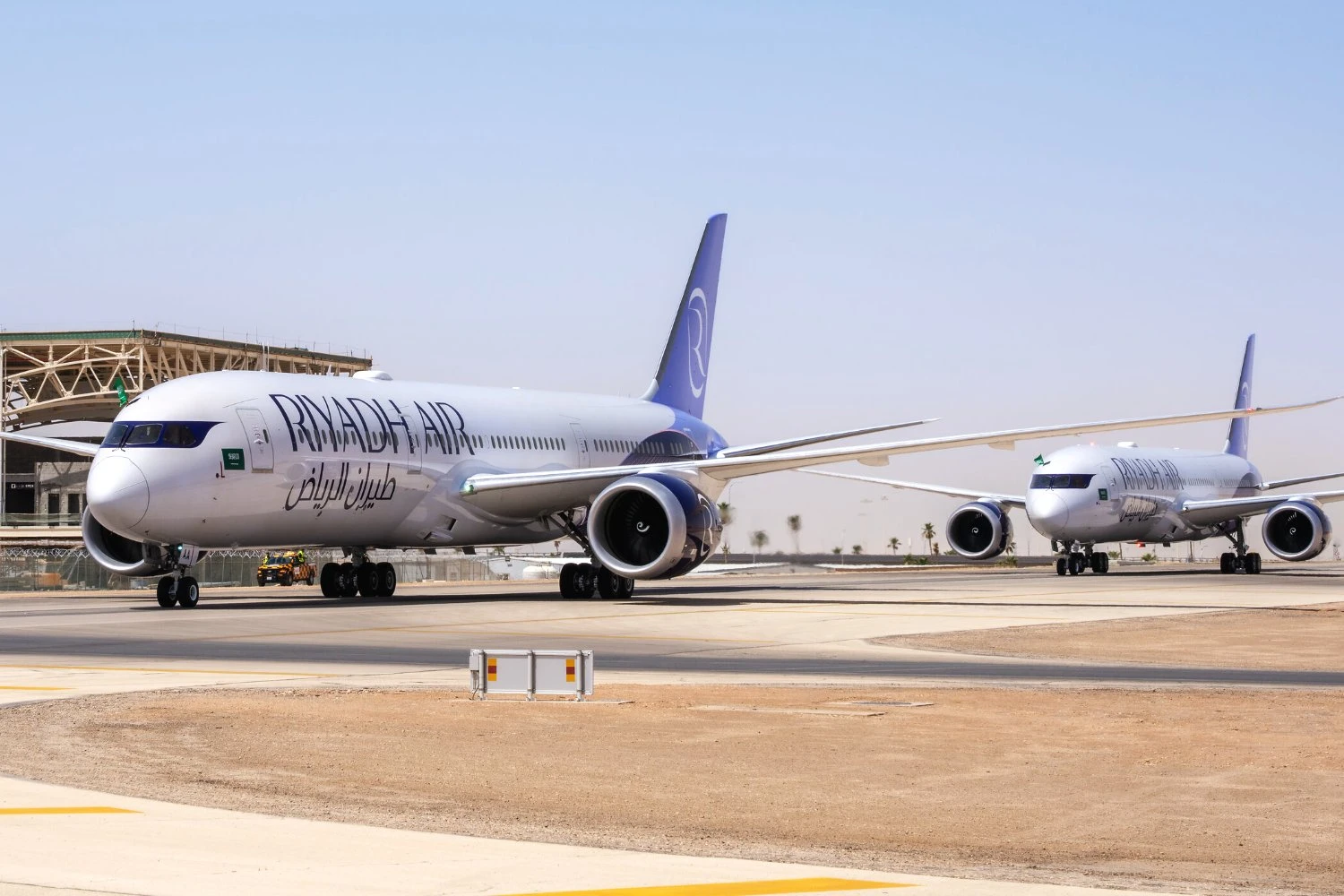
King Khalid International Airport serves Riyadh, a city of approximately eight million people, and is a major hub for Saudia and flynas. Riyadh Air, Saudi Arabia's newest airline, also operates from the airport and has begun serving a growing number of international destinations.