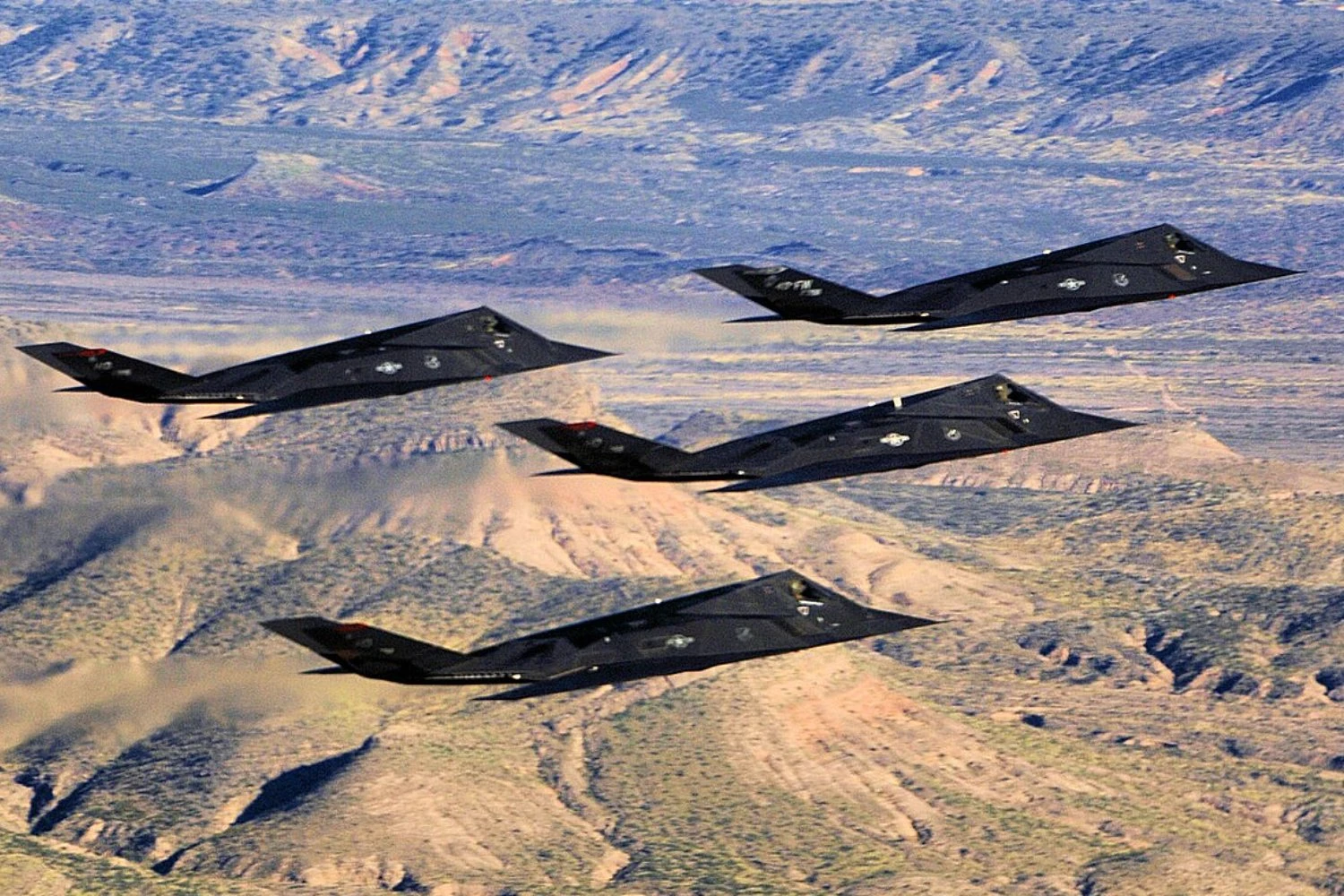
Nearly two decades after its official retirement, the Lockheed F-117 Nighthawk remains a useful aircraft for the United States Air Force (USAF). The world's first operational stealth aircraft continues to fly from Nevada, although its original mission of penetrating enemy air defenses to attack heavily protected targets has long since passed to newer aircraft.
Recent reports have renewed interest in the unusual status of the F-117, which officially left combat service in 2008. However, there has been no announcement of a return to frontline operations. The Air Force has maintained a limited number of Nighthawks for research, testing and military exercises, with plans to support the aircraft through at least 2034.
The F-117 made its first flight in 1981 and entered operational service in 1983, although its existence remained classified until 1988. Its distinctive angular design and radar-absorbent materials allowed it to penetrate airspace defended by radar systems that posed serious threats to conventional aircraft.
The aircraft became internationally famous during Operation Desert Storm in 1991, when it attacked heavily defended targets in Iraq. Despite its designation as a fighter, the F-117 was designed primarily for precision strikes rather than air-to-air combat.
Follow Air Data News: WhatsApp | Instagram | LinkedIn | Twitter | Facebook
The arrival of newer stealth aircraft, particularly the F-22 Raptor and F-35 Lightning II fighters, eventually made the Nighthawk unnecessary in its original role. Yet the same characteristics that once allowed it to evade enemy radars now make it useful for testing American defenses.
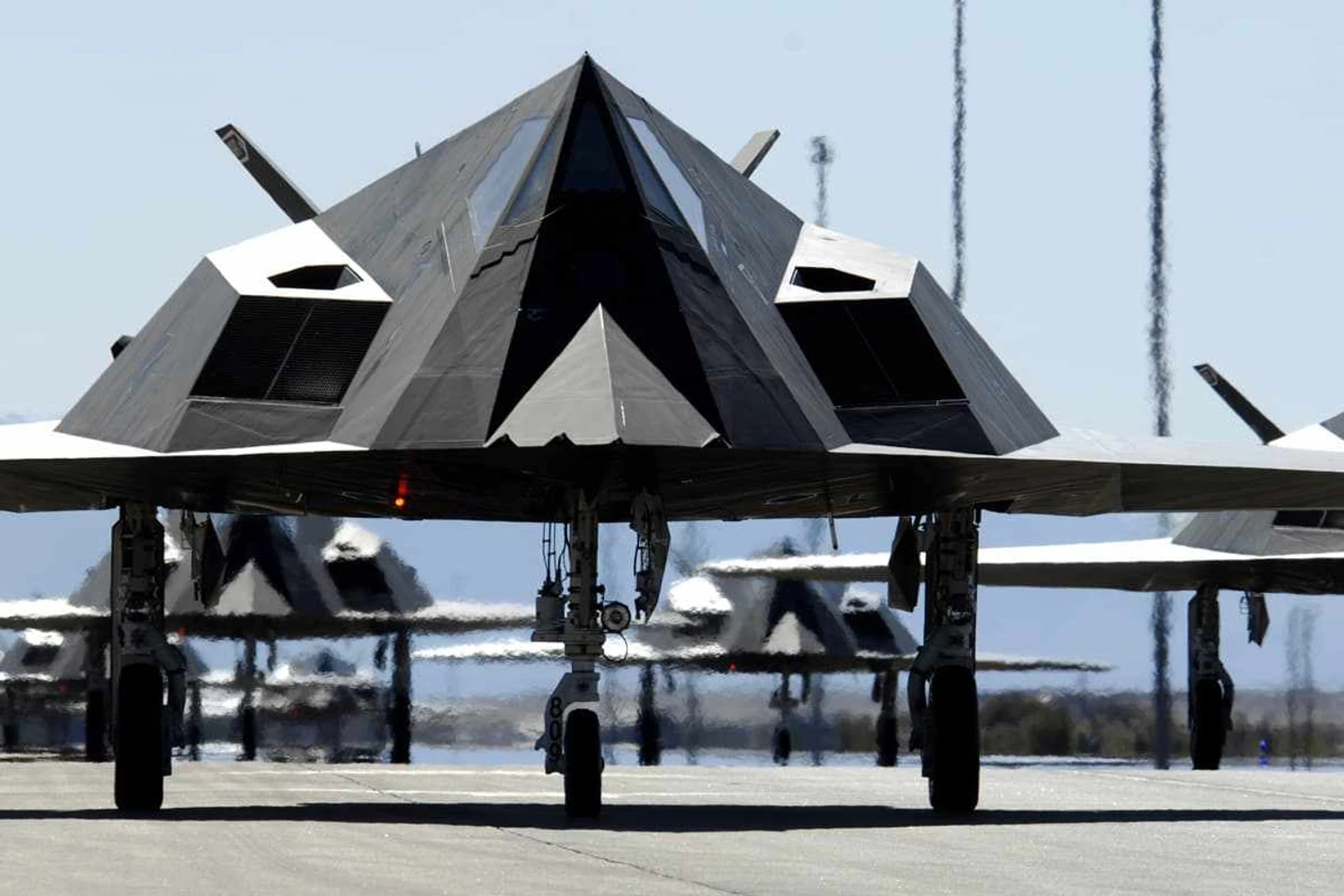
F-117s provide realistic targets for pilots and radar operators
One of the aircraft's principal missions today is to simulate a low-observable adversary during military exercises. Unlike conventional aggressor aircraft, the F-117 presents a reduced radar signature that forces pilots and air defense crews to detect and track a target that is deliberately difficult to find.
This capability is particularly relevant to preparations for potential encounters with Chinese and Russian stealth aircraft, including the Chengdu J-20 and Sukhoi Su-57 fighters.
The Nighthawk cannot reproduce the performance of these modern aircraft. It is subsonic and lacks the radar, air-to-air weapons and maneuverability of a contemporary fighter. Its value lies instead in providing a real low-observable aircraft against which detection systems and tactics can be evaluated.
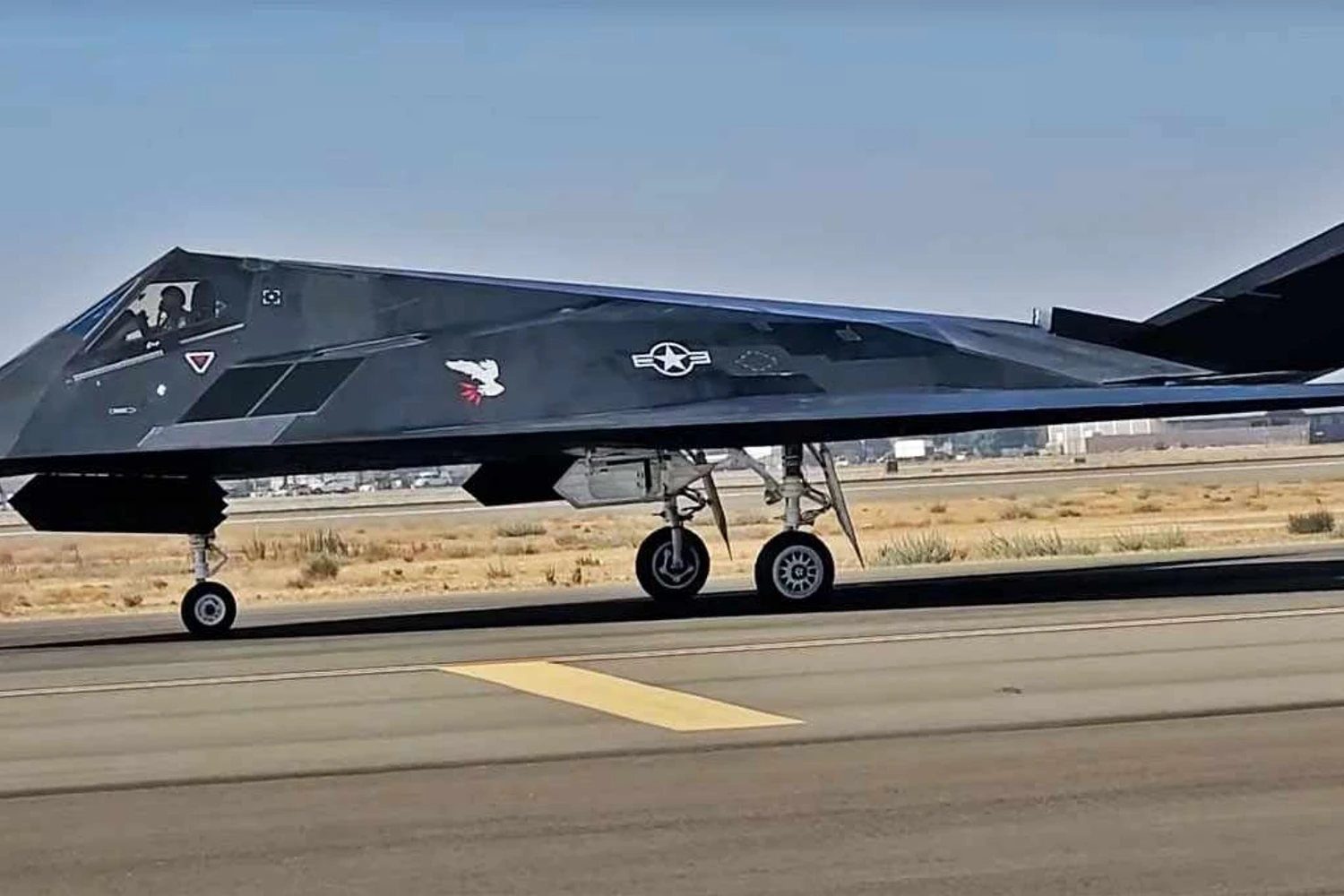
In September 2021, two F-117s deployed to Fresno Air National Guard Base in California for exercises with F-15 Eagle fighters from the 144th Fighter Wing. The unit described the training as an opportunity to test tactics against an unusually difficult adversary.
The aircraft also participated in Northern Edge 23-1, a major military exercise held in Alaska in May 2023. The Air Force publicly documented the presence of an F-117 at Joint Base Elmendorf-Richardson, another indication that the type's continued use is no longer entirely secret.
Beyond pilot training, the Nighthawk provides a platform for evaluating radar systems, infrared sensors and other technologies intended to detect low-observable targets. Its characteristics are already well understood by American engineers, which makes it useful for comparisons during development and testing.
The aircraft also allows the Air Force to conduct some of these activities without diverting modern F-22s or F-35s from operational units.
US Air Force continues to purchase F-117 components
The continued use of the Nighthawk is supported by maintenance contracts and procurement programs.
On October 8, the Air Force updated a solicitation for cartridge- and propellant-actuated components used on the F-117. The procurement includes equipment associated with the aircraft's arresting hook system, with deliveries scheduled for 2028.
The contract is a concrete indication that the service continues to invest in the aircraft's technical support. It does not, however, suggest that the F-117 is being prepared to resume combat operations.
Related news
October 08, 2026
October 07, 2026
The Air Force has also pursued compatibility between the F-117 and the Boeing KC-46 Pegasus tanker, a much newer aircraft than the Nighthawk. Such work would allow the remaining jets to continue receiving aerial refueling support during their extended service life.
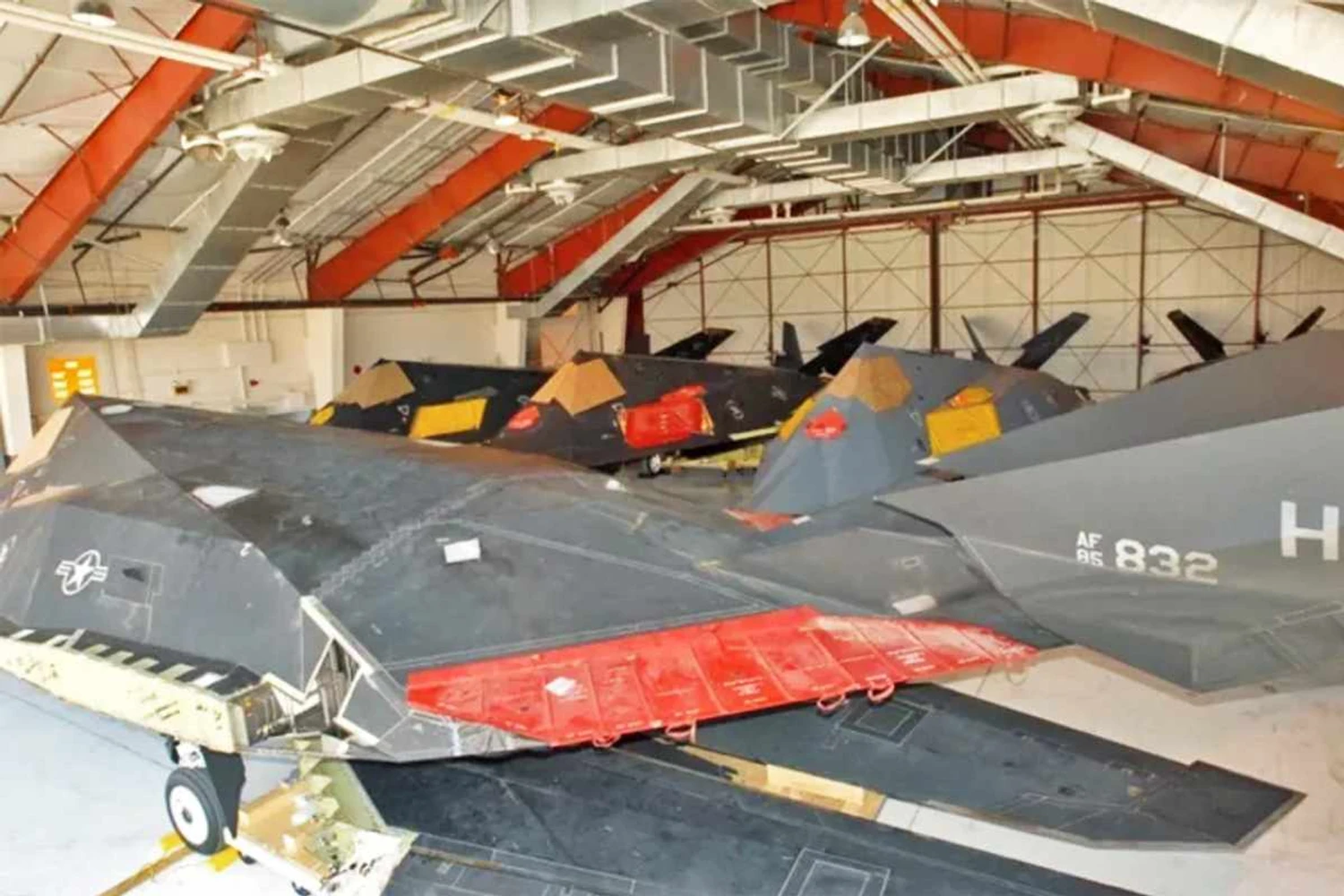
A maintenance and logistics support requirement issued by the Air Force Test Center in 2022 outlined a program extending into the 2030s. The aircraft are primarily associated with Tonopah Test Range in Nevada, where the F-117 operated during its classified years.
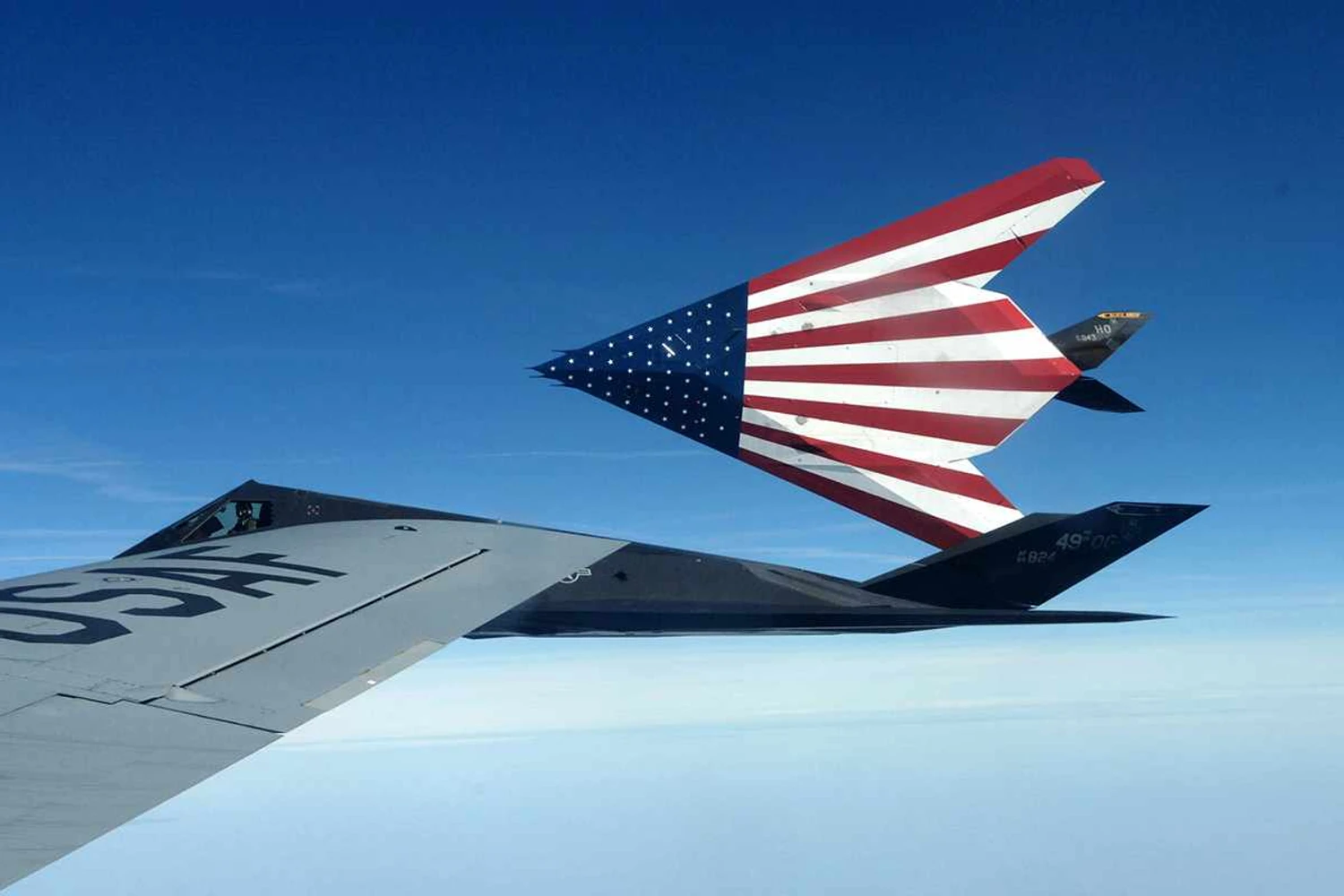
The precise number of aircraft currently capable of flight is not publicly established. In 2021, the Air Force reported 48 F-117s remaining in its inventory, although that figure included aircraft not necessarily available for immediate operations.
Some of the remaining Nighthawks are gradually being demilitarized and transferred to museums. One of them, F-117A 85-0818, nicknamed "The Overachiever," was transported aboard a C-5M Super Galaxy from California to Virginia on October 6.
The aircraft is destined for the Smithsonian National Air and Space Museum's Steven F. Udvar-Hazy Center near Washington Dulles International Airport. The transfer took place just two days before the latest update to the Air Force's F-117 components procurement, showing the two different paths now followed by the surviving Nighthawks: preservation in museums and continued service in military testing.