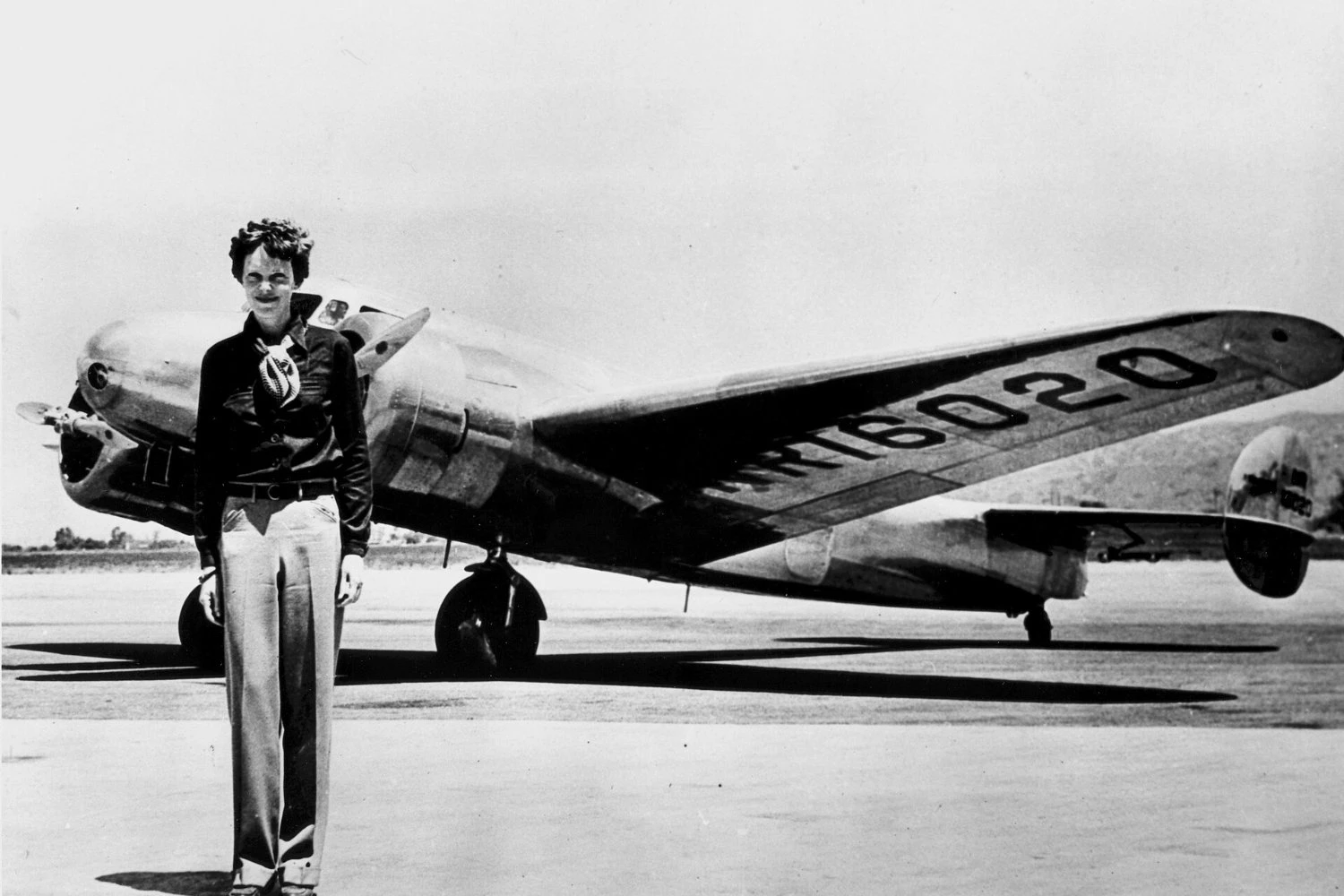
A new expedition is heading to one of the most remote islands in the Pacific Ocean in an attempt to solve one of aviation’s most enduring mysteries: the disappearance of Amelia Earhart and her Lockheed Electra 10-E nearly 90 years ago.
A 17-member team is traveling to Nikumaroro, an uninhabited atoll belonging to Kiribati, where researchers will investigate an object visible in satellite and historical aerial imagery. The group is expected to reach the island on October 13 after a voyage from Tarawa.
Called the Taraia Object Expedition, the mission is being organized by Purdue University, the Purdue Research Foundation and the Archaeological Legacy Institute. Archaeologist Richard Pettigrew is leading the project.
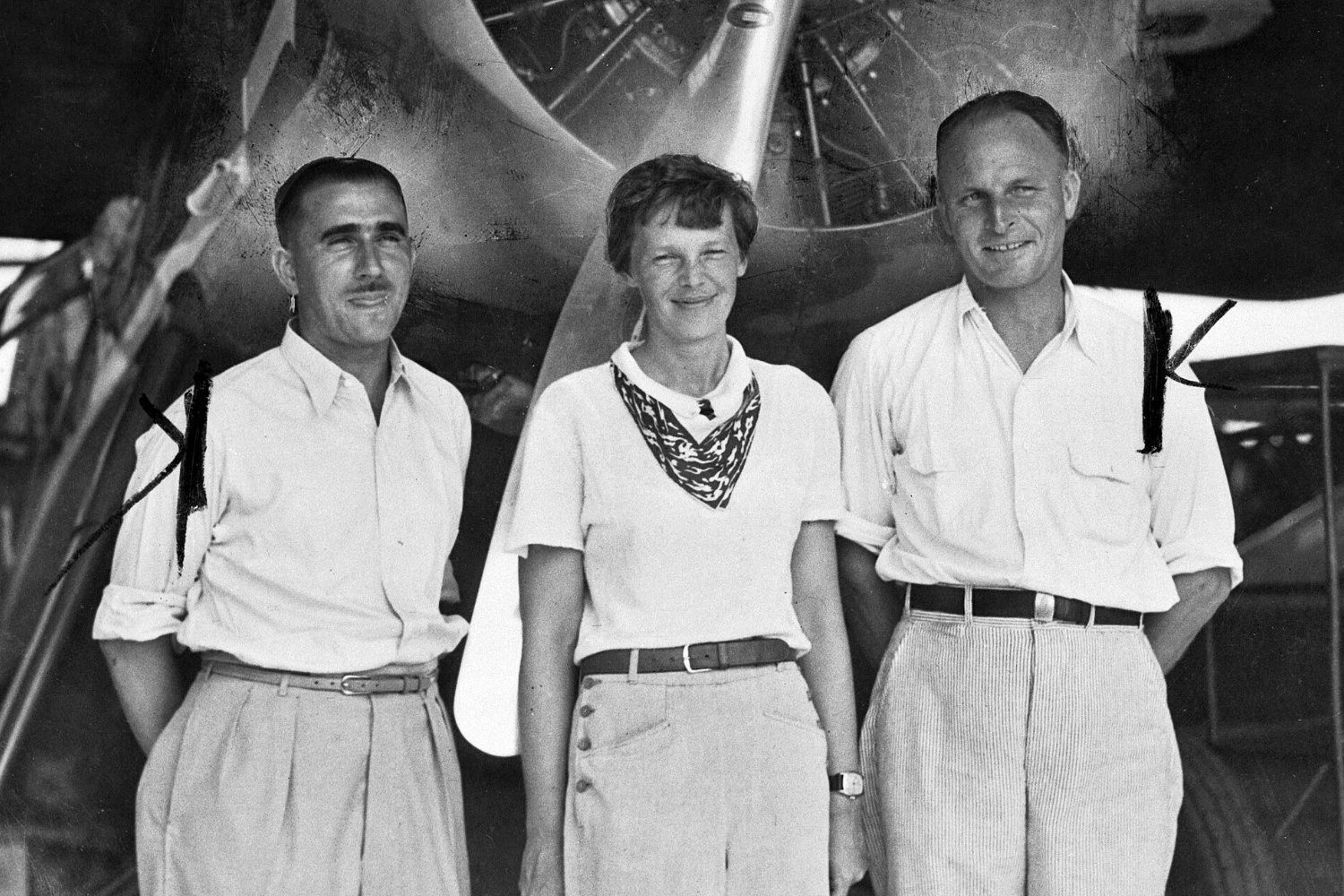
Earhart and navigator Fred Noonan disappeared on July 2, 1937, during an attempt to fly around the world. They were traveling from Lae, New Guinea, to Howland Island aboard a twin-engine Lockheed Electra 10-E when radio contact was lost.
Follow Air Data News: WhatsApp | Instagram | LinkedIn | Twitter | Facebook
The official search failed to locate the aircraft, and Earhart and Noonan were declared dead in 1939. The absence of wreckage has since produced numerous theories about what happened to them.
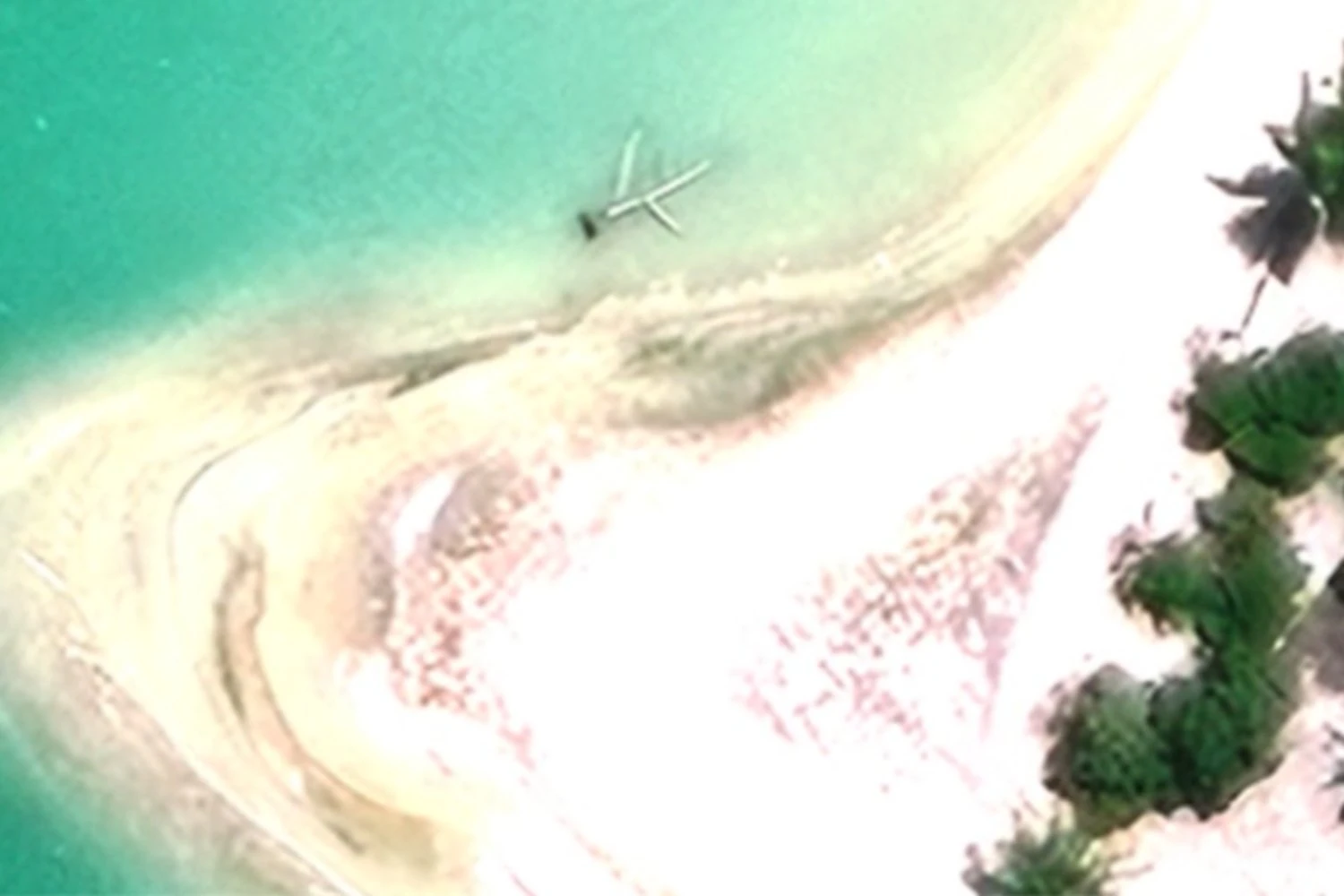
Object spotted in satellite images
The latest expedition focuses on what researchers call the “Taraia Object,” an anomaly identified in satellite imagery of Nikumaroro’s lagoon in 2020.
Researchers subsequently examined historical photographs and found what they believe could be the same object in aerial imagery dating back to 1938, less than a year after Earhart disappeared.
The team plans to use magnetometers, sonar and other equipment to examine the site before conducting underwater excavation if the initial survey identifies something of interest.
The hypothesis behind the expedition is that Earhart, unable to find Howland Island, could have reached Nikumaroro and landed the Electra on a reef flat. The aircraft may subsequently have been moved by tides and waves before eventually ending up in the lagoon.
Nikumaroro lies about 400 miles (640 km) southeast of Howland Island. Previous expeditions have searched the atoll for evidence connecting it to Earhart, but none has produced conclusive proof that her aircraft reached the island.
Not everyone involved in previous searches is convinced that the Taraia Object is an aircraft.
Ric Gillespie, who has led several expeditions to Nikumaroro and has long investigated the possibility that Earhart landed there, told Reuters that he believes the object seen in the images is probably a fallen tree. He also questioned whether recognizable aircraft wreckage would have survived at the site for almost nine decades.
Purdue’s connection to Amelia Earhart
Purdue University has a direct historical connection with Earhart. She joined the university in 1935 as a consultant in careers for women and an adviser in aeronautics.
The Purdue Research Foundation helped finance the purchase of the Lockheed Electra used for her final flight. The aircraft, registered NR16020, was extensively modified for long-distance flying.
The new expedition was initially planned for 2025 but was delayed by permitting issues involving the government of Kiribati and weather conditions.

Members of the team departed Purdue University Airport on October 2 and assembled in Tarawa before beginning the sea voyage to Nikumaroro on October 7.
The expedition is expected to cost approximately $900,000. Researchers plan to document their work on the island and provide updates through a dedicated website operated by the Purdue Research Foundation.
Even if the Taraia Object proves unrelated to Earhart, the expedition could help eliminate another possibility in a disappearance that has remained unresolved since 1937.