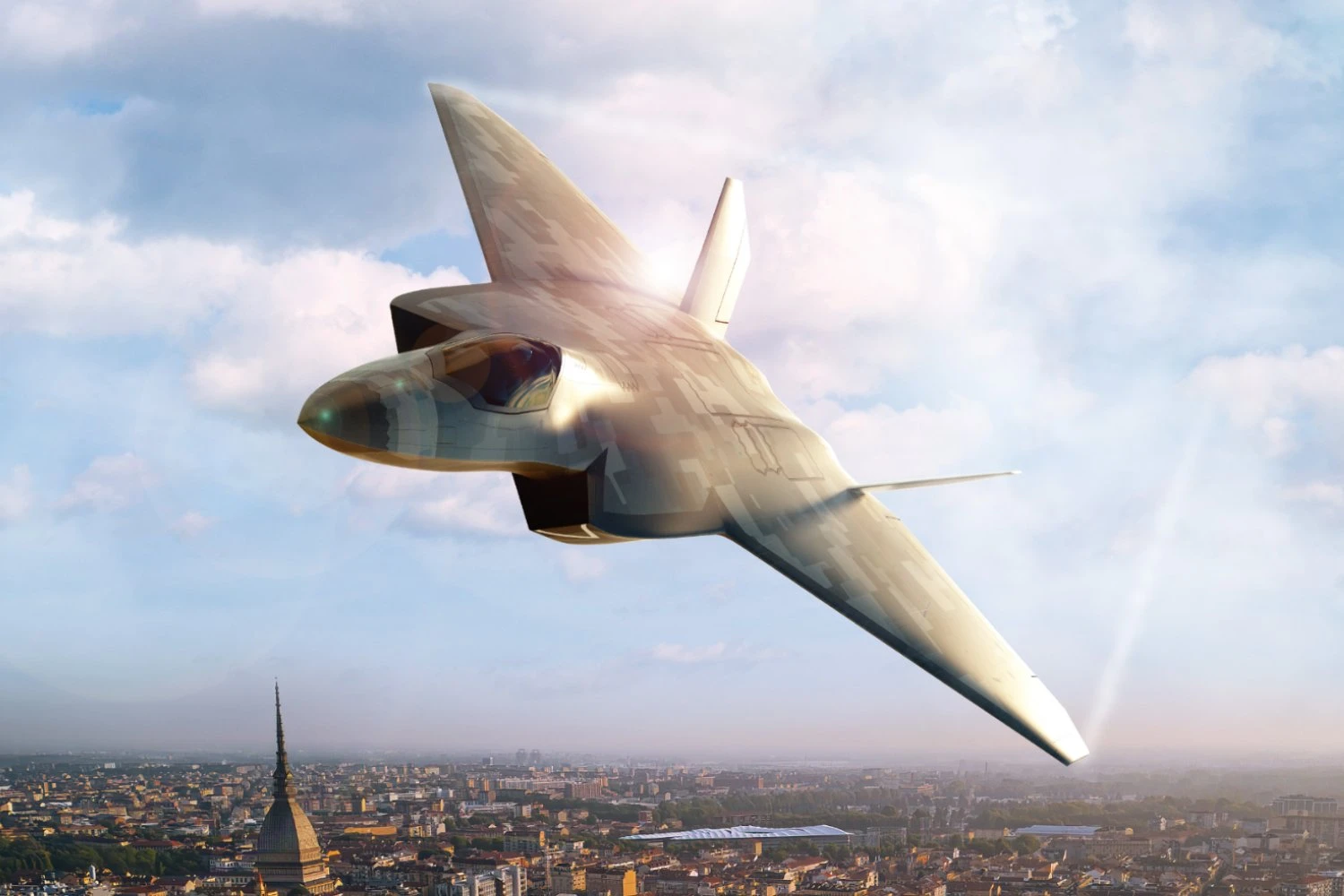
Edgewing, the company responsible for the design and development of the future Global Combat Air Programme (GCAP) fighter, has opened its first national engineering facility in Turin, Italy. The site will host engineers from the three partner countries — the United Kingdom, Italy and Japan — as work on the combat aircraft progresses toward its planned entry into service in 2035.
The facility was inaugurated on October 9 at Leonardo’s Corso Francia site in Turin. It is the first of three national engineering centers planned by Edgewing, with additional facilities to be established in the United Kingdom and Japan.
Edgewing is the joint venture responsible for the design and development of the GCAP combat aircraft. The company is equally owned by BAE Systems, Leonardo and the Japan Aircraft Industrial Enhancement Co. (JAIEC), representing the three countries participating in the program.
The Turin operation will initially be staffed by personnel transferred from the partner companies, with recruitment expected to expand its workforce as development progresses. Around 1,000 people are expected to work at the site by 2029.
Follow Air Data News: WhatsApp | Instagram | LinkedIn | Twitter | Facebook
According to Italian defense publication Rivista Italiana Difesa, Edgewing occupies three buildings at Leonardo’s Turin complex, two of which are already operational, with a third under construction.
Engineers from the three countries will work within a common digital environment designed to allow teams to collaborate on the aircraft despite the different national security requirements governing classified information.
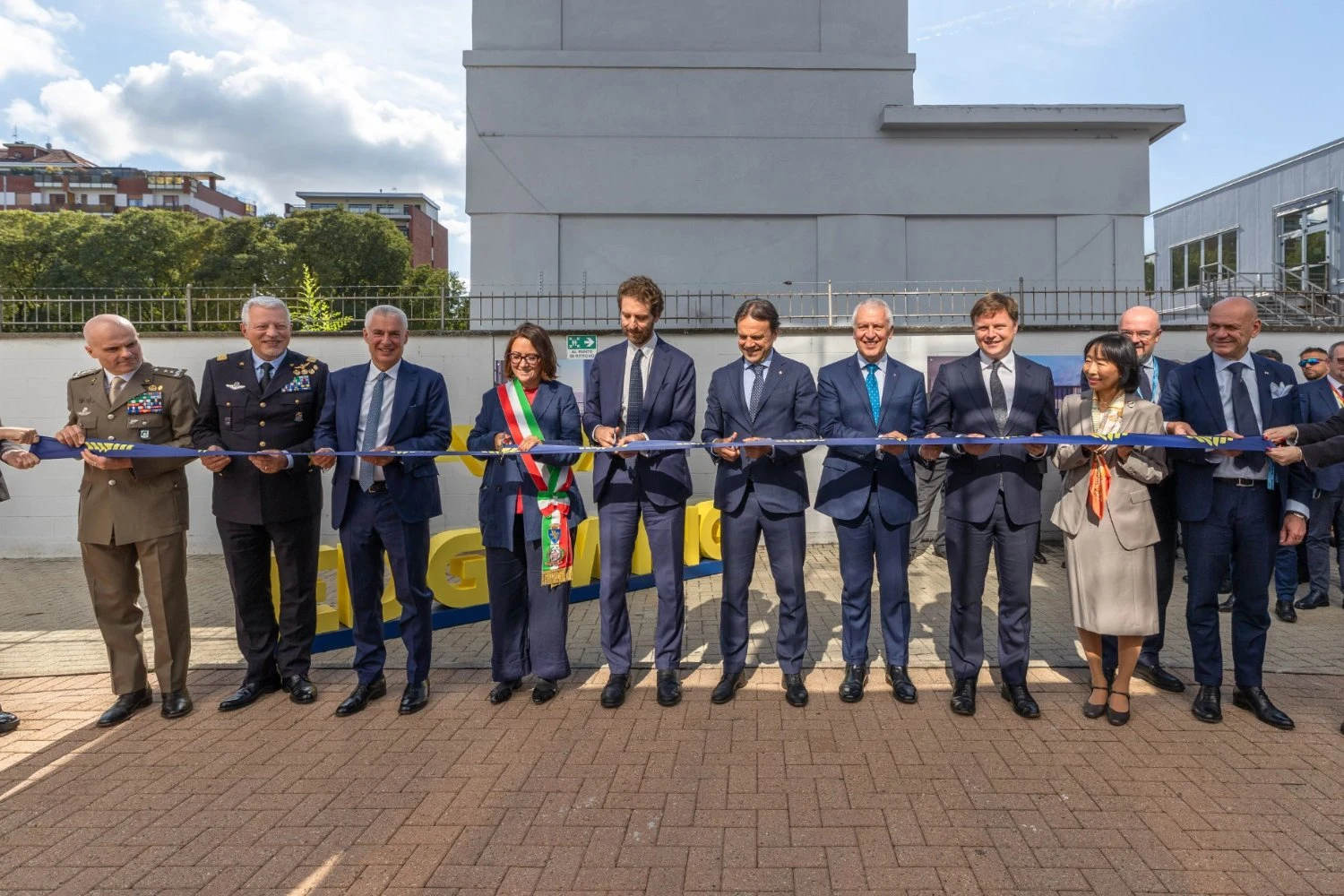
Edgewing plans similar engineering centers at Warton in the United Kingdom and Nagoya in Japan. The British site is expected to become operational in the coming months, followed by the Japanese facility.
The expansion comes as GCAP moves through its advanced concept definition and assessment activities. The program is intended to produce a new combat aircraft for service from 2035, replacing the Eurofighter Typhoon in British and Italian service and Mitsubishi F-2 fighters operated by Japan.
More than £5.2 billion in contracts
Edgewing received its first international contract from the GCAP International Government Organisation (GIGO) in April 2026, valued at £686 million ($914 million). A second contract worth £4.6 billion ($6.1 billion) followed in July.
The latter covers an 18-month period and includes completion of advanced definition and evaluation activities as well as detailed design and development work. Together, the agreements have provided Edgewing with more than £5.2 billion ($6.9 billion) in contracts during 2026.
Production plans are also beginning to take shape. Leonardo CEO Lorenzo Mariani said during the Turin event that three production lines are planned for the future fighter, one in each partner country, according to Rivista Italiana Difesa.
Recent news
The Italian final assembly line is expected to be located at Leonardo’s Caselle facility near Turin, which is already involved in Eurofighter production. The three-line arrangement has not yet been formally detailed by the GCAP organization.
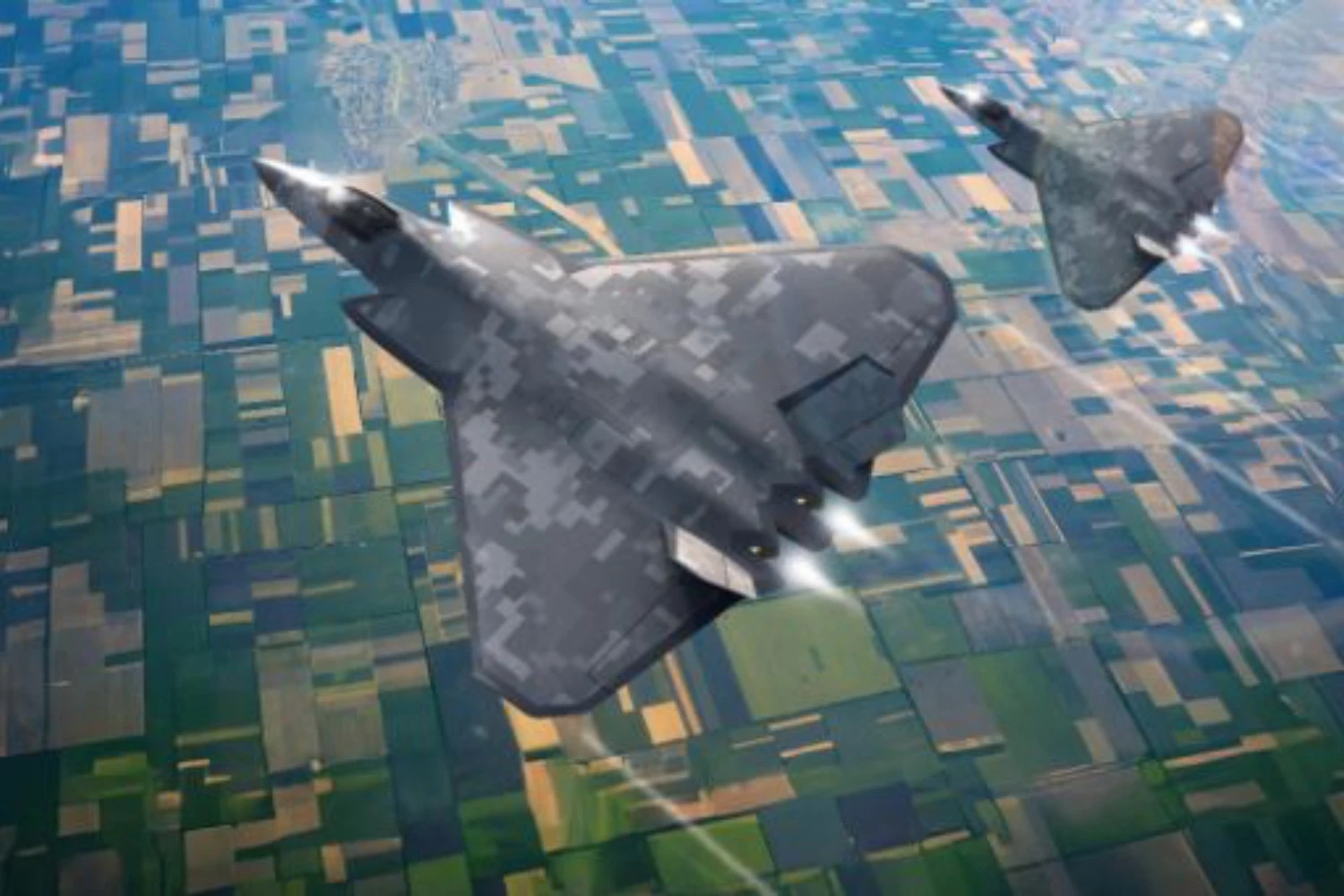
GCAP was established by Britain, Italy and Japan by combining their respective future fighter efforts. The three governments subsequently created GIGO to oversee the program, while BAE Systems, Leonardo and JAIEC formed Edgewing in 2025 as the industrial entity responsible for the aircraft.
The multinational structure contrasts with developments in the rival European Future Combat Air System (FCAS). France decided this year to continue critical work on its New Generation Fighter nationally after cooperation with Germany on the aircraft ended, leaving Paris to reorganize the industrial and financial structure of its future fighter program.
GCAP still faces an ambitious timetable. The aircraft is expected to enter service in 2035, giving Edgewing less than a decade to progress from the current design phase through development, flight testing and preparation for production.