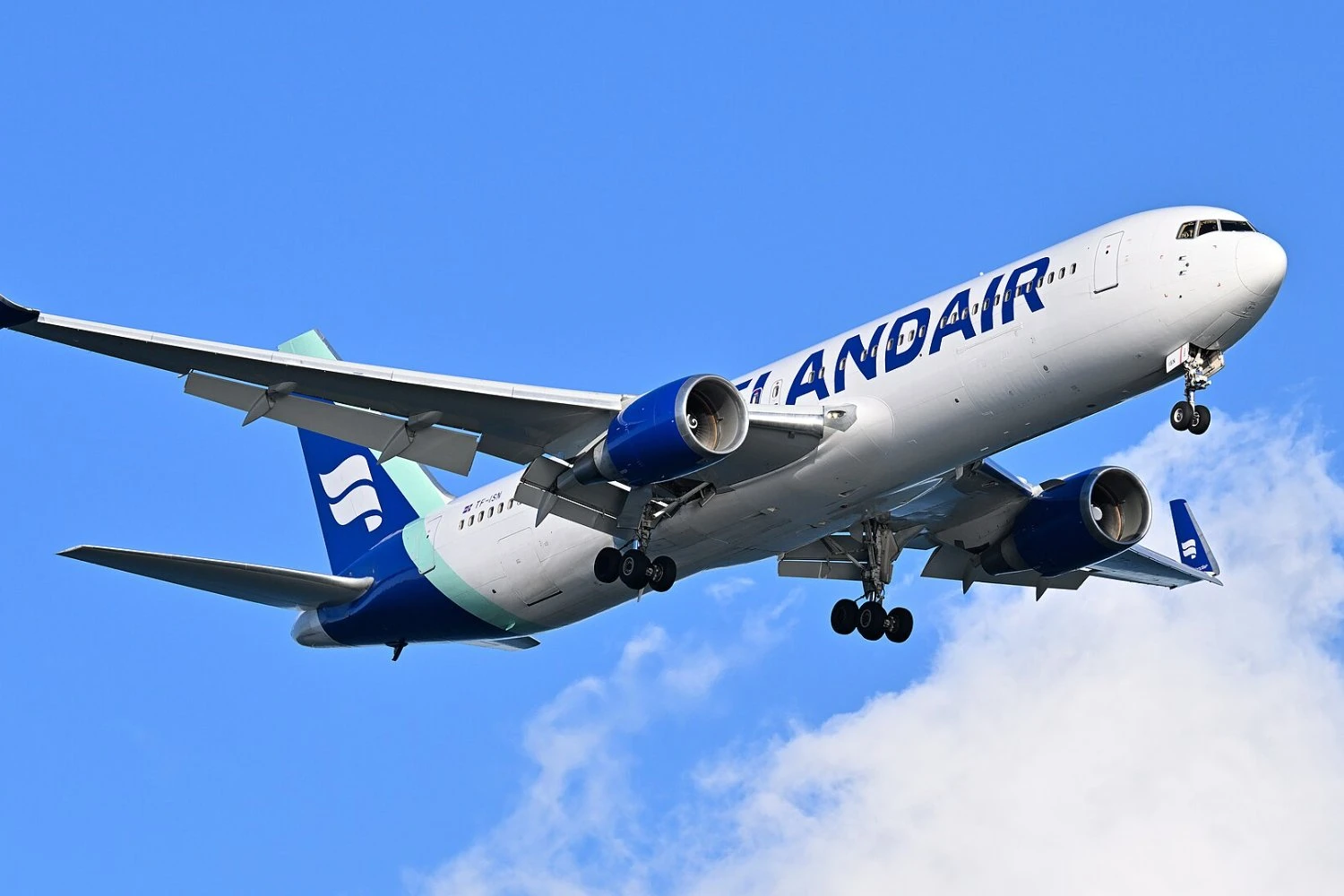
Icelandair has scheduled its final passenger flights with the Boeing 757 and 767 for early January 2027, bringing an era that shaped the Icelandic carrier's transatlantic network for decades close to an end.
According to the latest schedule filed by the airline, the last 757-200 flight is currently planned for January 4 between London Heathrow and Keflavík. The 767-300ER is scheduled to make its final departure from Boston on January 5, arriving in Iceland the following day.
Schedules remain subject to change, but the dates are consistent with Icelandair's decision to accelerate the retirement of both types. The airline confirmed in July that it would cease operating the 757 and 767 in passenger service from January 2027.
Earlier plans had kept a small number of 757s in service until the fall of 2027. High fuel prices prompted Icelandair to bring the retirement forward, with the older aircraft increasingly expensive to operate compared with their replacements.
Follow Air Data News: WhatsApp | Instagram | LinkedIn | Twitter | Facebook
The 757 has a particularly important place in Icelandair's history. Its combination of transatlantic range and relatively low capacity suited the airline's strategy of connecting European and North American cities through its Keflavík hub.
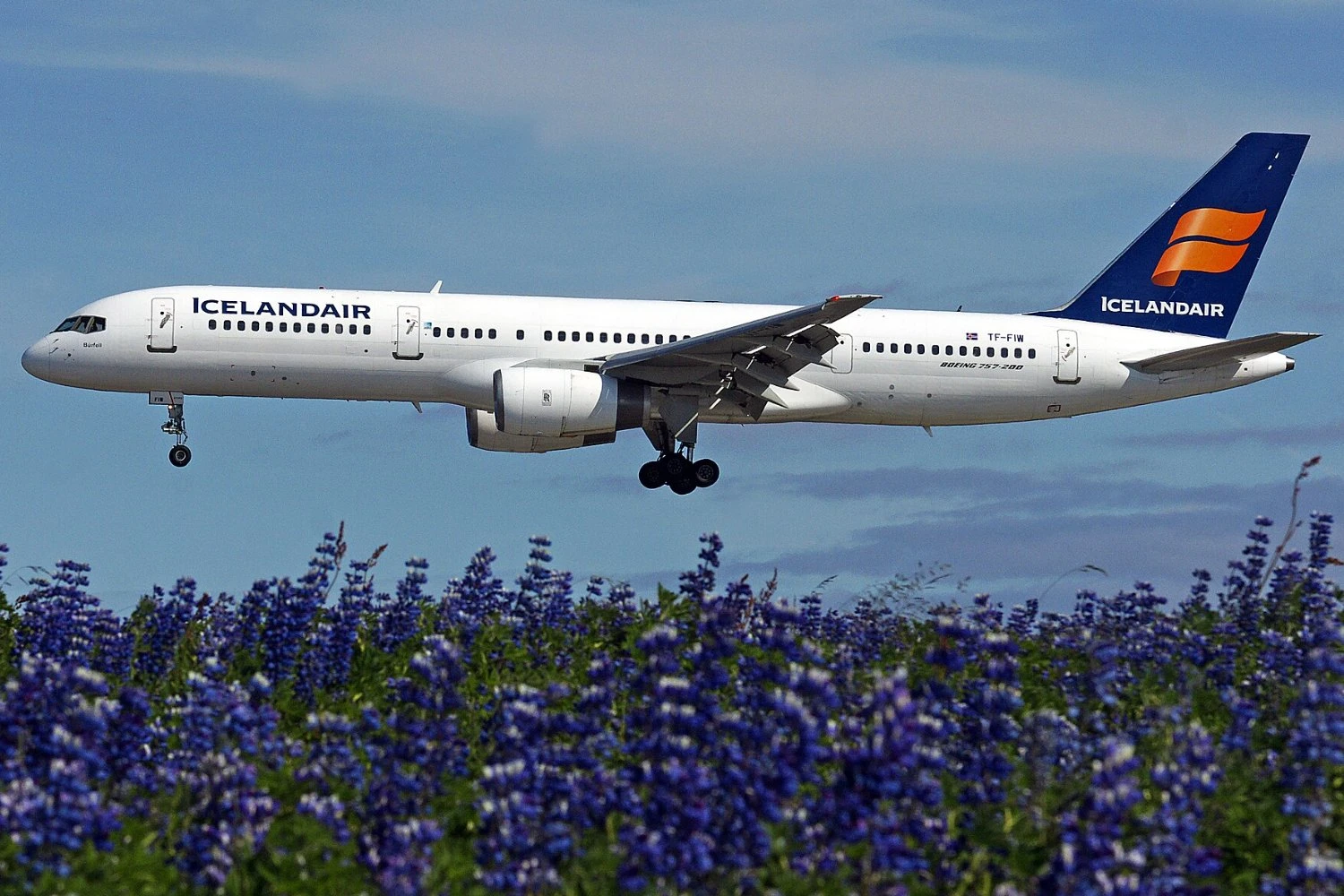
At its peak in 2018, Icelandair operated 26 757s on its international network, alongside four 767s. The fleet has since undergone a major transformation. For the 2026 high season, the airline planned to operate only five 757s and two 767s, compared with 21 Boeing 737 MAX aircraft and seven Airbus A321LRs.
The rare 757-300 has already disappeared from the fleet. Icelandair operated two examples of the stretched variant, both of which eventually moved to Uzbekistan's Fly Khiva.
737 MAX takes larger role
Although the A321LR is the direct replacement for many missions previously assigned to the 757, Boeing still accounts for most of Icelandair's new-generation international fleet.
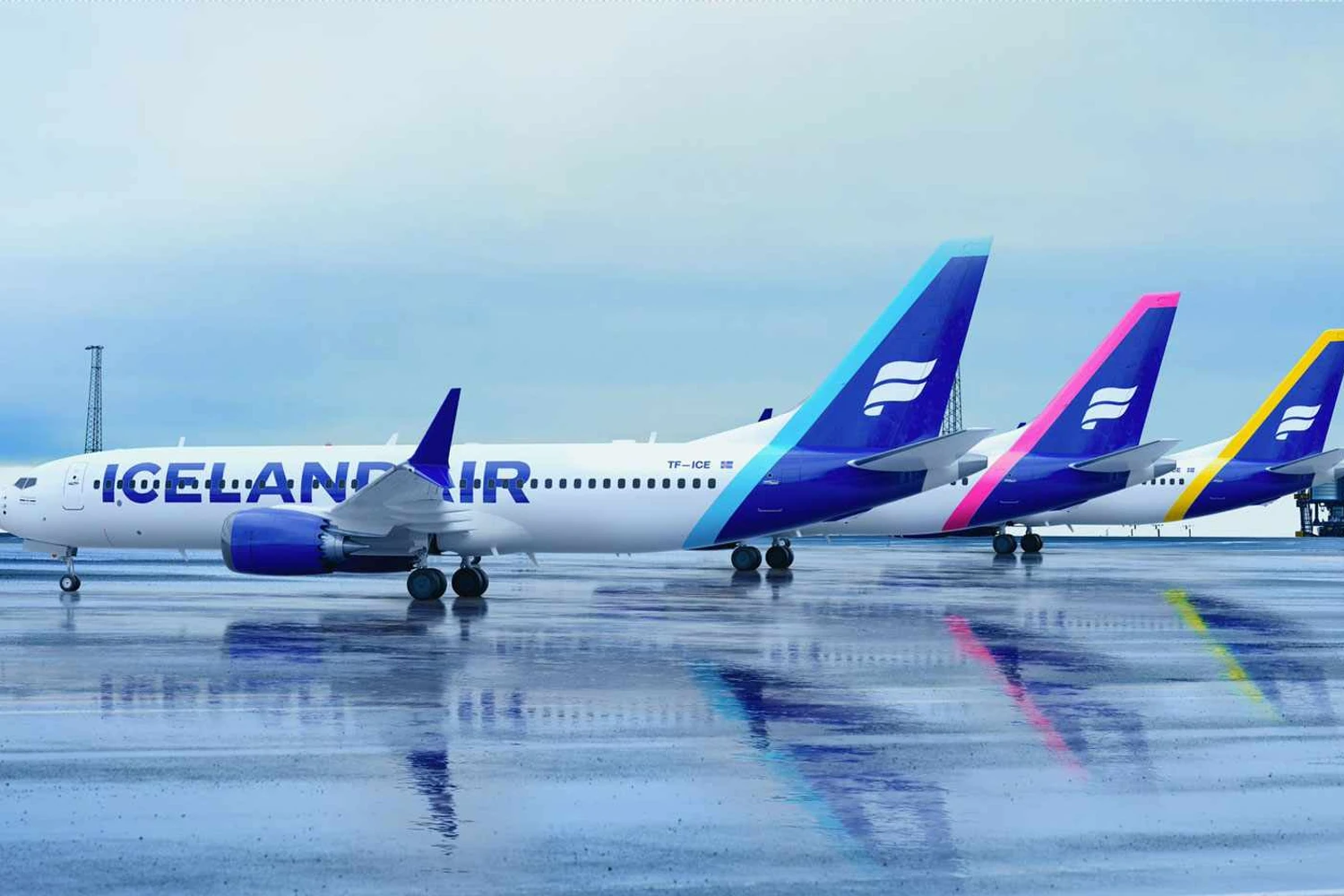
The carrier operates 21 737 MAX aircraft, comprising 17 MAX 8s and four MAX 9s. The type began joining the fleet in 2018 and has gradually taken over routes previously flown by the 757.
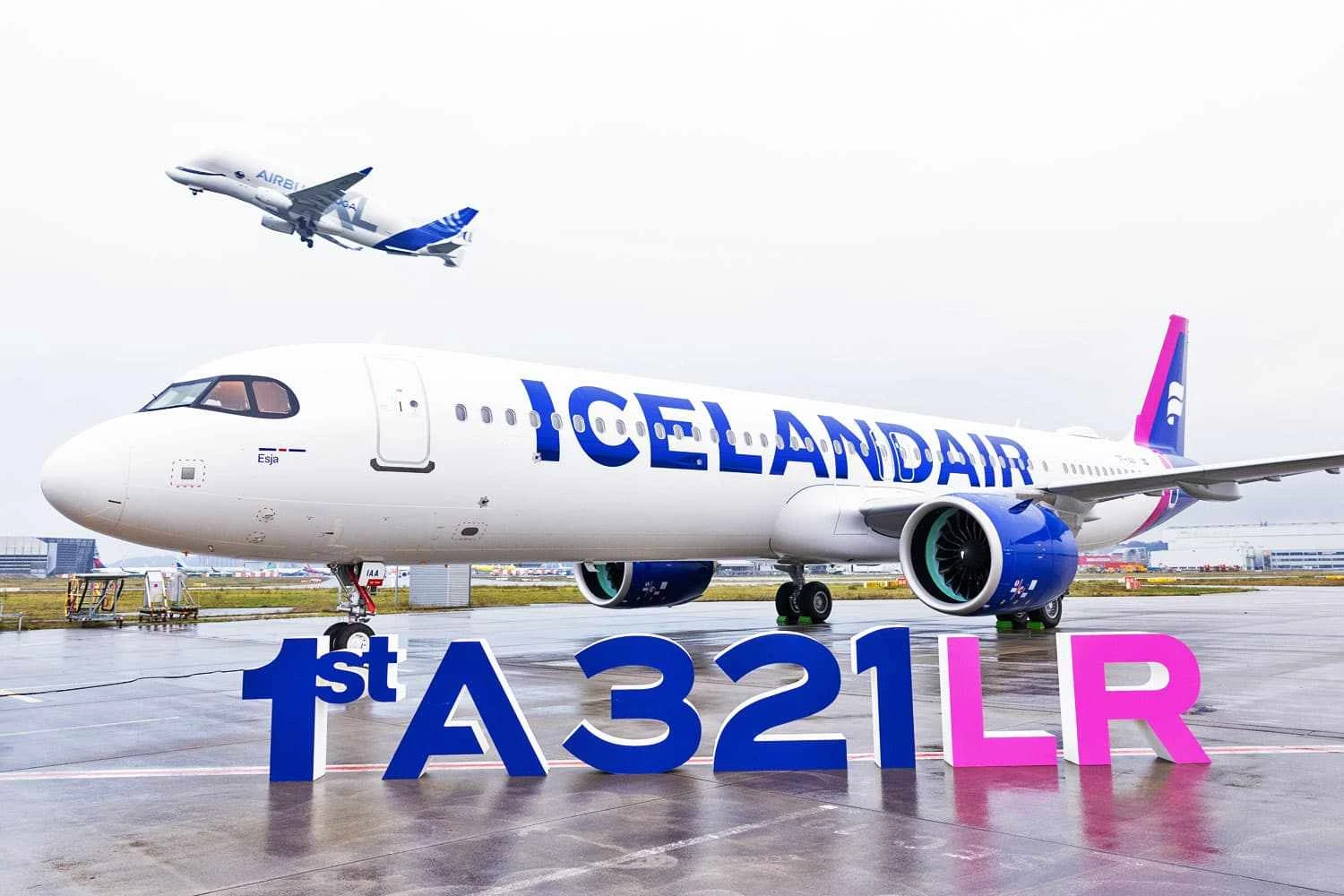
The Airbus transition started much later. Icelandair received its first A321LR in December 2024 and currently operates six aircraft, with three more scheduled to join the fleet. The type has 187 seats and a range of 4,000 nautical miles (7,400 km), allowing it to serve longer transatlantic routes previously dependent on the 757.
Icelandair is also introducing used A320neo aircraft as an intermediate step in its fleet renewal. Ten are due to enter service through 2028, including four scheduled for 2027.
A further change will begin in 2029, when Icelandair expects to receive the first of 13 A321XLRs ordered directly from Airbus. The longer-range variant will expand the number of North American destinations that can be served by a single-aisle aircraft.
The retirement will not eliminate older Boeing widebodies entirely from Icelandair Group. The January deadline applies to passenger operations, while a 767-300 converted freighter remains in the group's cargo fleet.