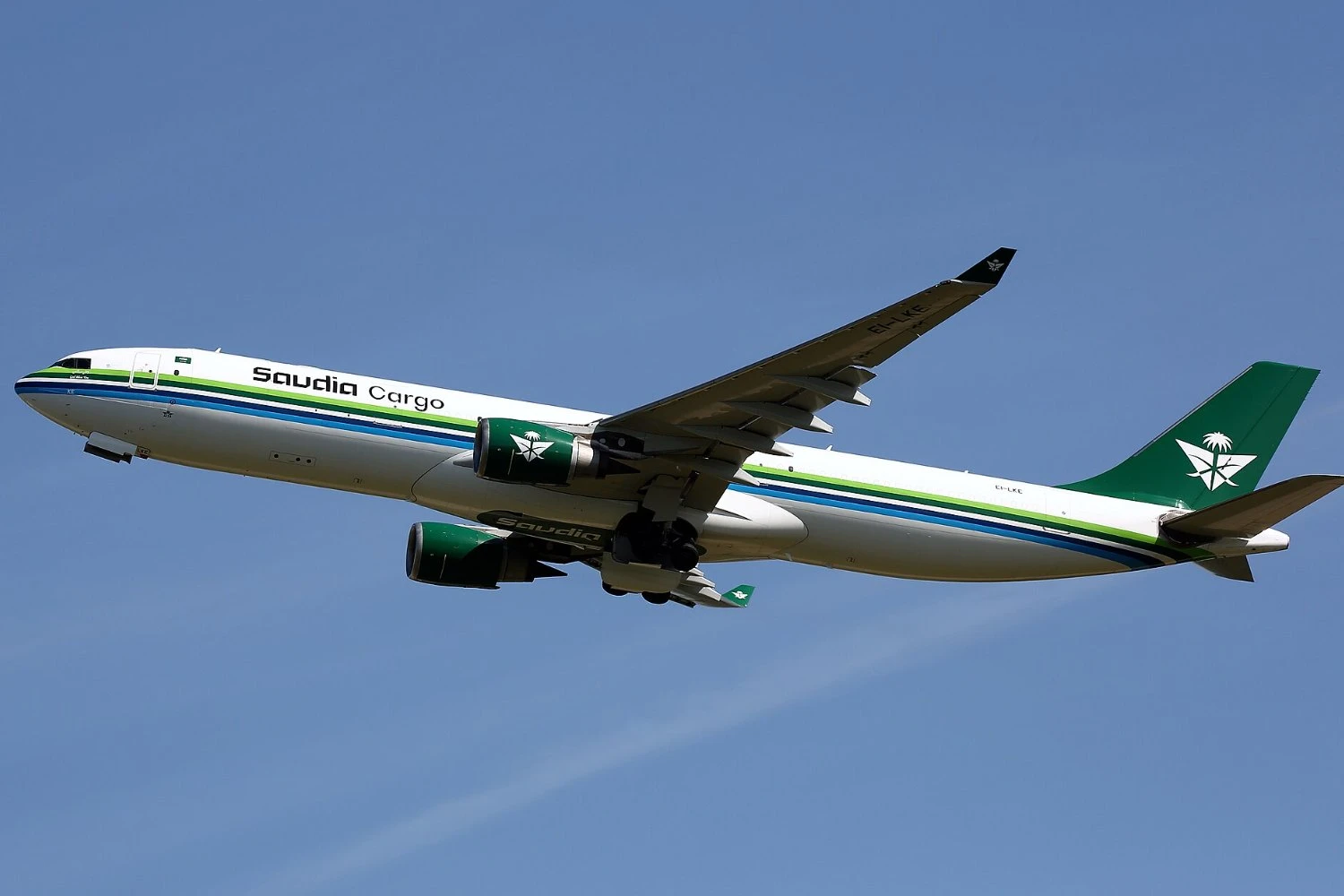
The global fleet of dedicated freighter aircraft will grow by 46% over the next two decades, according to Airbus, with demand for 2,670 aircraft through 2045 as operators expand their fleets and replace older models.
Airbus' 2026 Cargo Global Market Forecast (CGMF), presented at the Cargo Facts Symposium, projects the worldwide freighter fleet will increase from 2,360 aircraft in 2026 to 3,460 in 2045.
Fleet replacement will account for most of the demand. Airbus expects 1,580 aircraft to replace existing freighters and another 1,090 to support growth.
Conversions will continue to represent the majority of aircraft entering the cargo market. Of the 2,670 freighters required over the period, Airbus expects 1,700 to come from passenger-to-freighter conversions and 970 to be newly built cargo aircraft.
Follow Air Data News: WhatsApp | Instagram | LinkedIn | Twitter | Facebook
Single-aisle aircraft will represent the largest segment, with demand for 1,140 freighters. Airbus projects another 860 deliveries in the mid-size widebody category and 670 large widebody freighters.
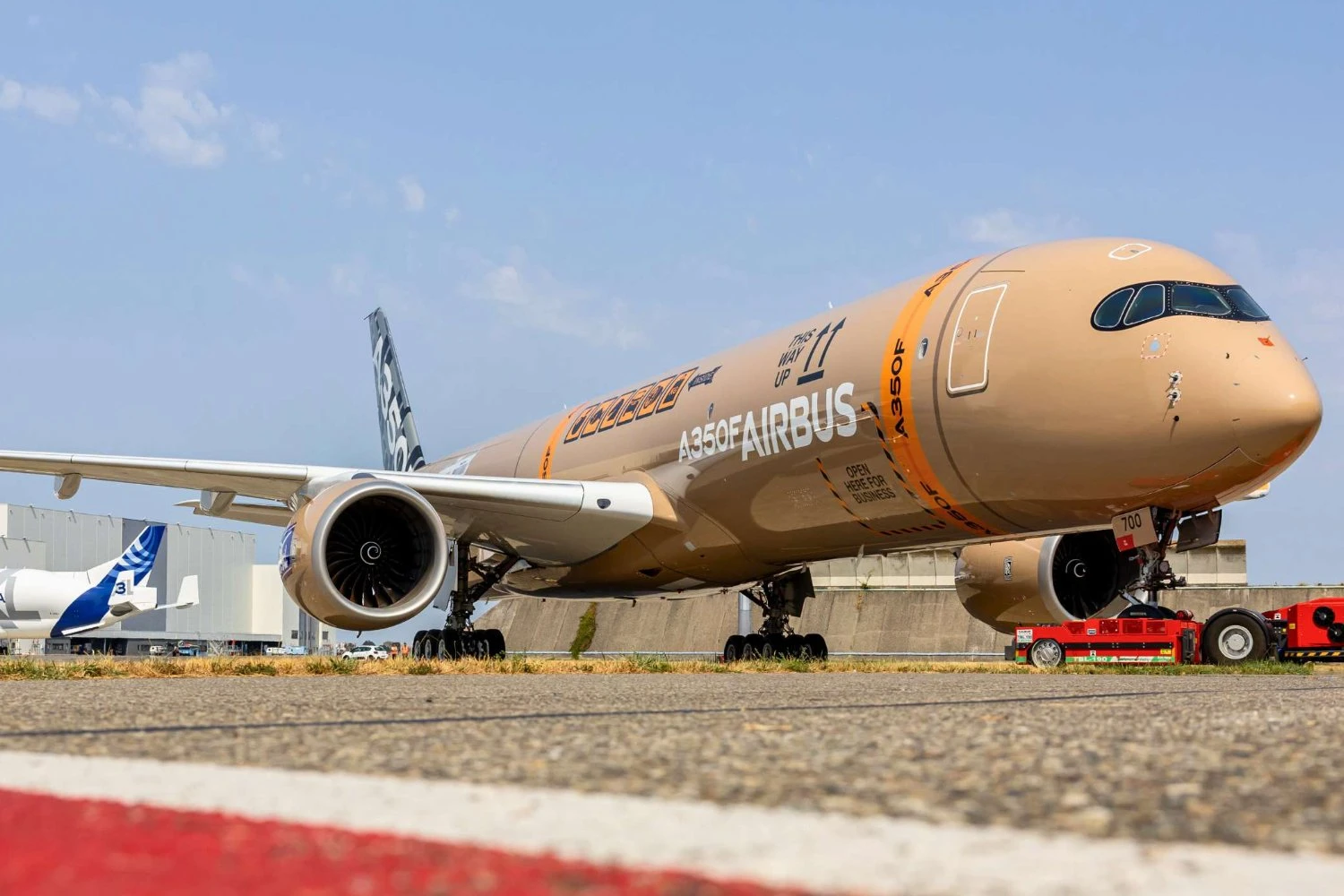
The latter segment includes the A350F, Airbus' new-build freighter currently under development. The manufacturer is positioning the aircraft for major intercontinental cargo routes, particularly those connecting Asia-Pacific with North America and Europe.
Air cargo traffic to grow 3.2% annually through 2045
Air cargo traffic is expected to increase by an average of 3.2% annually through 2045, slightly above the 2.9% annual growth Airbus projects for global trade. The manufacturer cited e-commerce, high-technology products and the use of air freight as an alternative to maritime transport among the factors supporting demand.
Airbus estimates that air cargo carries more than 30% of global trade by value despite accounting for less than 1% by weight. Computers and other high-technology products have also increased their presence in the sector, doubling in value over the past three years to account for 15% of air cargo in 2026.
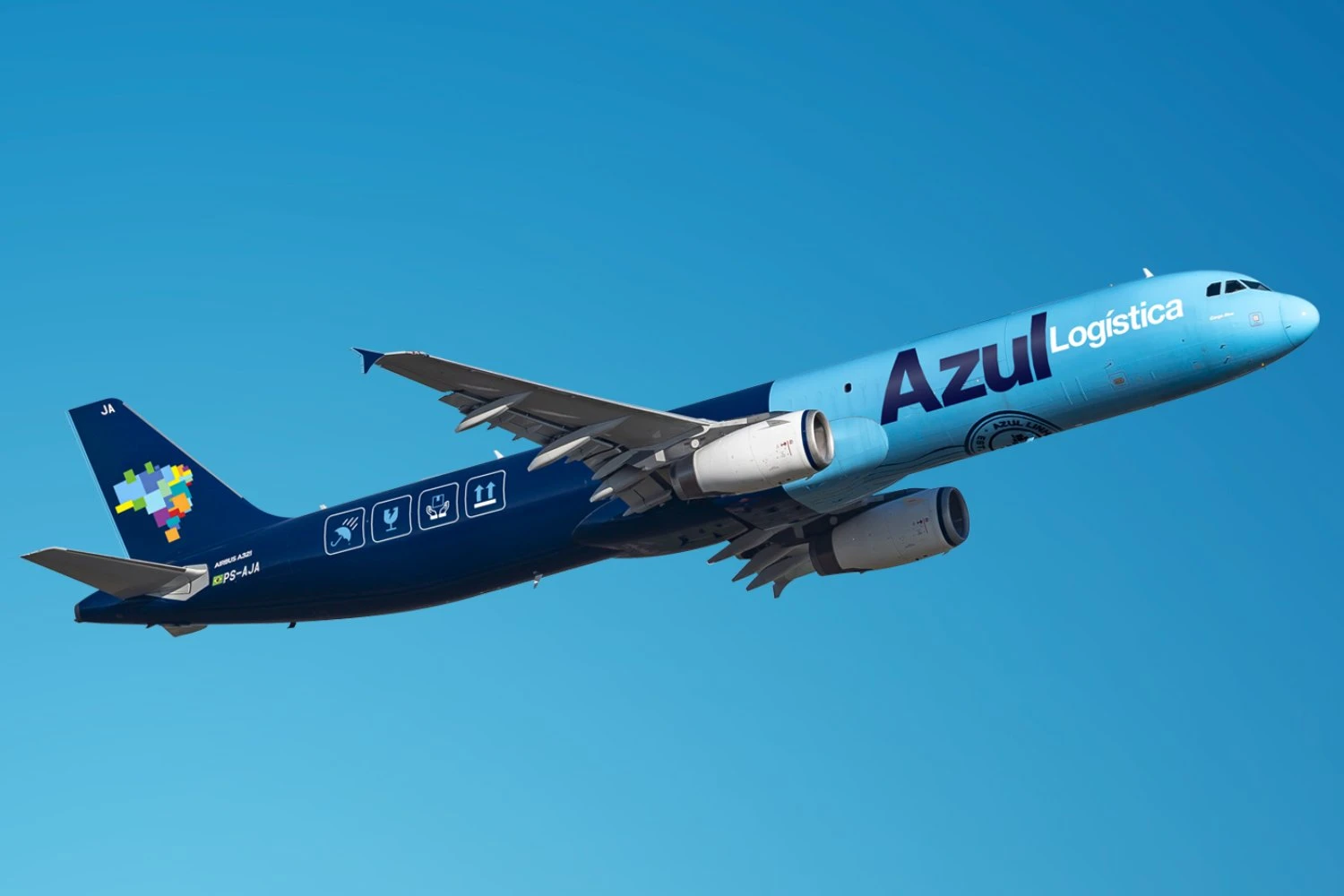
North America is expected to require 925 freighters through 2045, the largest regional total, followed by Asia-Pacific with 850. Combined, the two regions will account for about two-thirds of projected worldwide demand.
Europe and the Commonwealth of Independent States are expected to require 515 aircraft, followed by Latin America with 165, the Middle East with 125 and Africa with 90.
Asia-Pacific will remain the largest region for international air cargo traffic. Routes connecting the region with North America are expected to grow by an average of 3.8% per year, followed by links between Asia-Pacific and Europe.