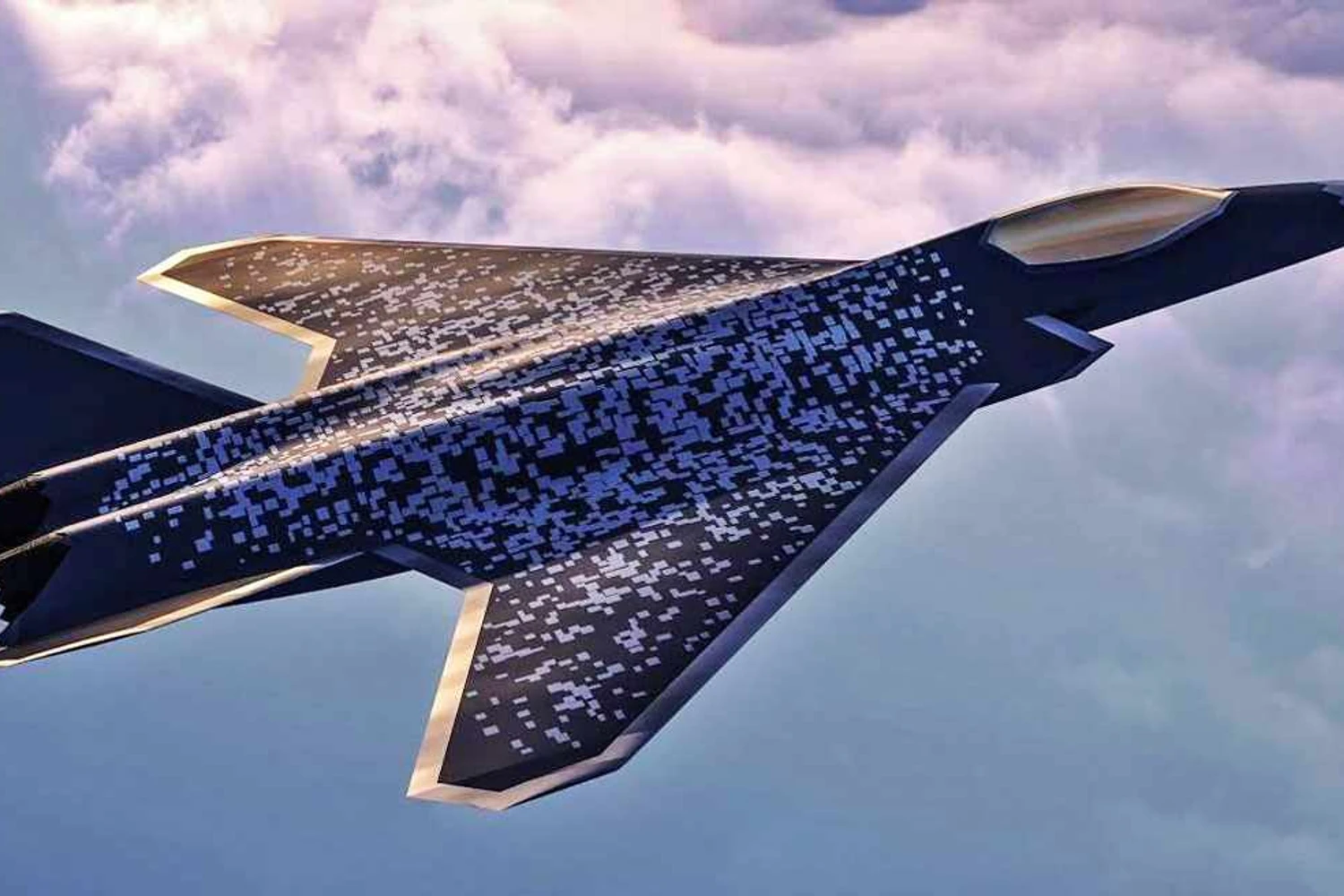
The decision by France and Germany to abandon development of a joint next-generation fighter aircraft brings an end to one of Europe’s most ambitious defense programs after nearly a decade of negotiations.
Launched in 2017 by French President Emmanuel Macron and German Chancellor Angela Merkel, the Future Combat Air System (FCAS) was intended to deliver a sixth-generation combat aircraft supported by drones, advanced sensors and a secure digital network known as a combat cloud.
Related news
Instead, the project became increasingly mired in industrial disputes, political disagreements and diverging military priorities.
At the center of the conflict was the relationship between Dassault Aviation and Airbus, the two companies leading the fighter’s development. Dassault, builder of the Rafale fighter, insisted on maintaining overall authority over the aircraft’s design, arguing that it possessed the expertise required to lead the program. Airbus, representing German and Spanish interests, sought a larger role and greater access to intellectual property.
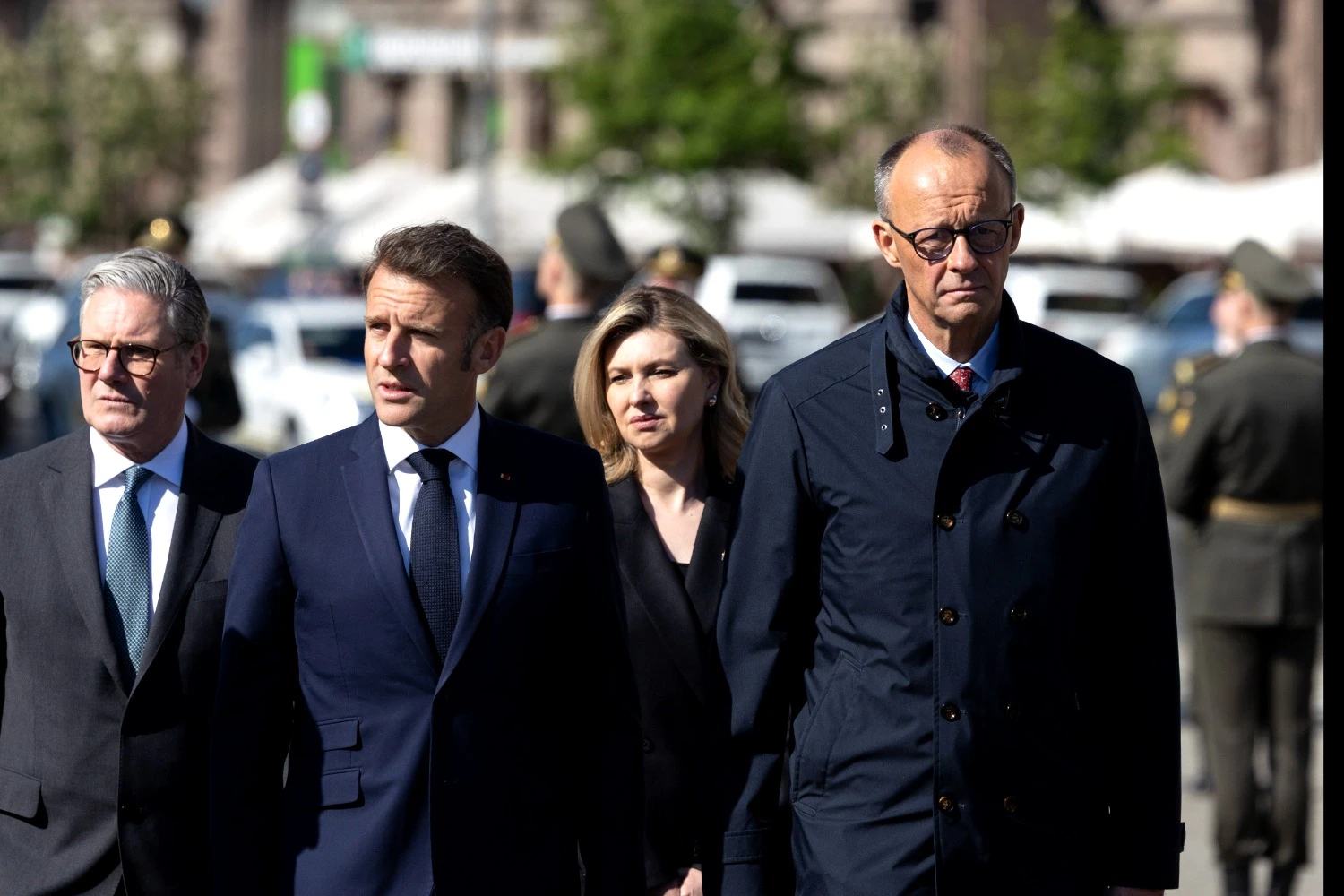
The dispute echoed events from the 1980s, when France withdrew from the multinational fighter program that eventually produced the Eurofighter Typhoon. Paris instead pursued the Rafale independently after disagreements over design requirements and industrial control.
The FCAS program also suffered from a more fundamental problem: France and Germany wanted different aircraft.
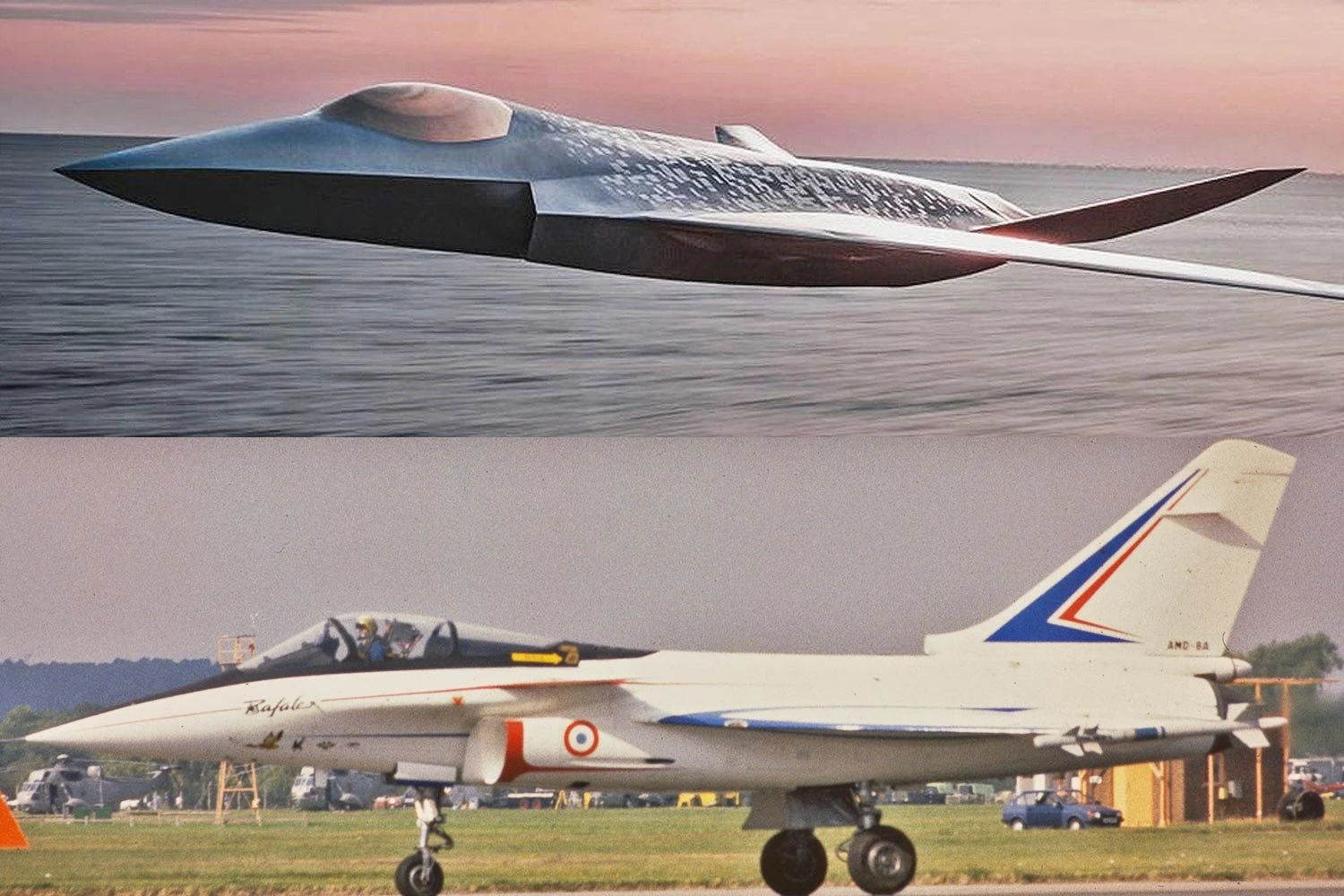
French military planners favored a relatively compact fighter capable of operating from the aircraft carrier Charles de Gaulle and its future replacement. Germany, meanwhile, sought a larger aircraft optimized for long-range air superiority missions and integration with NATO operations.
Those differences became more pronounced after Russia’s invasion of Ukraine in 2022.
Rapid advances in drones
The war triggered a major shift in German defense policy, ending decades of restrained military spending. Berlin launched a large rearmament effort and became less willing to compromise on military requirements or industrial participation.
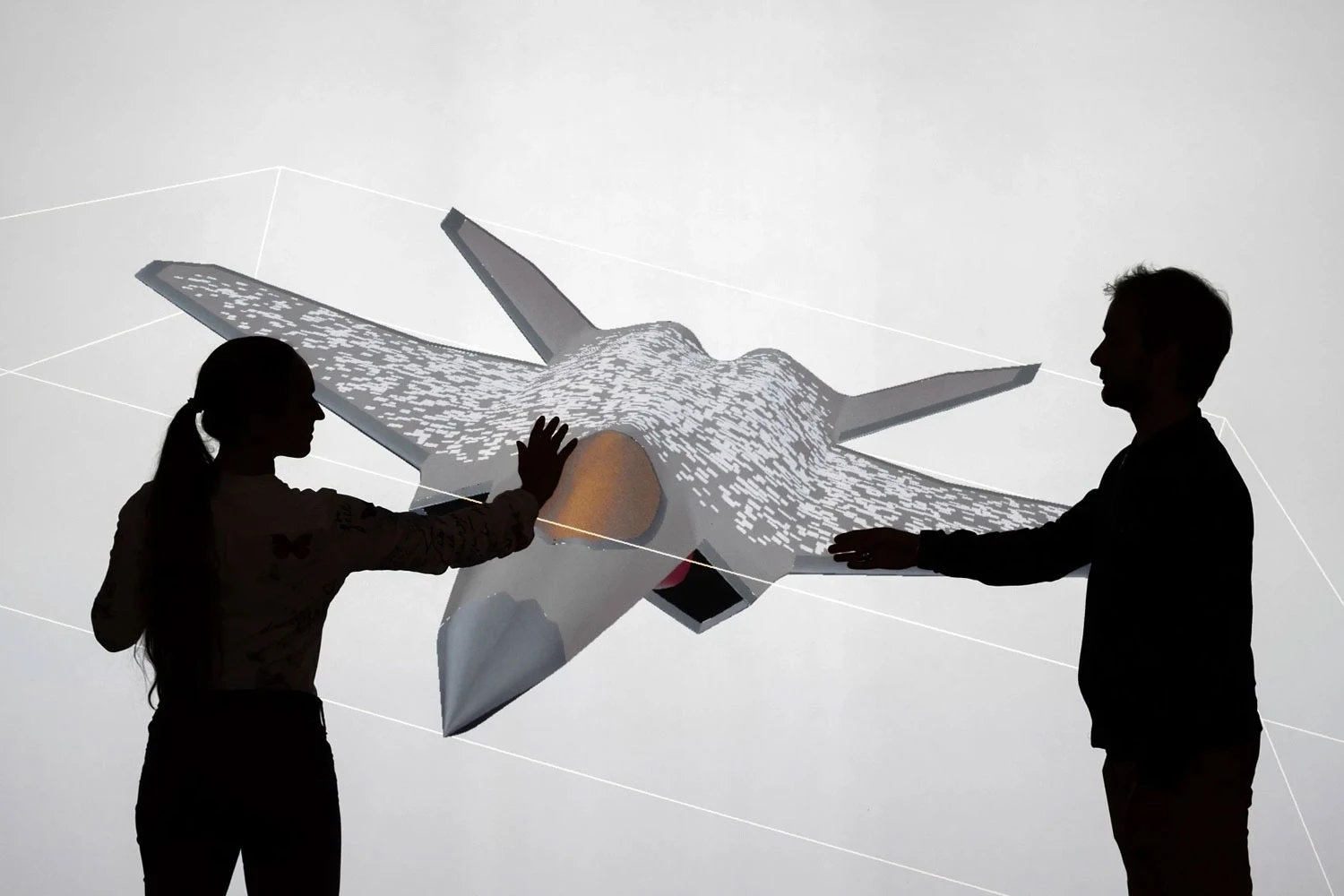
At the same time, rapid advances in drones, artificial intelligence and autonomous systems raised questions about the role of manned fighters in future conflicts. German Chancellor Friedrich Merz publicly questioned whether developing a crewed sixth-generation fighter still made sense given the costs and timelines involved.
While the fighter aircraft appears to have been abandoned, some elements of FCAS may survive. Reports suggest that technologies such as the combat cloud, sensors and unmanned systems could continue under separate development efforts.
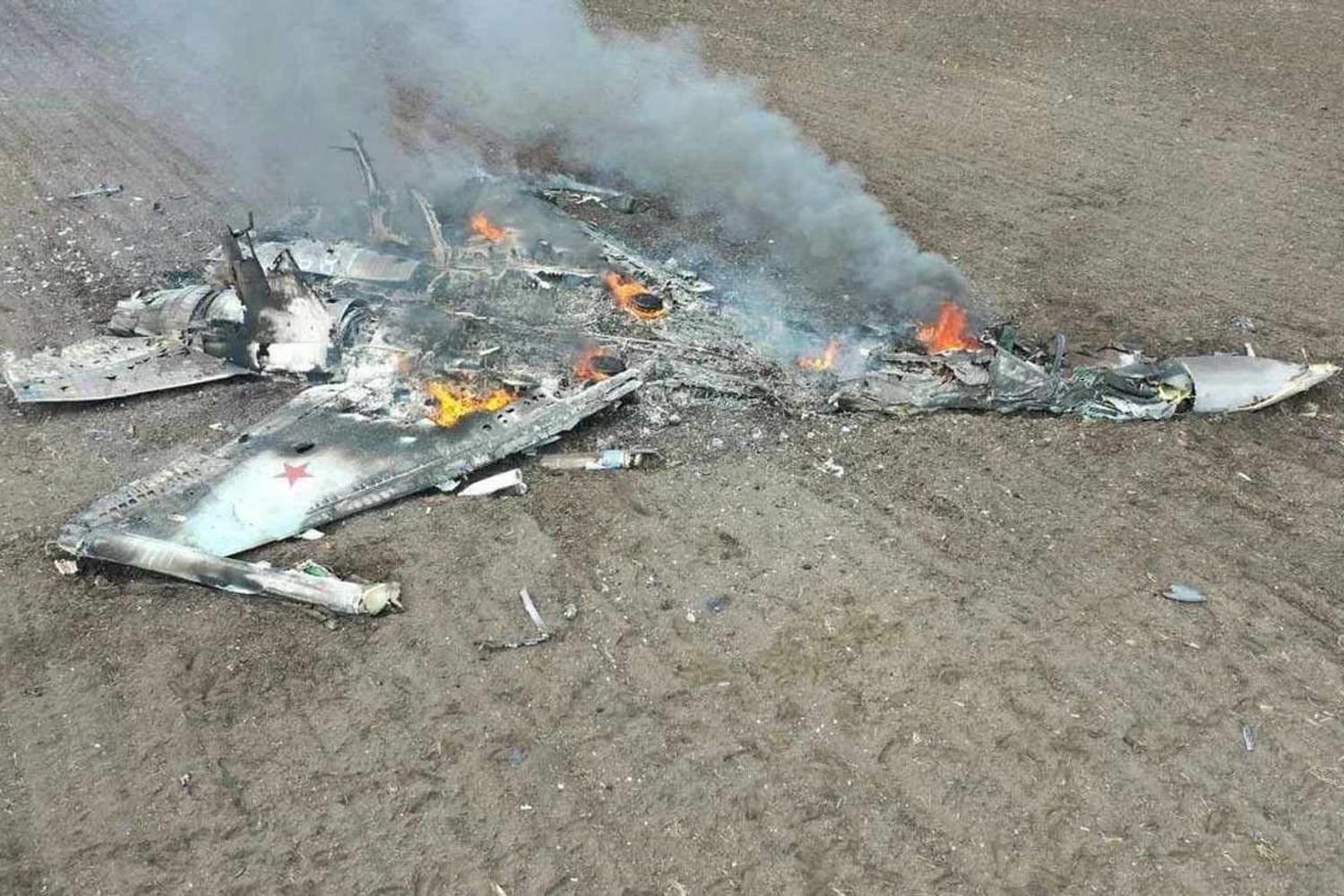
The collapse of the fighter program leaves Europe without a unified sixth-generation combat aircraft project. The United Kingdom, Italy and Japan are continuing work on the Global Combat Air Programme (GCAP), which aims to field a new fighter during the 2030s.
For Europe, the end of FCAS confirms the difficulty of balancing national military requirements with multinational industrial cooperation, even at a time when governments are increasing defense spending and facing growing security challenges.