 Defense
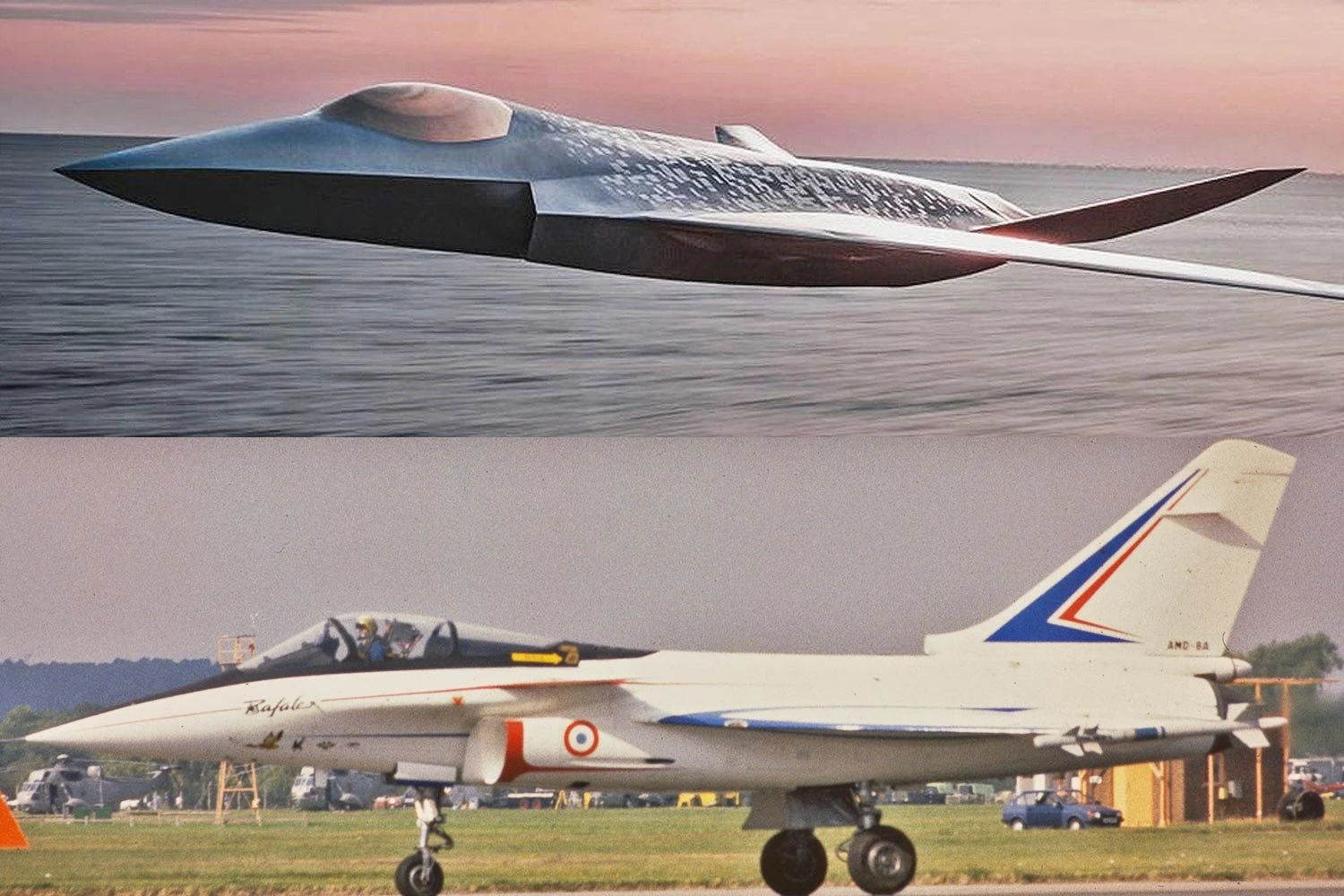
Tensions between Dassault Aviation and Airbus over the Future Combat Air System (FCAS) are reviving a familiar pattern in European fighter development: disagreements over leadership and design priorities similar to those that fractured a joint European program four decades ago and ultimately produced the Rafale.
Dassault CEO Eric Trappier warned this week that the FCAS program could collapse if Airbus does not accept clearer leadership arrangements for the core fighter aircraft, according to Reuters. The dispute centers on industrial control of the manned fighter element of the project, which is intended to anchor a wider network of drones and digital combat systems.
“Airbus doesn’t want to work with Dassault, full stop. I take note,” Trappier said at a press conference, criticizing what he described as Airbus’ unwillingness to cooperate under the proposed structure.
FCAS, launched in 2017 by France and Germany and later joined by Spain, is intended to produce a sixth-generation combat system to replace aircraft such as the Rafale and Eurofighter Typhoon beginning in the 2040s. The program includes a crewed fighter aircraft, remote carrier drones and a digital combat cloud connecting the different elements.
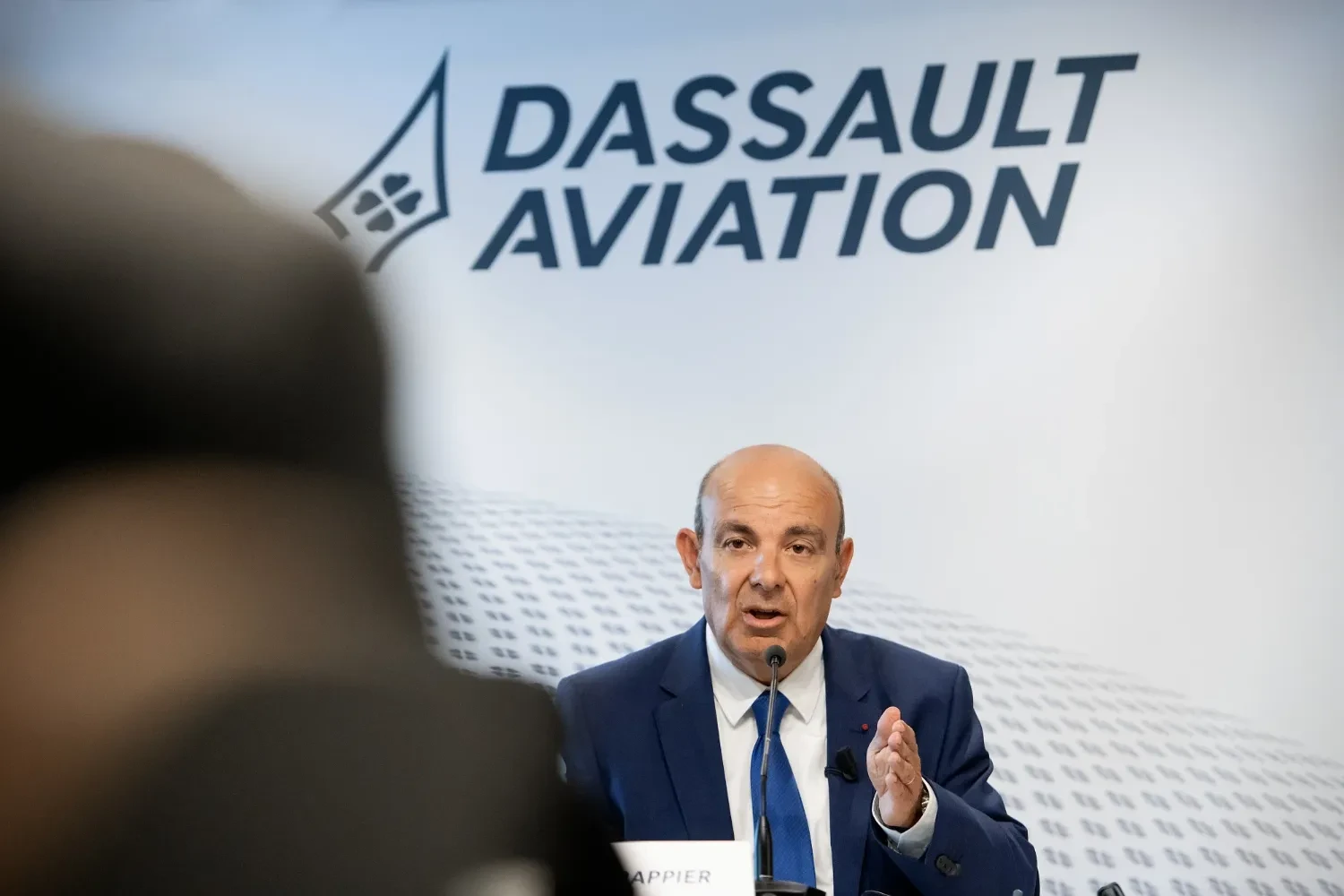
The current disagreement revolves around leadership of the core fighter. Dassault argues that the prime contractor must have full authority over design decisions and supplier selection, while Airbus favors a more distributed industrial structure similar to previous multinational European programs.
Trappier said he had proposed a structure that would confirm Dassault’s leadership of the fighter while allowing Airbus to manage its own share of the program. He also criticized what he described as attempts by German industry groups and unions to challenge Dassault’s role indirectly.
“I have said from the start that I want clear leadership and not just on paper,” he said.
The dispute has fueled speculation that the program could split into separate national efforts. Trappier said Dassault could develop a standalone fighter for less than €50 billion if necessary, pointing to the company’s experience running independent combat aircraft programs.
Rafale versus Eurofighter
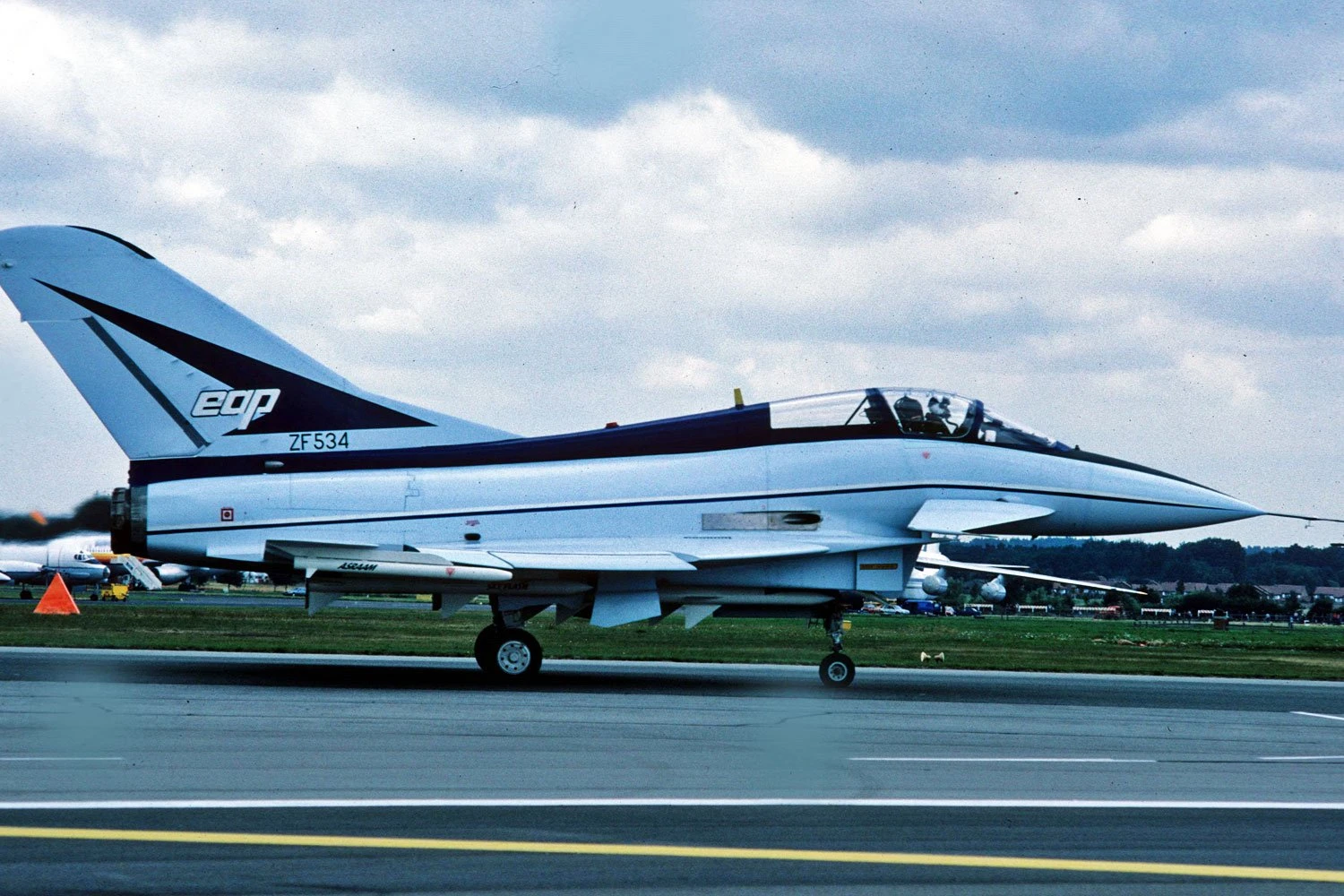
The situation mirrors earlier disagreements in Europe during the late 1970s and early 1980s, when several countries attempted to develop a common fighter aircraft. Dassault initially joined a multinational effort known as the European Collaborative Fighter, later renamed the European Combat Aircraft project.
However, the partnership collapsed in 1981 amid conflicting operational requirements between the participating countries. France favored a lighter multirole aircraft capable of operating from both land bases and aircraft carriers, while the United Kingdom and its partners prioritized a heavier long-range interceptor.
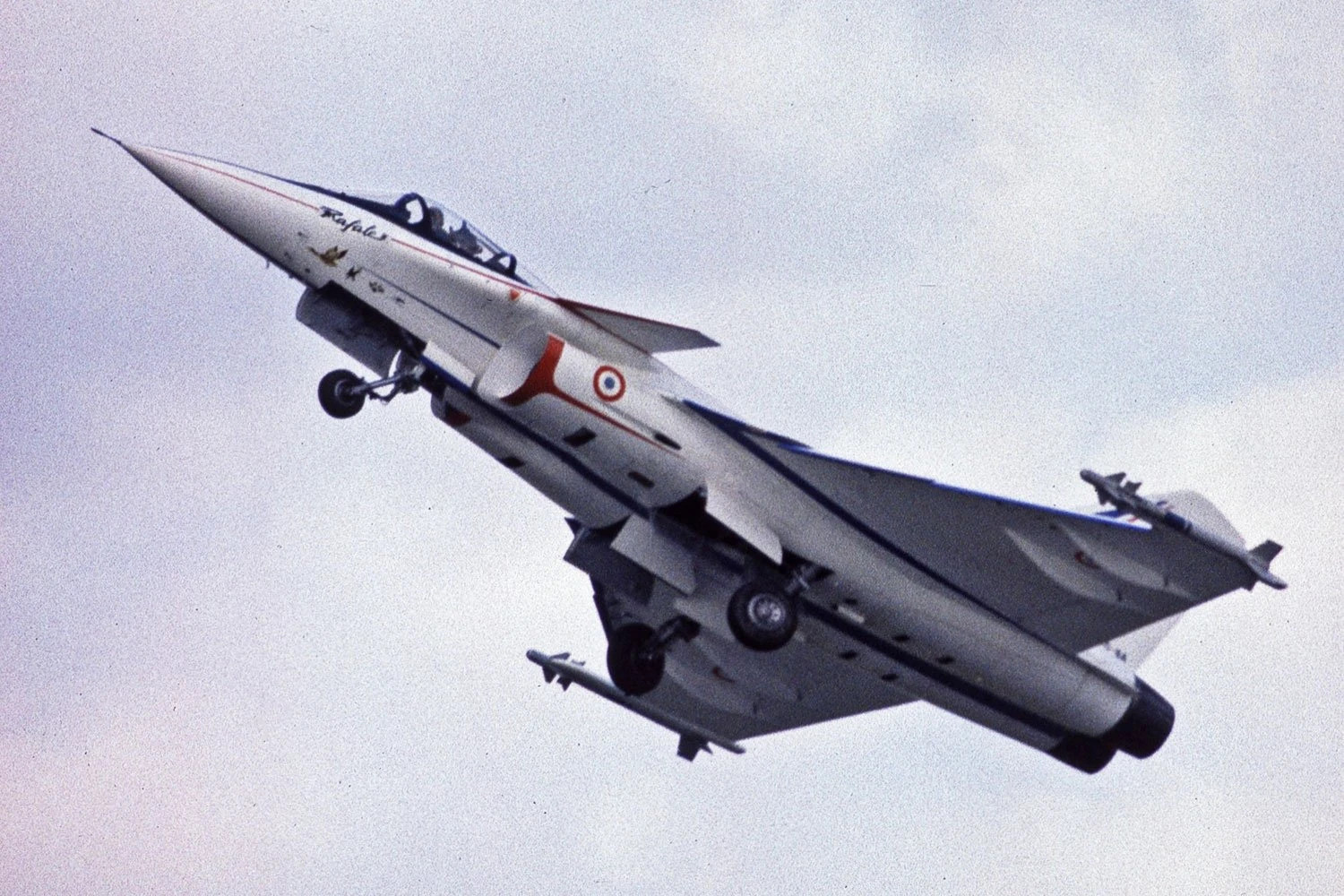
A second attempt at cooperation followed in 1983 under the Future European Fighter Aircraft (FEFA) program, bringing together France, West Germany, the United Kingdom, Italy and Spain. But disagreements persisted, particularly over industrial leadership and aircraft design.
France ultimately withdrew from the project in 1985 to preserve the independence of its fighter aircraft industry. The remaining partners continued development of what became the Eurofighter Typhoon, while France launched its own national program that resulted in the Dassault Rafale.
The Rafale was designed as a multirole aircraft capable of replacing several different types in French service, including both air force and naval fighters. Unlike the Eurofighter, which was developed through a multinational consortium, Rafale was built entirely within France’s domestic aerospace industry.