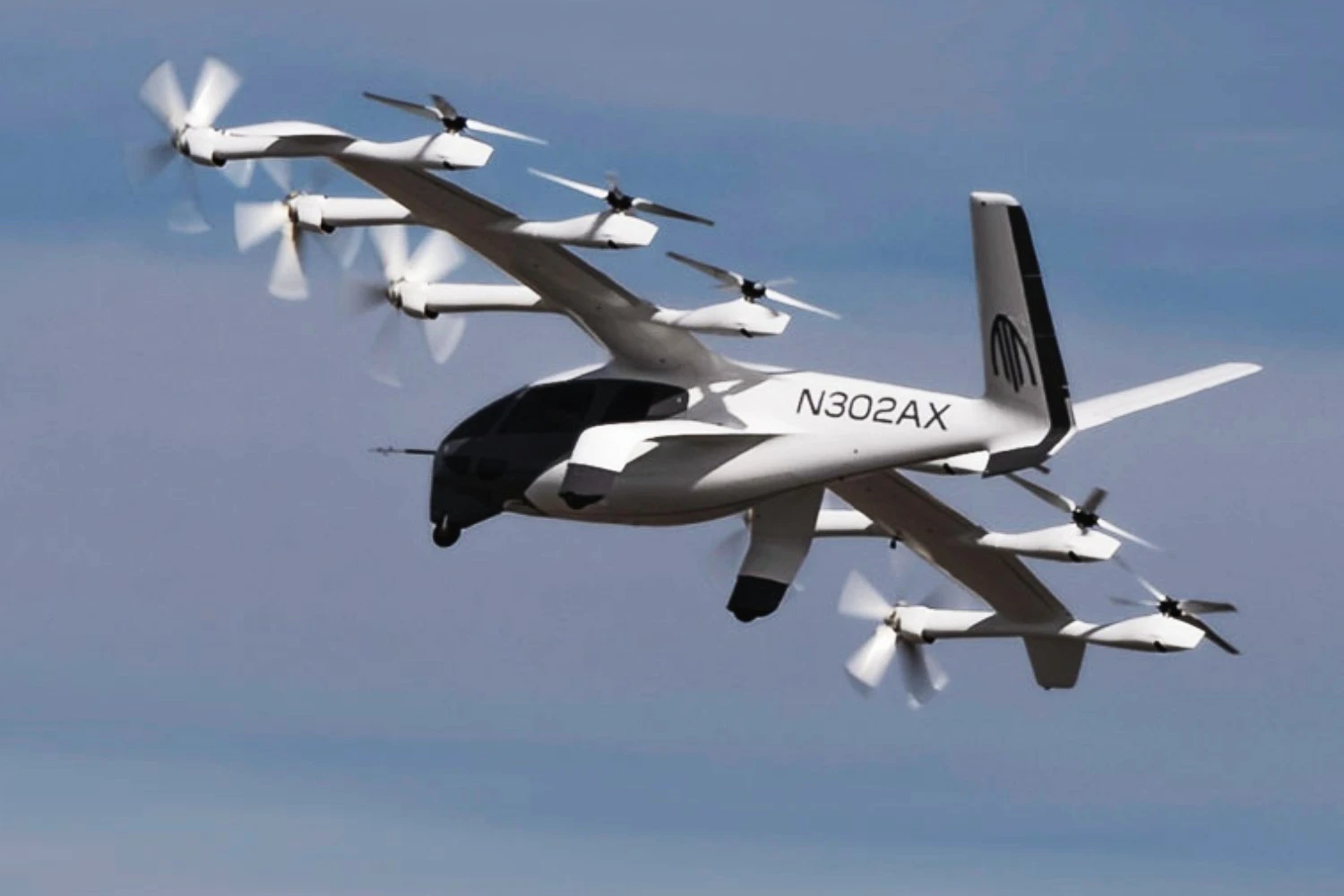
Archer Aviation drew attention on Monday after Boeing announced an agreement to sell three of its subsidiaries to the California-based company: autonomous eVTOL developer Wisk Aero, military drone manufacturer Insitu and airspace management software company SkyGrid.
The transaction raises an obvious question: who is Archer, a company founded only eight years ago that is now taking control of businesses that have spent years or even decades under Boeing?
Related news
September 21, 2026
September 21, 2026
Archer is one of the best-funded survivors of the eVTOL boom that emerged around the beginning of the decade. It was created in 2018 to develop electric aircraft for short urban trips and quickly attracted investors and large industrial partners. Its main aircraft, Midnight, however, is still undergoing certification and has yet to enter regular commercial service.
Two tech entrepreneurs enter aviation
Archer was founded in California in October 2018 by Adam Goldstein and Brett Adcock. Neither had a background in aircraft manufacturing.
The two entrepreneurs had previously founded Vettery, an online recruitment platform that was acquired by Adecco. They subsequently invested in Archer and recruited engineers from companies already working on electric aircraft, including Airbus' Vahana program and Wisk.

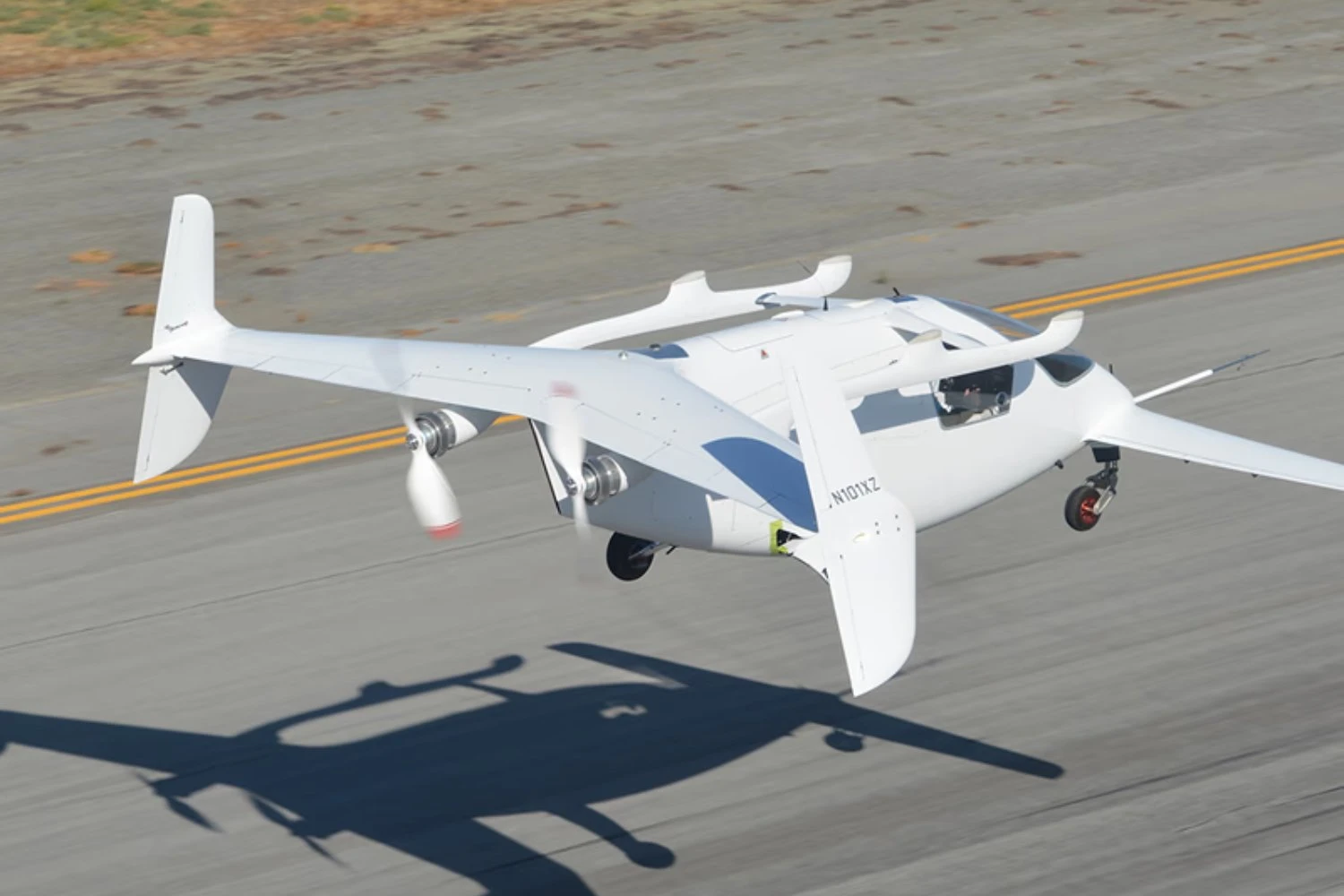
The company's first major aircraft was Maker, a two-seat demonstrator unveiled in 2021. It used 12 electric propellers mounted on a fixed wing and was intended primarily to validate the configuration Archer planned to use on its commercial aircraft.
Maker completed its first hover flight in December 2021 and its first complete transition from vertical to wing-borne flight in November 2022.
By then, Archer had unveiled Midnight.
The larger aircraft accommodates one pilot and four passengers and is intended mainly for short flights of around 20 miles (32 km). Midnight first flew in October 2023 and completed its first full transition in June 2024. Piloted flight testing followed.
United, Stellantis and ambitious promises
Archer's rise was unusually fast for an aircraft manufacturer.
In 2021, United Airlines announced an agreement covering up to 200 aircraft and later paid Archer $10 million as a pre-delivery payment. The companies even presented proposed air taxi routes linking Manhattan with Newark Airport and downtown Chicago with O'Hare.
Archer also developed a close relationship with Stellantis. What began as cooperation with Fiat Chrysler evolved into investment and industrial assistance, including the development of Archer's Midnight manufacturing operation in Georgia.
That same year, Archer went public through a merger with SPAC Atlas Crest Investment Corp.
Its early forecasts were aggressive. Archer expected to obtain FAA certification in 2024 and begin commercial operations shortly afterward. It also contemplated producing hundreds of aircraft annually by the middle of the decade.
Those targets were not met.
As of August 2026, Midnight remains without an FAA type certificate and production is still far from the volumes projected five years ago. The certification program has nevertheless advanced, and the FAA accepted all of Archer's proposed Means of Compliance earlier this year.
The company is also preparing limited operations under government programs in the United States and the United Arab Emirates while certification continues.
The company it once fought in court
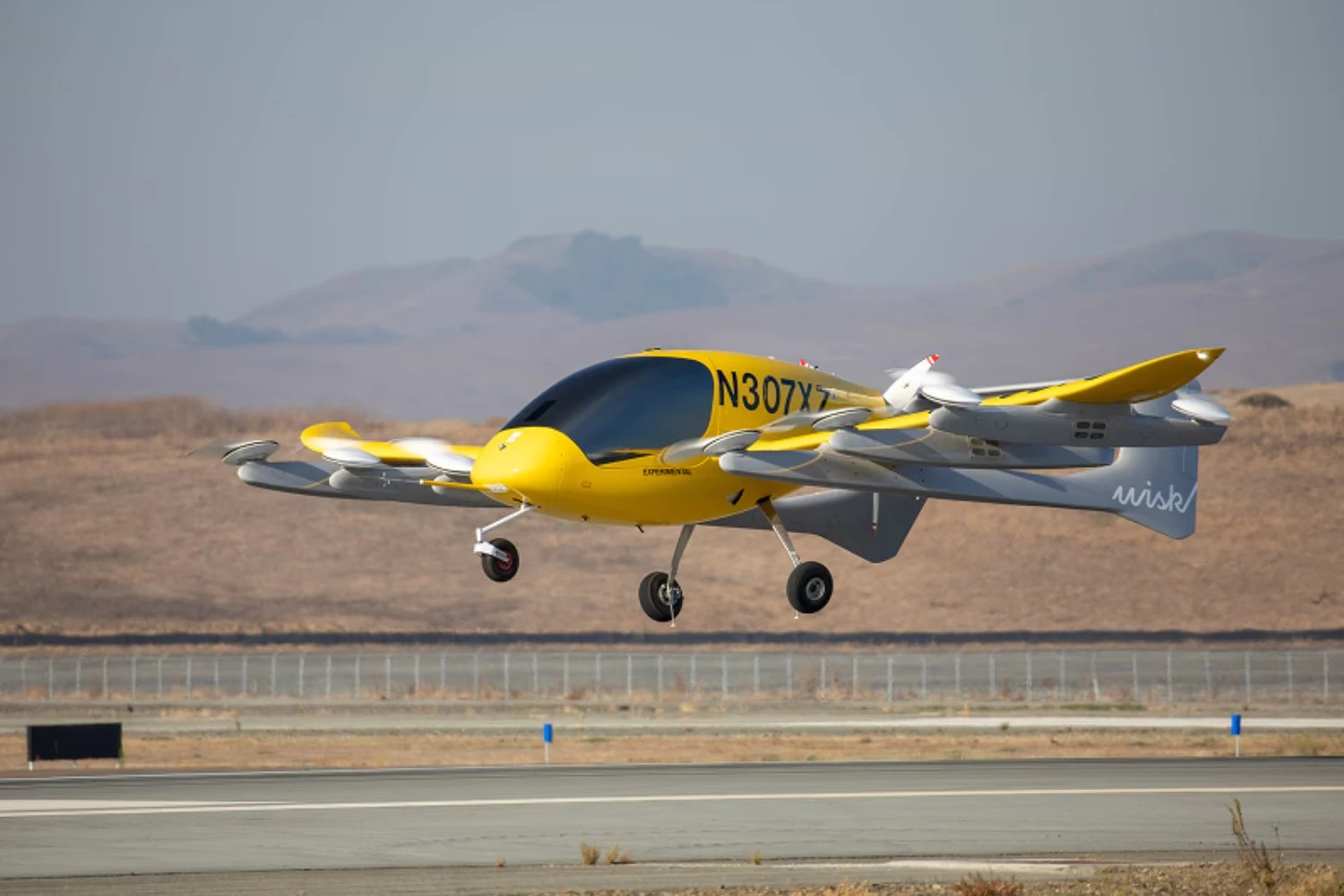
One of the most unusual chapters in Archer's short history involves Wisk, one of the three Boeing businesses it is now acquiring.
Wisk sued Archer in April 2021, accusing its new competitor of trade secret misappropriation and patent infringement. Several employees hired by Archer had previously worked for Wisk.
Archer denied the allegations and said its aircraft had been independently developed. A federal judge declined to issue the preliminary injunction sought by Wisk, and the litigation continued until August 2023, when Archer, Wisk and Boeing reached a settlement.
The settlement produced an unexpected relationship. Wisk and Archer agreed to cooperate on autonomous flight technology, and Boeing invested in Archer.
There was also a change at the top of the company. Adcock left the co-CEO position in 2022 and later departed Archer altogether. Goldstein became sole CEO and remains in charge today.
From electric air taxis to defense
Under Goldstein, Archer began moving into businesses beyond the Midnight program.
In 2025 and 2026, the company acquired technology and assets associated with other advanced air mobility developers, including Lilium and Overair, and expanded its facilities in California.
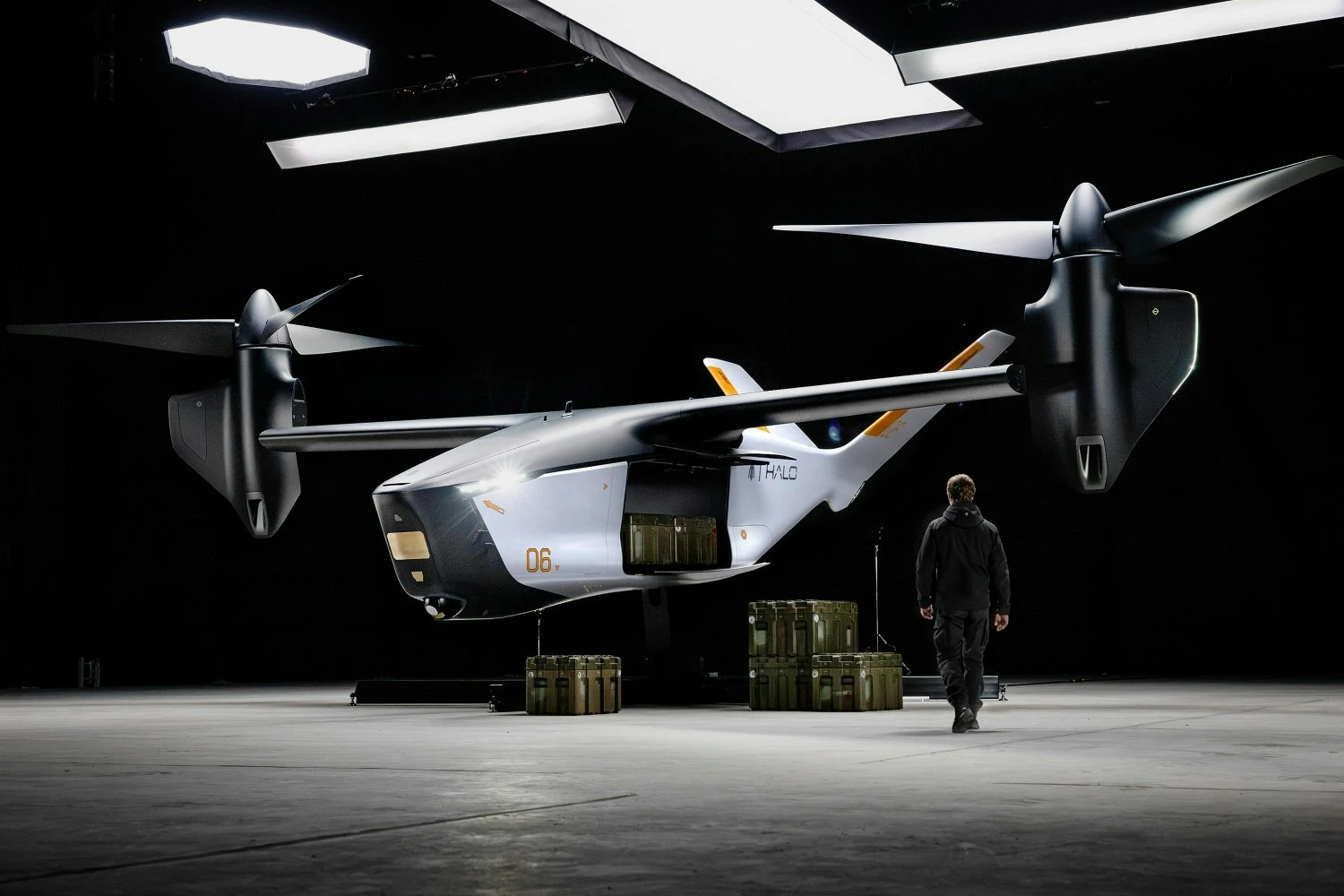
It also entered the defense sector through work with Anduril. At the Farnborough International Airshow in July 2026, the companies unveiled a hybrid VTOL platform being developed as Thunder for military applications and Halo for commercial missions.
Unlike the battery-electric Midnight, the new aircraft uses hybrid propulsion and is being developed for autonomous operations.
Archer has simultaneously moved into artificial intelligence with ZEE, a system intended to combine aircraft information with ADS-B traffic, weather, terrain, aeronautical charts and air traffic control communications.
The result is a company that increasingly bears little resemblance to the electric air taxi startup created in 2018.
And now, three Boeing businesses
The agreement announced on August 10 accelerates that transformation.
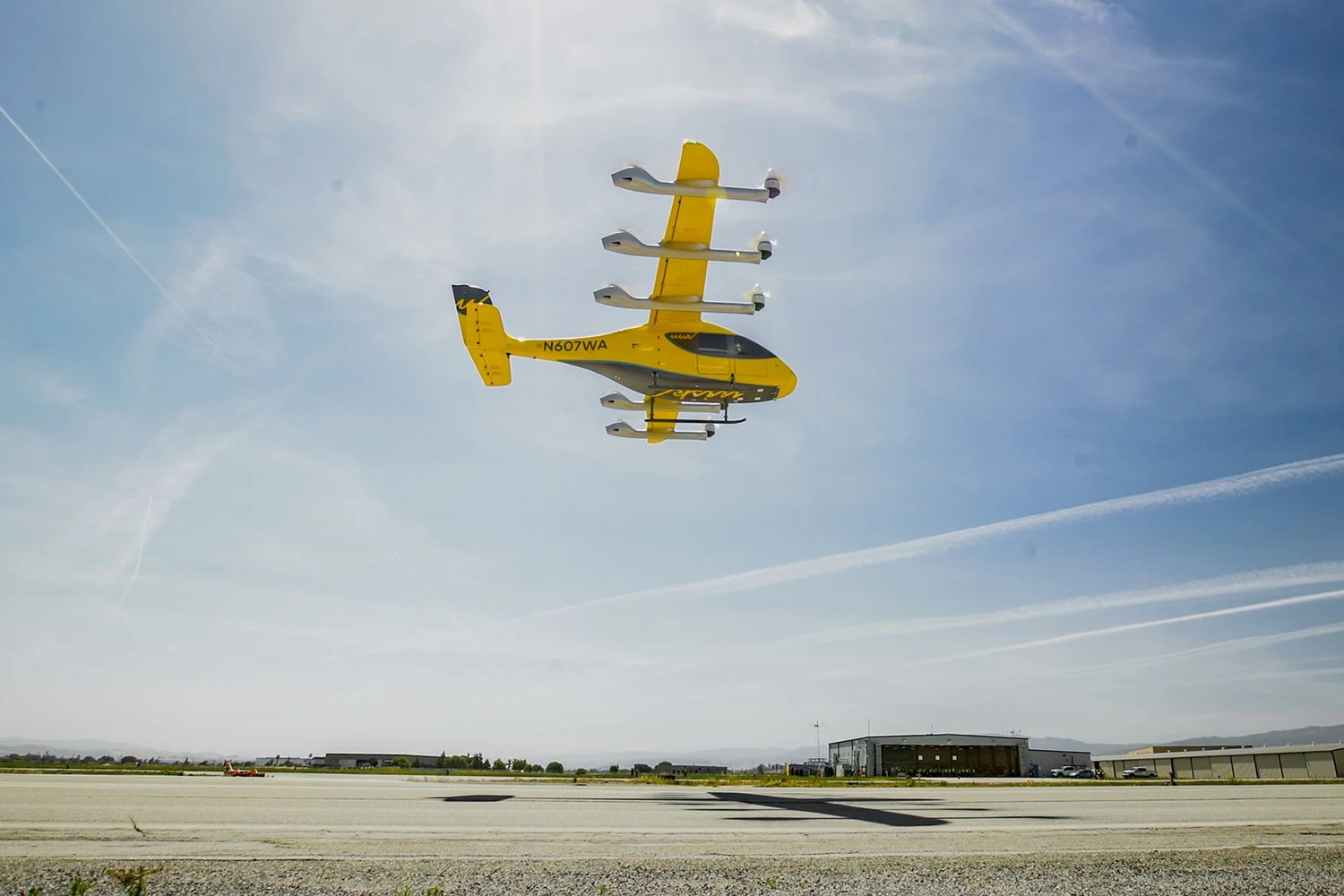
Archer will acquire Wisk, Insitu and SkyGrid. Wisk adds more than a decade of autonomous eVTOL development. SkyGrid develops software for autonomous aviation and airspace management.
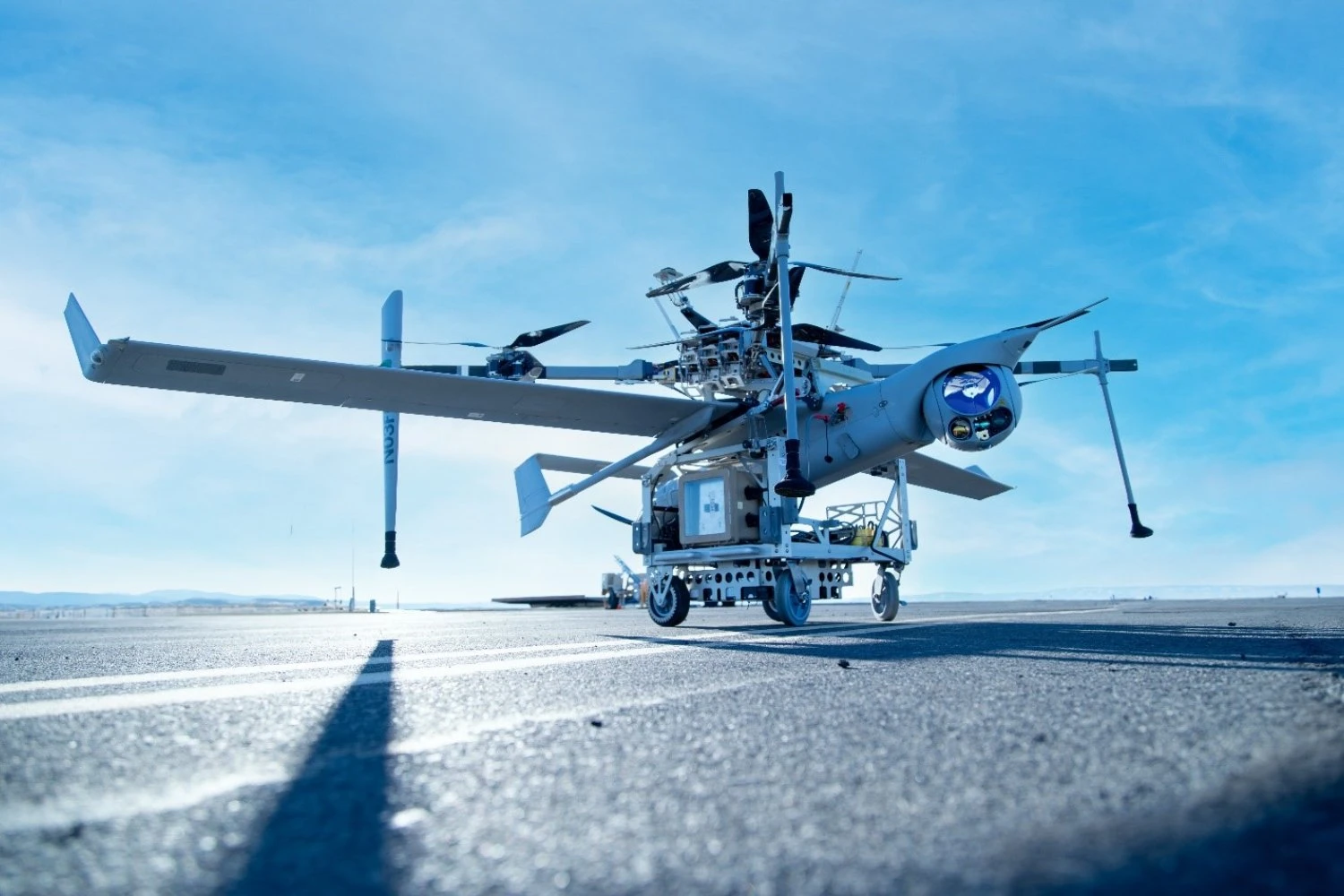
Insitu brings something substantially different: an established defense operation.
Founded in 1994 and acquired by Boeing in 2008, Insitu developed unmanned aircraft including ScanEagle and Integrator. More than 3,500 of its aircraft have been produced, and Boeing and Archer say the business generates more than $200 million in annual revenue.
Boeing will receive shares corresponding to approximately 19.75% of Archer's Class A stock before closing, subject to adjustments, as well as warrants linked to another potential $200 million investment. The transaction is expected to close by the end of 2026.
Archer has the financial resources to continue expanding. It ended June with approximately $1.56 billion in cash, cash equivalents and short-term investments, although its business remains heavily loss-making. The company posted a $263.2 million net loss in the second quarter of 2026.
The Boeing agreement therefore brings together two very different sides of Archer.
Follow Air Data News: WhatsApp | Instagram | LinkedIn | Twitter | Facebook
The company still has not achieved the objective for which it was founded: certifying an electric aircraft and putting it into regular passenger service. But in eight years it has gone from an unknown startup created by two technology entrepreneurs to a publicly traded aerospace company backed by United, Stellantis and Boeing, with activities increasingly extending into defense, autonomous aircraft and aviation software.
And perhaps nothing illustrates that transformation better than Wisk. In 2021, the Boeing-backed company was trying to stop Archer in federal court. In 2023, the two became technology partners. In 2026, Archer is preparing to become its owner.