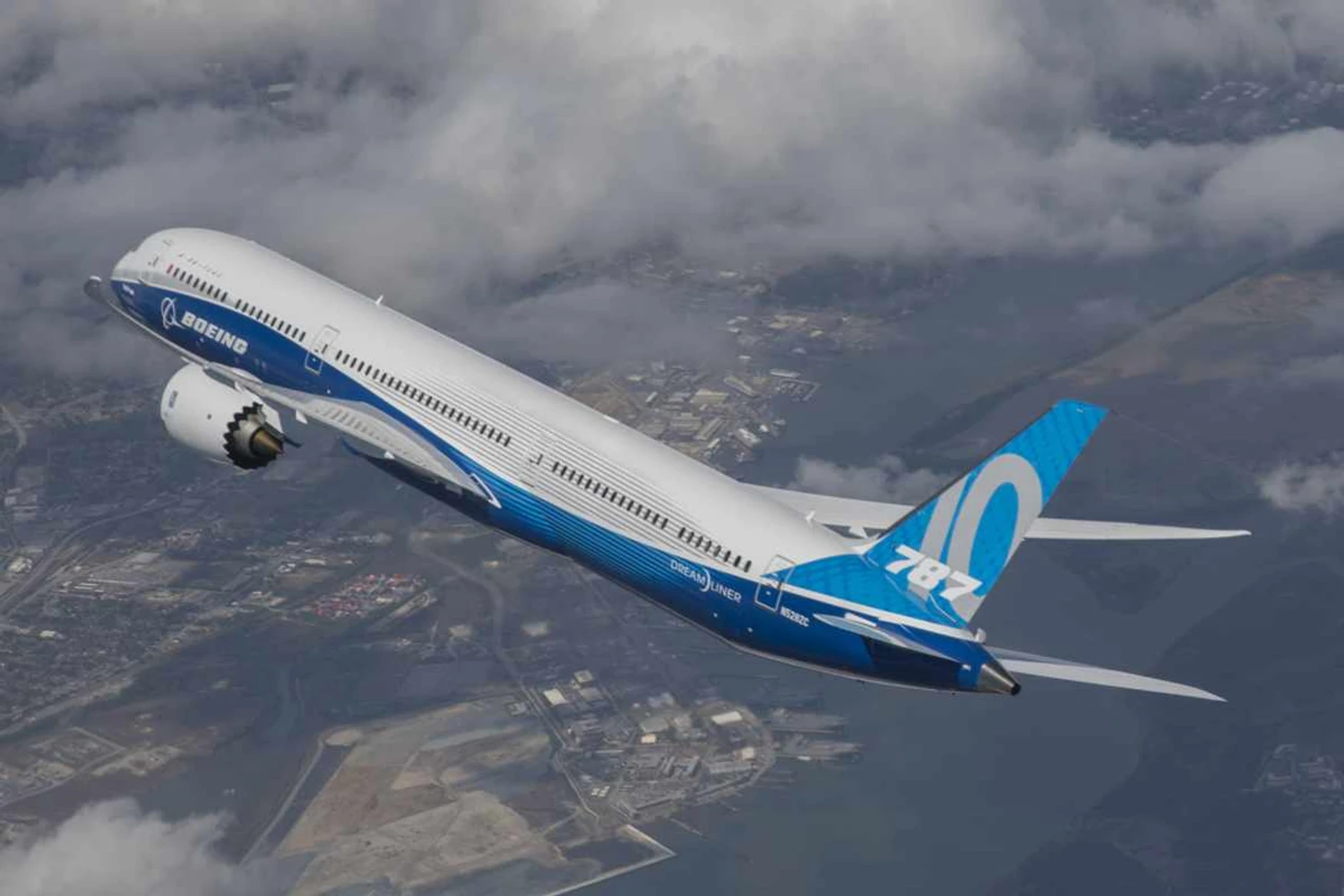
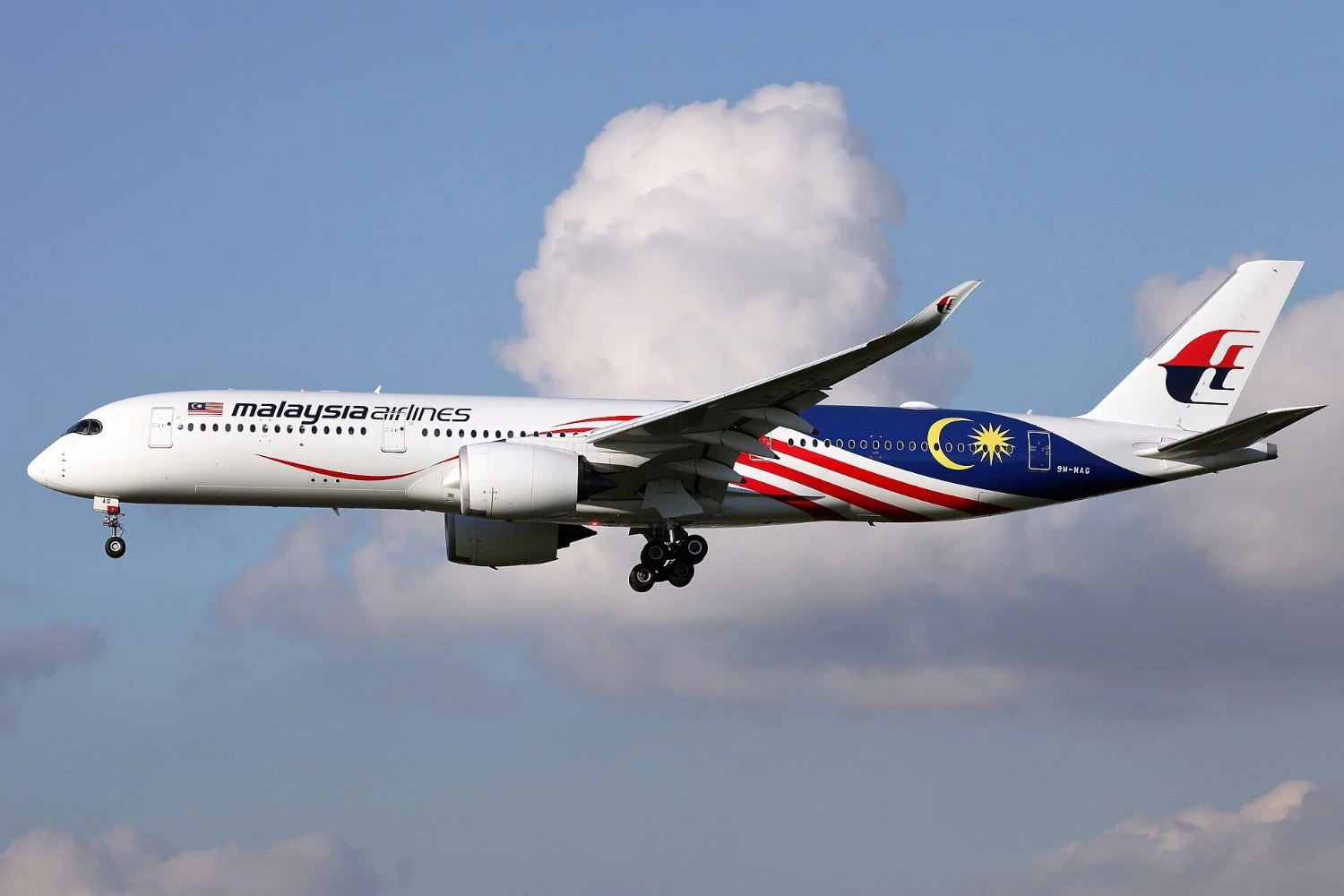
Malaysia Airlines is close to ordering around 10 Boeing 787-10 Dreamliners, a move that would introduce a new aircraft type to the carrier and replace its small fleet of leased Airbus A350-900s.
Parent company Malaysia Aviation Group (MAG) is nearing a deal with Boeing after evaluating several widebody aircraft for its future long-haul fleet, according to Bloomberg, which cited people familiar with the negotiations.
Malaysia Airlines currently operates seven A350-900s, all leased. Their replacement has been under evaluation as the leases are due to expire early in the next decade.
The airline does not currently operate the 787. Its passenger widebody fleet consists entirely of Airbus aircraft, with 29 A330s and seven A350-900s.
Recent news
September 18, 2026
September 18, 2026
The A330 fleet comprises 10 new A330-900s, 13 A330-300s and six A330-200s. Malaysia Airlines is already in the process of replacing the older A330s with the A330-900 after expanding its commitment to the type to 40 aircraft.
Boeing reportedly offers earlier deliveries
The potential 787 purchase would therefore not represent a broader move away from Airbus. Instead, Boeing appears to have gained an advantage in the competition to replace the seven A350s because of aircraft availability.
According to the report, Boeing offered 787 delivery positions beginning in 2031, earlier than those available from Airbus. GE Aerospace also reportedly offered more favorable engine terms than Rolls-Royce.
MAG had previously said it expected to acquire more than seven long-range widebodies, as a one-for-one replacement of the A350s would not provide capacity for growth.
The company evaluated the Airbus A350-1000 as well as the Boeing 787-9, 787-10 and 777X. A possible order for around 10 787-10s would provide three more aircraft than the current A350 fleet.
Shorter range than A350-900
The 787-10 is the largest Dreamliner variant, but its performance differs significantly from that of the A350-900 it could replace.
Boeing advertises a range of up to 13,890 km for the 787-10, while Airbus lists 15,750 km for the A350-900. The difference of almost 1,900 km makes the Airbus aircraft better suited to longer missions, while the stretched 787 prioritizes passenger and cargo capacity on routes that do not require the range of the 787-9 or A350.
Follow Air Data News: WhatsApp | Instagram | LinkedIn | Twitter | Facebook
Boeing lists typical two-class capacity for the 787-10 at between 300 and 375 passengers. Airbus gives the A350-900 a typical three-class capacity of 332 to 352 passengers, although comparisons between manufacturer figures are affected by cabin layouts.
Malaysia Airlines' main A350-900 configuration is considerably less dense, with 286 seats. The aircraft has four cabin sections, including Business Class and Premium Economy.
787 would return Boeing widebody to Malaysia Airlines
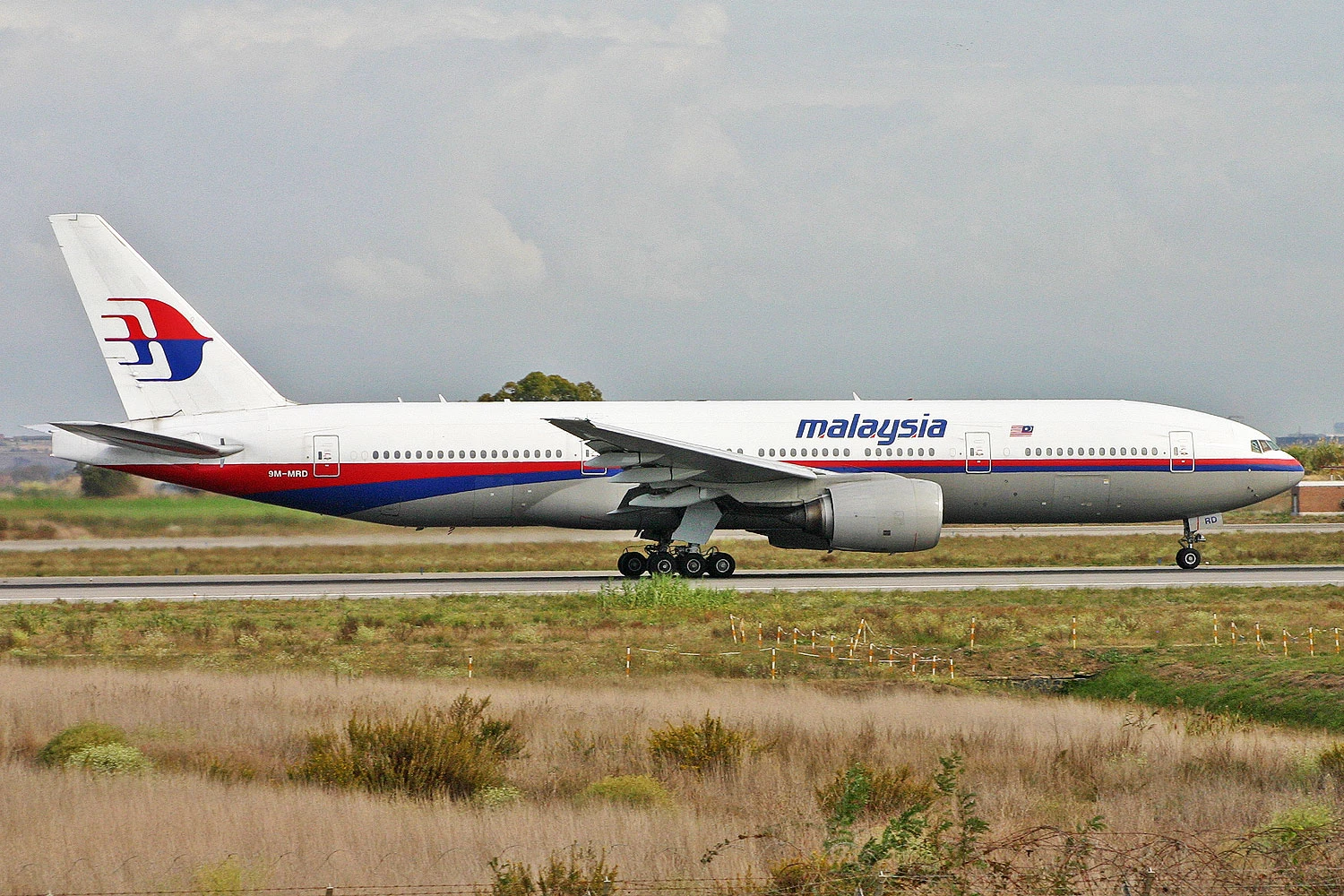
Malaysia Airlines has not operated a Boeing widebody since retiring its 777-200ERs in 2016. The manufacturer remains present in the carrier's narrowbody fleet through the 737-800 and newer 737-8.
The airline had previously considered adding the Dreamliner. In 2017, Malaysia Airlines signed a memorandum of understanding covering eight 787-9s, but the agreement did not become a firm order.
Its current long-haul renewal has so far favored Airbus. Malaysia Airlines initially committed to 20 A330-900s and added another 20 aircraft in 2025. Ten have now been delivered, with the additional batch scheduled to arrive between 2029 and 2031.