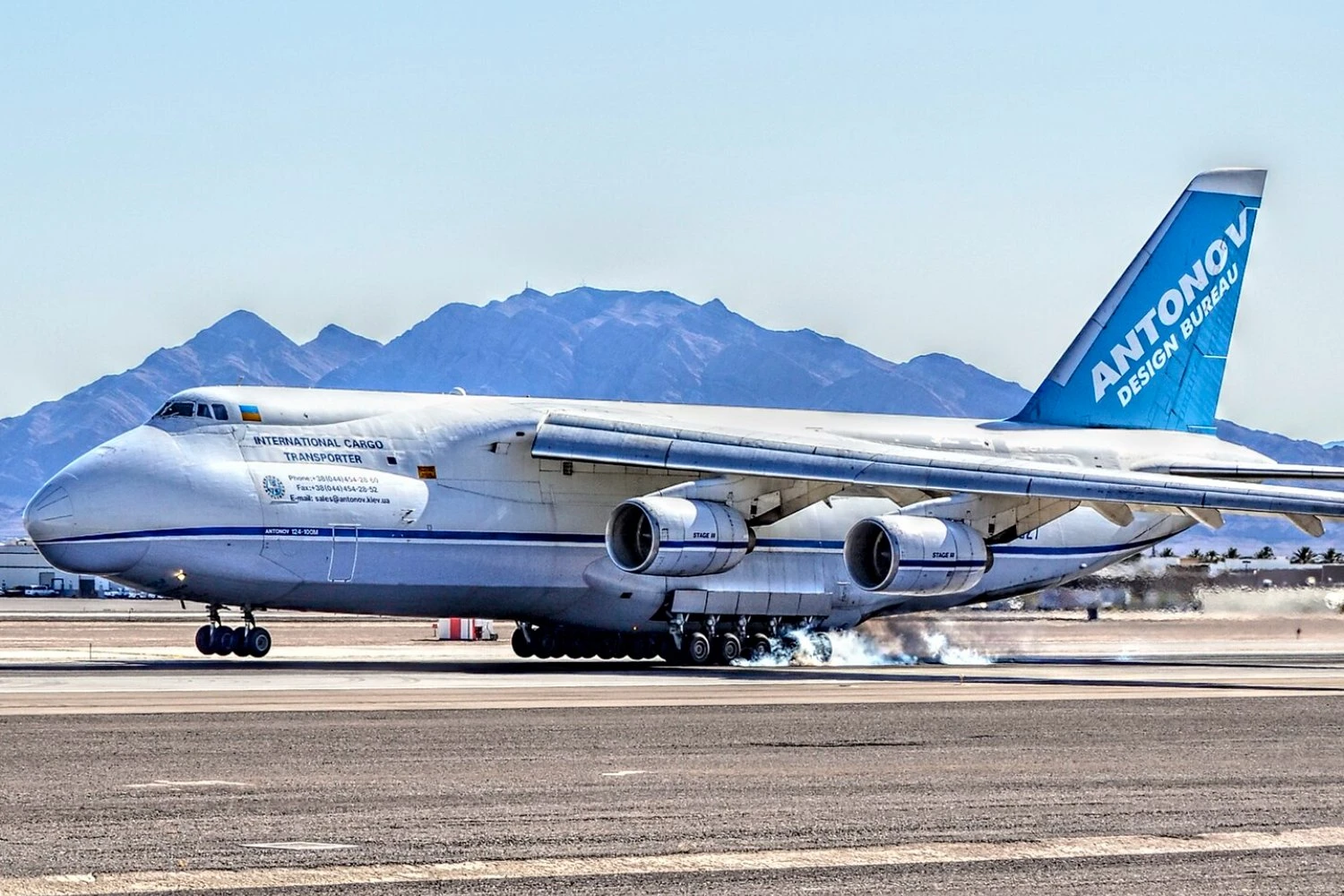
European countries could deeply modernize the Antonov An-124 or develop an entirely new strategic transport aircraft to replace the Boeing C-17 Globemaster III, according to the conclusions of an EU-funded study on future heavy airlift.
The European System for Outsized Cargo Airlift, or ESOCA, consortium presented the results of its 18-month study to the European Defence Agency on September 8.
Airbus Defence and Space leads the consortium, which includes 14 organizations from eight European countries. Leonardo, Safran Aircraft Engines and ITP Aero are among the participants.
The study examined how Europe could maintain the ability to transport exceptionally large and heavy military equipment after the aircraft currently available for these missions reach the end of their operational lives.
Follow Air Data News: WhatsApp | Instagram | LinkedIn | Twitter | Facebook
Its conclusions identified two long-term alternatives: extensive modernization of existing An-124-100 heavy transport aircraft or development of a new European aircraft intended to succeed the C-17.
Neither option has yet been selected. EU member states are due to examine the findings and unresolved operational requirements during the European Defence Agency's Strategic Transport Days in Brussels on October 21 and 22.
Europe depends on Ukrainian An-124s
European armed forces do not have enough aircraft capable of independently transporting the largest military loads.
Several NATO countries obtain this capability through the Strategic Airlift International Solution, or SALIS, which provides access to Ukrainian Antonov An-124-100 aircraft.
The An-124 can carry payloads of around 120 tonnes and accommodate equipment that cannot fit inside smaller military transports. This capability has become particularly important for moving helicopters, armored vehicles and other outsized cargo over long distances.
Recent news
September 21, 2026
September 21, 2026
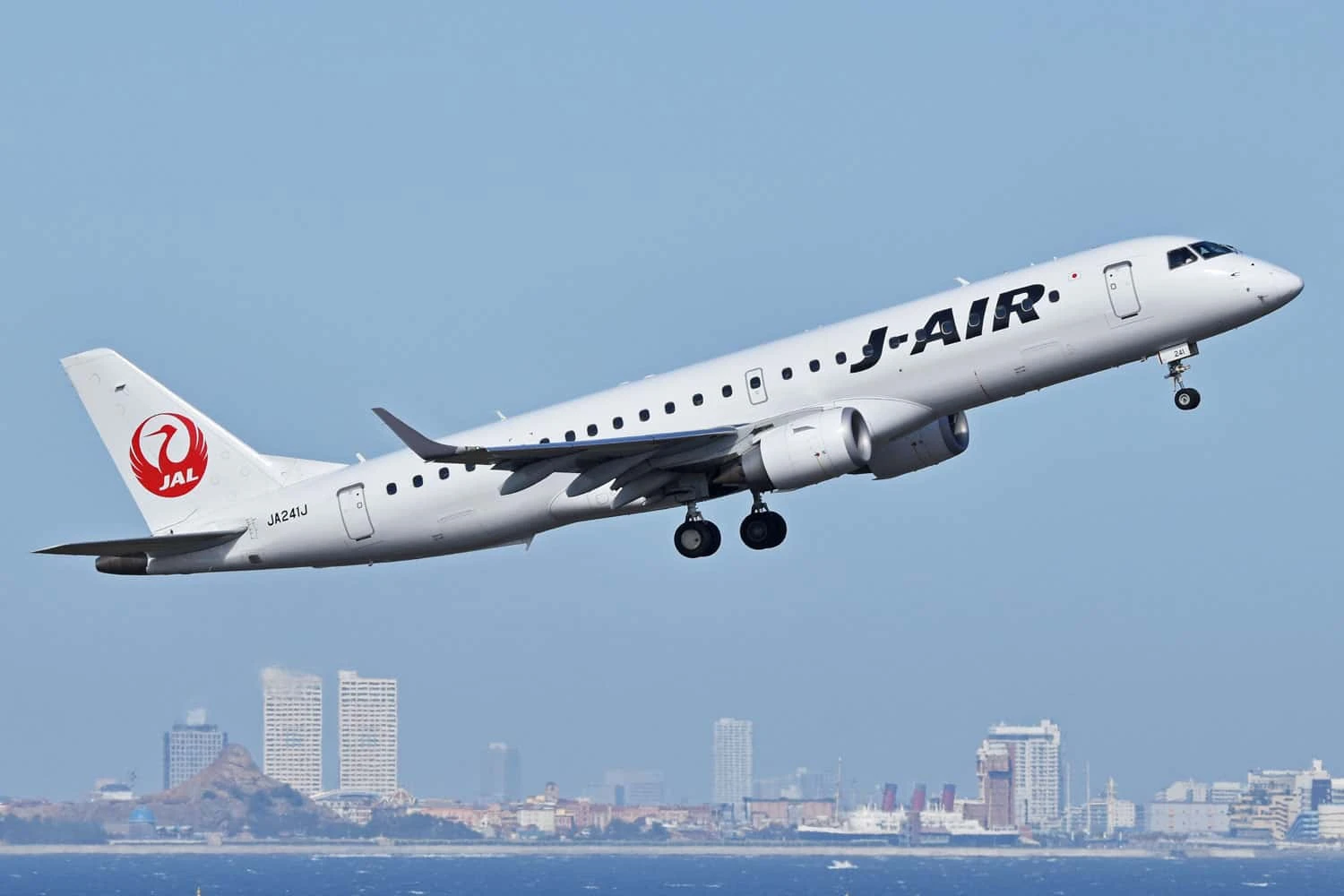
The aircraft available through SALIS are increasingly old, however, and no new An-124s are being produced.
The war in Ukraine has added another concern. Antonov's industrial infrastructure was severely affected by the conflict, while the original An-124 supply chain depended on companies spread across the former Soviet Union, including Russia.
A deep modernization would therefore have to address more than avionics obsolescence if Europe intends to operate the aircraft for decades.
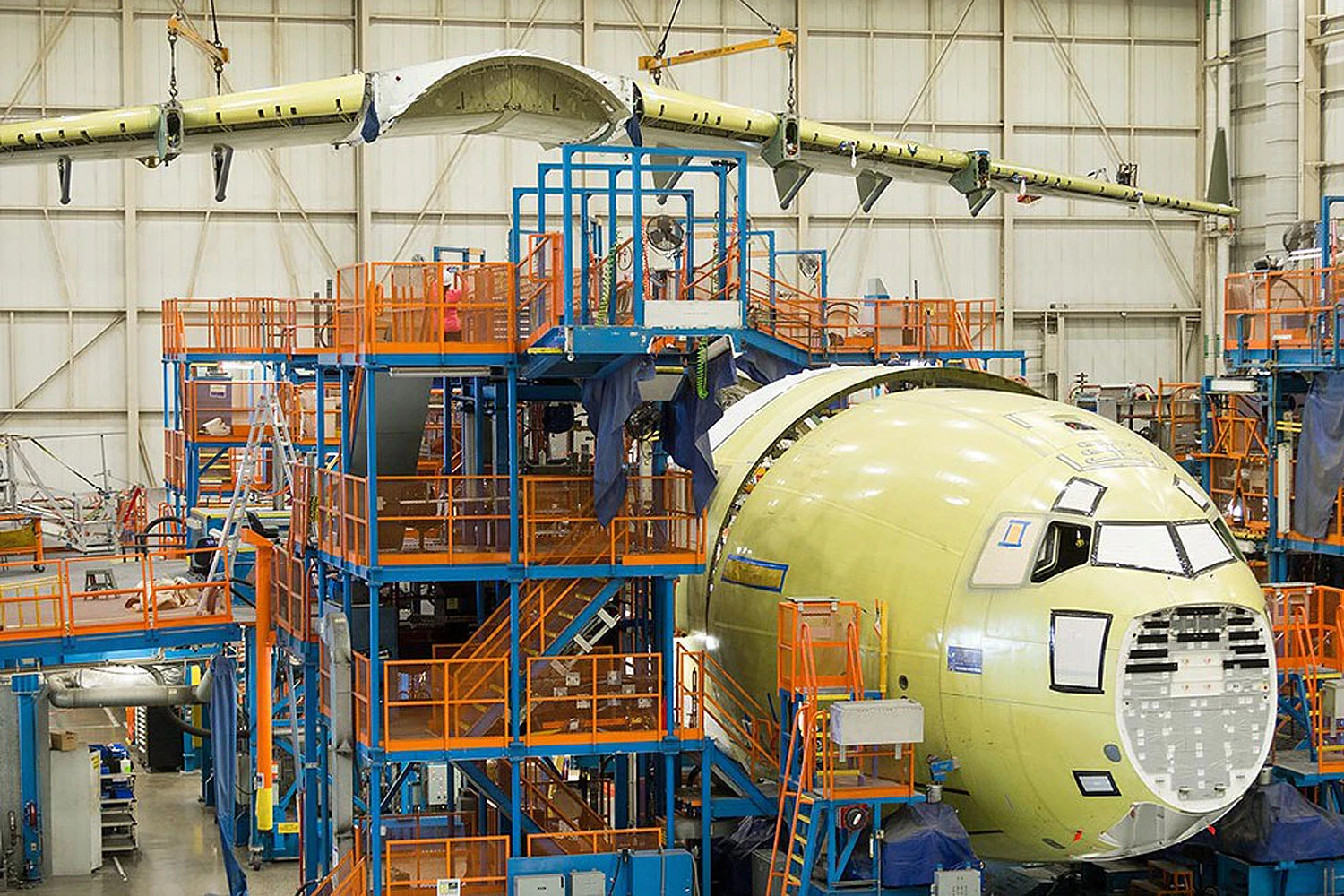
C-17 production ended in 2015
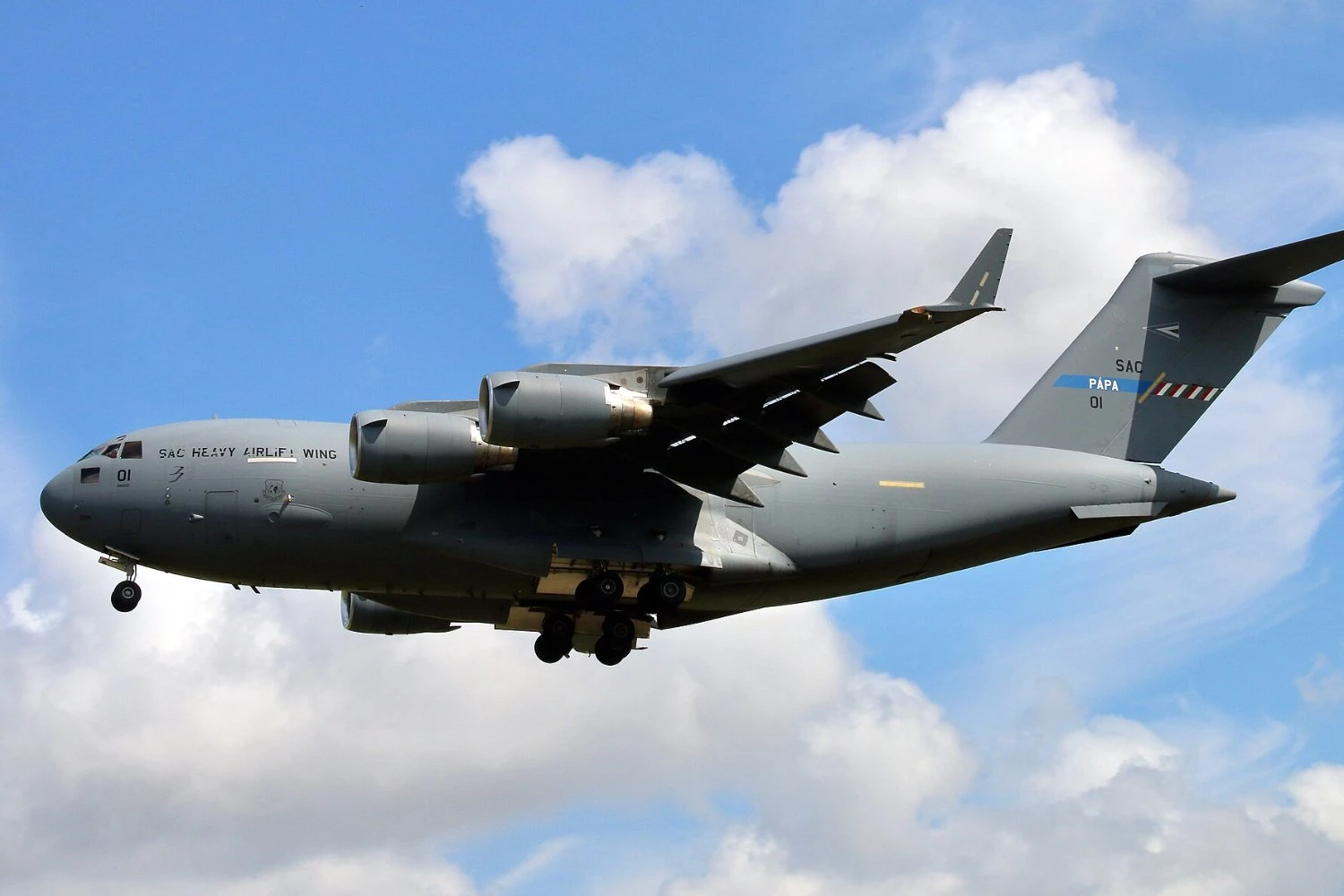
The other aircraft currently providing Europe with strategic heavy-lift capability is the Boeing C-17 Globemaster III military transport.
Twelve NATO countries jointly operate three C-17s through the Strategic Airlift Capability program at Pápa Air Base in Hungary. The United Kingdom separately operates eight aircraft, although it is no longer a member of the European Union.
Buying additional new C-17s is not an option. Boeing ended production in 2015 after building the final aircraft at Long Beach, California.
The SATOC project expects C-17s operated by EU countries to approach the end of their service lives during the 2040s.
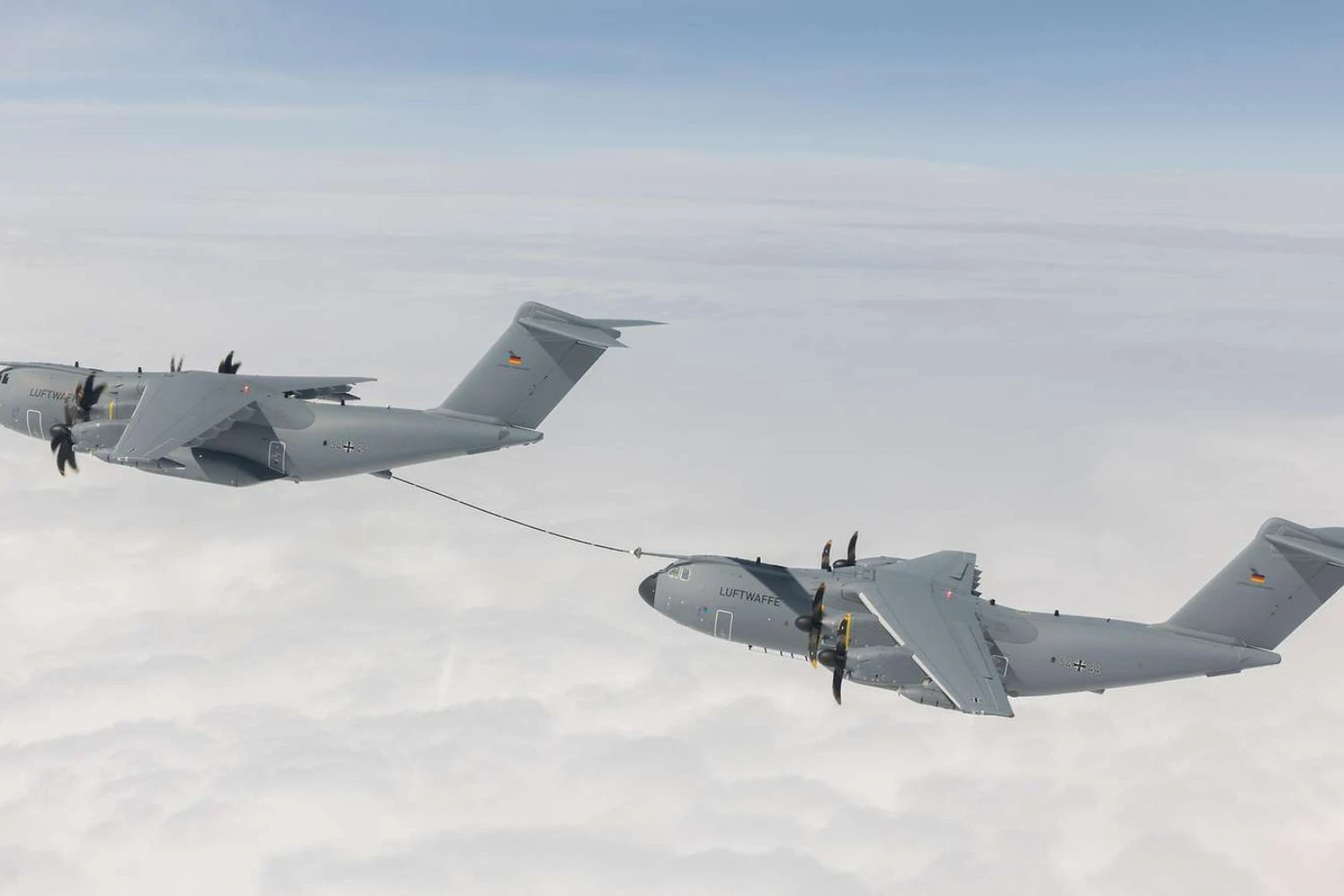
A400M cannot carry every outsized load
The Airbus A400M provides European countries with a modern military transport aircraft, but it belongs to a different payload and size category.
Its cargo compartment and payload capacity do not allow it to carry some equipment that can be transported by the An-124. The European requirement therefore concerns aircraft capable of moving loads around the 100-tonne class and cargo whose physical dimensions exceed the A400M's limits.
The problem could emerge well before existing C-17s are retired. Europe's Strategic Air Transport for Outsized Cargo project has identified a potential capability gap in the 100-tonne class during the 2030s because of the age of the An-124s and the absence of a currently available replacement.
New European strategic transport
ESOCA feeds into the Strategic Air Transport for Outsized Cargo, or SATOC, project established under the European Union's Permanent Structured Cooperation framework in 2021.
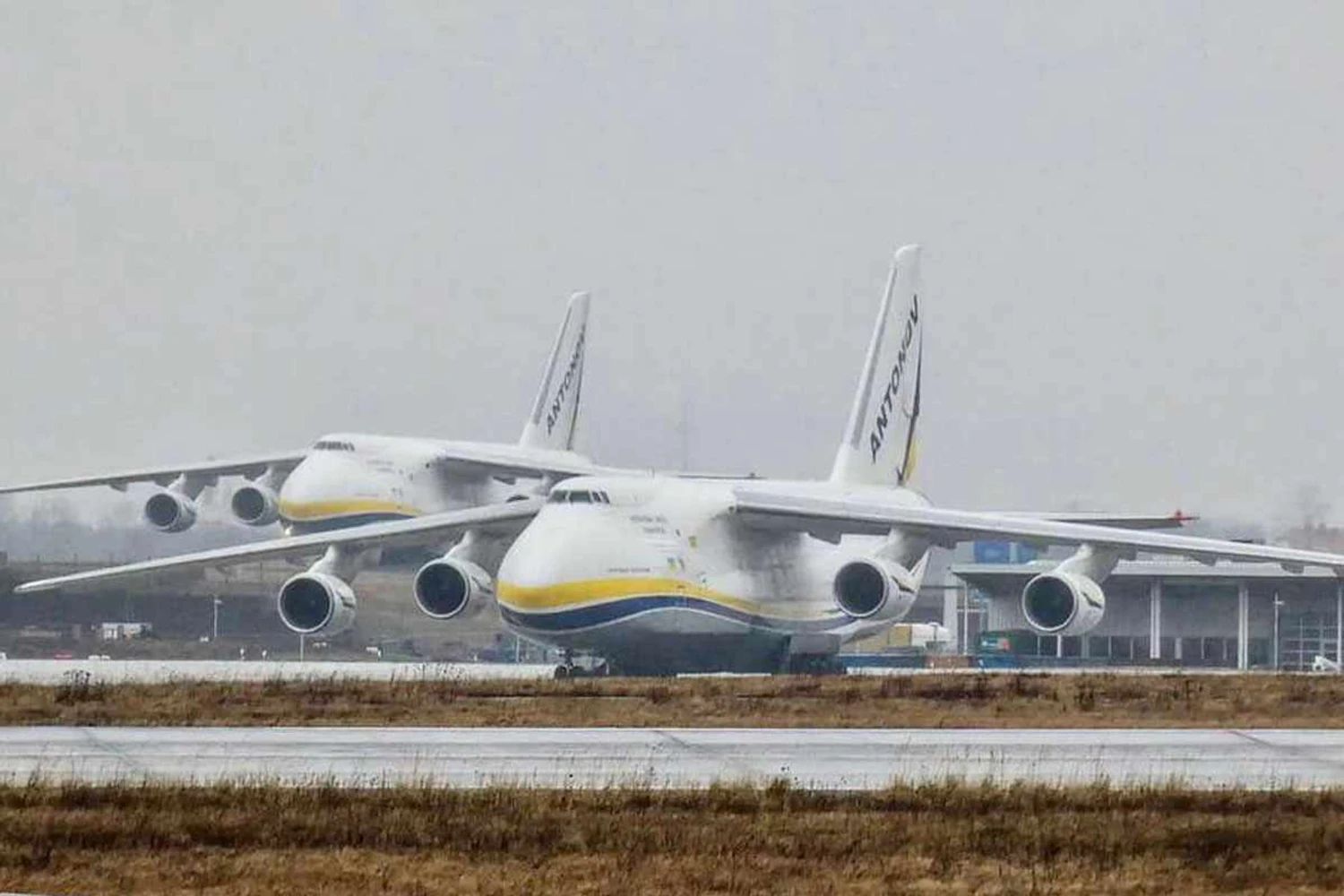
Germany coordinates SATOC, with Czech Republic, France and the Netherlands also participating. The European Defence Agency has supported the effort to define common requirements for a future outsized cargo capability.
Development of a new aircraft would give European countries a Western-built strategic transport in a category no longer represented by an aircraft in production.
The ESOCA study itself received almost €20 million in EU funding. Its industrial consortium includes companies from Finland, France, Germany, Greece, Italy, the Netherlands, Poland and Spain.