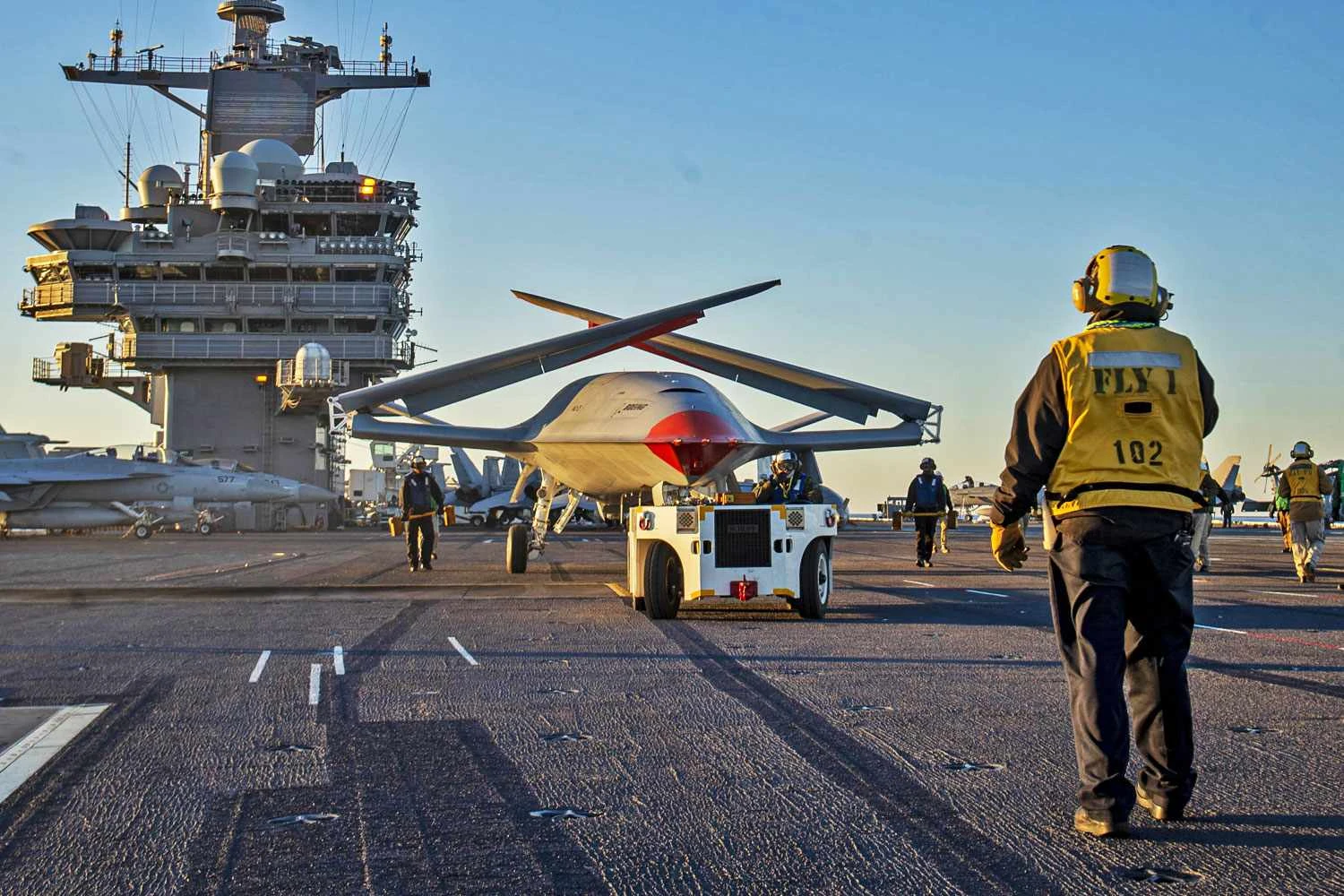
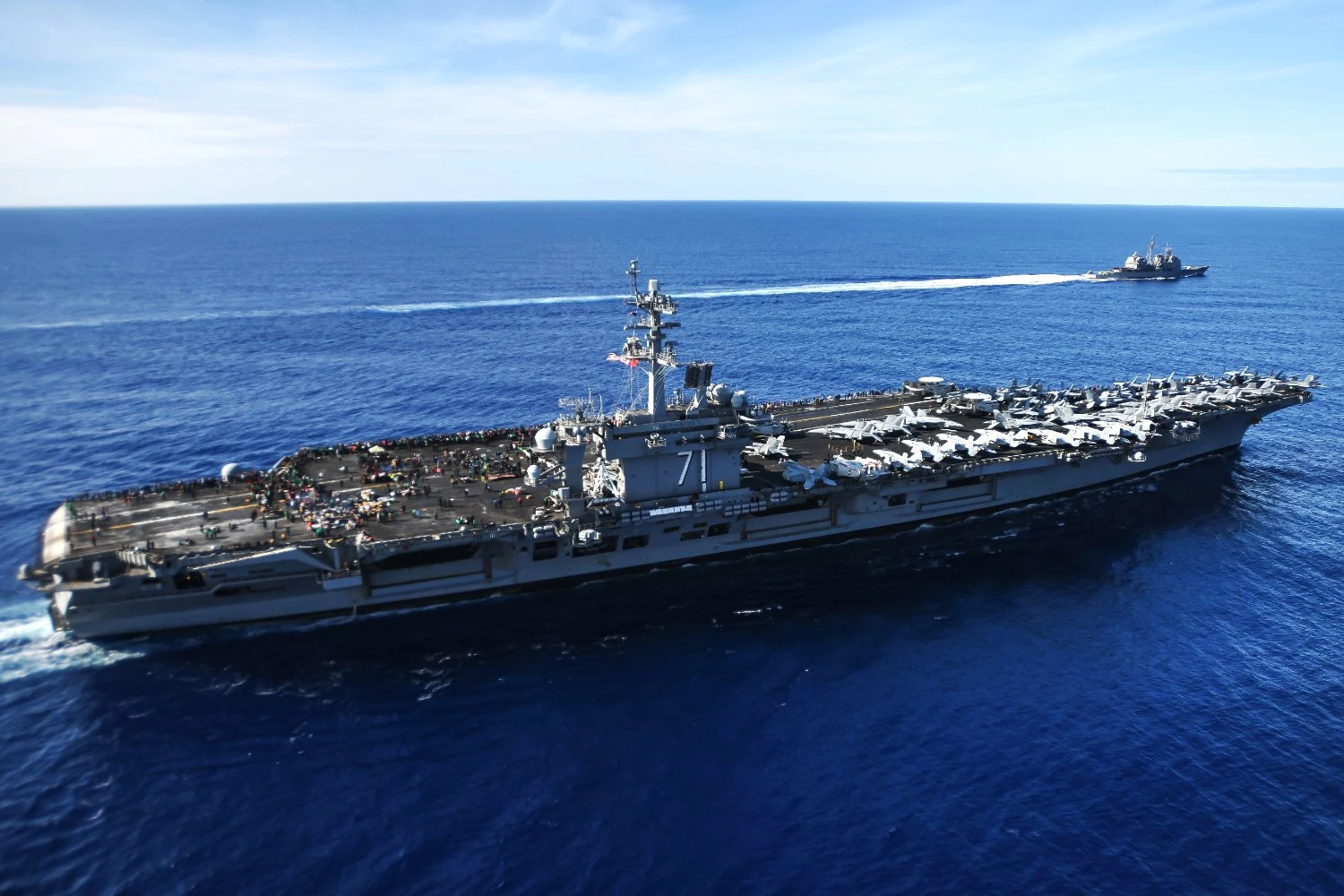
The USS Theodore Roosevelt (CVN-71) has become the first U.S. Navy aircraft carrier equipped with the infrastructure required to support future operations of the Boeing MQ-25 Stingray, a milestone in the service's effort to introduce carrier-based unmanned aircraft into routine operations.
According to a Pentagon acquisition report, the Nimitz-class carrier's Unmanned Air Warfare Center (UAWC) reached full operational status in March, allowing it to support the MQ-25 once the drone enters service. The USS Ronald Reagan is expected to receive the same capability later this month.
Related news
September 15, 2026

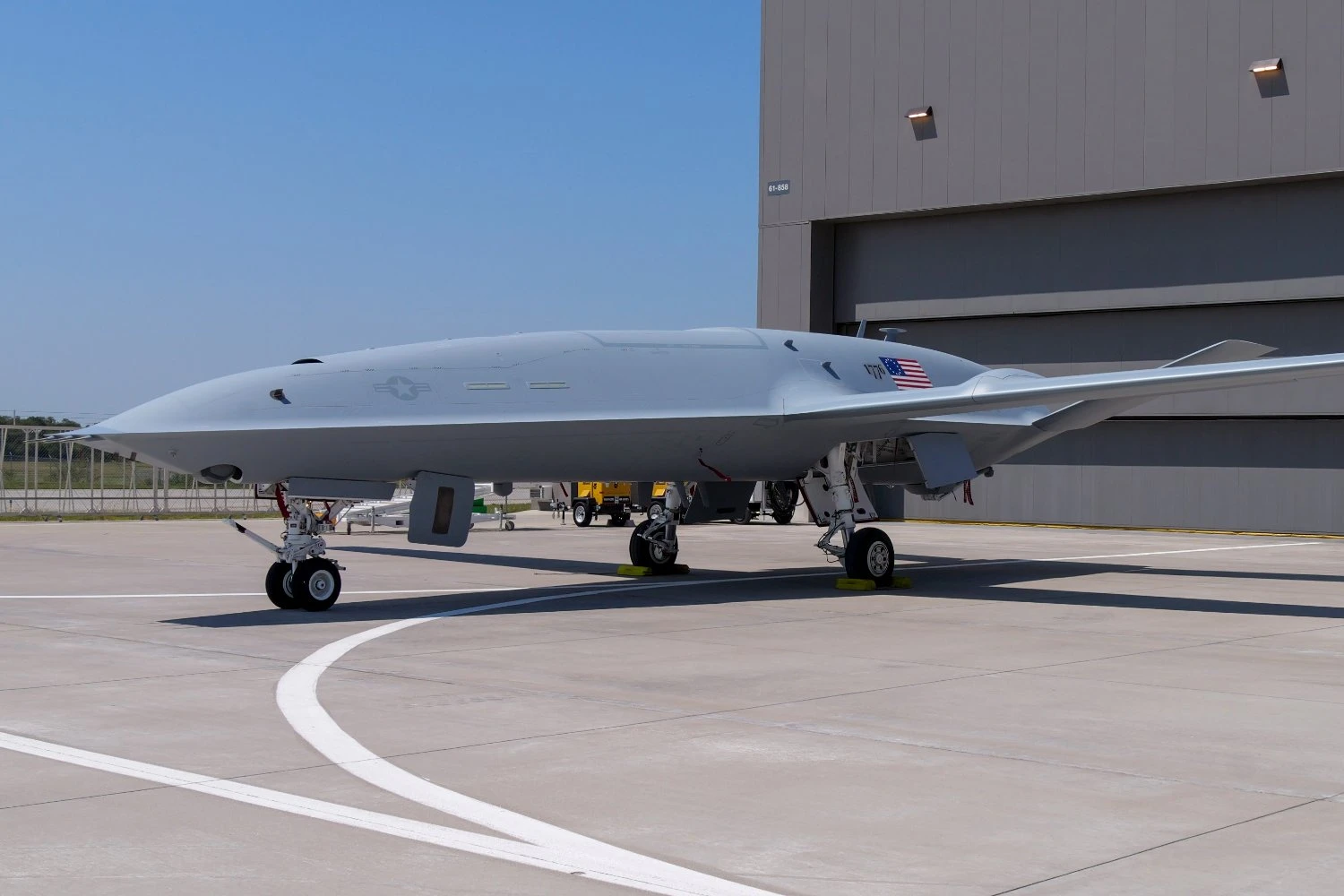
Rather than serving as another combat aircraft, the MQ-25 is primarily designed as an aerial refueling platform. The drone will transfer fuel to carrier-based fighters such as the F/A-18E/F Super Hornet, extending their range while freeing manned aircraft from performing the tanker mission themselves. The Stingray will also have a secondary intelligence, surveillance and reconnaissance (ISR) capability.
The new control center installed aboard Theodore Roosevelt will allow operators to plan missions, monitor flights and control the MQ-25 during carrier operations through dedicated workstations linked to the Navy's command-and-control network.
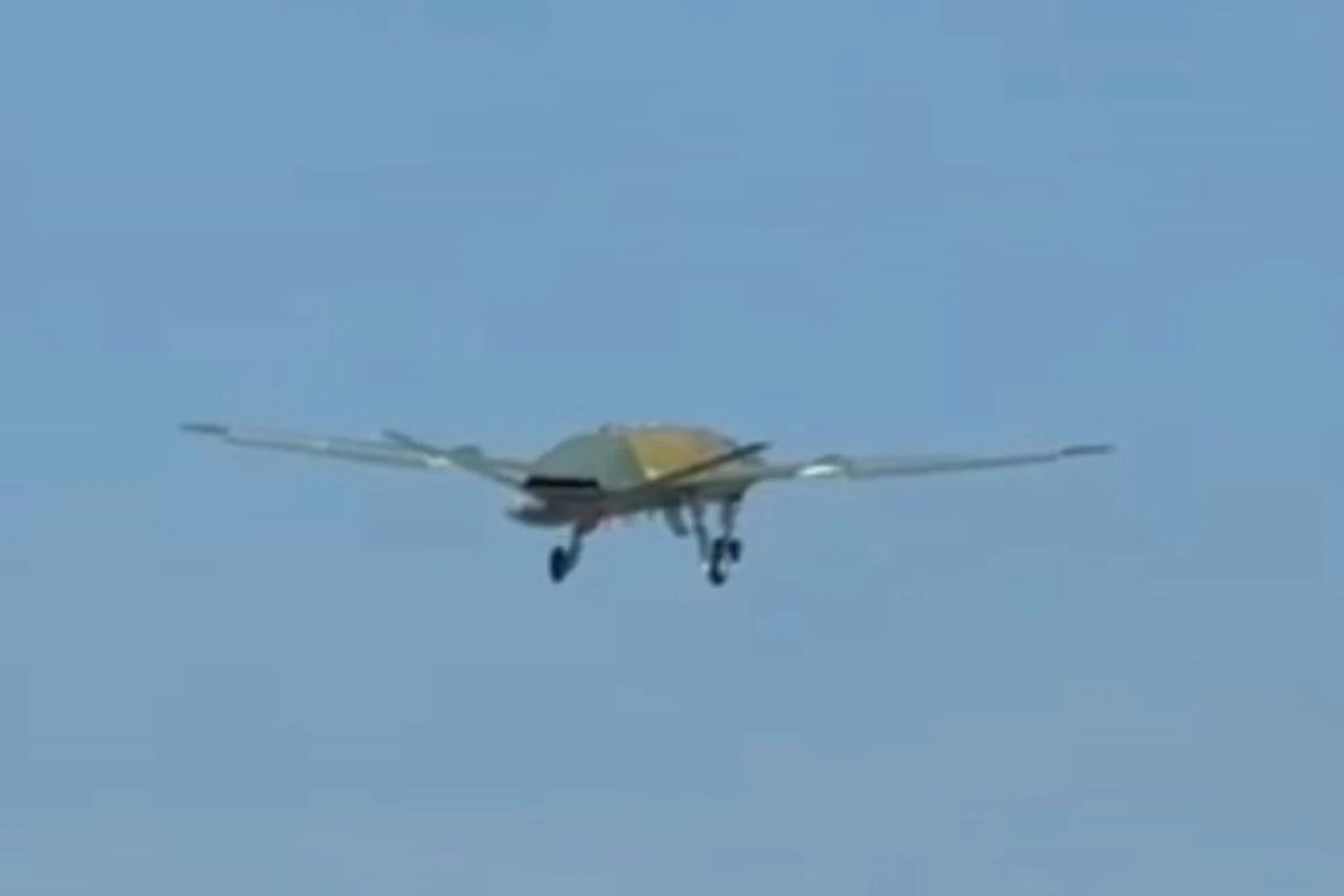
Although the infrastructure is now in place, the aircraft itself remains behind schedule. The Navy originally expected the MQ-25 to reach operational service in 2024, but that target slipped first to 2027 and has now moved to 2029. The first production-representative aircraft completed its maiden flight only in April, while the earlier T1 demonstrator has been flying since 2019.
The Navy plans to acquire 76 MQ-25s, viewing the Stingray as more than a tanker. The program is also intended to establish procedures, training and command-and-control architecture for future generations of carrier-based unmanned aircraft.
Follow Air Data News: WhatsApp | Instagram | LinkedIn | Twitter | Facebook
That long-term includes collaborative combat aircraft and other autonomous systems expected to join future carrier air wings. Navy officials have previously said unmanned aircraft could eventually account for more than half of the aircraft deployed aboard U.S. carriers, making the MQ-25 the first operational step toward that objective.
Before entering service, however, the Stingray still must complete carrier suitability testing, including launches, recoveries and routine deck handling alongside conventional naval aircraft. Those demonstrations will determine how quickly the Navy can integrate unmanned aircraft into everyday carrier operations.