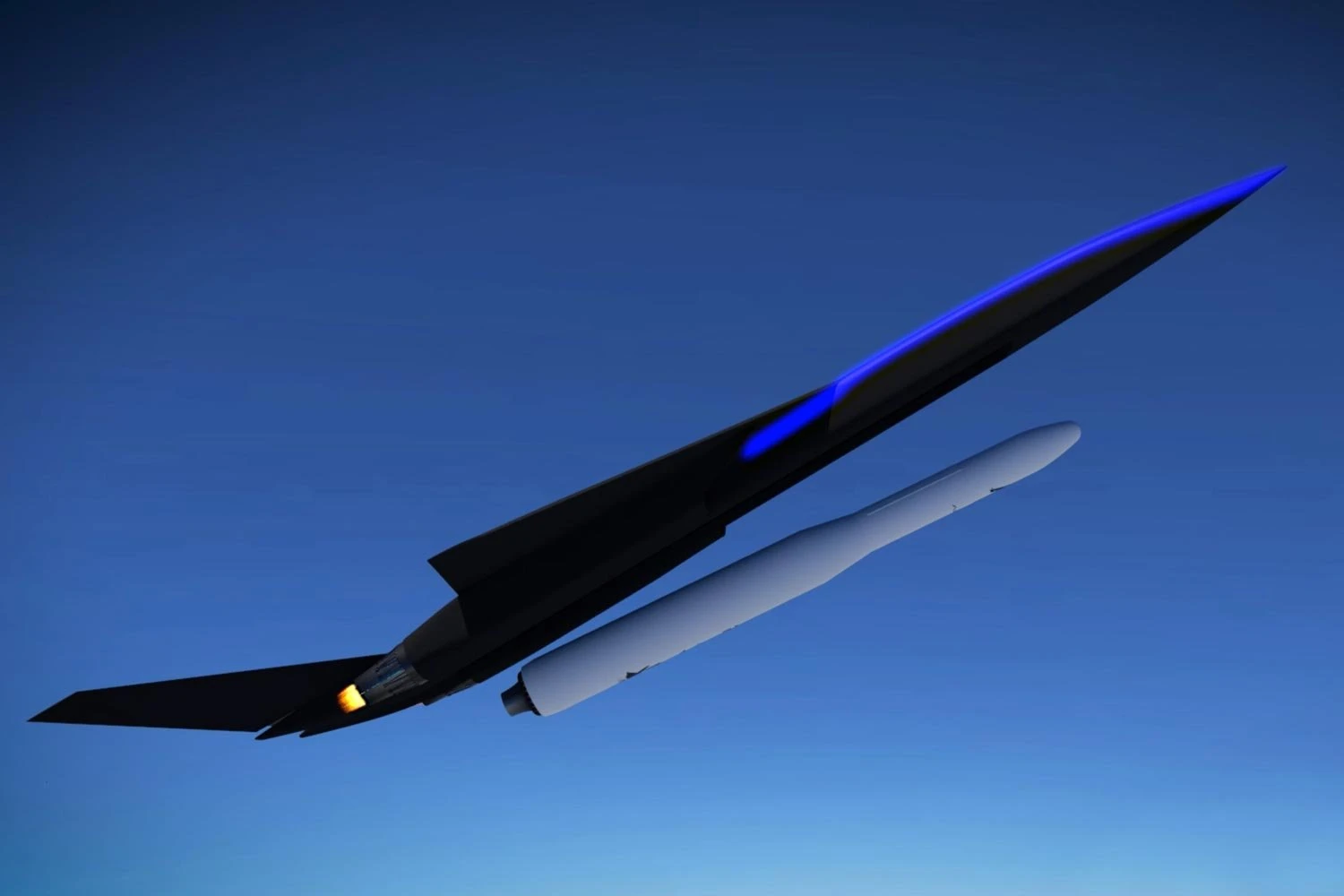
A giant unmanned aircraft designed to carry rockets into the sky has reappeared at Long Beach Airport in California, almost six years after it was unveiled with plans to launch small satellites into orbit.
The Ravn X, developed by US company Aevum, was photographed outside its hangar on September 3. The black aircraft, registered N567RX, was moved onto the airport and aligned with a runway, although there is no evidence that it performed a powered taxi test.
The sighting attracted attention because almost nothing has been seen publicly of the Ravn X since its presentation in December 2020. Aevum said at the time that launches could begin in 2021, but the aircraft has never been publicly demonstrated in flight.
The airframe seen at Long Beach appears to be the same one displayed in 2020. It is also unclear whether N567RX is currently capable of flight or remains a full-scale development aircraft.
Six years without a flight
Ravn X was conceived as the reusable aircraft portion of an air-launch system. It would take off from a conventional airport, climb to altitude and release a rocket carried beneath it. The rocket would then continue into orbit while the unmanned aircraft returned to land.
The dimensions made the project unusual from the start. Aevum disclosed a length of 80 ft (24.4 m), a wingspan of 60 ft (18.3 m) and a gross weight of about 55,000 lb (25 tonnes).
https://www.instagram.com/p/Dc9MTQaGaE5/
The concept also attracted US military funding. In 2019, the US Air Force awarded Aevum a US$4.9 million contract for the ASLON-45 mission, intended to demonstrate rapid deployment of small satellites into low Earth orbit.
ASLON-45 was initially expected to fly in 2021. The schedule slipped, at one point because of a problem involving an engine supplier, and the planned orbital mission did not take place.
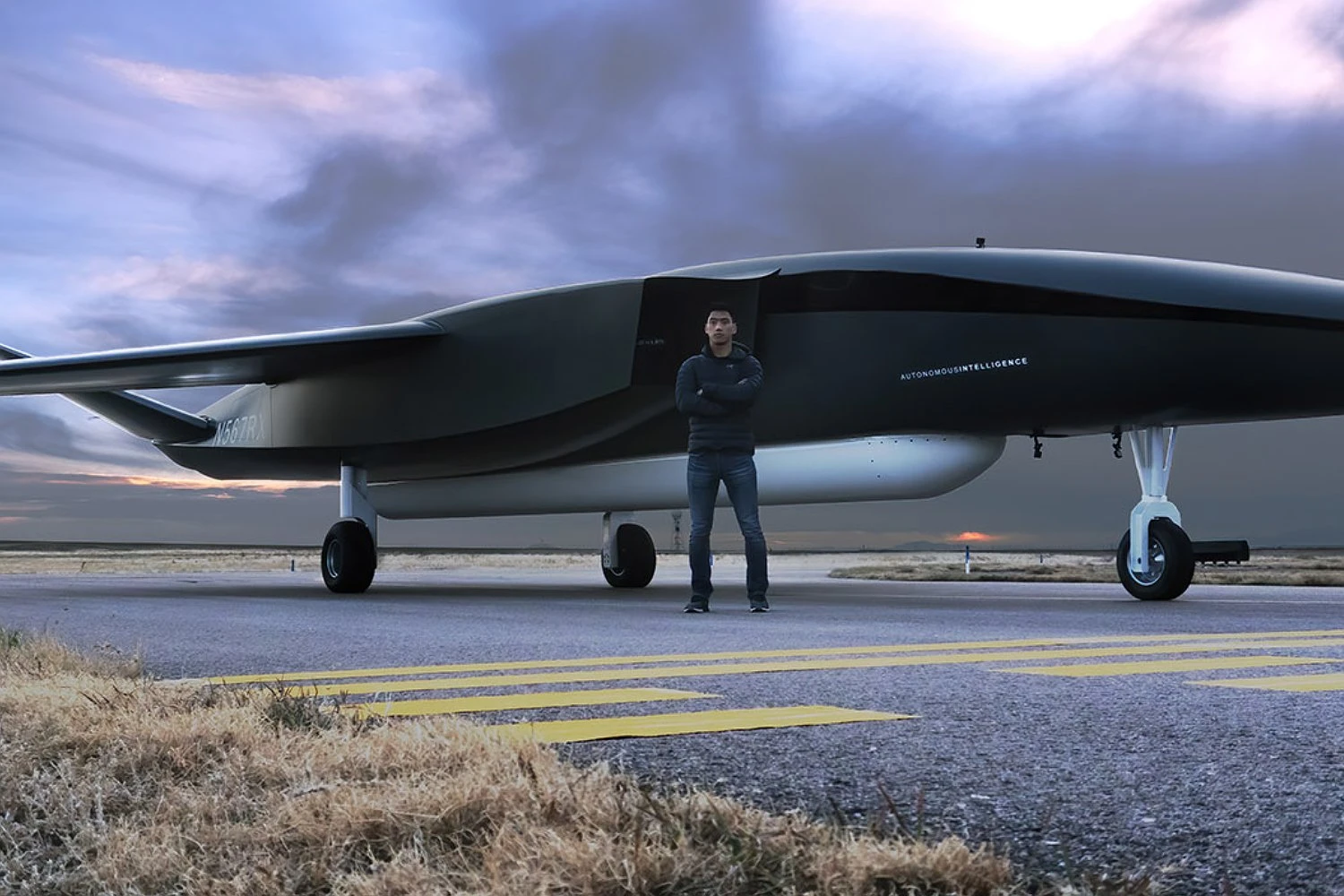
Aevum itself has an unusual history. The company was founded in 2016 by Jay Skylus, who remains CEO and previously worked at NASA, Boeing, Moon Express and Firefly Aerospace. Unlike many ambitious aerospace projects that never progress beyond computer images, Aevum actually produced the full-size Ravn X and secured contracts from US defense agencies.
What remains missing is a public demonstration that the aircraft can fly.
New roles for Ravn X
Aevum has also changed its description of the project. Its website now calls the aircraft Ravn X Block 1 and lists several uses beyond carrying rockets.
The company says the unmanned aircraft could support launch operations, transport heavy cargo and serve as a test platform for autonomous systems and artificial intelligence. For missions not involving rockets, Aevum claims a payload capacity of up to 30,000 lb (13.6 tonnes).
It also describes an autonomous system using 21 sensors, including cameras, LiDAR, radar and ultrasonic sensors to identify vehicles, aircraft and other obstacles around airports.
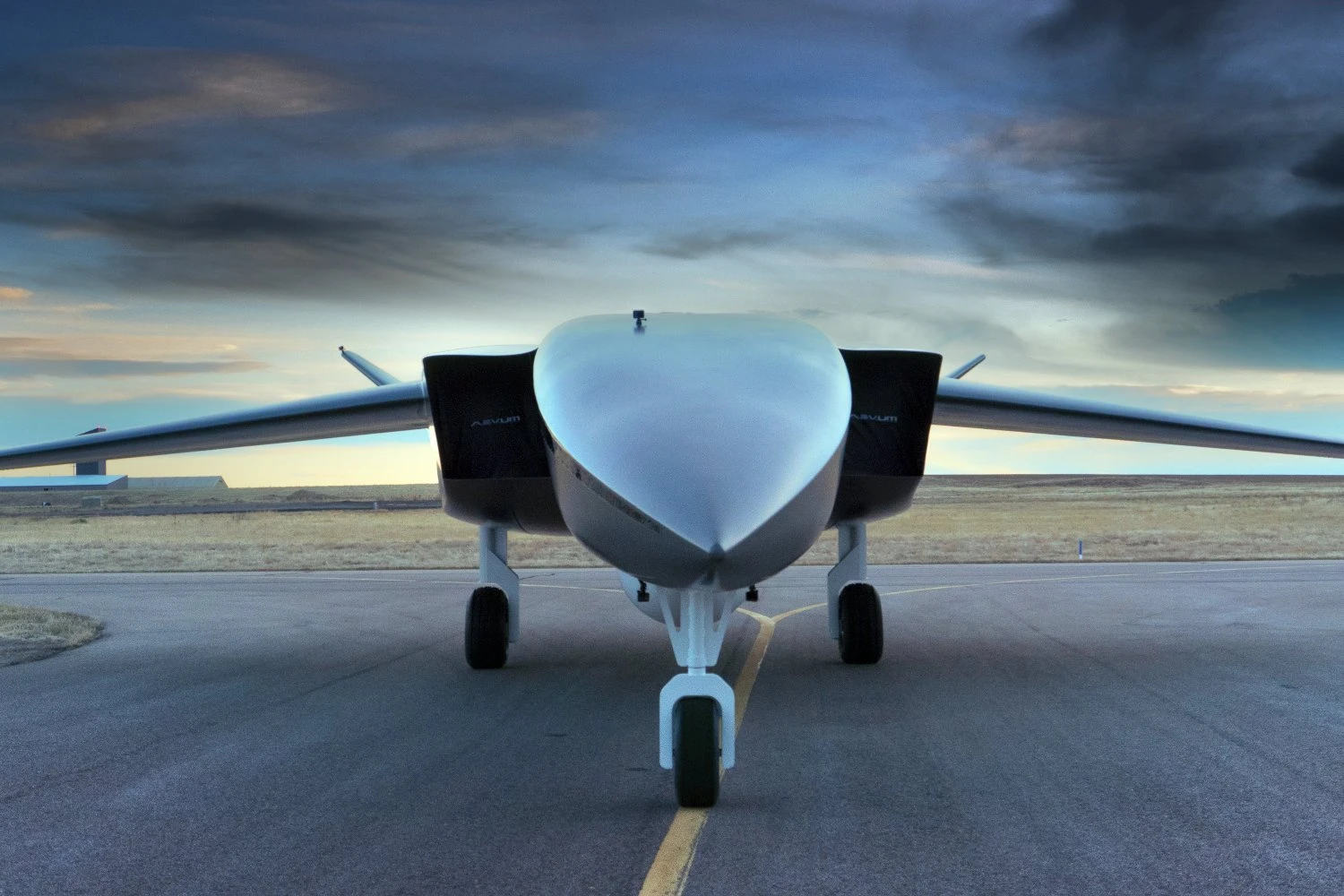
The space-launch architecture has changed as well. Aevum now presents the ERV-A, an expendable rocket designed to place up to 600 kg (1,323 lb) into low Earth orbit, alongside a proposed reusable orbital vehicle called RRV-A.
The sudden appearance of N567RX comes shortly before Aevum plans to show more of its autonomous technology. The company has scheduled an “Autonomy Unveiling Event” for November and says a new phase of physical autonomy will begin that month.
Aevum has not said whether the activity at Long Beach is connected with that event or whether the Ravn X is approaching a first flight. The aircraft's return to the airport nevertheless puts the unusual machine back in sight almost six years after Aevum originally expected it to begin launching satellites.