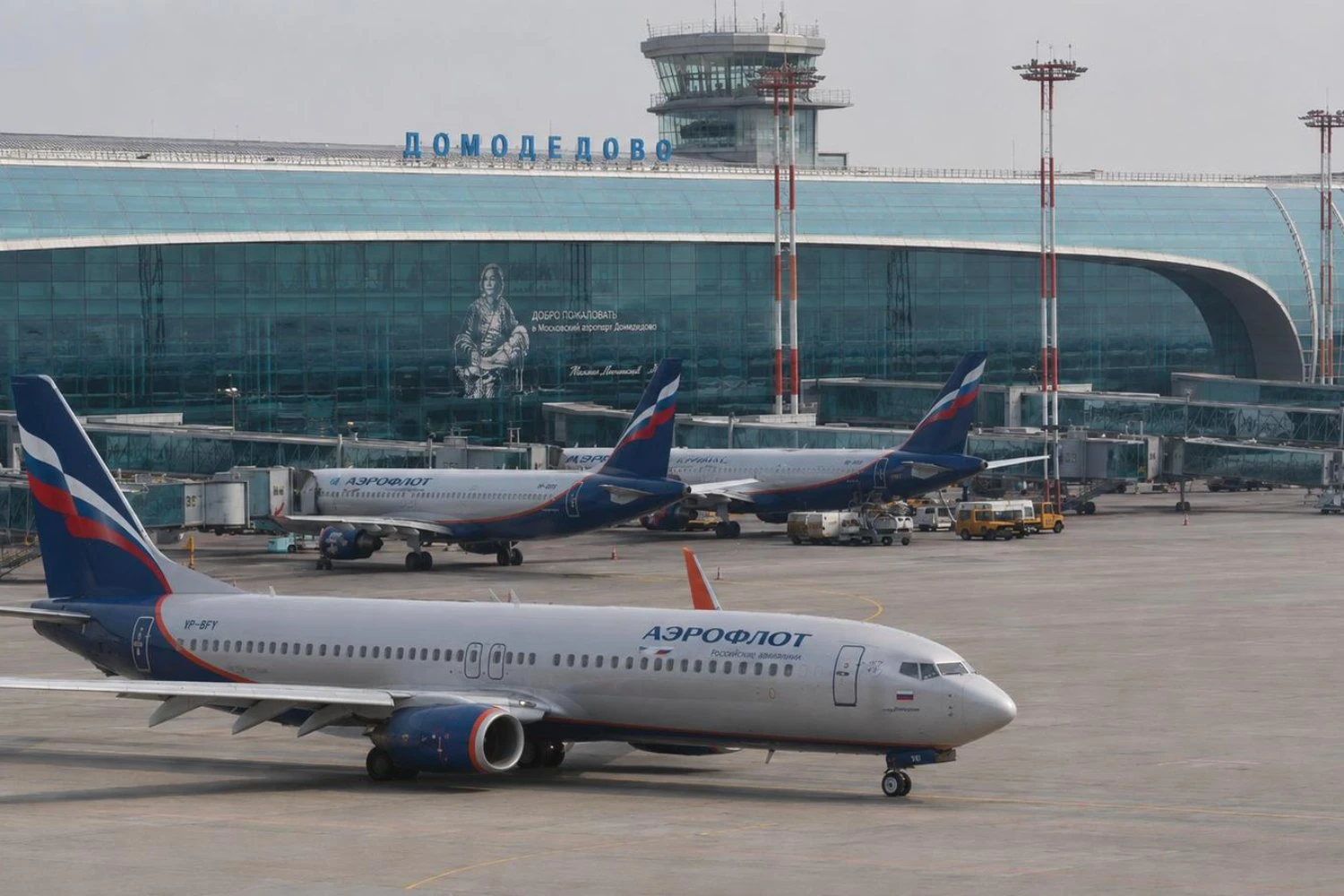
Ukrainian President Volodymyr Zelensky has warned airlines and insurers about the risks of operating in Russian airspace as Ukrainian drone attacks reach deeper into the country, including areas surrounding major airports.
The warning comes as international air traffic to Russia continues to recover despite the disappearance of most direct links with Western countries after the invasion of Ukraine in 2022. Foreign airlines carried 24.3 million passengers to and from Russia in 2025, 21% more than a year earlier, according to the Russian Air Transport Operators Association (AEVT).
Follow Air Data News: WhatsApp | Instagram | LinkedIn | Twitter | Facebook
Zelensky said on September 1 that Russian airspace was becoming “completely unsafe” and addressed his warning specifically to airlines using it, their insurers and companies serving major Russian airports. He said Ukraine was not deliberately threatening civilian aircraft, but argued that the increasing reach of Ukrainian drones had changed the risk faced by commercial aviation.
Russian airspace remains open to civilian traffic, however, and hundreds of commercial flights continue to operate within the country and across its borders. Zelensky's description of it as effectively closed therefore does not describe its regulatory status.
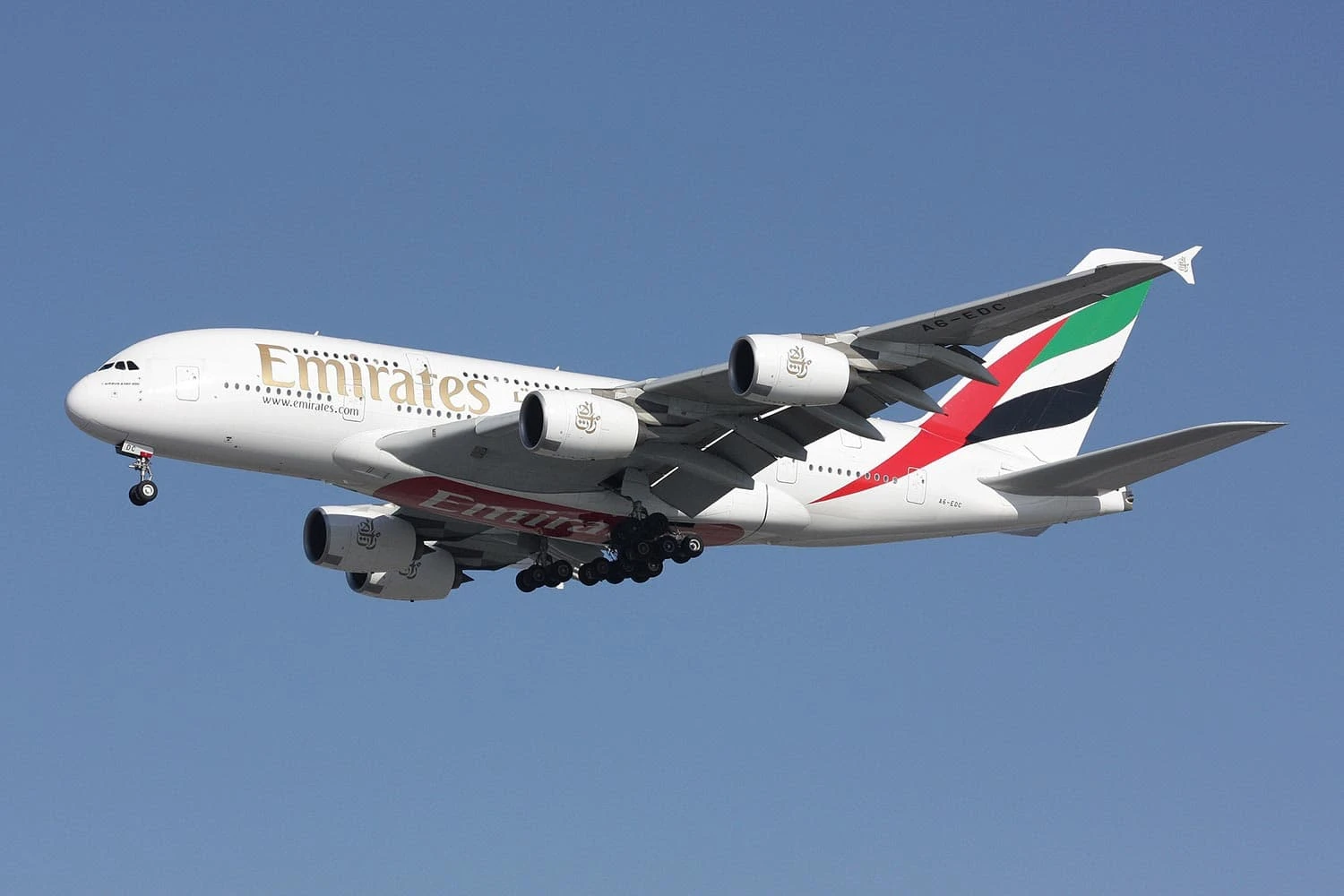
Foreign airlines fill the gap
Russia lost much of its direct air connectivity with Europe and North America after its February 2022 invasion of Ukraine. The European Union, United Kingdom, United States, Canada and several other countries closed their airspace to Russian airlines, while Moscow imposed reciprocal restrictions.
The result was not the disappearance of Russia's international aviation market but a major change in its geography.
Research based on OAG schedule data found that Russian international seat capacity initially fell by about 41% following the invasion. By January 2023, capacity had recovered to within 4% of its pre-war level, although the number of countries directly connected with Russia had fallen from 64 to 34.
Turkey and the United Arab Emirates emerged as the two largest international markets. Airlines from China, Central Asia, the Caucasus and other countries that did not impose aviation sanctions also expanded their presence.
By September 2025, Russia had direct passenger flights with 41 countries, served by 21 Russian and 65 foreign airlines.
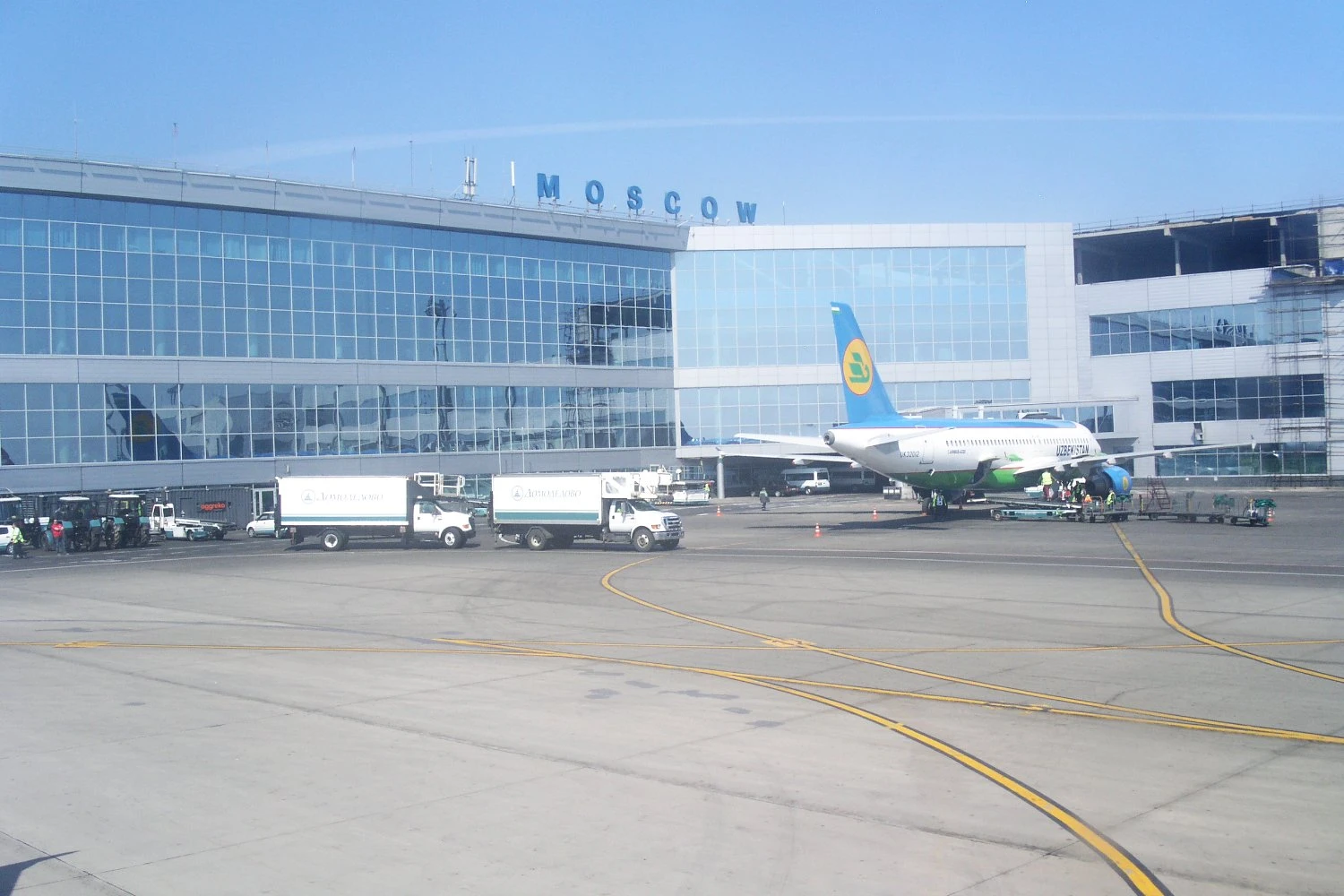
The foreign carriers have continued to gain traffic. Their 24.3 million passengers in 2025 represented a 21% increase from 2024, while the number of flights they operated to and from Russia rose almost 16% to 148,600.
Foreign airlines had exclusive access to links between Russia and 12 countries by the end of 2025 because no Russian carrier operated on those markets. Russian and foreign airlines competed on routes involving another 21 countries.
Russian carriers, by comparison, transported 27.4 million international passengers in 2025, an increase of only 1.6%. Traffic on routes outside the Commonwealth of Independent States performed considerably better, rising 8.4% to 17.72 million passengers.
The contrast has continued into 2026. Russian airlines carried 8.19 million international passengers during the first four months of the year, 1.8% more than in the same period of 2025. International passenger traffic through Russian airports increased 8.1% to 15.2 million over the same period, indicating that foreign operators remain an important source of growth.
Fleet constraints reshape market
The increasing role of foreign airlines also coincides with mounting fleet constraints at Russian carriers.
Western sanctions have cut Russian operators off from normal access to Boeing and Airbus aircraft, spare parts and manufacturer support. Russia has developed alternative supply channels and kept hundreds of Western-built aircraft flying, but maintaining the fleet has become increasingly difficult.
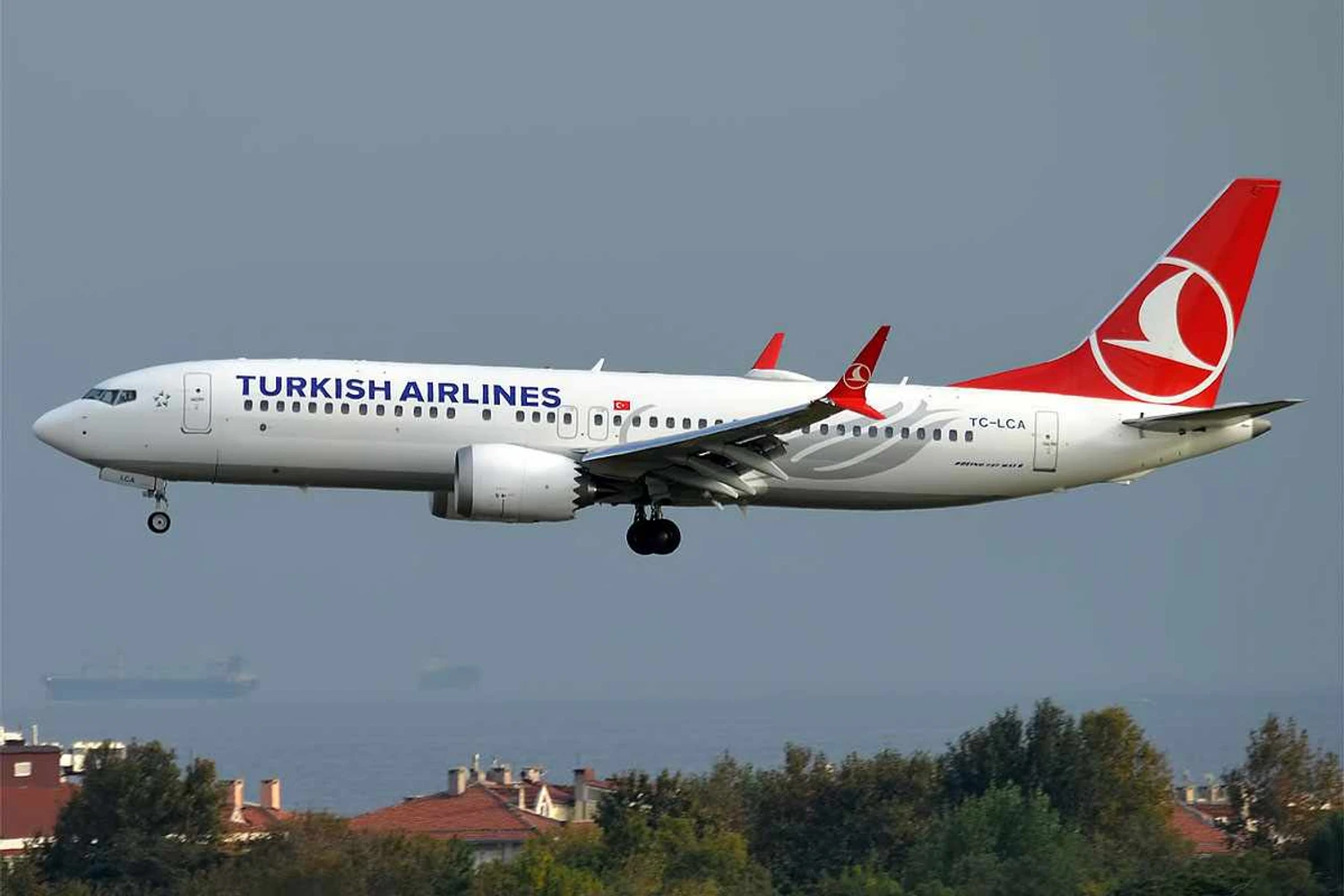
AEVT said the number of foreign-built aircraft available to Russian airlines declined by 47 during 2025 to 742. Boeing and Airbus aircraft still account for most passenger traffic, which makes the gradual loss of available jets particularly significant.
Capacity constraints have encouraged Russian airlines to allocate aircraft to more profitable international services while foreign carriers capture additional traffic. Aeroflot CEO Sergei Alexandrovsky said in 2025 that he expected foreign airlines' Russian traffic to increase by 10% to 20% that year and anticipated further growth in 2026. Foreign operators already accounted for 41.8% of Russia's international air transport market during the first quarter of 2025.
For passengers who once traveled directly between Russia and Western Europe, hubs outside the sanctions regime have also acquired greater importance. Istanbul, Dubai and other airports offer connections between Russia and destinations no longer linked by nonstop services.

Drone war reaches commercial aviation
That rebuilt network now faces a different constraint: the expanding geographic reach of the war.
Ukraine has repeatedly sent long-range drones hundreds of miles into Russian territory. Russian aviation authorities temporarily close airports and restrict sections of airspace when attacks are detected, sometimes disrupting large numbers of flights.
The risks extend beyond delays. Air defense systems operating against drones near civilian air routes create the possibility of misidentification, interception or damage from weapons and debris.
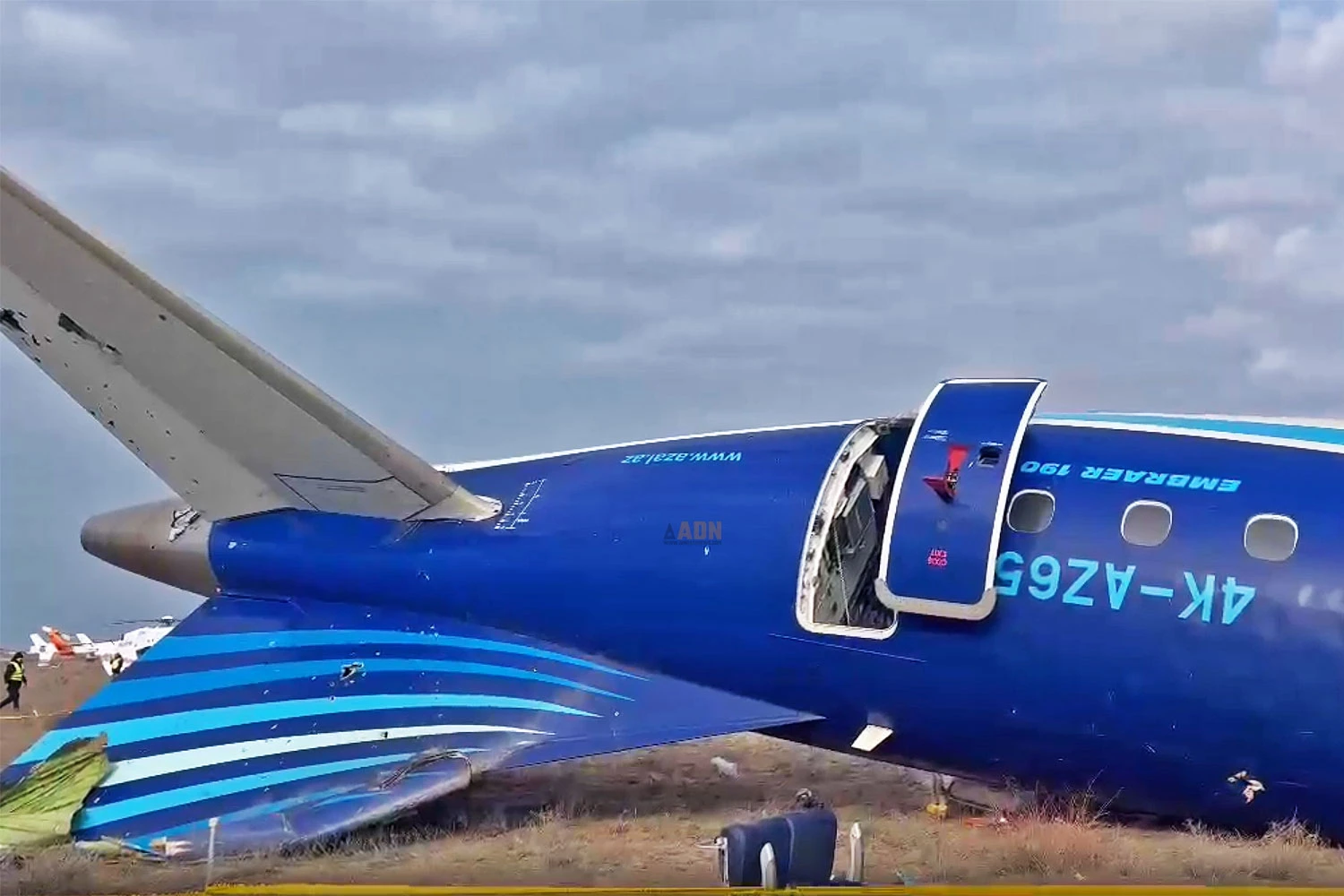
The crash of an Azerbaijan Airlines Embraer E190 near Aktau, Kazakhstan, in December 2024 demonstrated the potential consequences. Flight J2-8243 had been approaching Grozny in southern Russia while Russian air defenses were responding to Ukrainian drones. Azerbaijan's government subsequently said the aircraft had been struck by Russian ground fire before it diverted across the Caspian Sea. Thirty-eight of the 67 people aboard were killed.
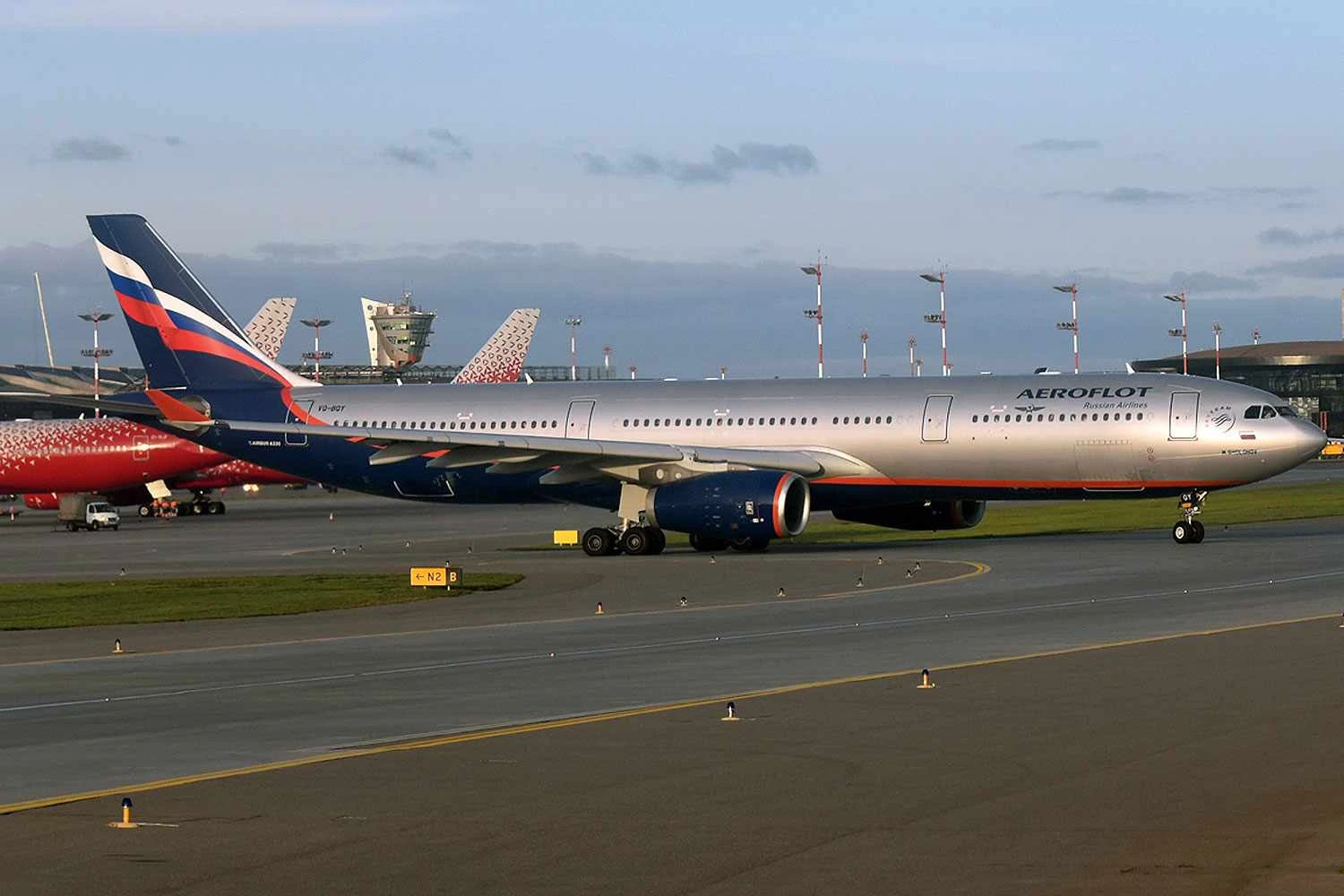
The accident led Azerbaijan Airlines and some other carriers to suspend services to several Russian destinations, but it did not reverse the overall recovery of foreign airline traffic.
Osprey Flight Solutions, an aviation security intelligence company cited by Reuters, expects Ukrainian drone and missile operations to penetrate farther into Russia and increasingly affect areas around major cities.
Russian overflights remain another divide
Zelensky's warning also reaches beyond airlines carrying passengers to Russia. Some foreign carriers continue to cross Russian territory on flights between other countries, an option unavailable to many of their Western competitors.
European airlines largely abandoned Russian overflights after the reciprocal airspace closures of 2022. US airlines are also unable to use Russian airspace, forcing Europe-Asia and North America-Asia services onto longer routings in many cases.
Chinese airlines retain access. Russian airspace can provide substantially shorter routings between China and parts of Europe, creating a cost and scheduling advantage over European competitors forced to fly farther south.
Airlines from countries including China, Turkey and the UAE therefore occupy a very different position from the Western carriers that largely disappeared from Russian airspace after 2022. They have helped restore international connectivity to Russia and, in some cases, continue to use its territory for flights beyond the country.