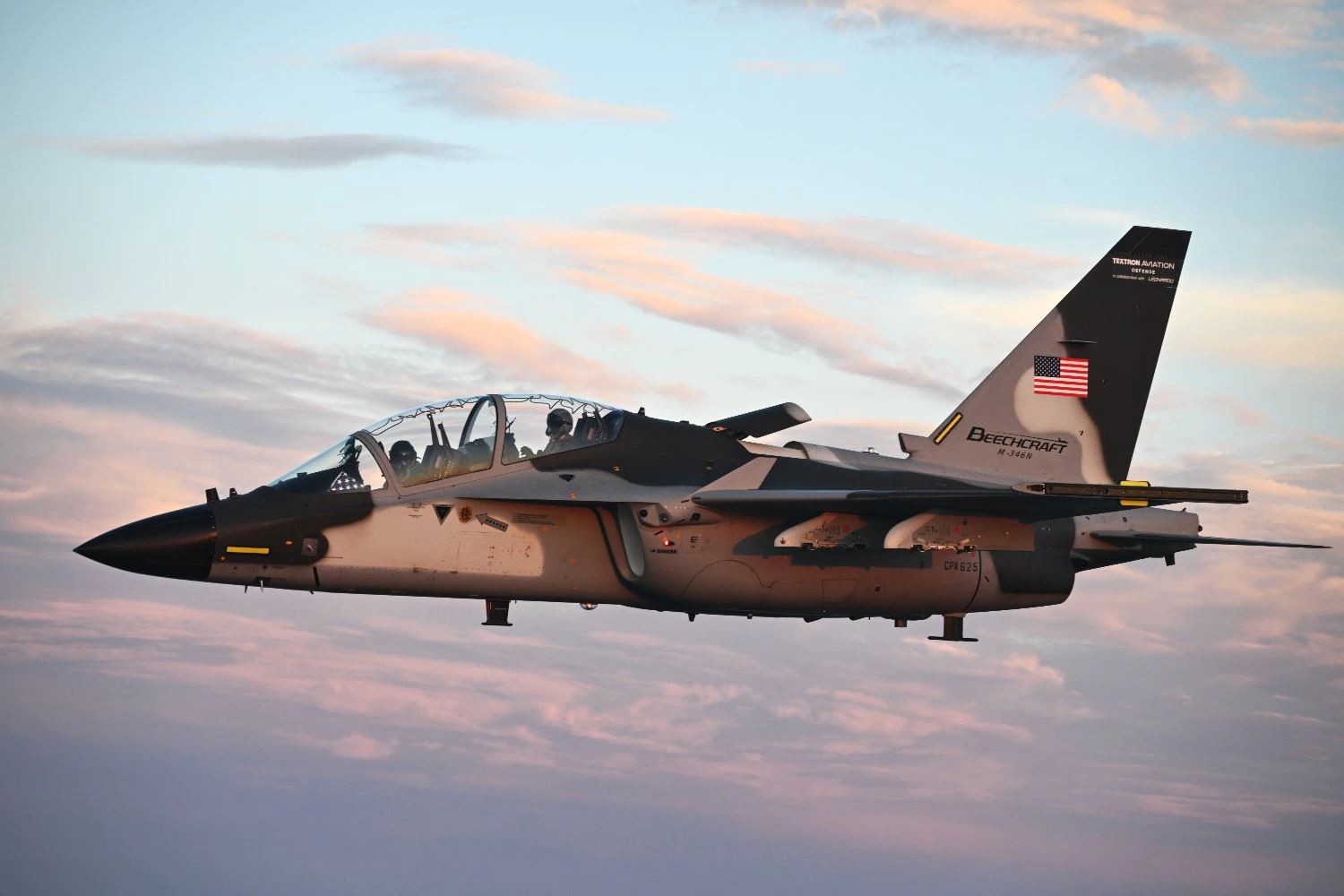
The U.S. Navy's competition for a new jet trainer has lost another major participant just as bidding closed, leaving Textron Aviation Defense and Leonardo in an unusually strong position with the Beechcraft M-346N.
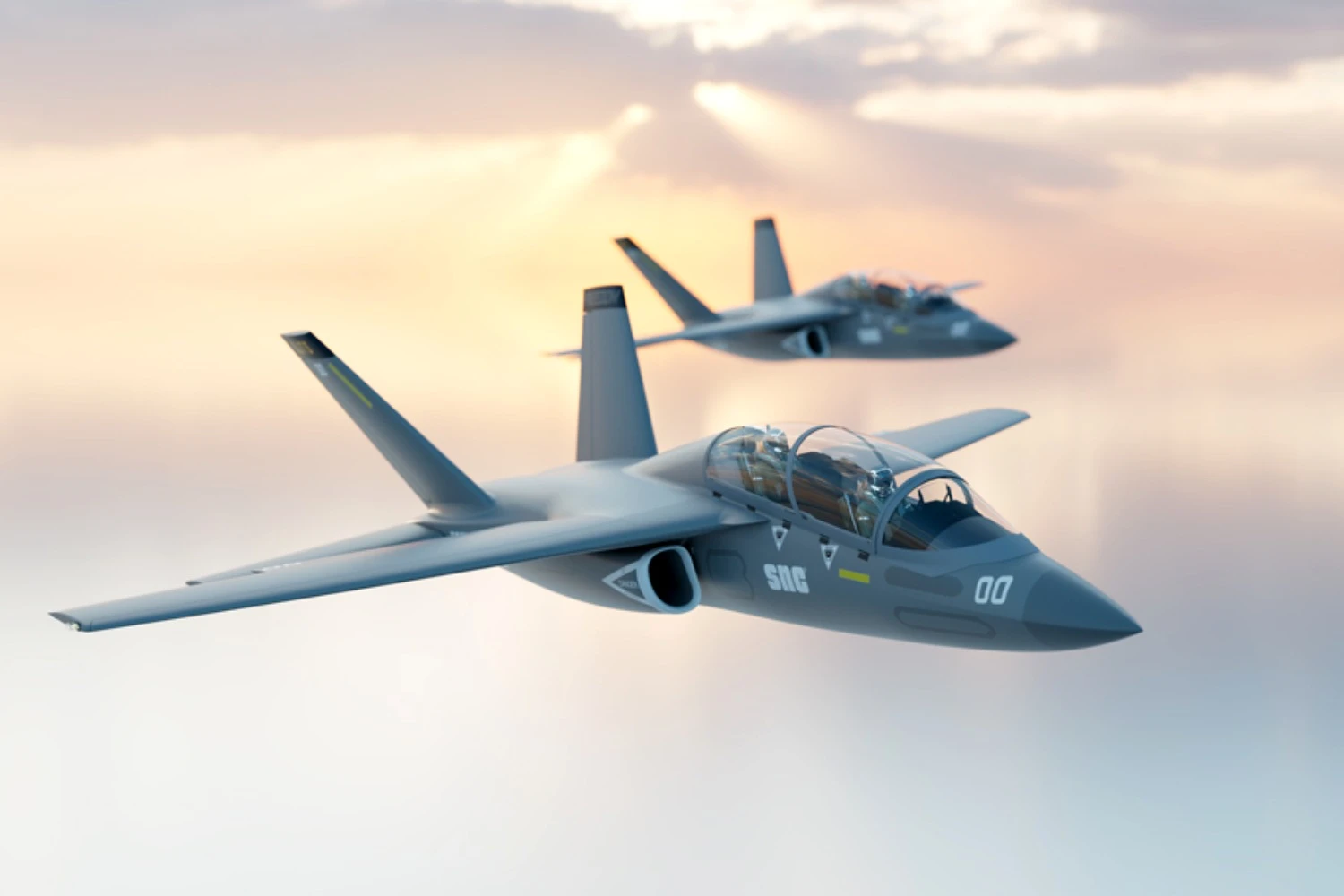
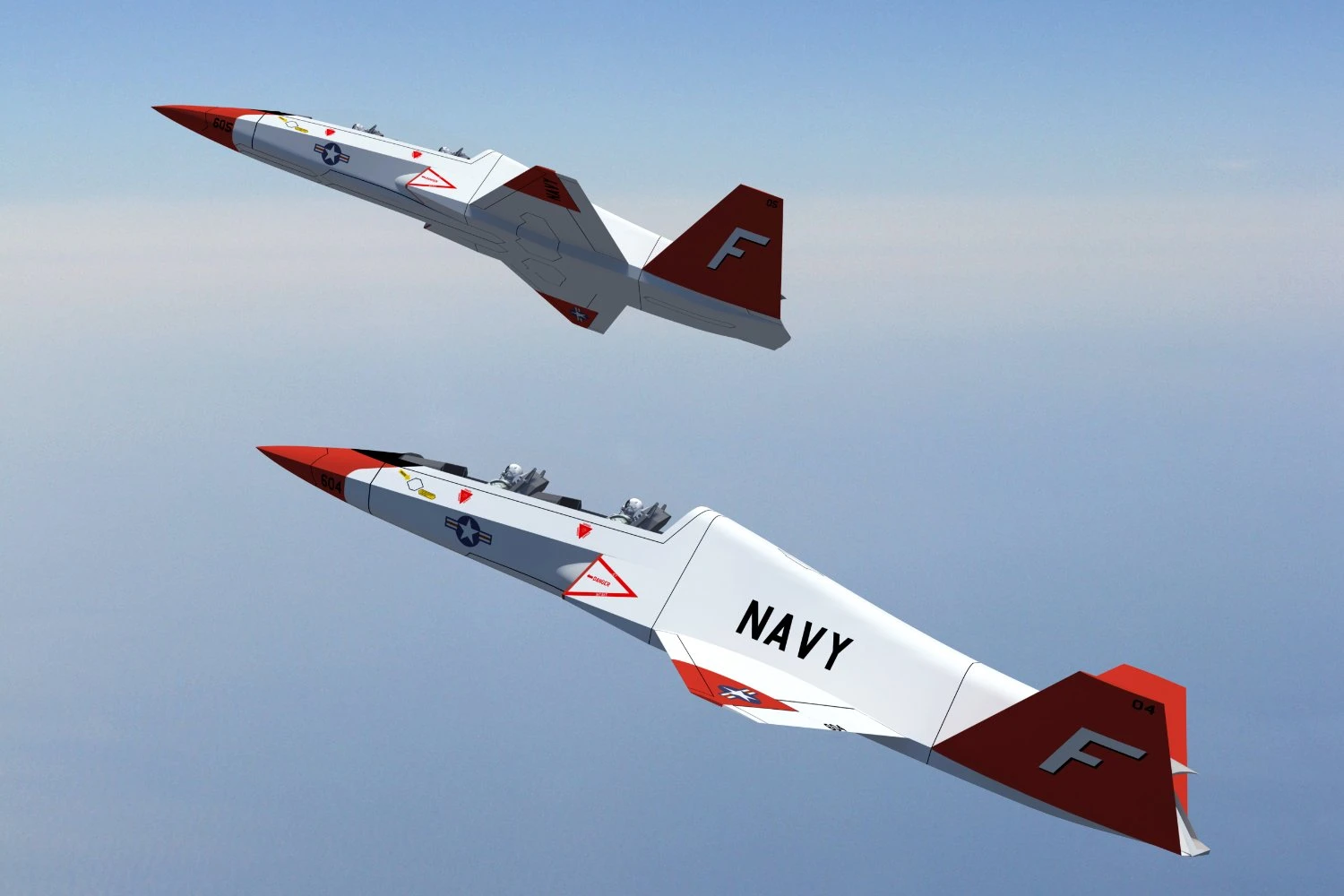
Sierra Nevada Corporation (SNC) confirmed that it did not submit a proposal for the Undergraduate Jet Training System (UJTS) by the October 30 deadline. The decision removes the Freedom Trainer, the only clean-sheet aircraft developed specifically for the competition, from a field that has already lost Boeing and Lockheed Martin.
Follow Air Data News: WhatsApp | Instagram | LinkedIn | Twitter | Facebook
SNC told Breaking Defense, which first reported the withdrawal, that it could not "responsibly bid" under the current contract structure. The company said it remains interested in naval jet training and could return if the Navy revisits its approach.
The withdrawal is particularly notable because SNC had developed the Freedom around the Navy's requirement rather than adapting an existing trainer. The twin-engine aircraft was unveiled in 2025 and was subsequently backed by an industrial team that included General Atomics and, until September, Northrop Grumman.
Field shrinks from four major contenders
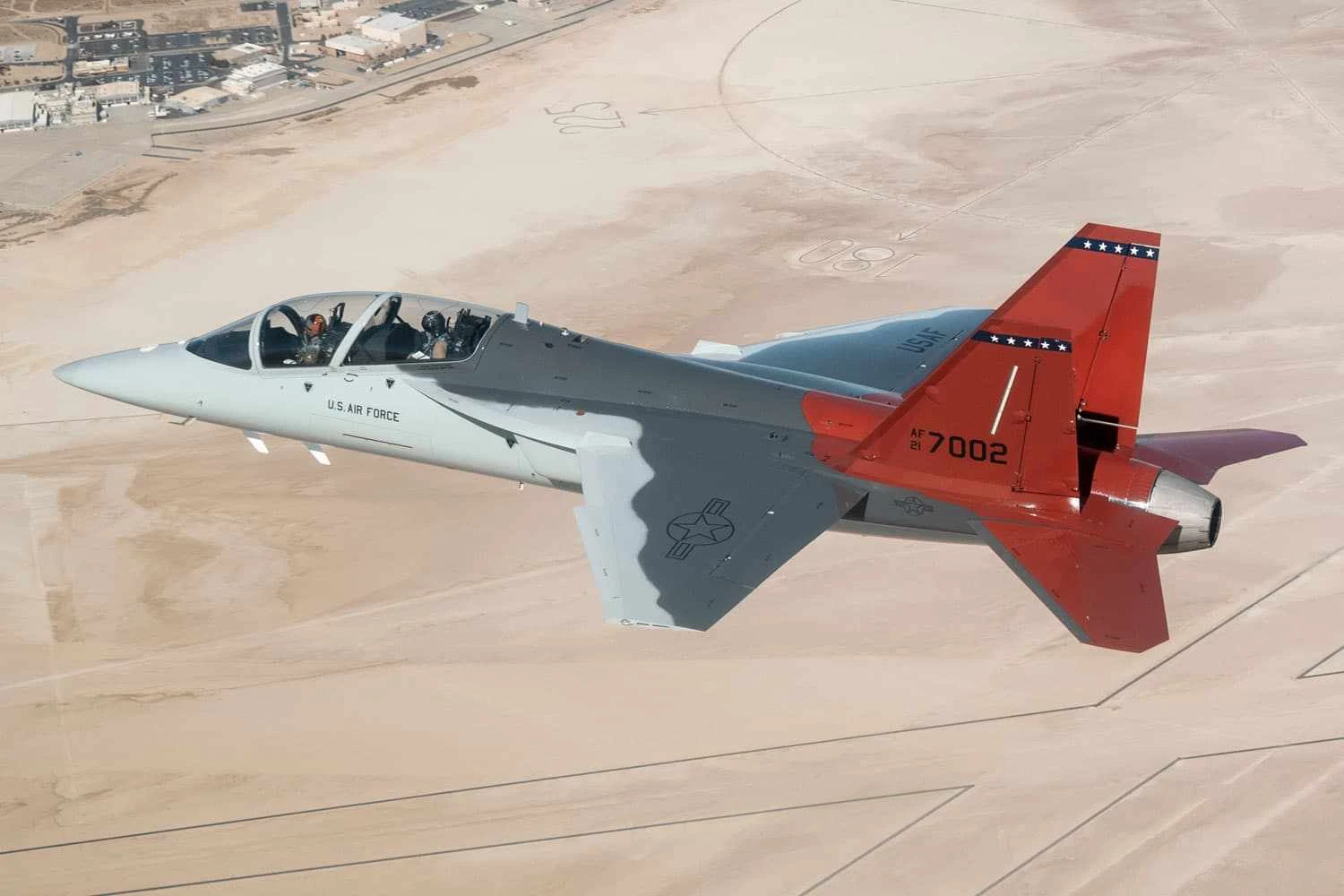
When the Navy formally launched the UJTS competition in March, four major proposals were expected: the Boeing-Saab T-7A Red Hawk, the Lockheed Martin/Korea Aerospace Industries TF-50N, SNC's Freedom Trainer and the M-346N offered by Textron and Leonardo.
Lockheed Martin was the first to leave. The company decided in April not to submit the TF-50N after reviewing the Navy's solicitation, citing the required level of U.S. content among the reasons its proposal was no longer considered suitable.
Boeing followed in June. The company concluded that the T-7A did not meet the Navy's requirements without additional development, including work associated with qualifying its GE Aerospace F404 engine. Its departure reduced what had started as a four-way contest to the Freedom and M-346N.
Related news

Northrop Grumman then left SNC's industrial team in September, although SNC and General Atomics initially continued pursuing the program.
The final withdrawal came despite changes made by the Navy during the competition. After industry pushback, the service increased the engineering and manufacturing development cost ceiling from about US$1.75 billion to US$2.7 billion and repeatedly extended the proposal deadline.
SNC's statement now points directly to the contract structure rather than the aircraft itself as the reason it ultimately decided not to bid.
M-346N left in commanding position
Textron and Leonardo's M-346N takes a very different approach from the Freedom. Rather than developing a new aircraft, the proposal adapts Leonardo's mature M-346 advanced trainer, a type already produced in significant numbers and operated by several air forces.
Textron would perform final assembly in Wichita, Kansas, if the aircraft is selected, while Leonardo would continue producing major structures and supporting the aircraft's flight-control and avionics software.
The M-346N is now the only known proposal from an established aircraft manufacturer remaining in the competition. Stavatti Aerospace has said it also submitted a UJTS proposal, although the Navy has not disclosed the bidders and has not announced any selection.
That distinction means Textron cannot yet be described as the winner. But the departure of three major alternatives has transformed a competition that began with Boeing, Lockheed Martin, SNC and Textron into one in which the M-346N has no known rival backed by a comparable aircraft manufacturer.
Navy pushes decision further into 2027
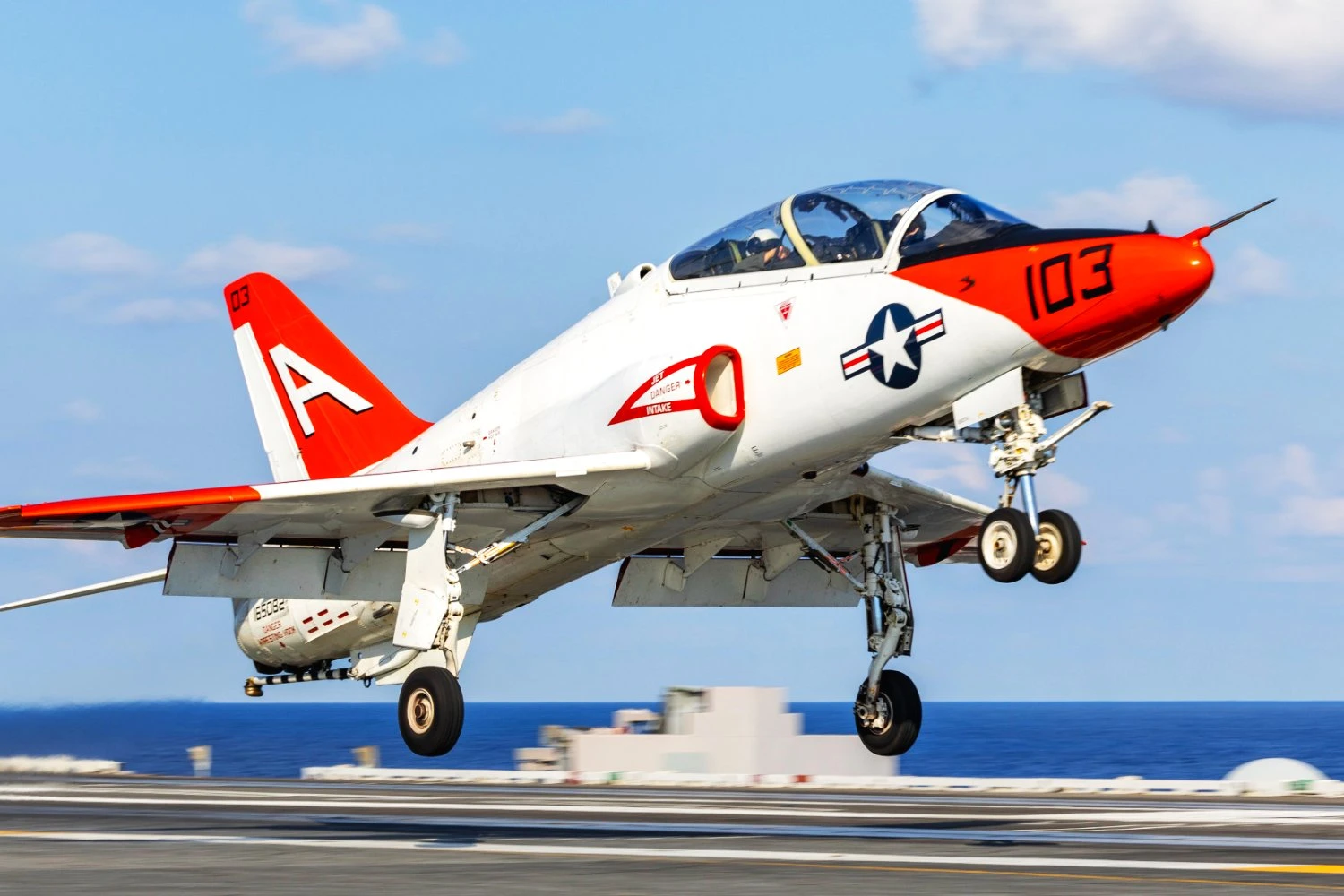
UJTS will replace the Boeing T-45 Goshawk, a carrier-capable jet trainer that has trained U.S. Navy and Marine Corps pilots since the early 1990s. The Navy plans to acquire 216 aircraft, with the first production deliveries currently expected in 2032.
Unlike the T-45, the new trainer will not be required to land aboard aircraft carriers. The Navy also dropped the requirement for field carrier landing practice to continue through touchdown, instead requiring pilots to practice approaches and wave-offs while relying more heavily on simulation before moving to operational aircraft.
The Navy has also delayed its selection again. After initially planning an award in March 2027 and later moving it to June, the UJTS program office now expects to award the contract during the fourth quarter of fiscal 2027, between July and September.