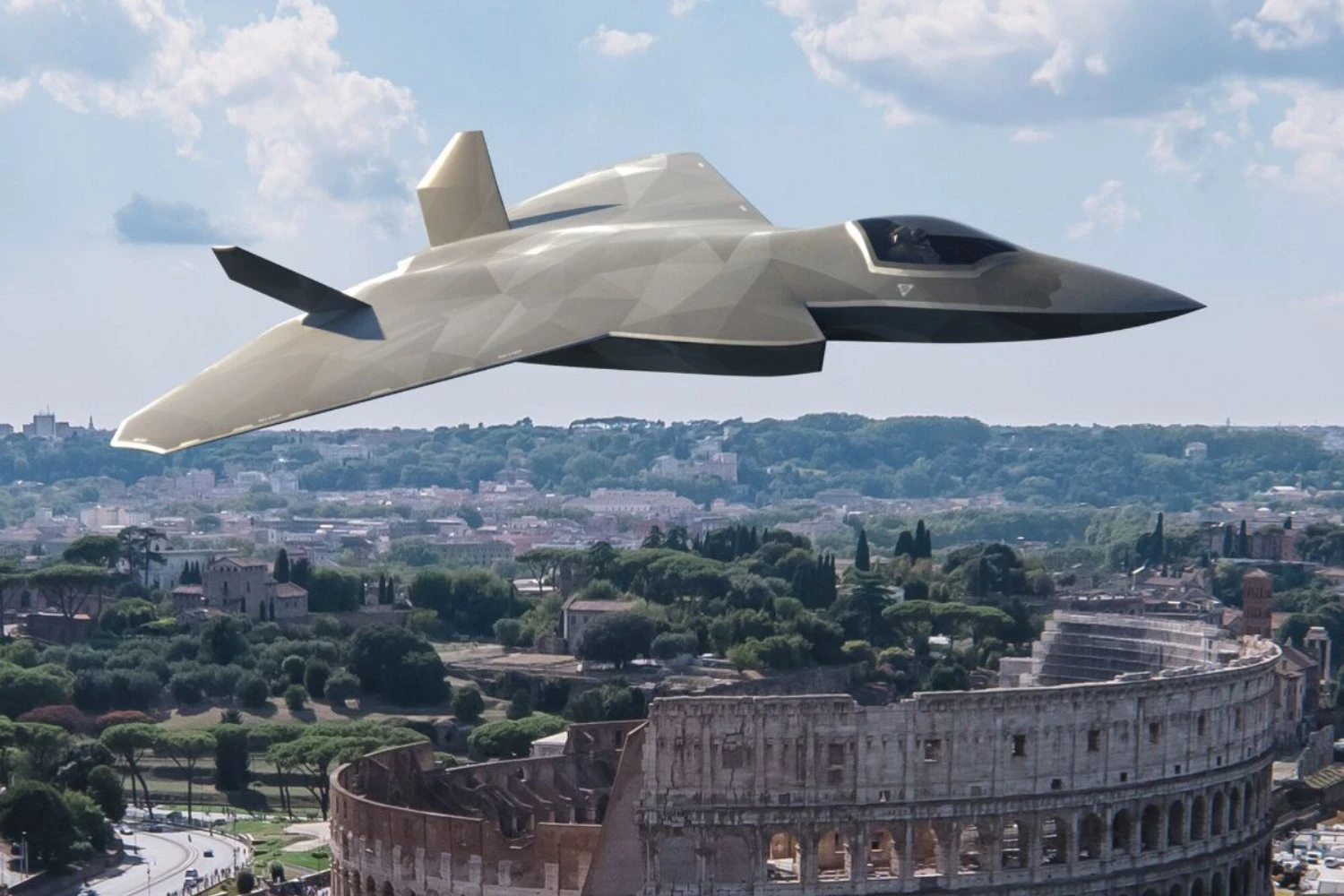
Bombardier and BAE Systems have signed a memorandum of understanding to explore cooperation on next-generation combat air capabilities in Canada, three months after the country joined the Global Combat Air Programme (GCAP) as its first observer.
The agreement announced on Wednesday covers aircraft and mission-system design, systems integration, digital engineering, advanced manufacturing, sustainment and security.
The two companies said they intend to develop capabilities that could support future combat aircraft from the initial design stage through manufacturing and in-service support, including what BAE Systems described as long-term sovereign combat air capabilities in Canada and international markets.
Neither company explicitly tied the agreement to Canadian participation in GCAP, but BAE Systems is one of the three main industrial partners behind the program alongside Italy's Leonardo and Japan's Mitsubishi Heavy Industries.
Follow Air Data News: WhatsApp | Instagram | LinkedIn | Twitter | Facebook
The three companies created Edgewing, the joint venture that acts as prime contractor and design authority for the next-generation fighter being developed

by the United Kingdom, Italy and Japan for service from 2035.
Canada moves closer to GCAP industry
Canada joined GCAP as its first observer nation in July. The arrangement gives Ottawa access to information about the program's governance, capabilities, industrial structure and security requirements without making Canada a full partner.
The Canadian government said at the time that observer status would allow it to assess potential future participation and identify opportunities for domestic companies within the emerging sixth-generation combat air ecosystem.
Bombardier is one of Canada's largest aerospace manufacturers and produces the Global family of business jets in the country. Its defense business has increasingly used those aircraft as platforms for military missions, including intelligence, surveillance and reconnaissance applications.
The agreement with BAE Systems could extend that involvement into combat-air development, although the companies have not disclosed specific projects or work packages.
Several fighter paths under evaluation
The move comes while Canada is simultaneously dealing with its current and future fighter requirements.
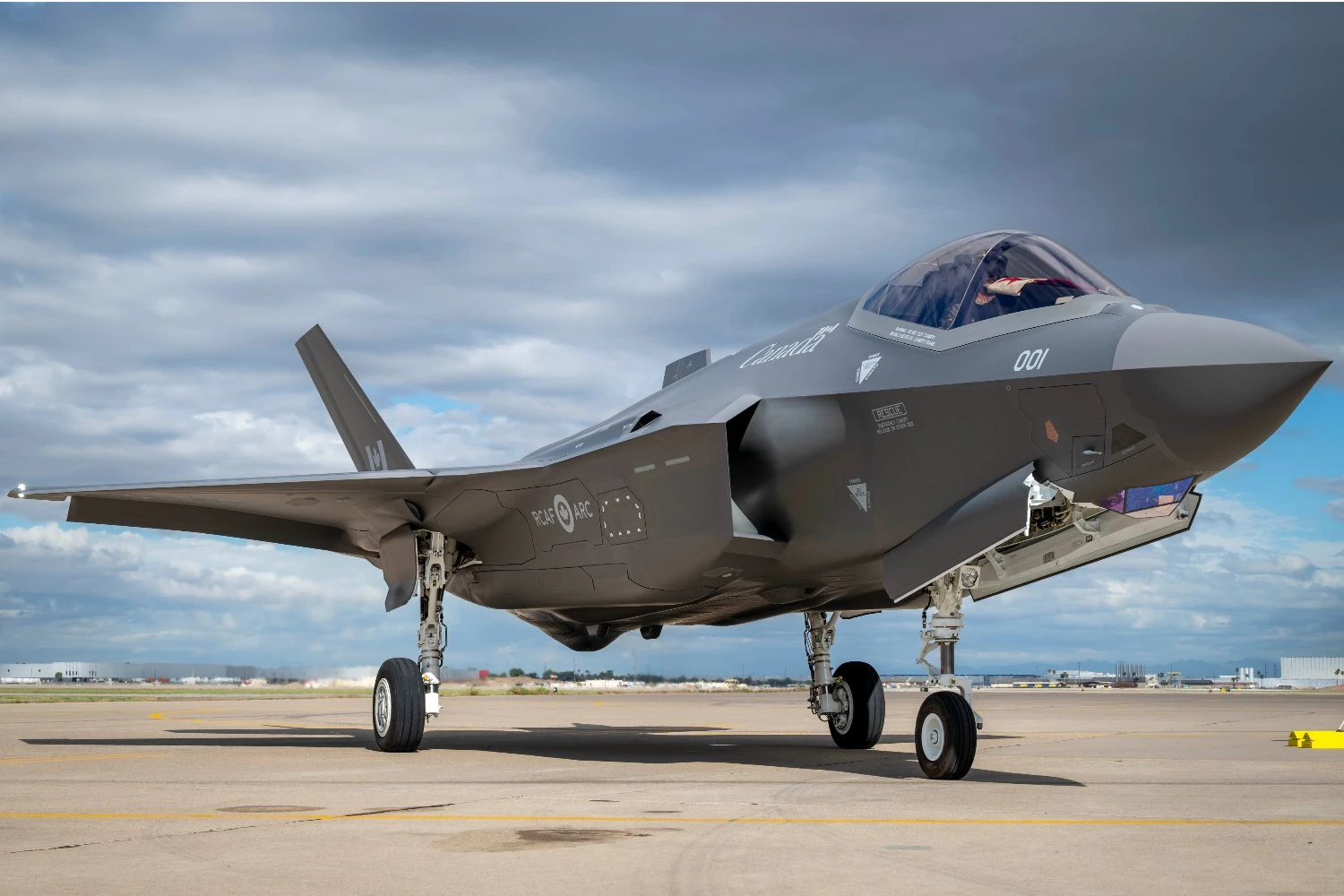
The Royal Canadian Air Force received its first two Lockheed Martin CF-35A Lightning II fighters last week at Luke Air Force Base in Arizona. Canada originally selected 88 F-35As to replace its CF-18 Hornets, but Prime Minister Mark Carney's government is reviewing whether to complete the entire acquisition after committing to the first 16 aircraft.
Ottawa has also examined the Saab Gripen E as a possible alternative for part of the requirement. Saab has proposed extensive Canadian industrial participation if the government decides to operate a mixed fighter fleet.
GCAP addresses a different timeframe. The UK-Italian-Japanese program is developing a sixth-generation combat aircraft for introduction around 2035 and is intended to form part of a wider combat air system that includes crewed and uncrewed aircraft, sensors and networked capabilities.
Related news

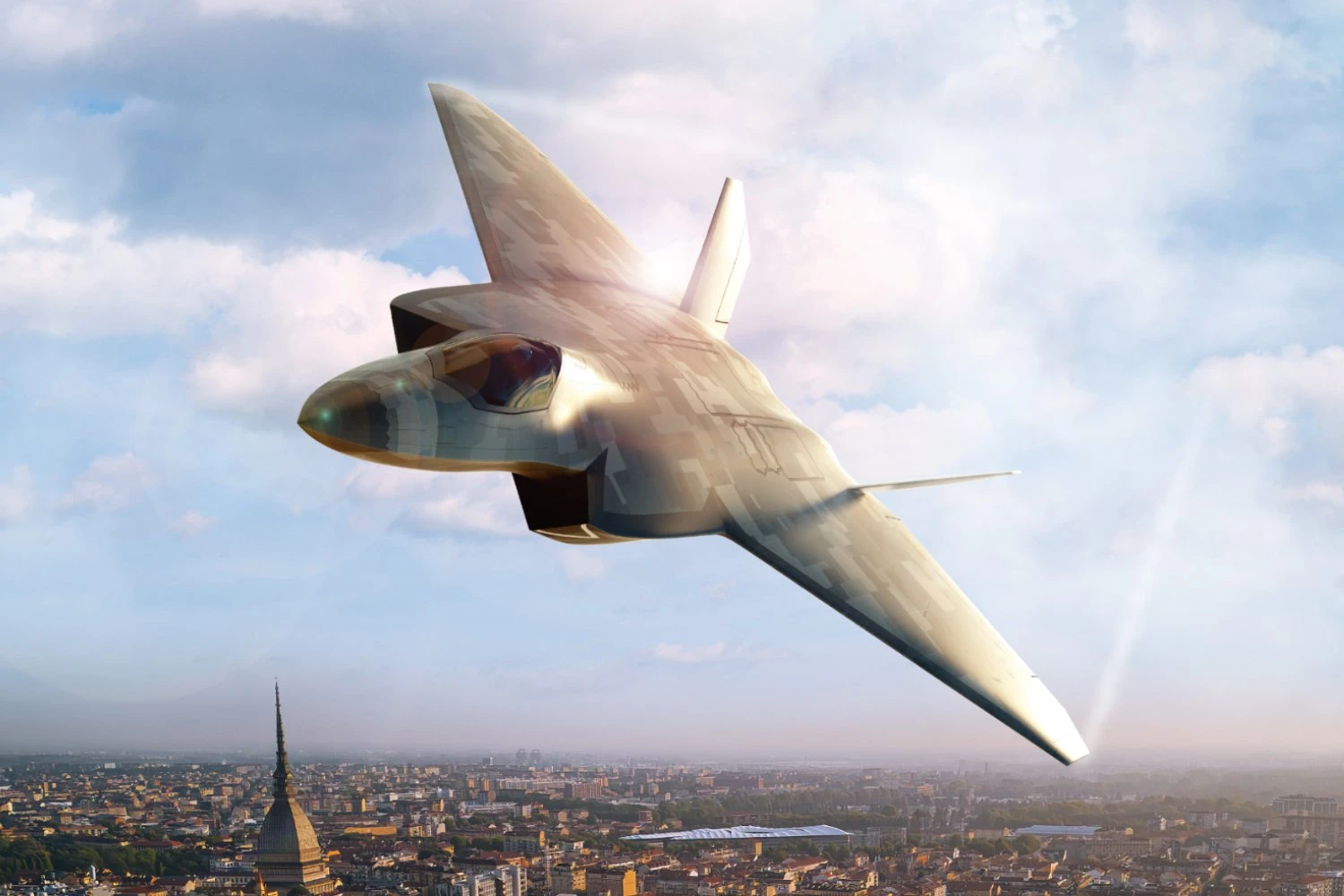
Canada's observer status therefore does not imply that GCAP would replace the F-35. It gives Ottawa access to a program aimed at the generation of combat aircraft that will follow today's F-35, Gripen E and other advanced fighters.