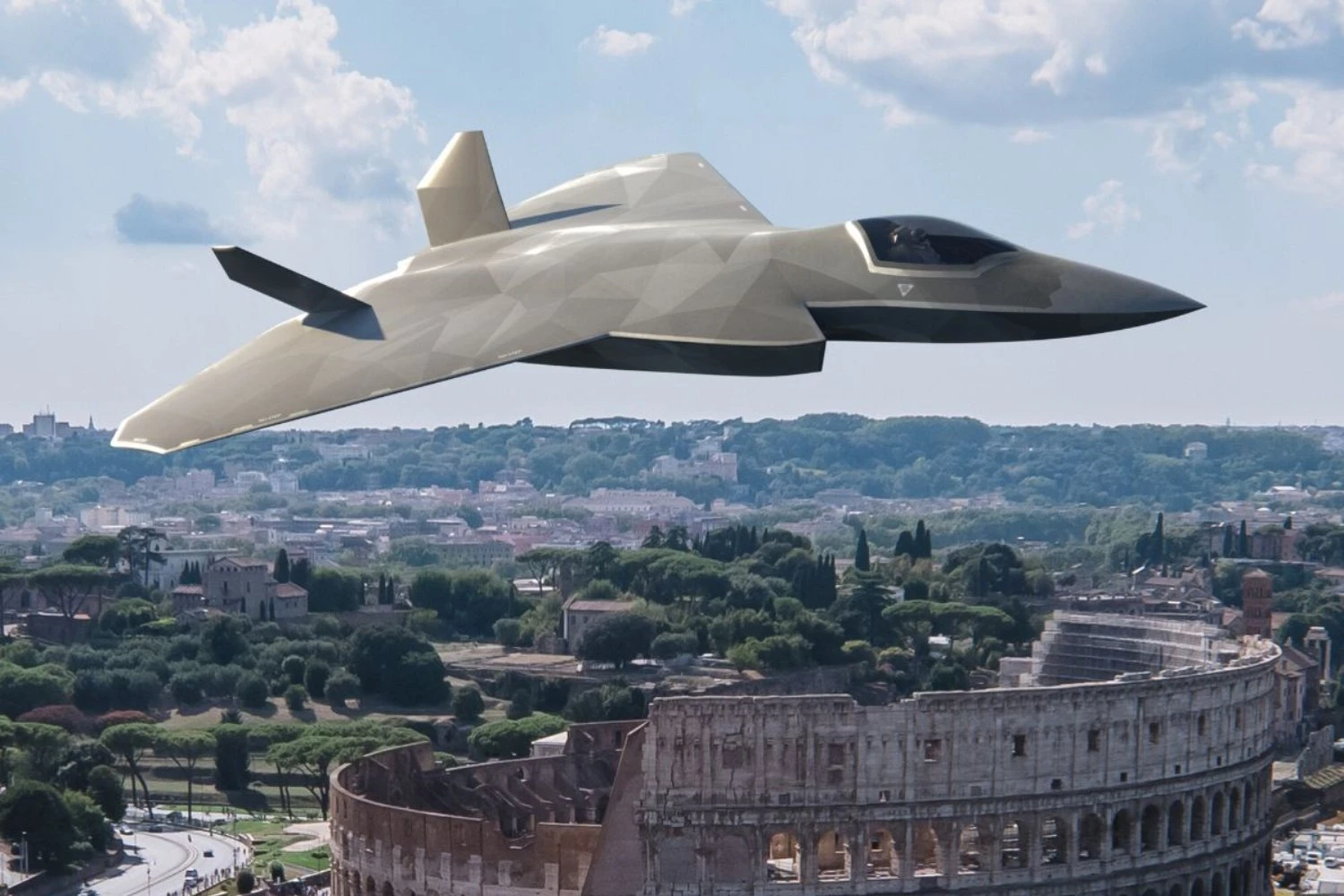
Canada has become the first observer nation in the Global Combat Air Programme (GCAP), the United Kingdom, Italy and Japan's sixth-generation fighter initiative.
The new status does not give Canada a decision-making role, but allows it to participate in discussions on the program's governance, industrial framework, capability development and long-term planning.
Related news
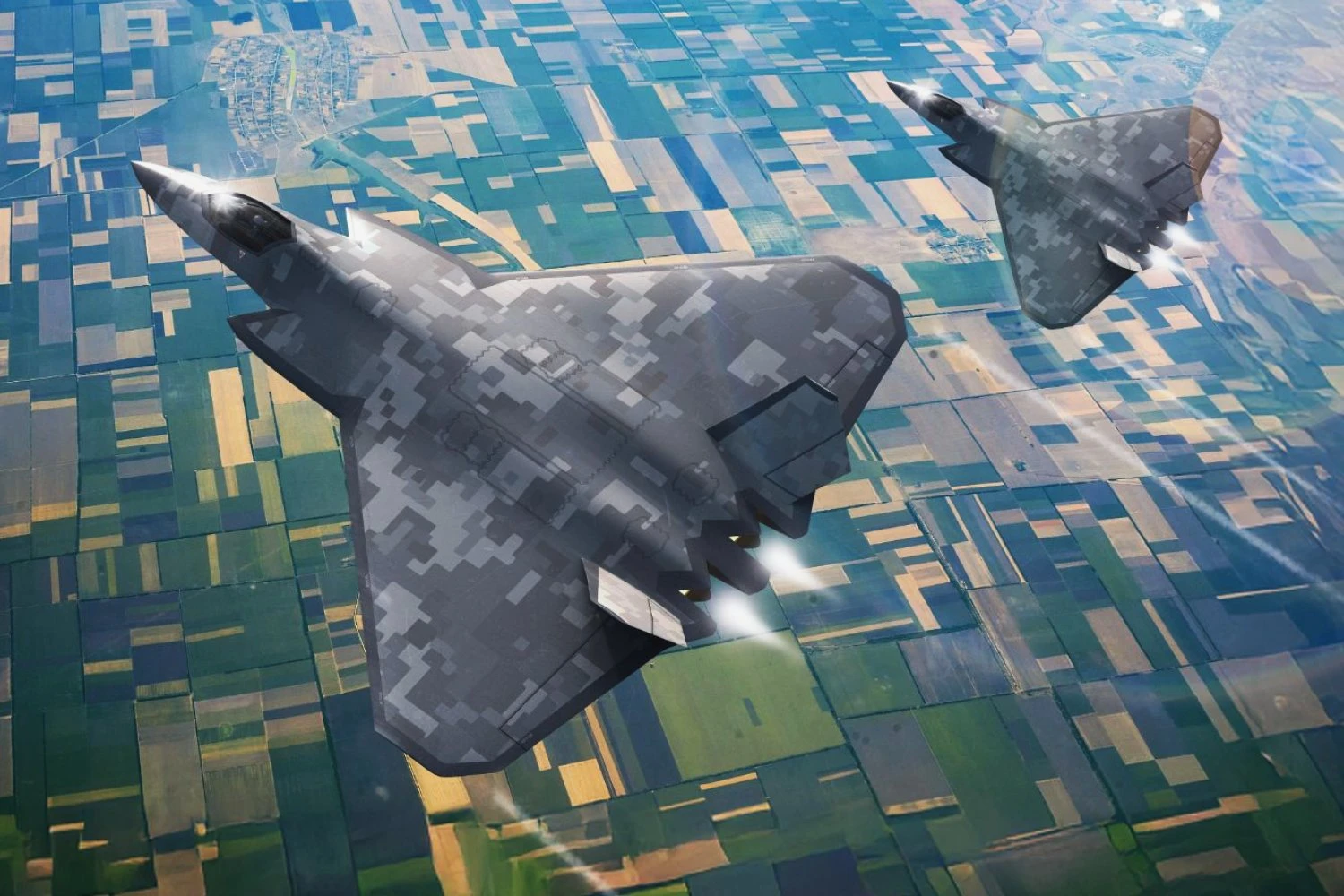
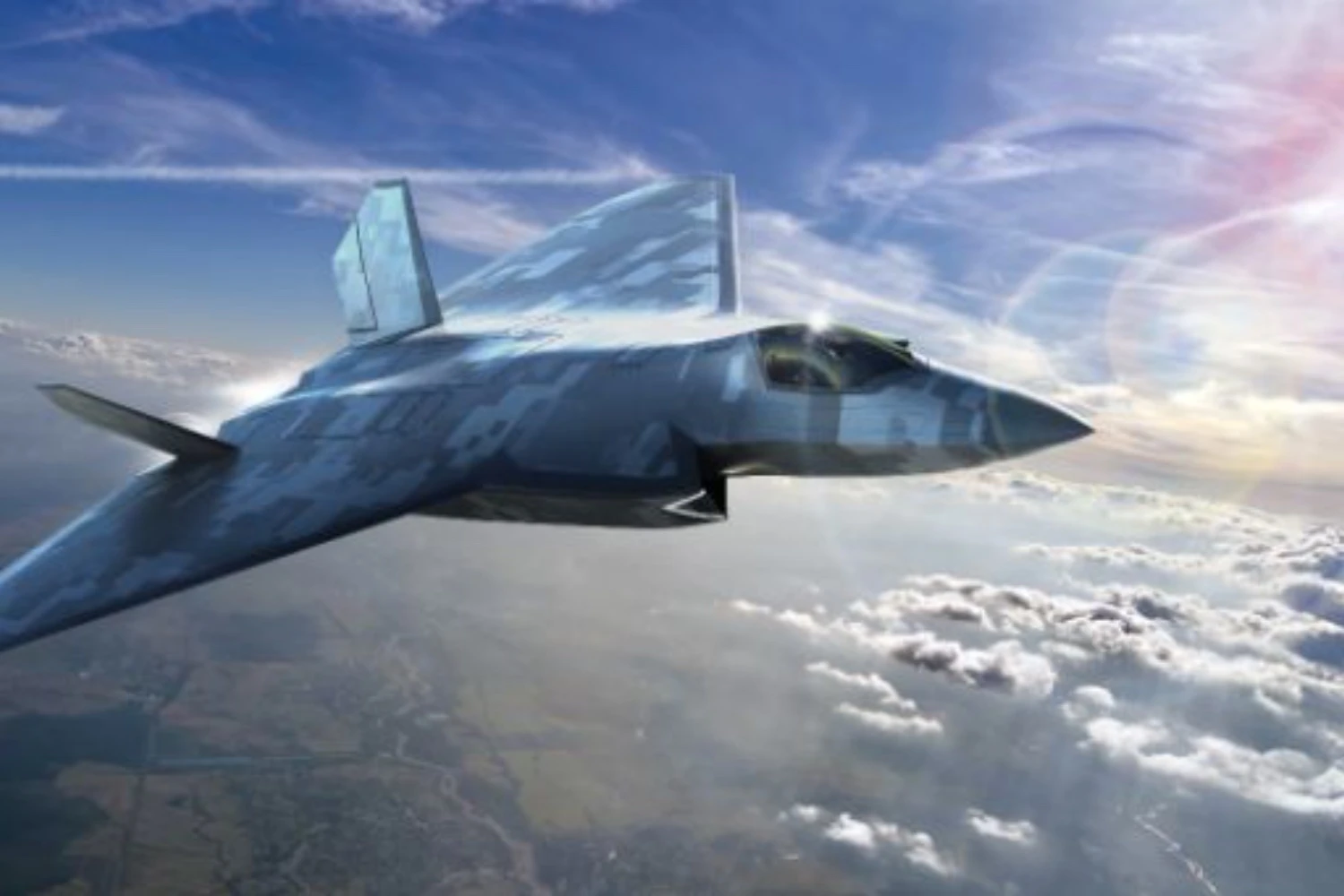
Observer status gives Canada access to the program's governance, capability development, industrial framework and long-term planning, but does not give Ottawa a decision-making role.
The announcement was made in London during a meeting between UK Defence Secretary Wes Streeting, Italian Defence Minister Guido Crosetto, Japanese Defense Minister Koizumi Shinjirō and Canadian Defence Minister David McGuinty.
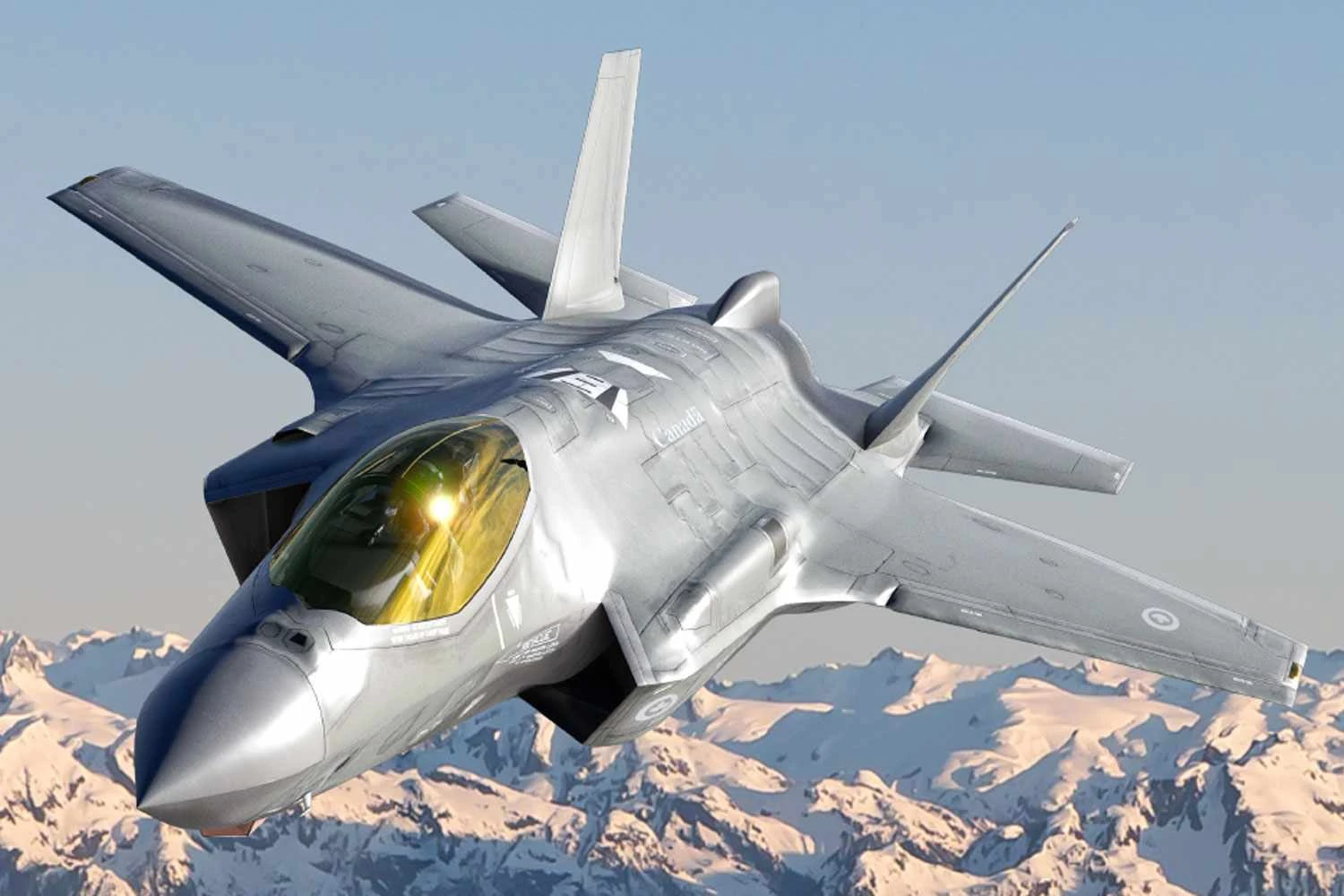
GCAP was launched by the UK, Italy and Japan in 2022 to develop a sixth-generation combat aircraft intended to enter service by 2035. The aircraft is expected to feature advanced sensors, artificial intelligence, autonomous functions and the ability to operate alongside uncrewed systems while complementing existing fighters such as the Lockheed Martin F-35.
Earlier this month, the three partner nations awarded a £4.6 billion contract to industrial joint venture Edgewing to continue aircraft design and testing activities. The UK has also committed £8.6 billion to the program over the next four years.
Canada's decision comes as the Royal Canadian Air Force (RCAF) reviews its future fighter fleet. Ottawa has ordered 88 F-35A fighters, but government officials have acknowledged they are examining whether all aircraft will ultimately be acquired while evaluating alternatives from European manufacturers.
Among the options discussed publicly is the Saab Gripen E, which competed against the F-35 in Canada's fighter competition and remains in production. The reassessment has drawn attention amid increasingly strained political relations between Ottawa and Washington following recent statements by U.S. President Donald Trump regarding Canada.