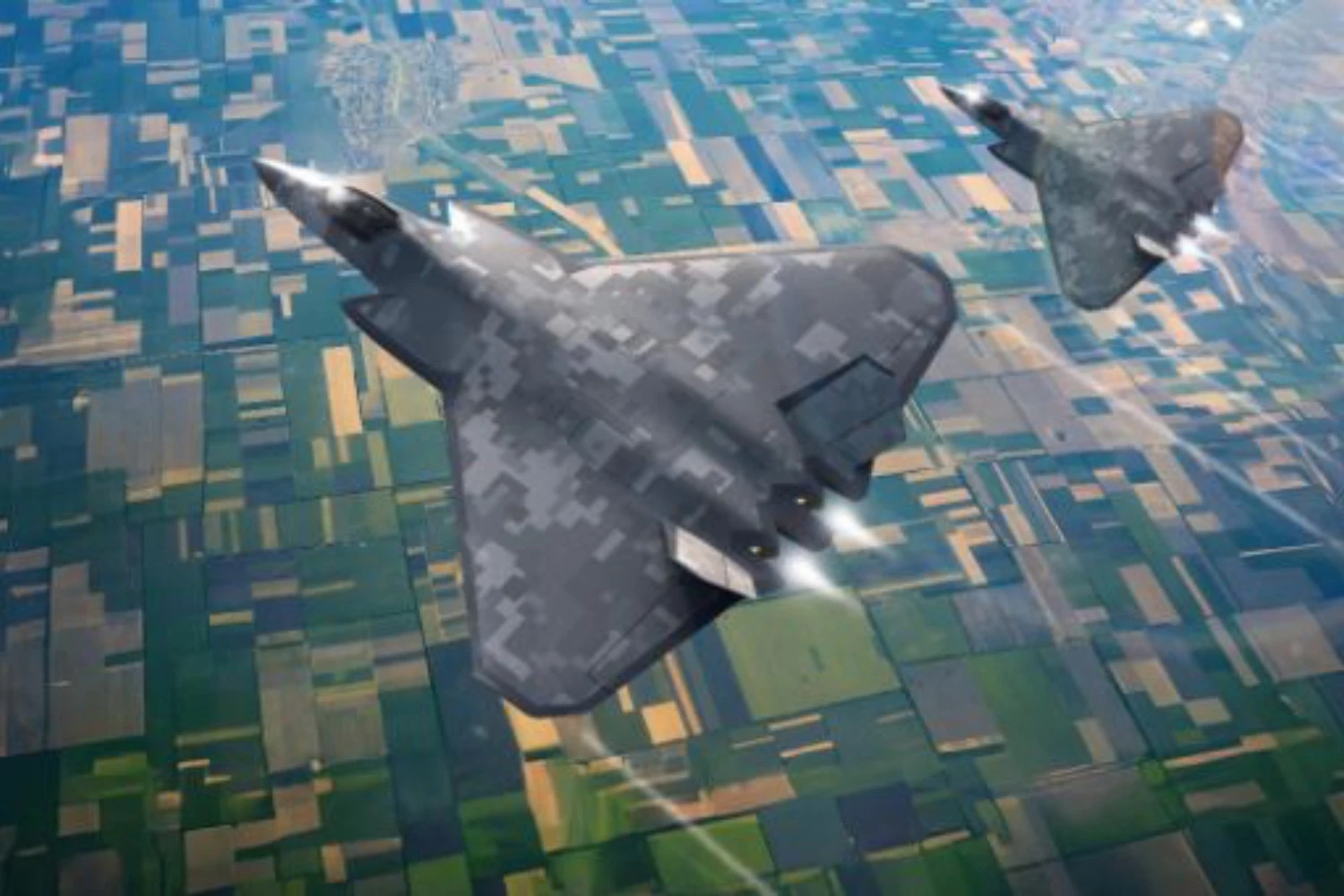
Germany has increasingly been mentioned as a possible new partner in the Global Combat Air Programme after the collapse of the Franco-German FCAS fighter project. Bringing Europe's largest economy into GCAP could add funding and future aircraft orders, but fitting German industry into a program already divided among Britain, Italy and Japan may prove considerably more complicated.
That question became more explicit after comments by senior executives at Airbus, Leonardo and Rolls-Royce reported by The Guardian on Tuesday.
Michael Schoellhorn, CEO of Airbus Defence and Space, said the company would be interested in joining a program in which it could have "a significant portion of the work and the leadership," adding that such possibilities were being explored.
That condition could be difficult to reconcile with a program whose three founding countries have already spent years establishing its industrial structure.
Follow Air Data News: WhatsApp | Instagram | LinkedIn | Twitter | Facebook
GCAP was launched by Britain, Italy and Japan in 2022, with the objective of fielding a next-generation combat aircraft in 2035. Its government organization and industrial counterpart have since been established, with BAE Systems, Leonardo and Japan Aircraft Industrial Enhancement Co. forming the Edgewing joint venture.
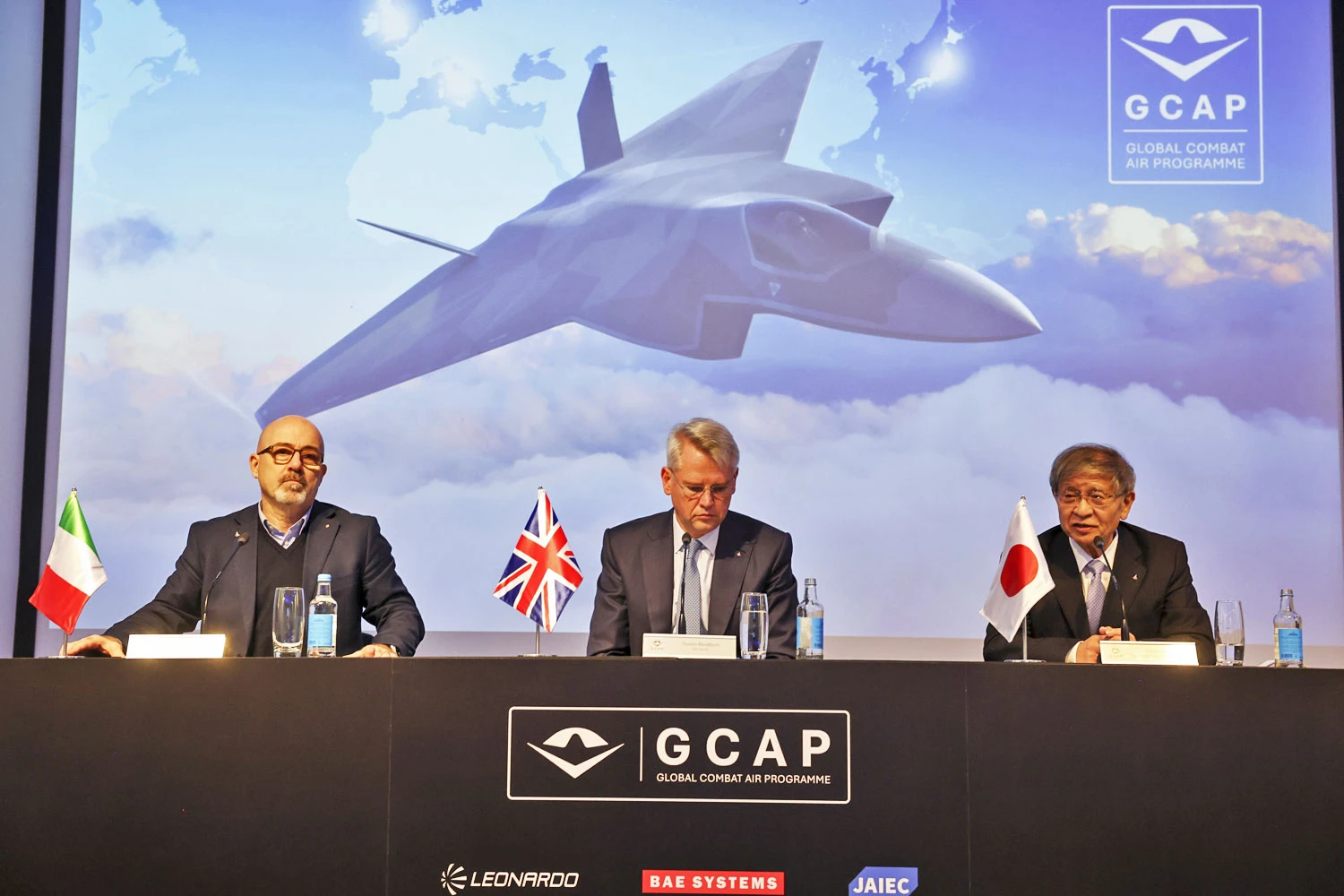
In July, the three governments awarded Edgewing a £4.6 billion (US$6.2 billion) contract for the next stage of aircraft design. The agreement is particularly relevant to any German ambitions because the original GCAP framework says work distribution should be proportional to each country's financial and technical contribution while maintaining an equal partnership.
Adding Germany as another full partner would therefore be different from simply adding another customer.
Workshare problem
Germany would also bring Airbus Defence and Space, one of Europe's largest military aircraft manufacturers and the German industrial partner in both Eurofighter and the now-defunct FCAS project.
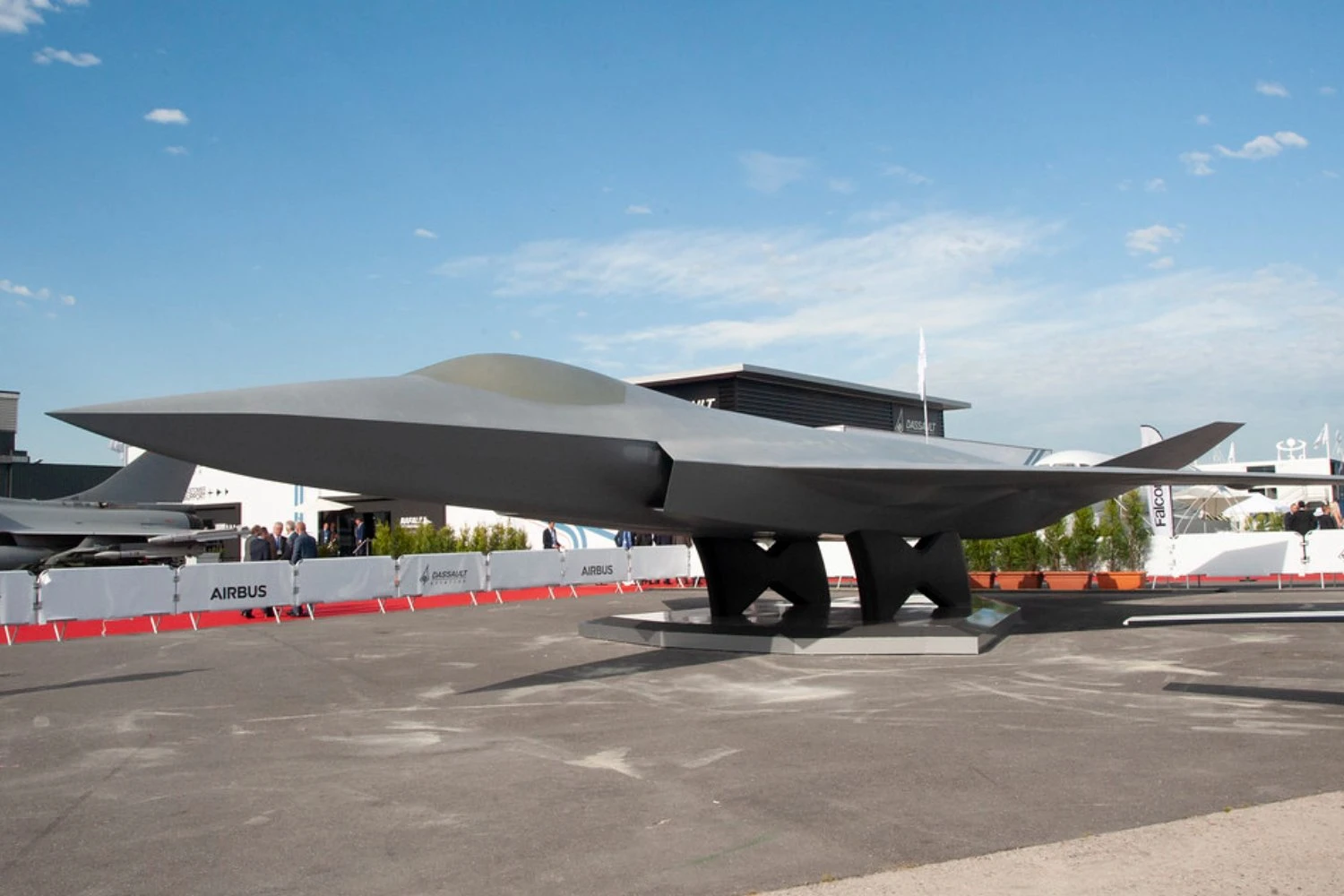
The dispute over industrial responsibilities was central to the breakdown of FCAS. Dassault Aviation and Airbus failed to agree on leadership and workshare for the Next Generation Fighter, eventually contributing to France and Germany abandoning the joint fighter effort.
GCAP's participants have tried to deal with that issue much earlier. Edgewing CEO Marco Zoff told The Guardian that the structure was intended to create conditions in which the partners would not have to fight over responsibilities later. An industry source described the approach as having the disputes over workshare at the beginning of the program rather than during development.
Germany's arrival could force at least some of those negotiations to be reopened. Leonardo CEO Lorenzo Mariani nevertheless described Germany as a potentially "positive element" and a strong financial partner. He also acknowledged that adding another core participant could create additional risk of delays.
Engine question
Propulsion presents another example of the challenge. Rolls-Royce CEO Tufan Erginbilgiç said German participation would not necessarily have a negative effect on GCAP and argued that additional countries could expand the market for the aircraft. But he declined to say whether Rolls-Royce could share work with Germany's MTU Aero Engines.
The two companies, however, are far from strangers. Rolls-Royce and MTU have worked together on European combat aircraft engines for more than half a century. In 1969, they joined FiatAvio in creating Turbo-Union to develop the RB199 for the Panavia Tornado.
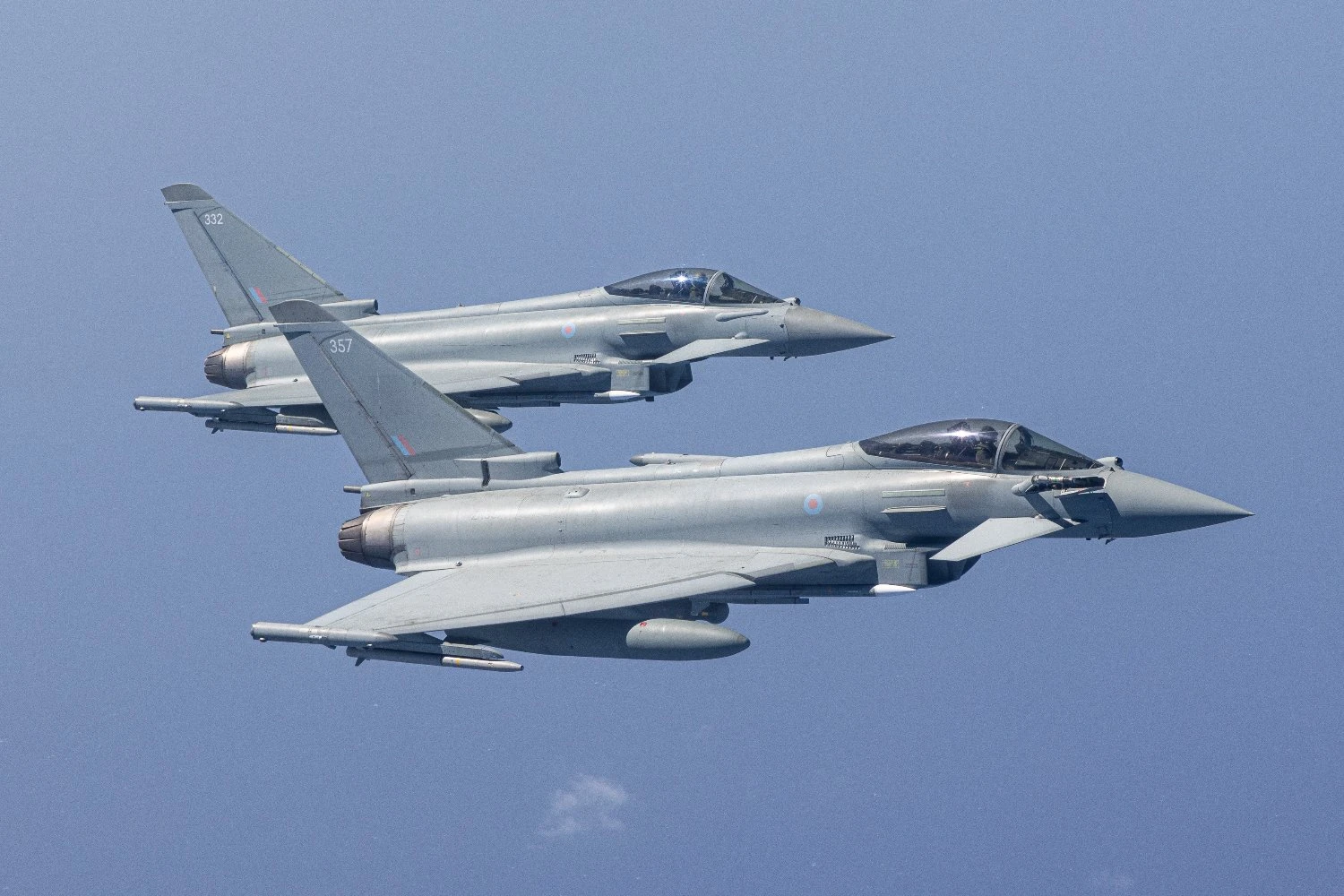
The relationship continued with the EJ200 that powers the Eurofighter Typhoon. MTU, Rolls-Royce, Avio Aero and ITP Aero are partners in the EUROJET consortium, with MTU holding a 30% production share and 33% of development. The German company is responsible for the engine's low- and high-pressure compressors and digital engine control and monitoring unit, among other responsibilities.
The history shows that integrating Rolls-Royce and MTU into the same propulsion program is not unprecedented. The difference is timing.
Both Tornado and Eurofighter were conceived from the outset as multinational European programs, allowing national industrial responsibilities to be negotiated as part of their creation. Germany would be entering GCAP after Britain, Italy and Japan have already established their government and industrial organizations and begun the aircraft's international design phase.
Old partners, different structure
A German move toward GCAP would also revive a long history of combat-air cooperation with Britain.
West Germany and Britain were partners in the Panavia Tornado alongside Italy, followed by the Eurofighter program with Italy and Spain. Rolls-Royce and MTU worked together on the engines of both aircraft.
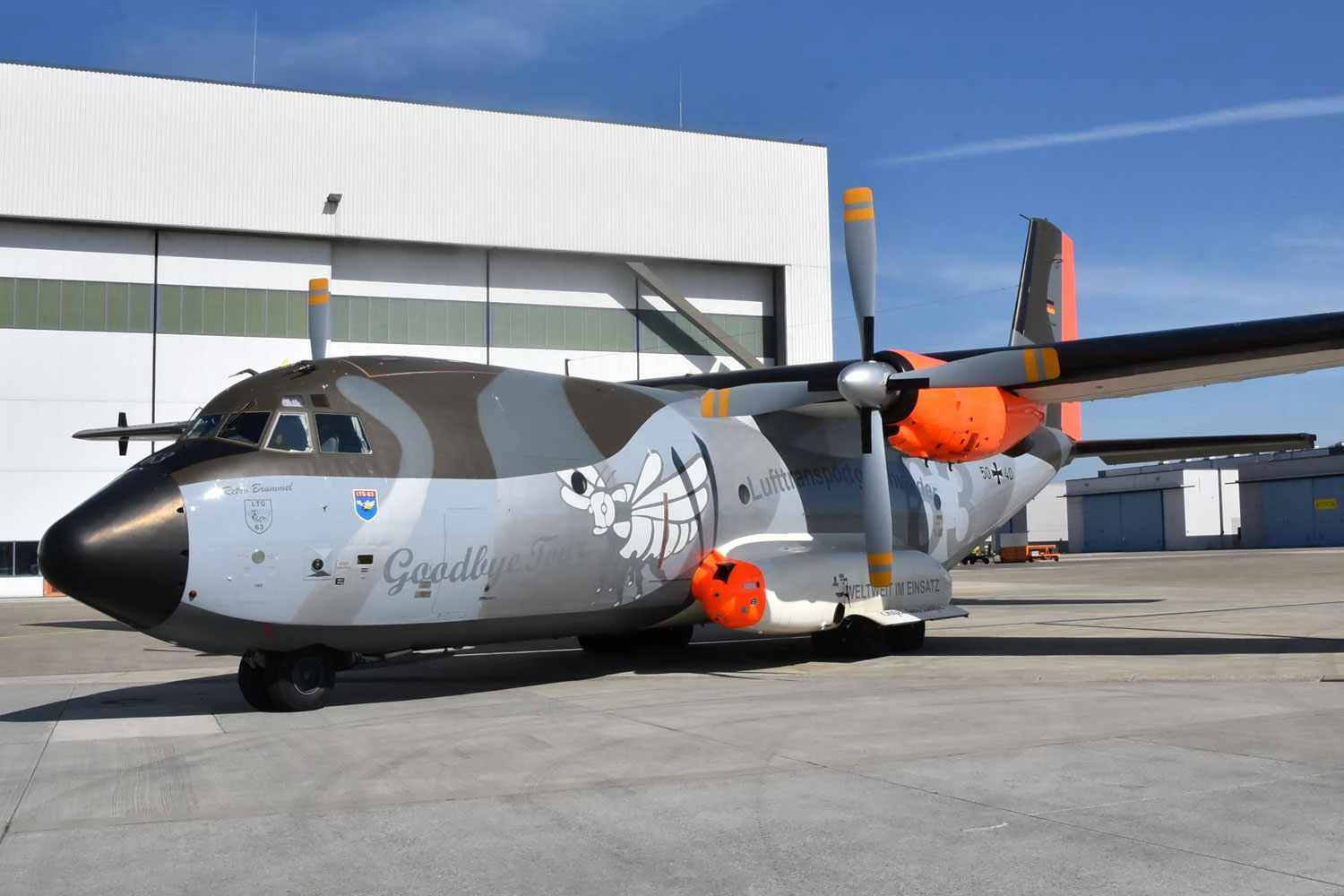
Germany simultaneously has a long record of aerospace cooperation with France, including the C-160 Transall transport and Alpha Jet trainer, before the two countries launched FCAS in 2017.
The potential return to a British-led industrial relationship would therefore not be unusual. The larger question is whether GCAP can absorb another major aerospace nation without reproducing the workshare disputes that contributed to FCAS's failure.
For Germany, joining GCAP could avoid the cost and risk of launching another next-generation fighter program. For GCAP, Germany could provide substantial additional funding, orders and industrial capability.
But Airbus's demand for a meaningful share of work and leadership illustrates the tradeoff. Germany may be attractive to GCAP precisely because of the industrial and financial weight it would bring — the same weight that would make it difficult to accommodate as a junior participant.