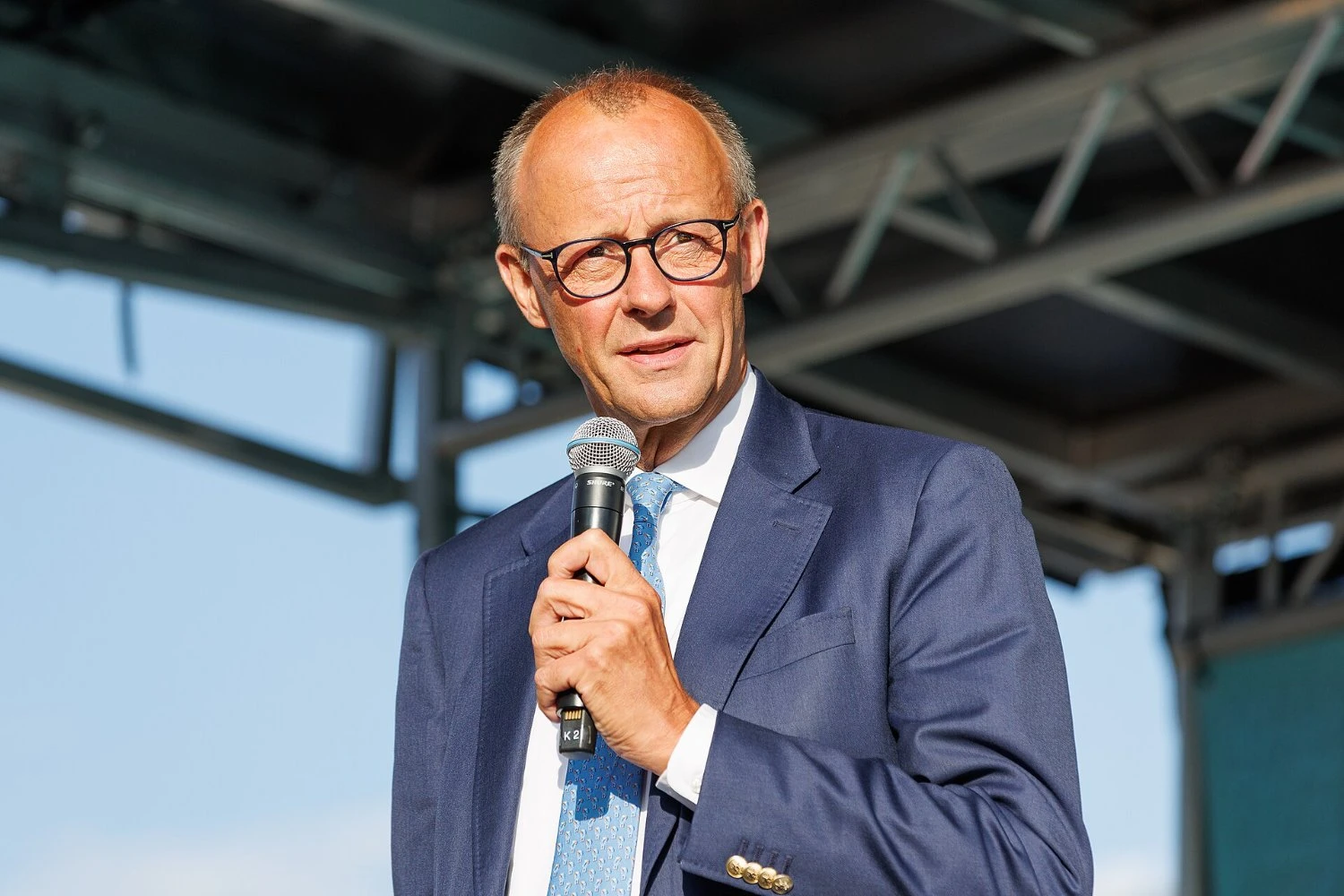
German Chancellor Friedrich Merz has confirmed that his government is considering joining the Global Combat Air Programme (GCAP), giving the clearest political acknowledgment yet that Berlin could turn to the UK-Italian-Japanese project after the collapse of its fighter partnership with France.
Speaking during a visit to Japan on Wednesday, Merz said the issue would be discussed at an upcoming meeting between the German and Japanese defense ministers. He also acknowledged that negotiations among the three existing GCAP partners over industrial workshare are already well advanced.
Japan has sought clarity from Germany by early 2027, but Merz cautioned that Berlin may not be ready to make a decision within that timeframe.
The comments follow British Prime Minister Andy Burnham's statement earlier this month that the UK is open to German participation in GCAP. London and Berlin subsequently agreed that their defense ministers would examine the possibility.
Follow Air Data News: WhatsApp | Instagram | LinkedIn | Twitter | Facebook
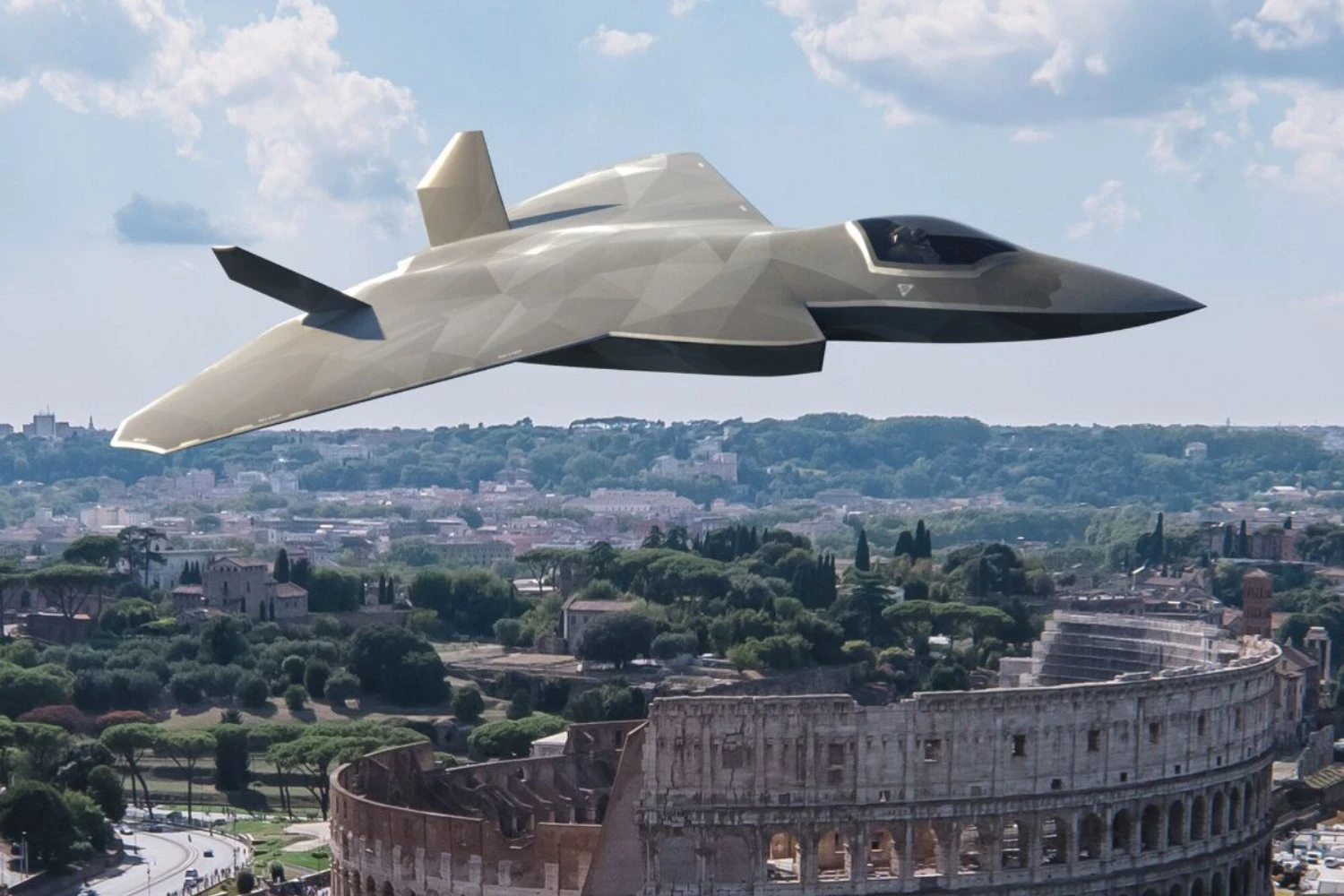
GCAP brings together the UK, Italy and Japan to develop a next-generation combat aircraft and associated systems for introduction around 2035. BAE Systems, Leonardo and Mitsubishi Heavy Industries established the Edgewing joint venture to act as the fighter's design authority and prime contractor.
Airbus wants a decision
The German government's increasingly public examination of GCAP coincides with pressure from Airbus for a decision on what will replace the abandoned Franco-German fighter project.
Airbus Defence and Space CEO Michael Schoellhorn told Aviation Week that Germany and Spain need to determine their future fighter strategy soon. Airbus had represented the industrial interests of both countries in the Future Combat Air System (FCAS) program alongside France's Dassault Aviation.
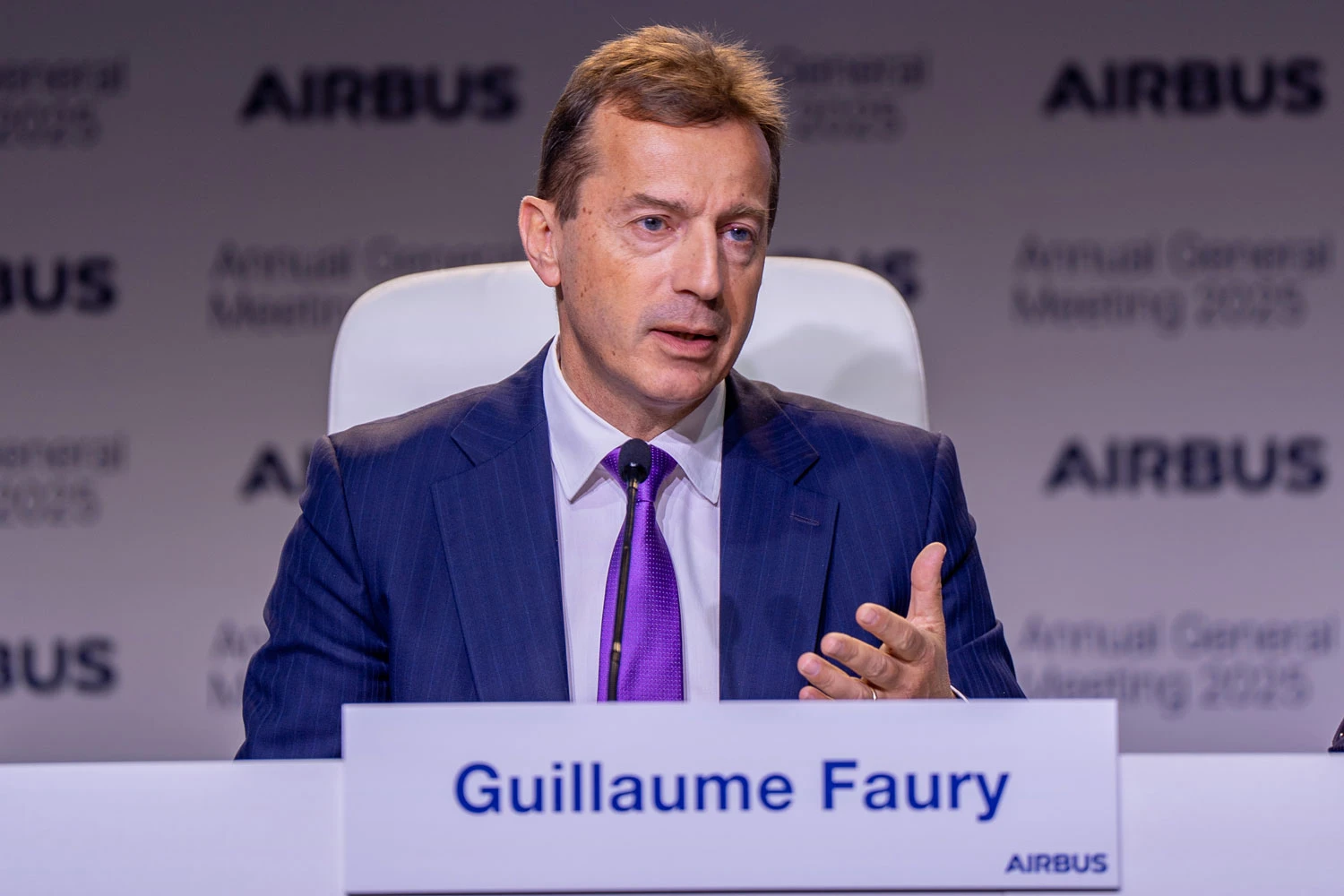
Airbus CEO Guillaume Faury separately confirmed on Wednesday that the company is working with the German and Spanish governments on a next-generation fighter and identified GCAP as a potential solution.

Germany is contacting other governments about possible partnerships, according to Faury, although GCAP is not the only option under consideration.
Airbus has also explored cooperation with Sweden's Saab, which is conducting studies for a future combat aircraft to eventually succeed the Gripen. A German-Spanish-Swedish project would require a new industrial structure, while joining GCAP would place Airbus and Germany inside a program whose governance, workshare and aircraft development are considerably further advanced.

Late entry poses industrial challenge
Germany's potential participation could bring additional funding, aircraft requirements and industrial capacity to GCAP, but negotiating its role would be more complicated than joining the program at its inception.
The UK, Italy and Japan have already divided major areas of responsibility and created the organizations that will manage development. Edgewing is progressing with the fighter's design toward its planned 2035 service entry.
Airbus would therefore have to negotiate a meaningful position alongside BAE Systems, Leonardo and Mitsubishi Heavy Industries rather than establish the industrial structure from the beginning.
The possibility has gained momentum since the Franco-German fighter project collapsed in June after years of disagreements between Airbus and Dassault over responsibility for the aircraft's design and development.
France is now pursuing its own next-generation fighter path with Dassault, while Germany and Spain have yet to select an alternative.
Canada has meanwhile joined GCAP as its first observer nation. Bombardier and BAE Systems also signed a memorandum of understanding this week to explore cooperation on next-generation combat air capabilities in Canada, providing another potential route for industrial participation outside the program's three founding countries.