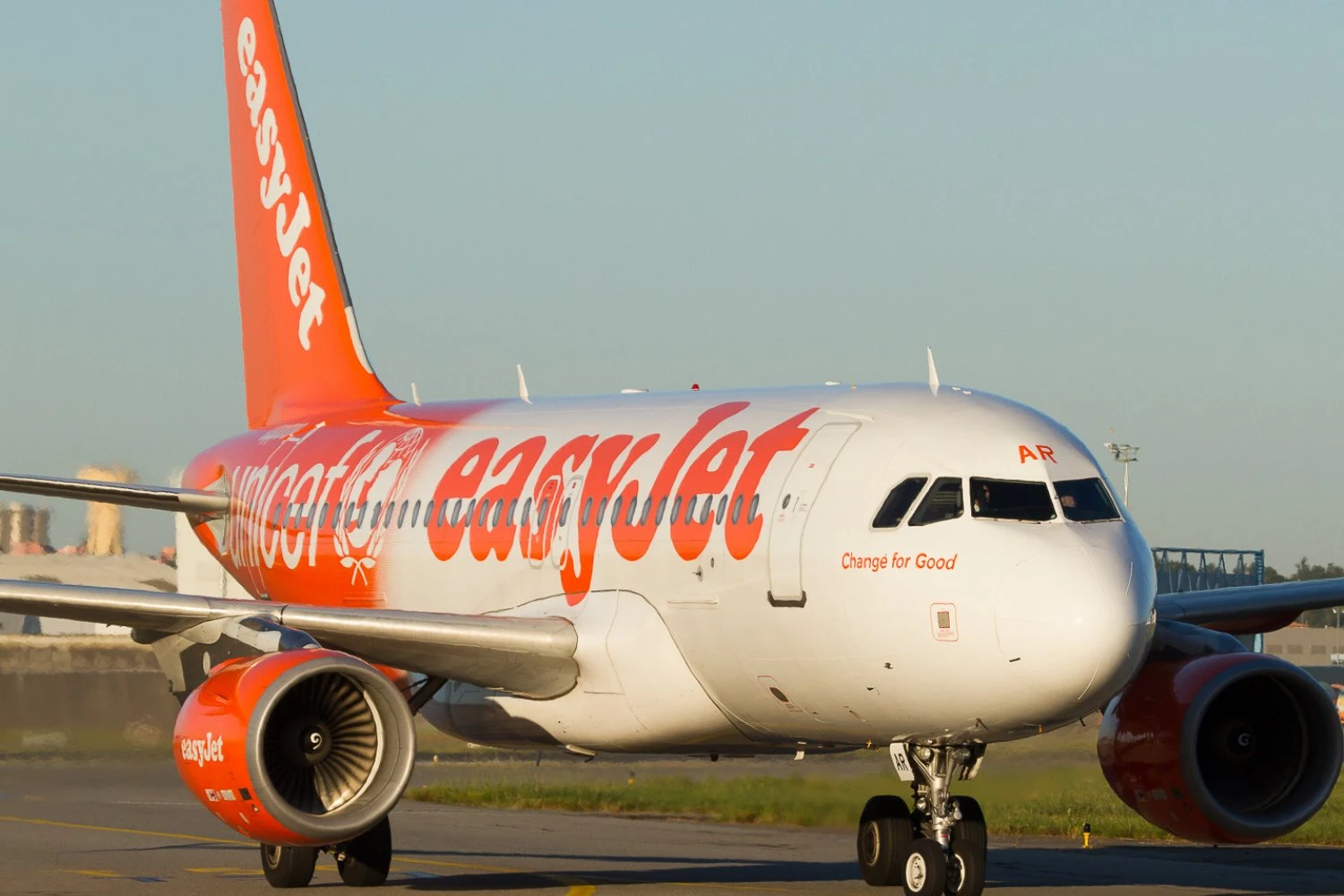
EasyJet has selected SpaceX's Starlink to provide inflight internet across its Airbus fleet, with installations scheduled to begin in the first half of 2027.
The agreement will introduce onboard Wi-Fi for the first time at the British low-cost carrier. EasyJet said passengers will be able to stream video, play online games and browse the internet on their own devices, with the rollout expected to cover the fleet by early 2028.
The airline currently operates more than 350 aircraft, including Airbus A320s, A320neos and A321neos. EasyJet has not yet disclosed how access to Starlink will be priced, with details expected closer to the service's introduction.
New ownership on the horizon
The investment comes during a significant change in easyJet's ownership. US investment firm Apollo Global Management agreed in August to acquire the airline for £5.7 billion (US$7.7 billion), with the transaction expected to close by the end of the first quarter of 2027, subject to shareholder and regulatory approvals.
The timing means the Starlink rollout is scheduled to begin around the same period in which easyJet could pass into private ownership.

Apollo has said it intends to accelerate easyJet's existing commercial strategy, including fleet modernization, expansion of ancillary and loyalty products and further growth of easyJet Holidays.

The Haji-Ioannou family, including airline founder Stelios Haji-Ioannou, has backed the transaction and intends to remain invested through the new ownership structure. The family currently holds about 15% of easyJet.
Growing airline customer base
EasyJet joins a rapidly expanding group of European carriers adopting Starlink's low-Earth-orbit satellite network for inflight connectivity.
Lufthansa Group plans to equip around 850 aircraft with the system, while International Airlines Group has also selected Starlink for airlines including British Airways. SAS has introduced the technology across its Airbus A320neo fleet, and fellow European low-cost carrier Wizz Air has announced plans to use the service.
Ryanair has so far resisted installing Starlink. Chief Executive Michael O'Leary has questioned whether passengers on the airline's predominantly short flights would pay for connectivity and has cited the additional fuel consumption associated with an external antenna.
EasyJet's decision takes the opposite approach on a similarly short-haul network. The airline carries around 100 million passengers annually and said the new connectivity is intended for both leisure passengers and business travelers.