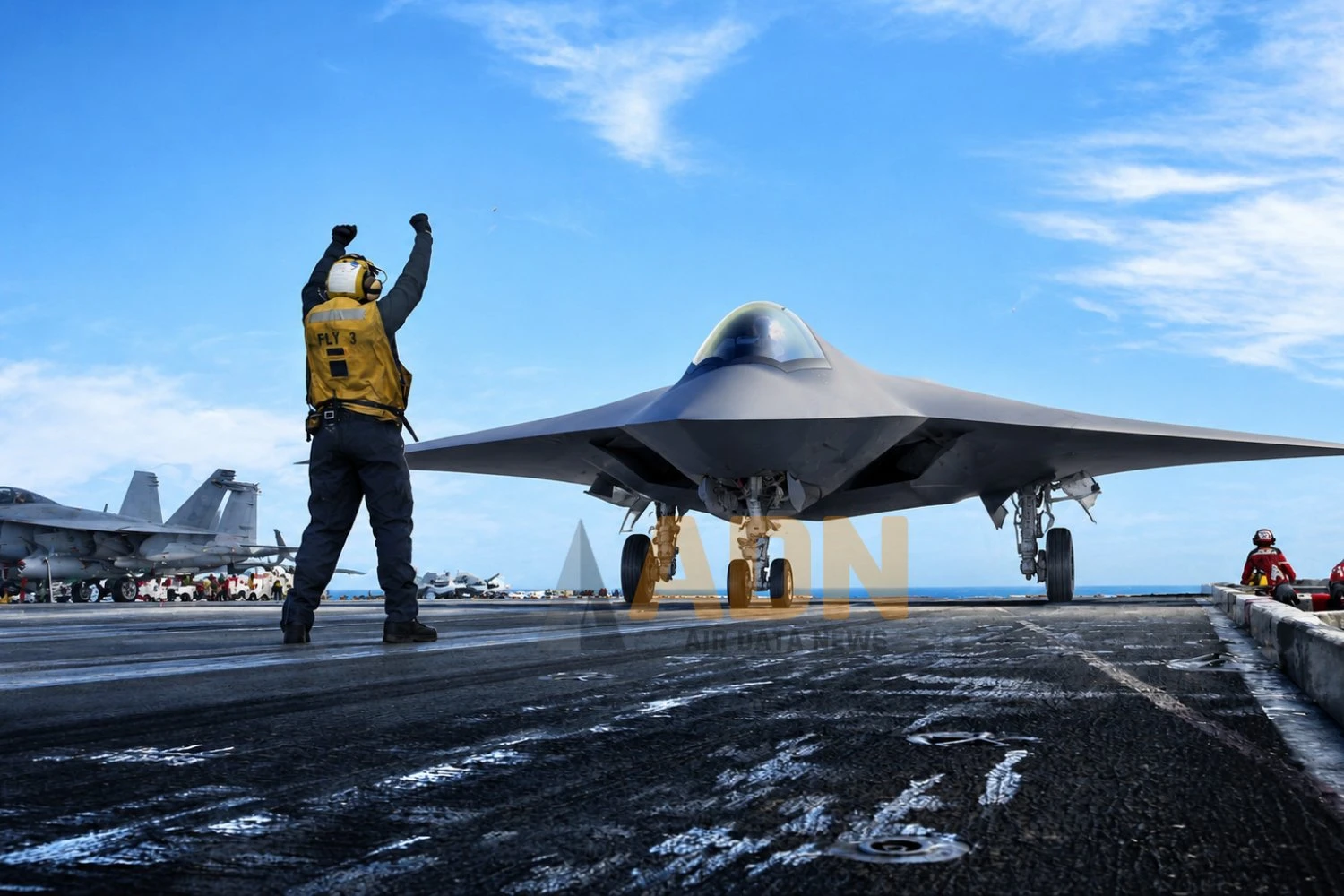
Boeing expects its newly won F-47 and F/A-XX fighter programs to avoid the contract structure that contributed to billions of dollars in losses on earlier U.S. military development programs.
CEO Kelly Ortberg said the U.S. Air Force's F-47 is being developed under a cost-plus contract, in which the government bears more of the development cost risk than under the fixed-price agreements that have caused problems for Boeing.
The company cannot yet disclose the contract structure for the U.S. Navy's F/A-XX, selected earlier this month, but Ortberg told analysts that it uses an "appropriate contract type."
"The important part is all these programs are also being underwritten with the right contract type," Ortberg said during Boeing's third-quarter earnings call. "Not only are we booking more orders, we're booking more orders that won't result in some of the challenges we've had."
Follow Air Data News: WhatsApp | Instagram | LinkedIn | Twitter | Facebook
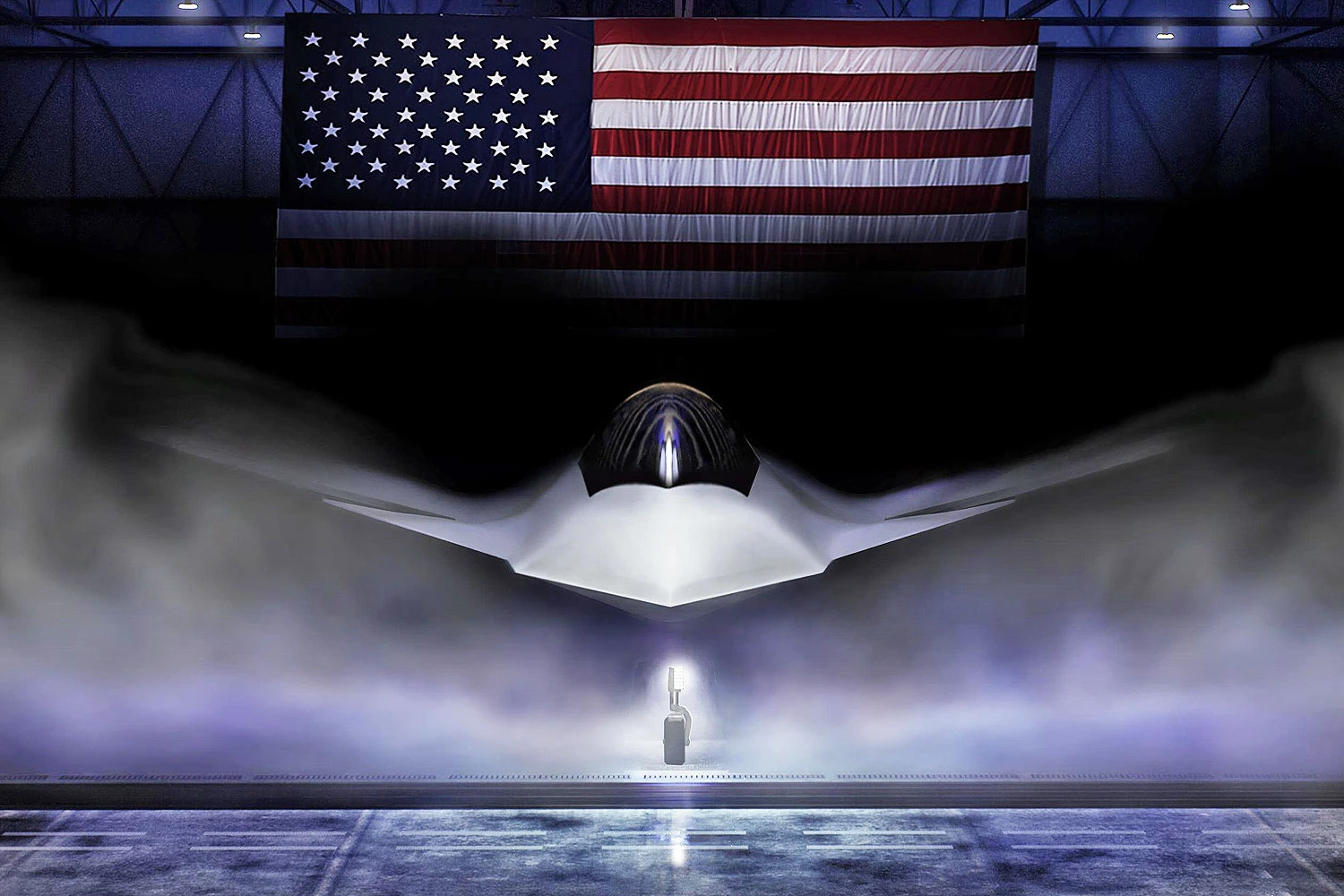
The two fighter wins have dramatically changed Boeing's position in the U.S. combat aircraft market. The company is now responsible for developing the next-generation fighters selected by both the Air Force and Navy.
For Boeing, however, the financial structure of those programs is almost as significant as the aircraft themselves.
Costly fixed-price contracts
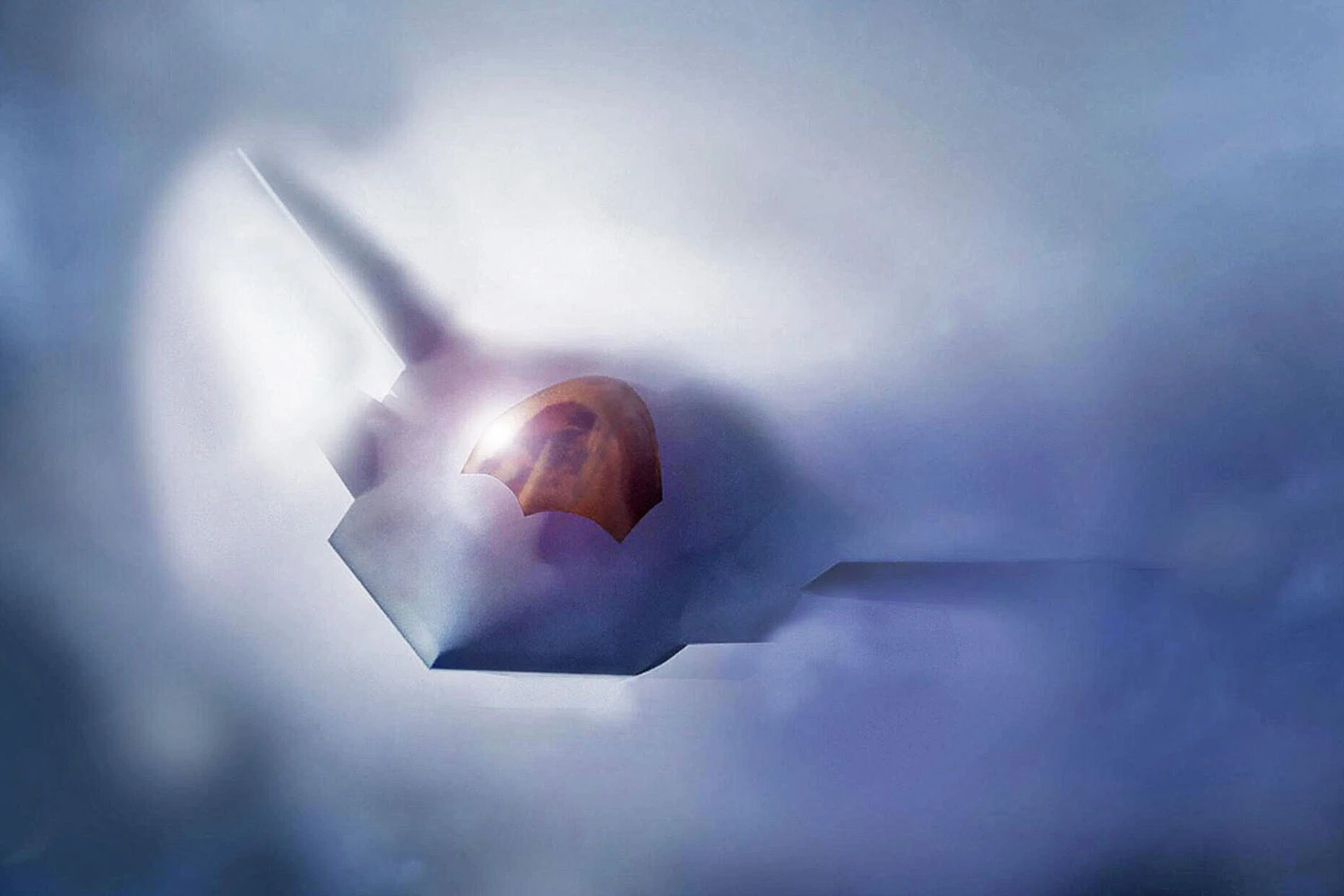
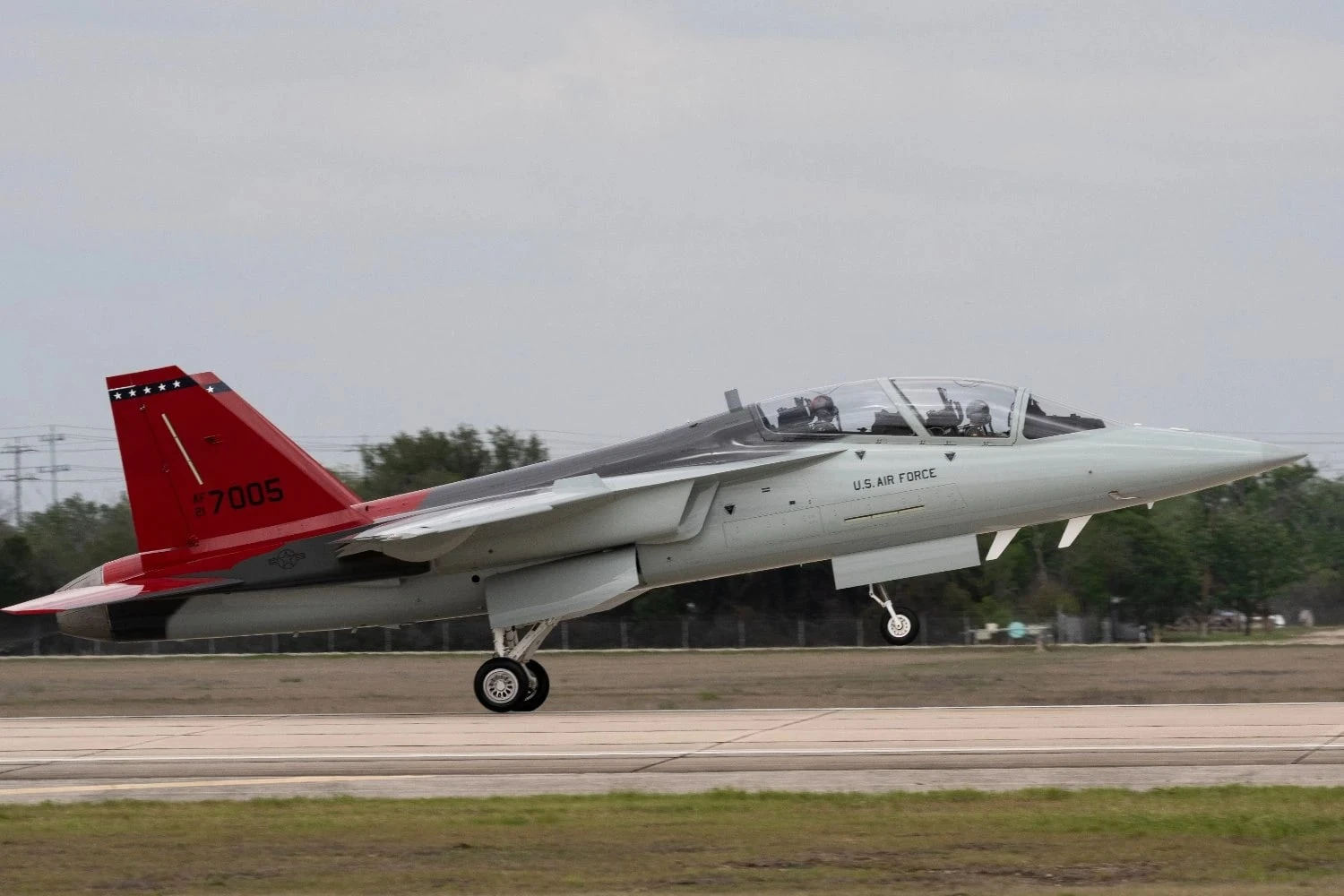
Boeing has absorbed large cost overruns on several development programs awarded under fixed-price contracts, including the KC-46A tanker, T-7A Red Hawk trainer and VC-25B presidential aircraft. Under those agreements, costs above the contracted amount can largely fall on the manufacturer rather than the customer.
Two years ago, Ortberg said, every major fixed-price development program in Boeing's portfolio was facing difficulties.
The company says that exposure has since been reduced. Boeing has reached memorandums of understanding with customers covering its major fixed-price development programs, while both the T-7 and MQ-25 have advanced to Milestone C, clearing them to move into production.
Ortberg nevertheless cautioned that the risk has not disappeared. "We're not done with the development programs till we're done," he said.
The experience is influencing which competitions Boeing enters and how it bids. Boeing Defense, Space & Security CEO Steve Parker has sought contract structures that the company considers sustainable and has withdrawn from opportunities where the economics did not meet those criteria.
Defense growing faster than expected
The change coincides with a stronger outlook for Boeing's defense business.
A year ago, the company expected annual revenue growth in the low-single-digit percentage range. Ortberg now expects growth around the mid-single digits or higher, supported by the F-47 and F/A-XX as well as additional F-15EX fighters, increased PAC-3 Seeker production, the T-7 and MQ-25 programs.
"I think our defense portfolio is a little bit of a sleeper here," Ortberg said.
Boeing Defense, Space & Security generated US$7.94 billion in revenue during the third quarter, up 15% from US$6.90 billion a year earlier.
Related news
Operating profit rose from US$114 million to US$492 million, although the latest result included a US$252 million gain from the sale of Boeing's stake in HRL Laboratories. The division's operating margin increased from 1.7% to 6.2%.
For the first nine months of 2026, defense revenue reached US$23.02 billion, up 16%, while operating profit increased 87% to US$710 million.
Orders totaled US$23 billion during the third quarter, pushing the division's backlog to a record US$101 billion. About 23% of that amount comes from customers outside the United States.
The F/A-XX is not yet included in that backlog. Boeing said it will wait for completion of the Navy's source-selection and evaluation review process before recognizing the award in its financial figures.
