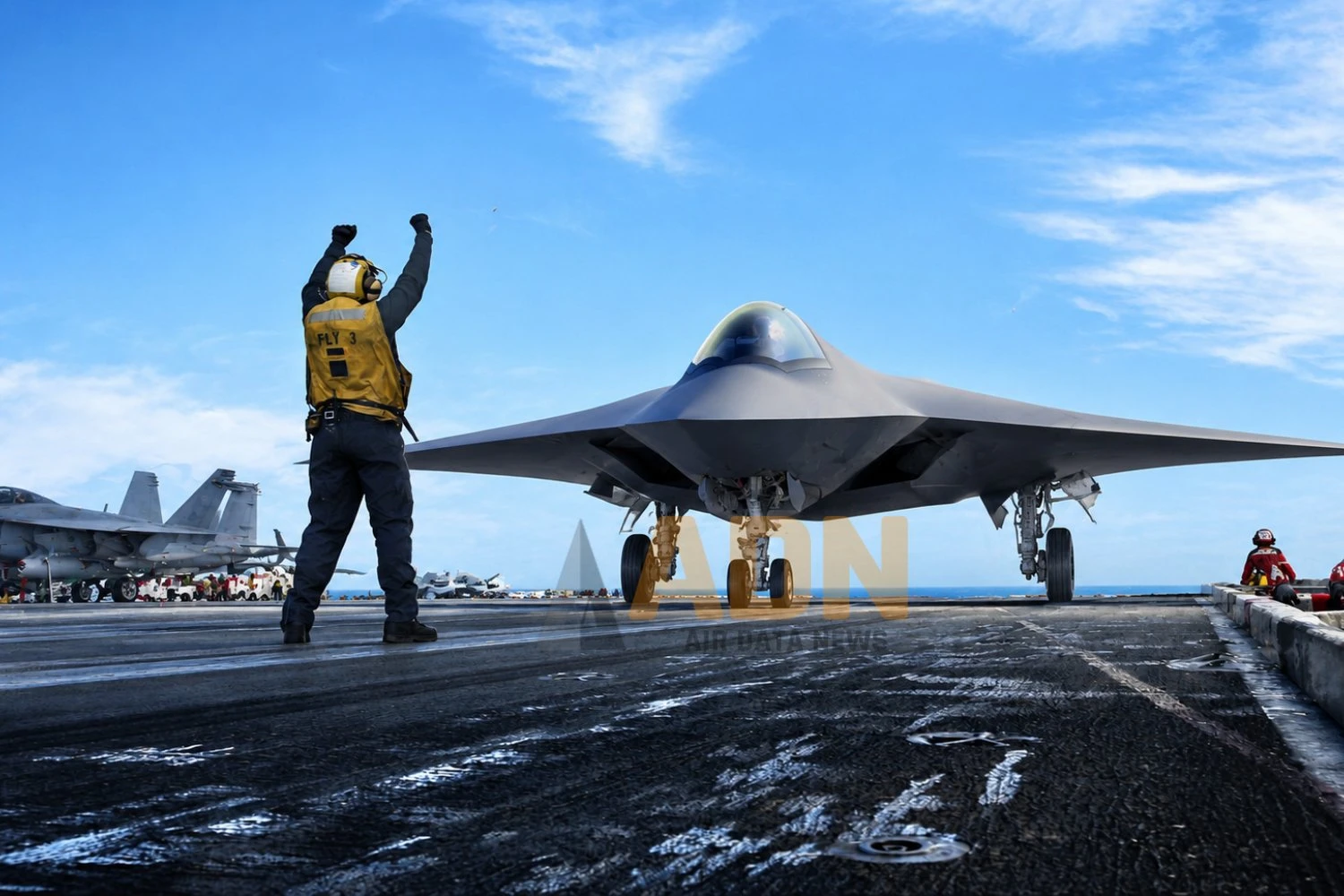
Boeing's selection to develop the U.S. Navy's F/A-XX fighter does more than give the company another major defense contract. It leaves the same manufacturer responsible for both of the United States' new sixth-generation crewed fighters and substantially changes a combat aircraft landscape long dominated by Lockheed Martin.
Boeing will now develop the F/A-XX for the Navy while work continues on the F-47, selected by the U.S. Air Force in March 2025 under the Next Generation Air Dominance (NGAD) program.
Northrop Grumman, defeated by Boeing in the F/A-XX competition, remains responsible for the B-21 Raider stealth bomber. The three major publicly disclosed new U.S. crewed combat aircraft programs are therefore divided between Boeing and Northrop, with Lockheed Martin absent.
It is a striking reversal for Boeing. Only a few years ago, the company faced the prospect of its fighter business shrinking substantially as F/A-18E/F Super Hornet production approached its end. Its defense division was also struggling with costly delays and technical problems across several development programs.
Follow Air Data News: WhatsApp | Instagram | LinkedIn | Twitter | Facebook
Instead, Boeing now holds the two programs expected to define the next generation of U.S. fighters.
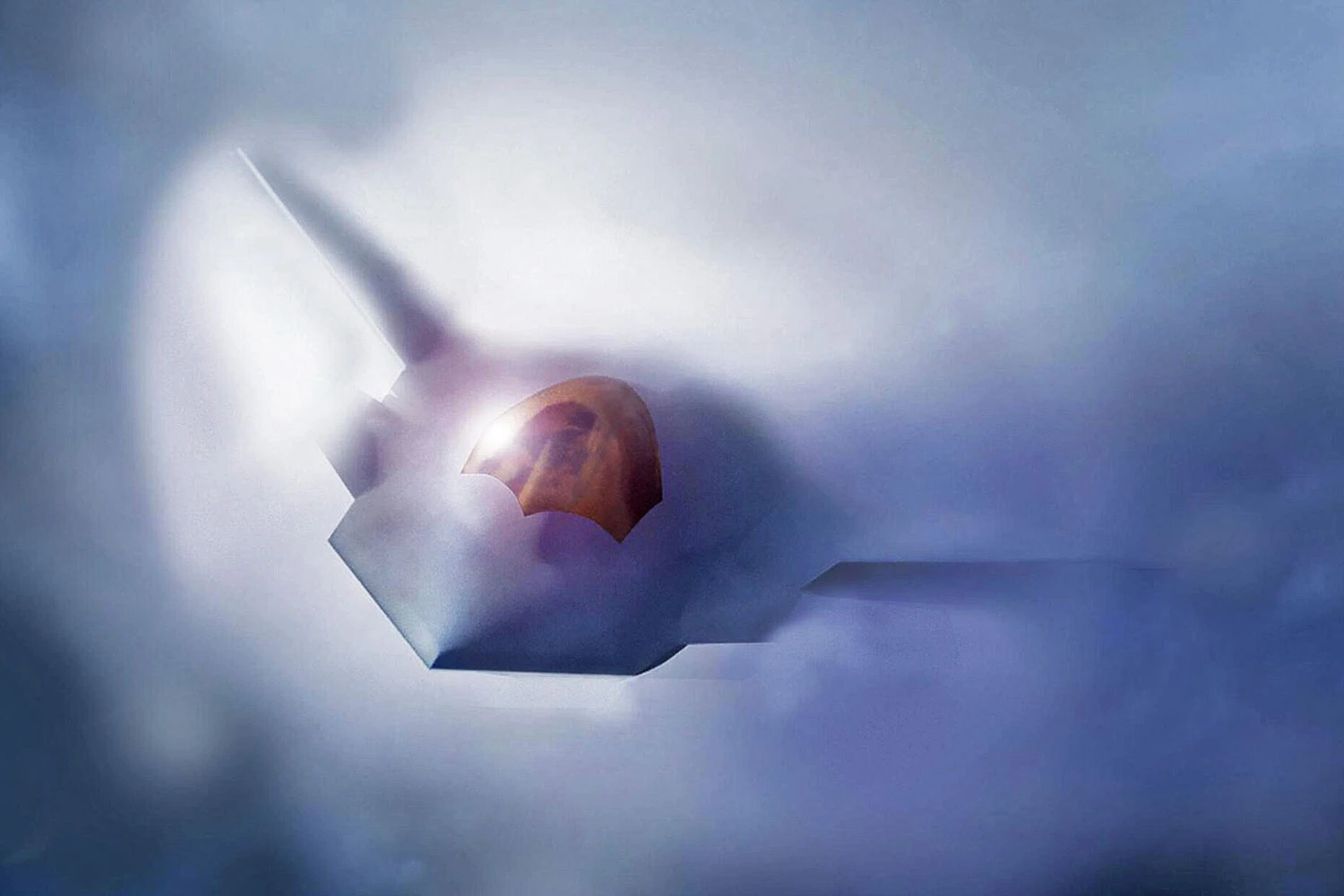
Two sixth-generation fighters under one company
The Air Force selected Boeing over Lockheed Martin while Northrop Grumman had previously withdrawn from that competition.
The Navy followed a different path. Lockheed Martin was eliminated from the F/A-XX competition before the final selection, leaving Boeing and Northrop Grumman as the two remaining bidders. Boeing was selected on September 29 for an Engineering and Manufacturing Development contract worth roughly US$20 billion.
The result puts Boeing in an unusual position. Although the F-47 and F/A-XX have different requirements, the company will simultaneously develop the Air Force's future air-superiority fighter and the Navy's future carrier-based fighter.
Boeing has not disclosed how much technology the two programs share. Both involve advanced mission systems, open architectures and cooperation with uncrewed Collaborative Combat Aircraft, while common engineering resources, suppliers, testing capabilities and manufacturing infrastructure could also benefit the two programs.
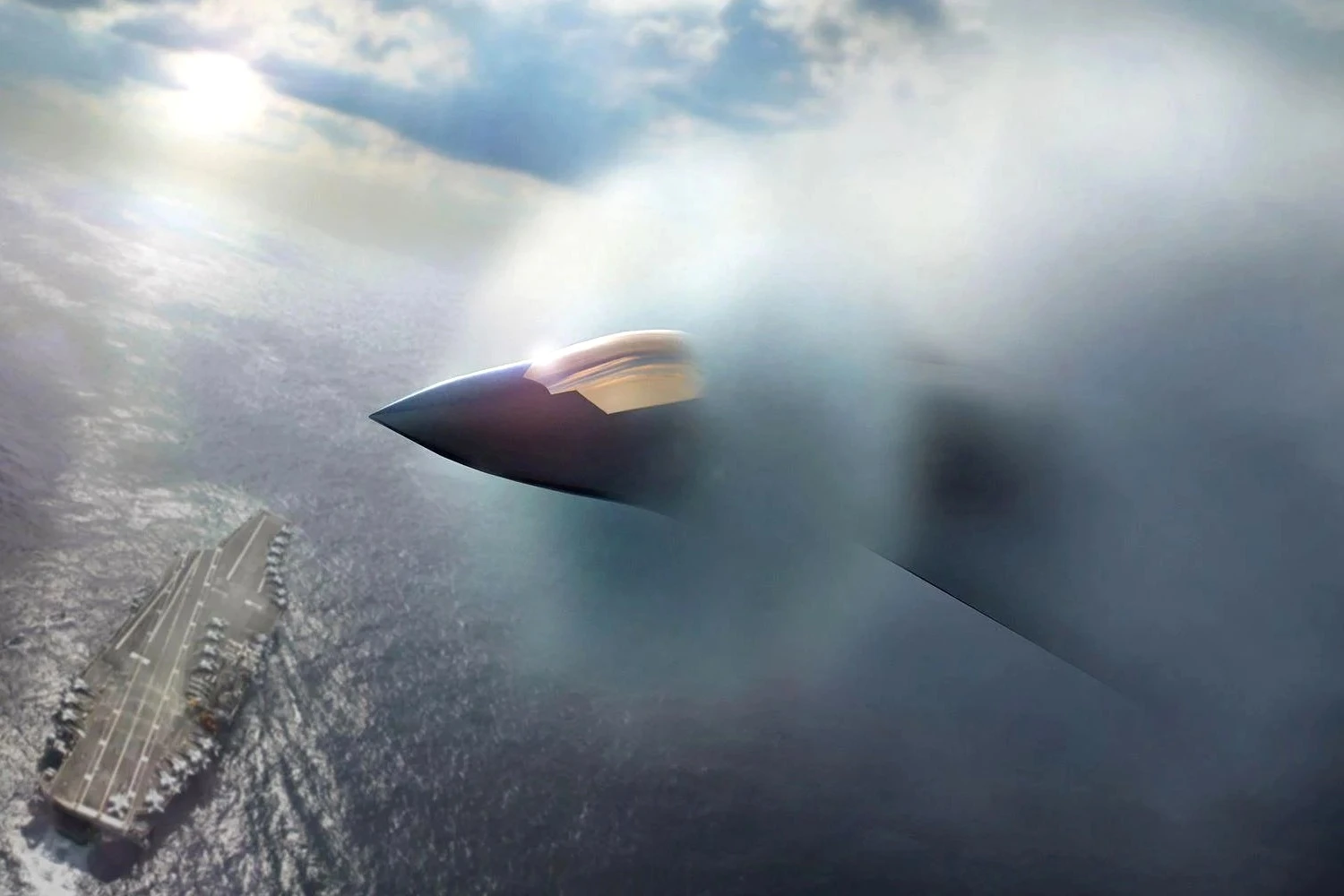
The concentration creates a potential advantage but also a risk that the Pentagon itself had identified before the F/A-XX award.
Defense officials had questioned whether the U.S. industrial base had enough engineering and manufacturing capacity to accelerate F-47 and F/A-XX simultaneously. The Pentagon sought to slow the Navy program and concentrate resources on the Air Force fighter, but Congress provided additional funding to keep F/A-XX moving.
The final decision has produced the most concentrated possible outcome: not only will both programs proceed, but the same manufacturer will lead both.
Boeing must overcome troubled defense record
That decision is particularly significant because Boeing's recent performance on major defense development contracts has been difficult.
The KC-46A tanker, T-7A trainer, MQ-25 unmanned tanker and VC-25B presidential aircraft have all suffered delays, technical problems or substantial financial charges. Boeing Defense, Space & Security recorded billions of dollars in losses from fixed-price development programs during the first half of the decade.
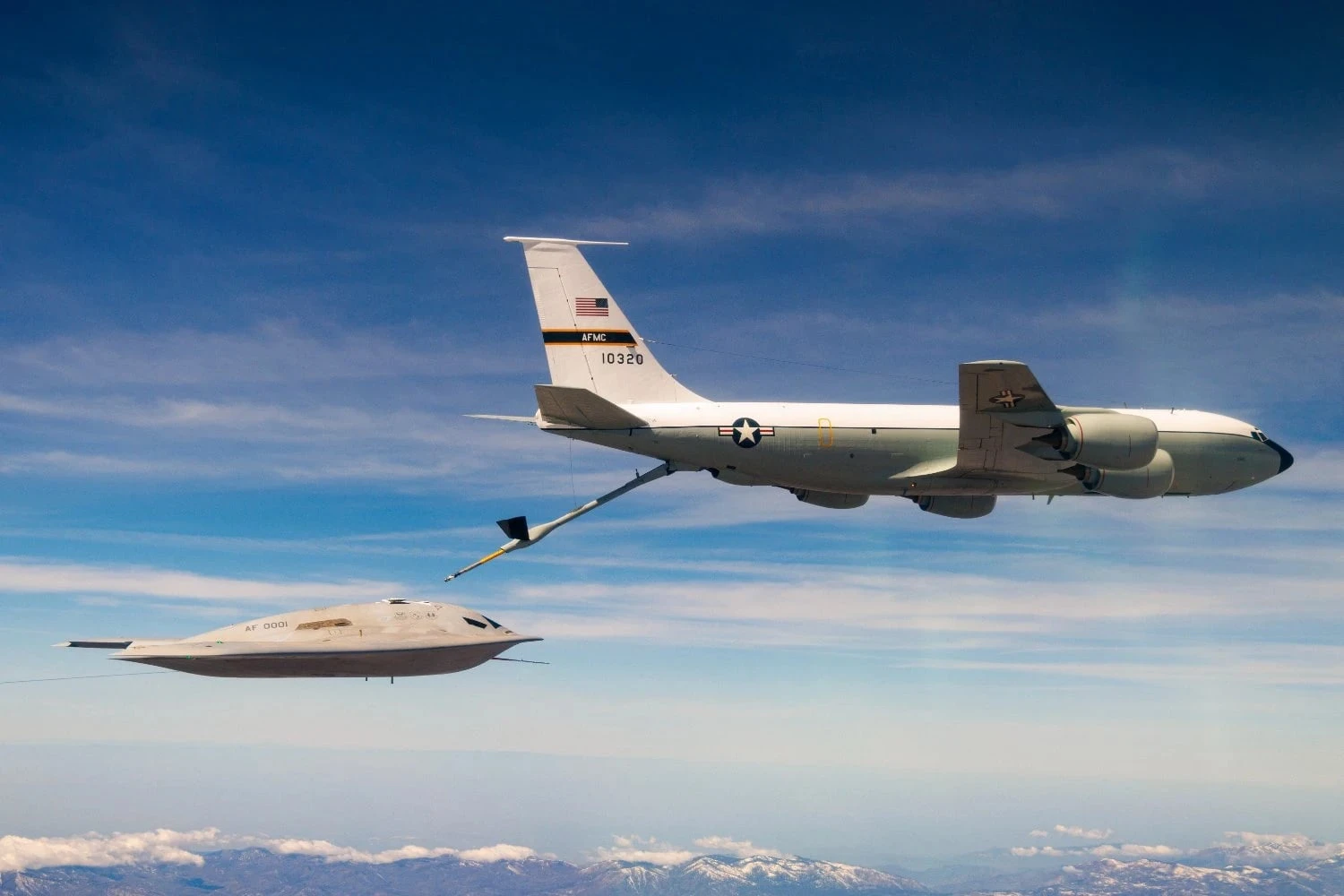
The F-47 and F/A-XX therefore represent more than a replacement for declining legacy fighter work. They give Boeing an opportunity to rebuild its position in combat aircraft, but also expose the company to two technically demanding programs at the same time.
Boeing has argued that it prepared for precisely this possibility. The company has invested billions of dollars in new facilities and advanced combat aircraft capabilities around St. Louis and said before the Navy decision that its infrastructure planning assumed it could support both programs.
Its existing military aircraft portfolio also includes the F-15EX Eagle II, T-7A Red Hawk and MQ-25 Stingray.
Lockheed Martin misses new generation
The result is equally notable for Lockheed Martin. The company has dominated U.S. fighter development for decades. It developed the F-16, became prime contractor for the F-22 Raptor and later won the Joint Strike Fighter competition with the F-35.
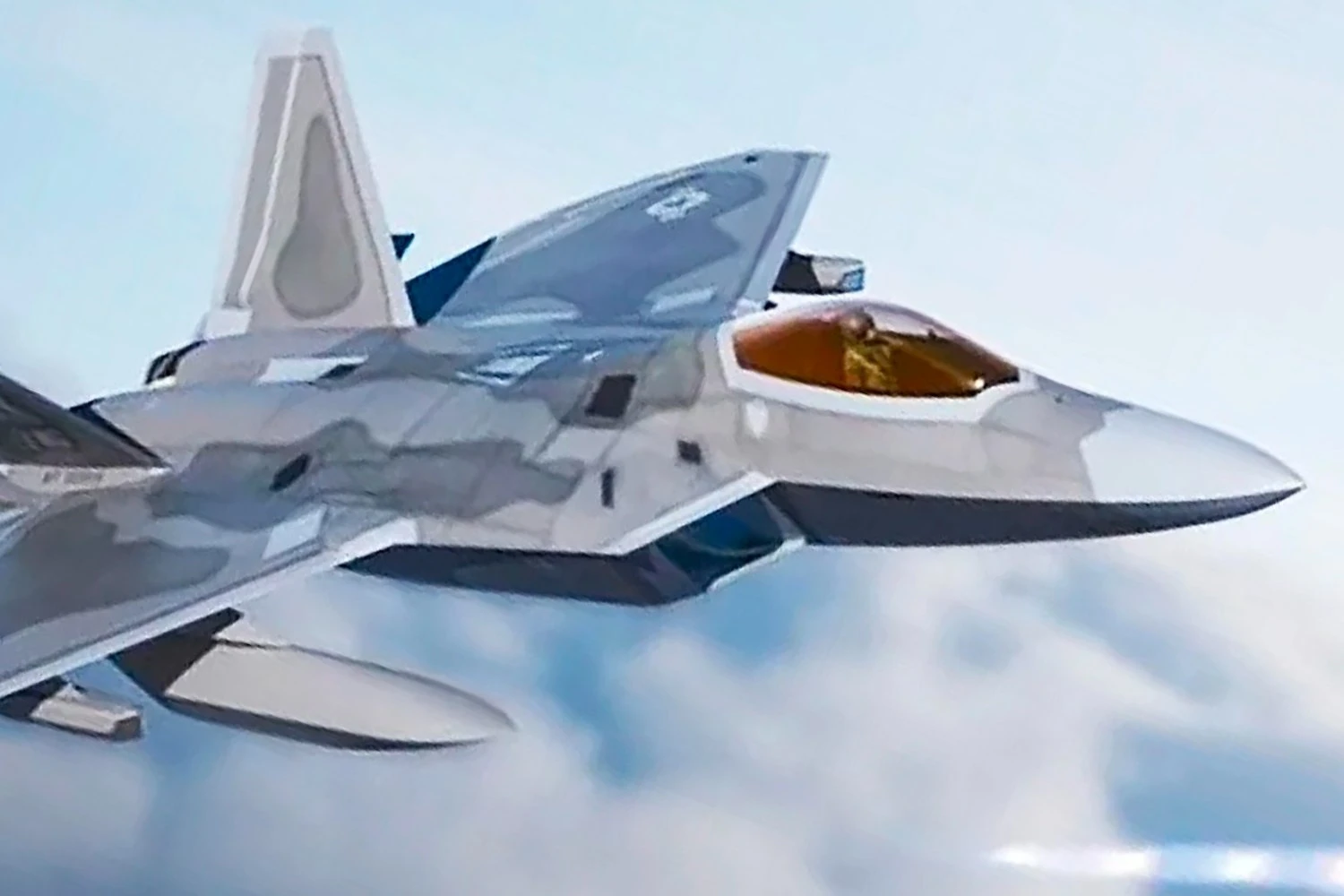
That sequence has not continued into the next generation. Lockheed lost the Air Force NGAD competition to Boeing and was eliminated from F/A-XX before the Navy selected its winner. It was also not selected to build either of the first two Collaborative Combat Aircraft prototypes currently being developed for the Air Force, which went to General Atomics and Anduril.
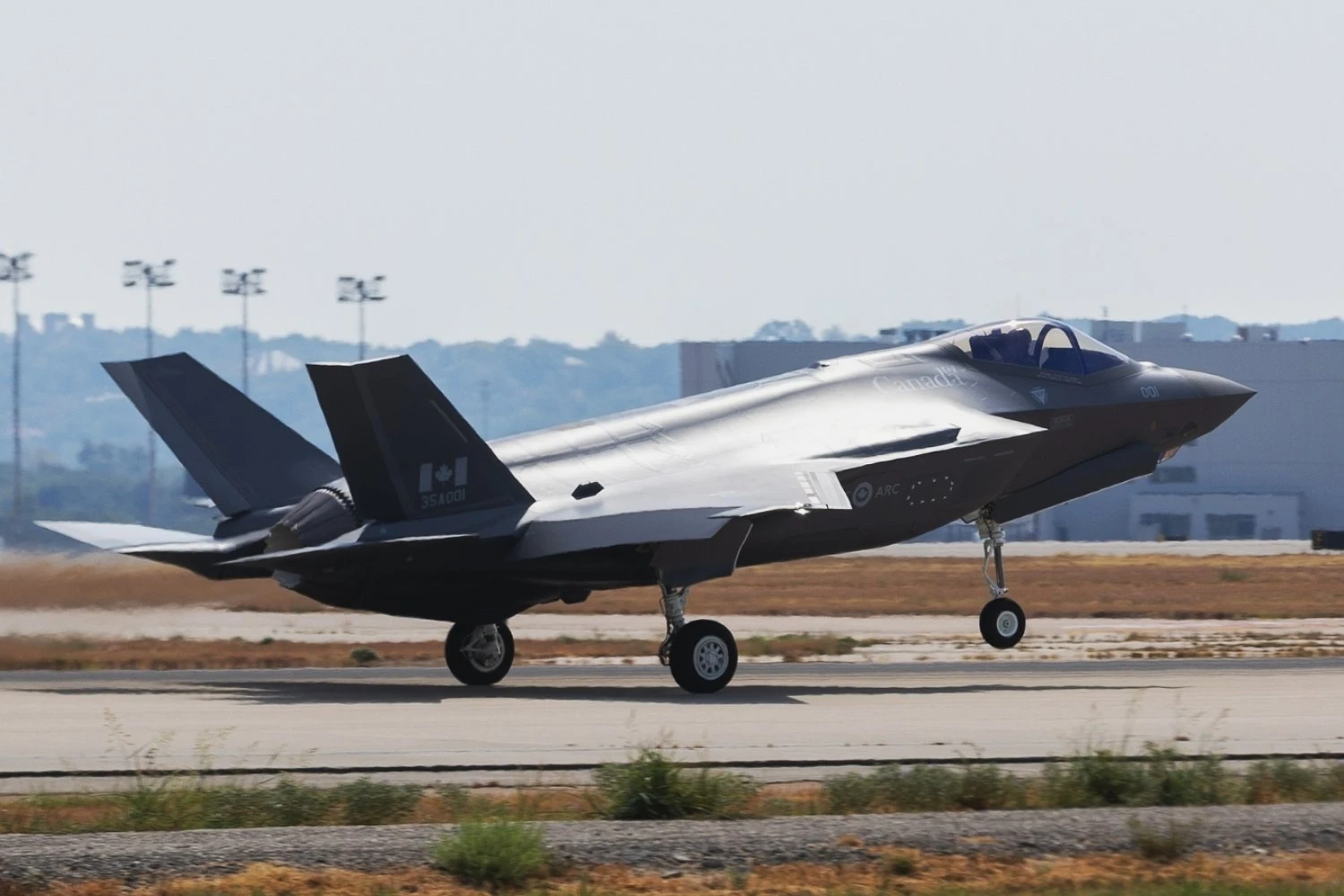
The company remains central to U.S. and allied combat aviation through the F-35, a program expected to remain in production and service for decades. It is also pursuing major upgrades intended to bring additional capabilities to the aircraft.
After losing NGAD, Lockheed CEO Jim Taiclet said technology developed during the competition could be applied to the F-35, with the company pursuing what he described as a "fifth-generation-plus" aircraft offering some sixth-generation capabilities at substantially lower cost.
But among the three major new crewed U.S. combat aircraft now publicly acknowledged — F-47, F/A-XX and B-21 — Lockheed is not the prime contractor for any of them.
Northrop retains B-21
Northrop Grumman occupies a different position. The company withdrew from the Air Force NGAD fighter competition but remained Boeing's final rival for F/A-XX. Its defeat leaves the B-21 Raider as its principal new crewed combat aircraft program.
The B-21 contract, however, dates from 2015, when Northrop defeated a Boeing-Lockheed Martin team. The bomber has since progressed into flight testing and low-rate production, and the Air Force is increasing production capacity for the aircraft.
Northrop also leads the LGM-35A Sentinel intercontinental ballistic missile program, giving it a major role in the modernization of the U.S. nuclear deterrent despite its absence from the new fighter programs.
The F/A-XX decision therefore completes a redistribution that would have appeared unlikely several years ago: Boeing controls the two new fighter programs, Northrop controls the new strategic bomber, and Lockheed — manufacturer of the F-22 and F-35 — has no publicly disclosed clean-sheet successor among them.
Shift takes place under Trump
The change has occurred largely since Donald Trump returned to the White House. Boeing entered his second administration amid one of the deepest crises in its history, with heavy losses on defense programs and serious problems in its commercial and space businesses.
Since then, it has won both the F-47 and F/A-XX competitions. The Trump administration has also made rebuilding U.S. industrial capacity a central political theme and has prominently promoted Boeing aircraft during trade negotiations abroad.
There is no public evidence that the White House determined the outcome of either fighter competition. But Boeing's return to the center of the Pentagon's most critical combat aircraft programs fits the administration's emphasis on U.S. manufacturing and defense industrial capacity.
Execution becomes the next challenge
The scale of Boeing's victories now creates the same question Pentagon officials raised before the F/A-XX award: whether one industrial base can develop two highly classified sixth-generation fighters at the pace demanded by two military services.
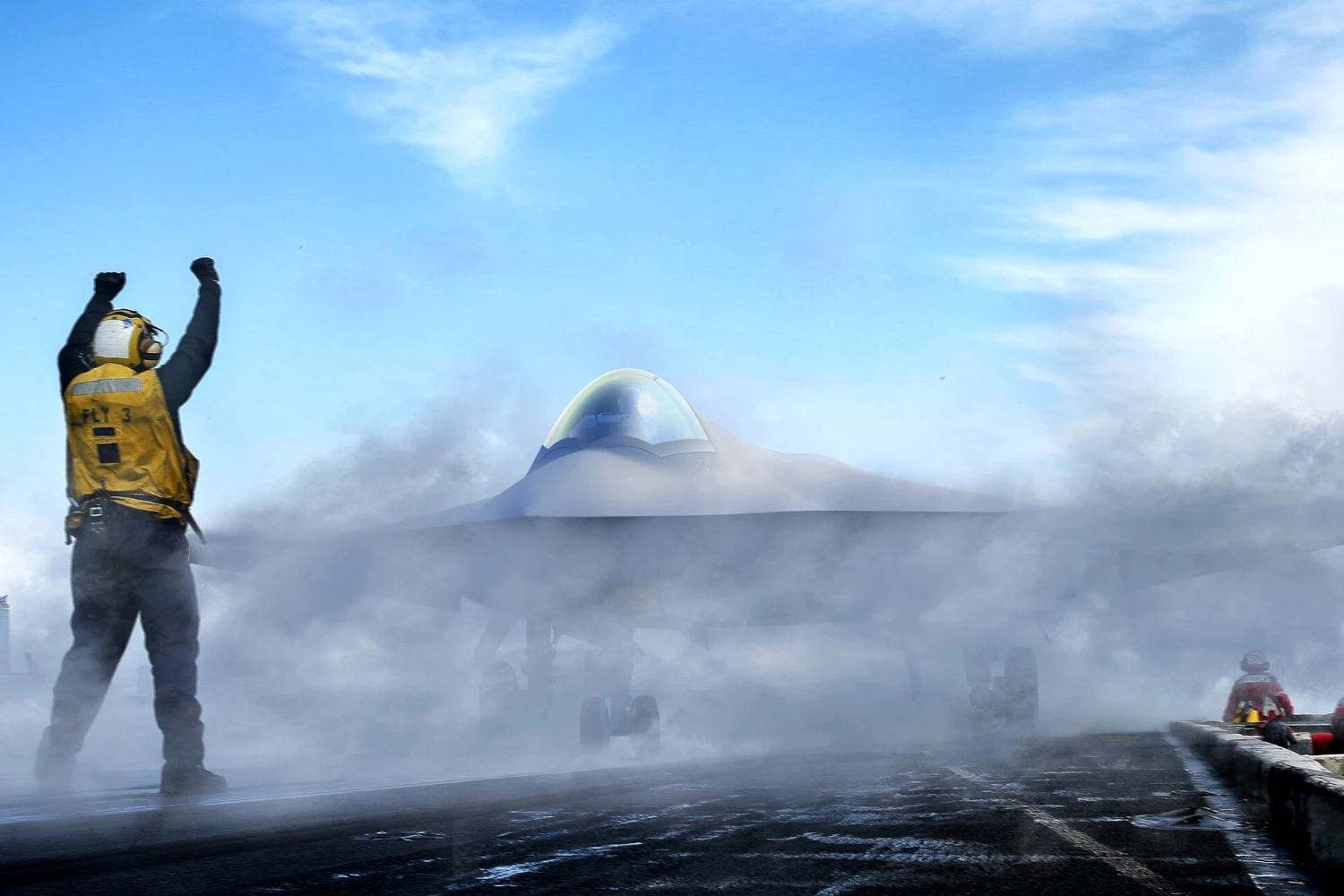
The Air Force wants the F-47 to fly before the end of Trump's current term, with Boeing targeting 2028 for the first flight of an engineering and manufacturing development aircraft. The Navy also wants F/A-XX available during the 2030s as the Super Hornet approaches retirement.
For Boeing, winning the competitions has transformed the future of its combat aircraft business. Delivering both aircraft on schedule will determine whether that transformation extends beyond the contract awards.