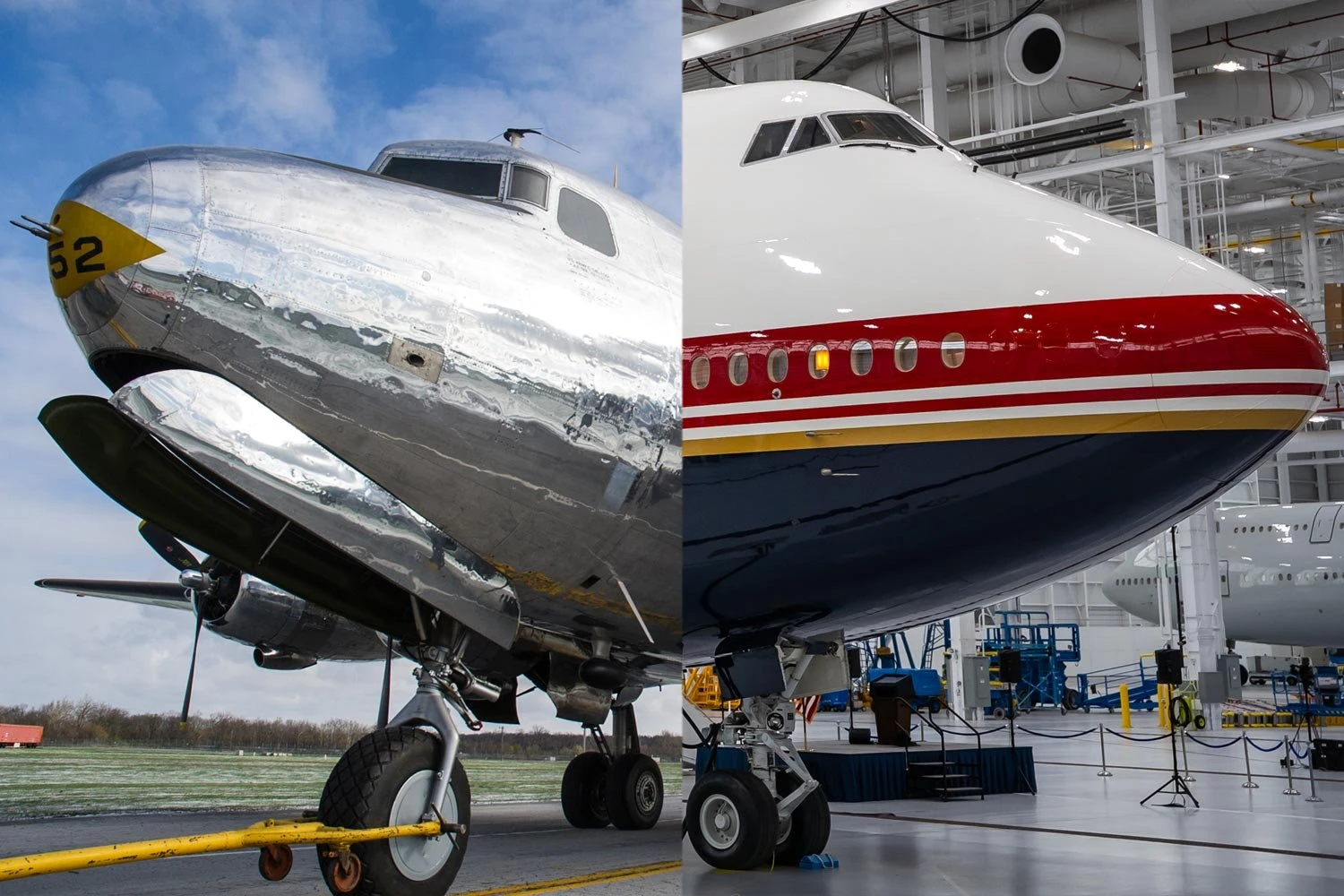
The arrival of the US Air Force's new VC-25B Bridge aircraft has added another aircraft to one of the most exclusive fleets in aviation.
Based on a former Boeing 747-8i operated by the government of Qatar, the aircraft will support presidential transport missions until the long-delayed VC-25B program enters service later this decade.
While the aircraft has generated controversy because of its unusual origins, it also joins a lineage that stretches back more than 80 years and includes everything from flying boats and piston-powered transports to specially modified Boeing 747s capable of serving as airborne command centers.
The beginning of presidential air travel
Before World War II, US presidents generally traveled by train or ship.
That changed in January 1943, when President Franklin D. Roosevelt flew aboard the Boeing 314 Dixie Clipper flying boat to the Casablanca Conference in Morocco. The aircraft belonged to Pan American Airways and was not a dedicated presidential transport, but it demonstrated the strategic value of long-range air travel for the commander in chief.
Military officials soon concluded that the president required a dedicated aircraft.
A specially modified Consolidated C-87 Liberator Express known as Guess Where II was initially selected for the role but never carried Roosevelt after concerns emerged about the aircraft's safety record.
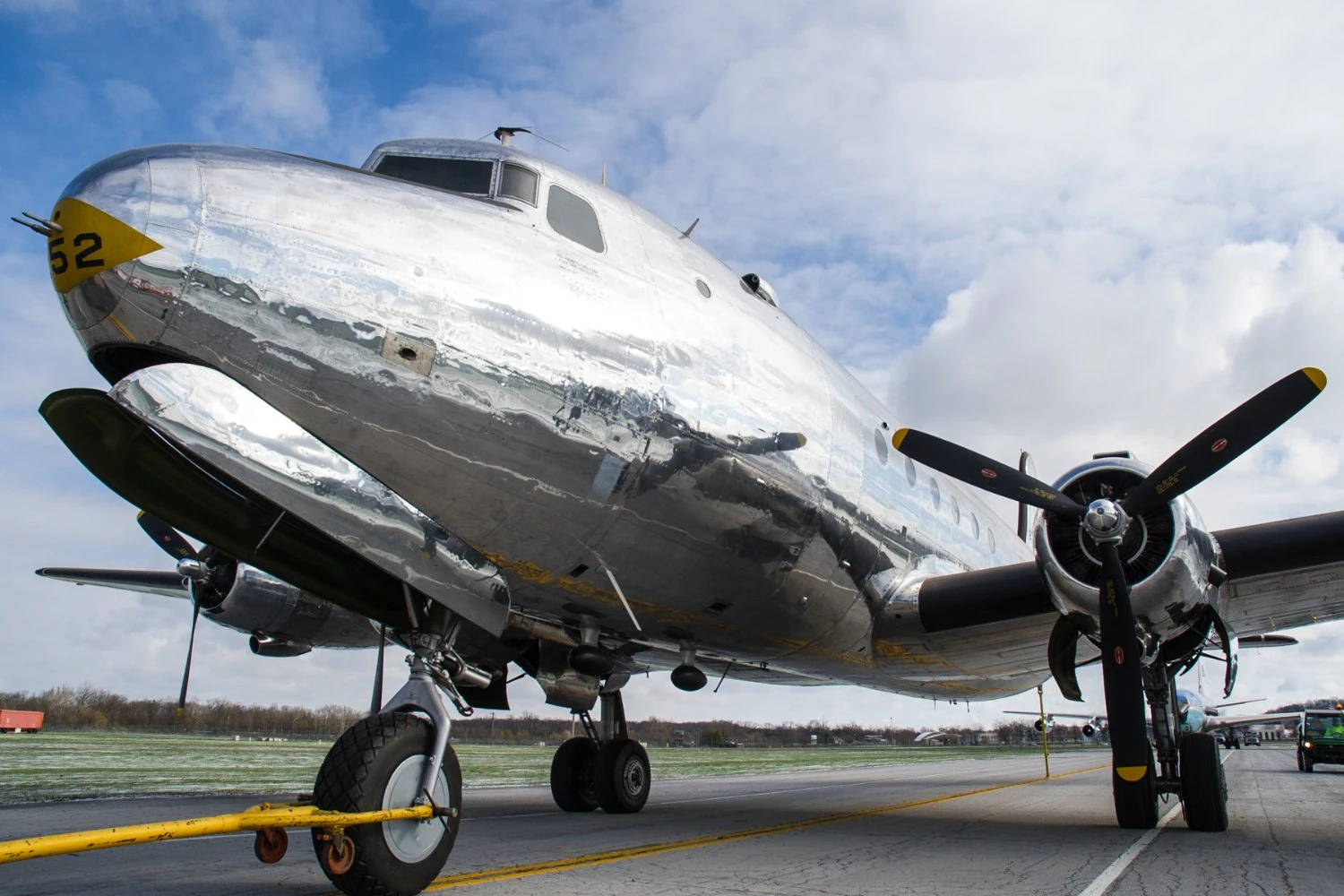
Instead, the White House received a Douglas VC-54C named Sacred Cow.
Sacred Cow: the first presidential aircraft
Delivered in 1945, Sacred Cow became the first aircraft specifically configured for presidential use.
The VC-54C featured a private stateroom, communications equipment and a special elevator to accommodate Roosevelt's wheelchair.
The aircraft carried Roosevelt to the Yalta Conference shortly before the end of World War II and later served President Harry Truman.
Today, Sacred Cow is preserved at the National Museum of the United States Air Force in Ohio.
Independence and the Constellation era
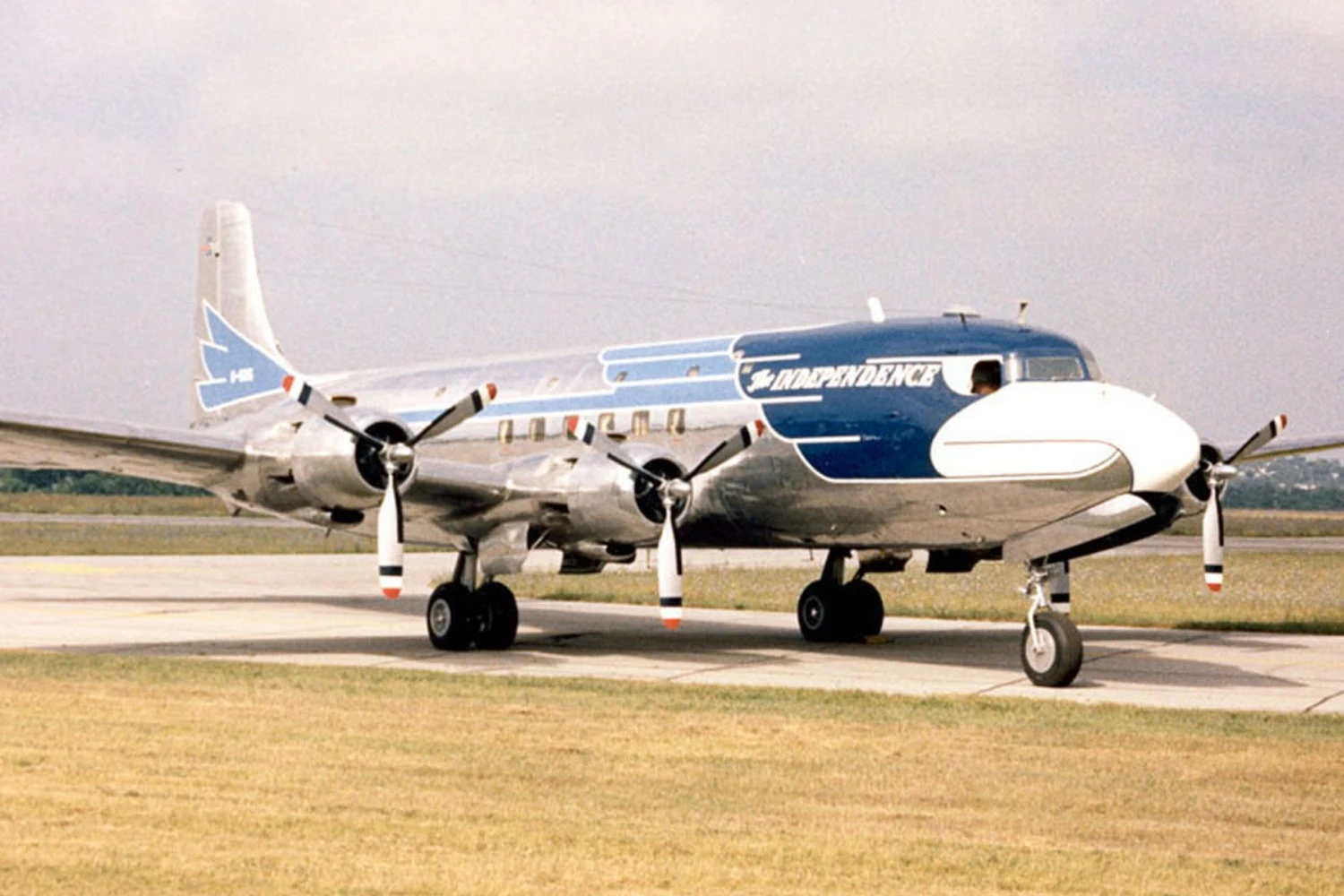
In 1947, Truman replaced Sacred Cow with a larger Douglas VC-118 known as Independence.
Named after the president's hometown in Missouri, the aircraft featured a distinctive eagle-head nose design and represented a significant advance in comfort and range.
The next major step came during the Eisenhower administration with the Lockheed Constellation family.
Columbine II entered service in 1953, followed by the more advanced Columbine III in 1954.
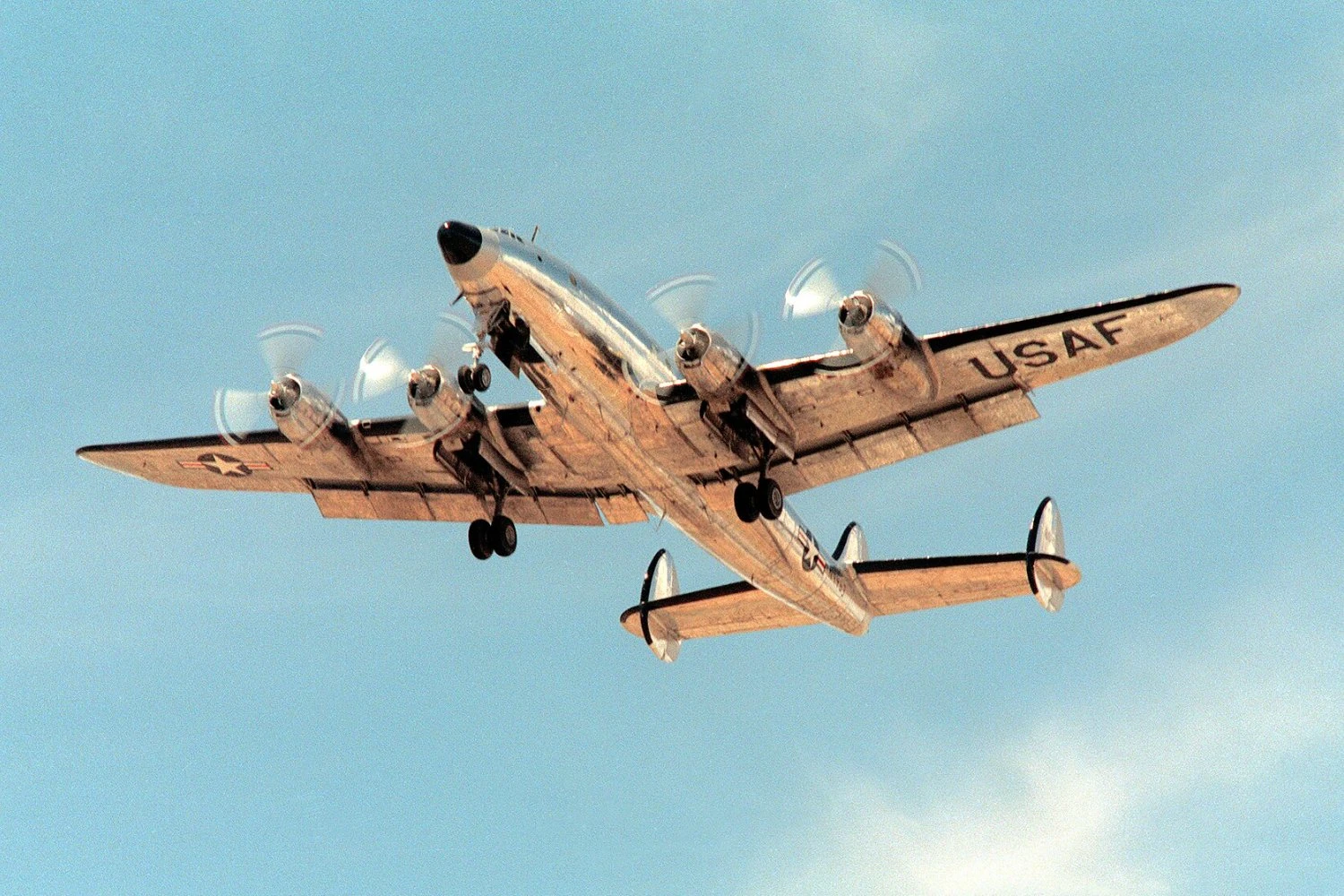
The aircraft became part of aviation history when a commercial flight using the same flight number as Eisenhower's airplane created confusion with air traffic control. The incident prompted the adoption of a unique callsign whenever the president was aboard a military aircraft.
The term "Air Force One" was born.
The jet age arrives
The arrival of the Boeing 707 transformed presidential travel.
Eisenhower became the first US president to fly aboard a jet aircraft in 1959, using one of several VC-137 variants introduced during the transition from propeller aircraft.
The defining aircraft of the era arrived in 1962 with SAM 26000, a specially modified Boeing VC-137C based on the 707-320B.
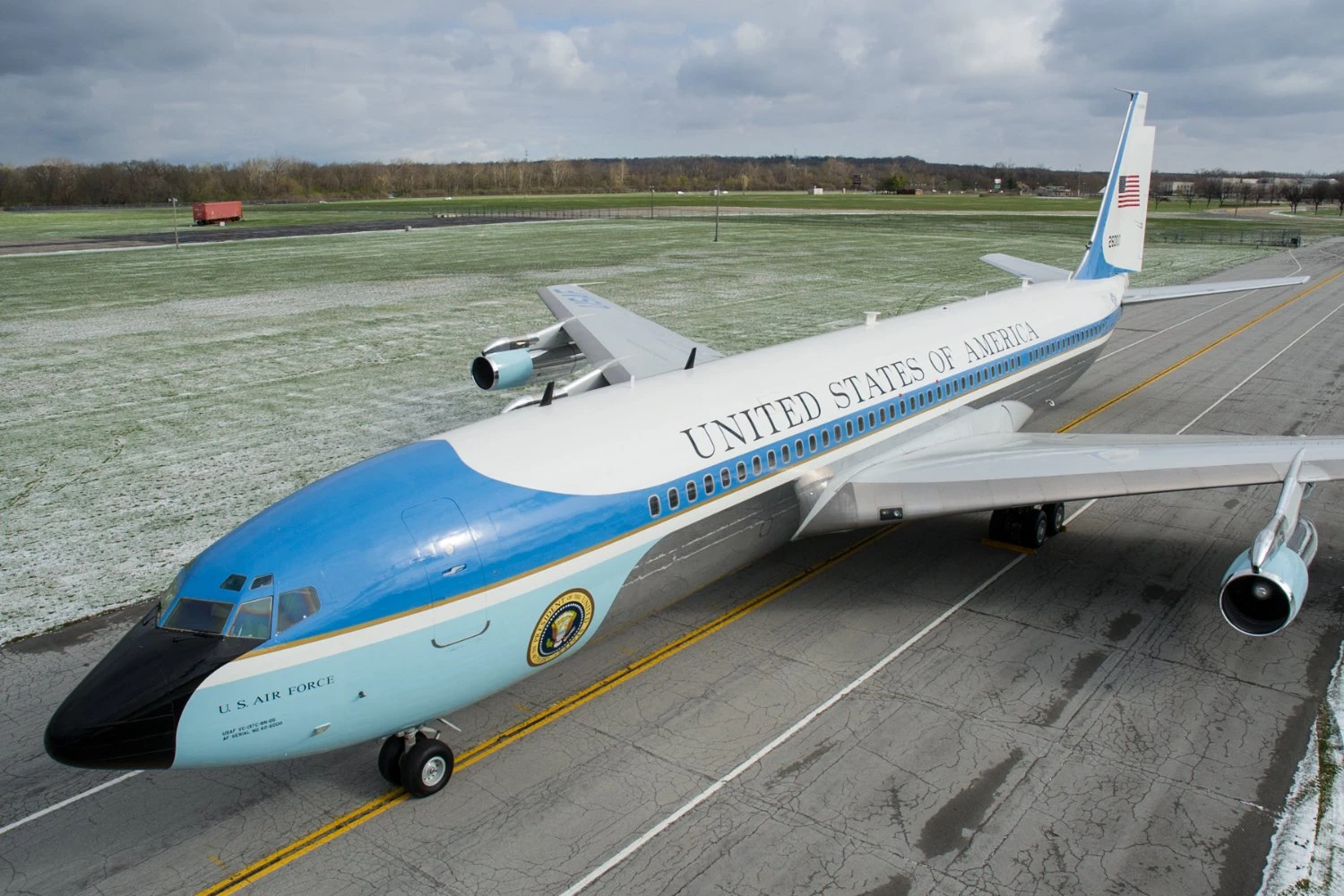
The aircraft introduced the now-iconic blue-and-white livery designed by industrial designer Raymond Loewy in collaboration with President John F. Kennedy.
SAM 26000 became one of the most recognizable aircraft in history.
It carried Kennedy during his presidency and was present in Dallas on November 22, 1963. Following Kennedy's assassination, Lyndon B. Johnson took the presidential oath aboard the aircraft before departing Texas.
The aircraft later served Johnson and Richard Nixon before transitioning to reserve duties.
SAM 27000 and three decades of service
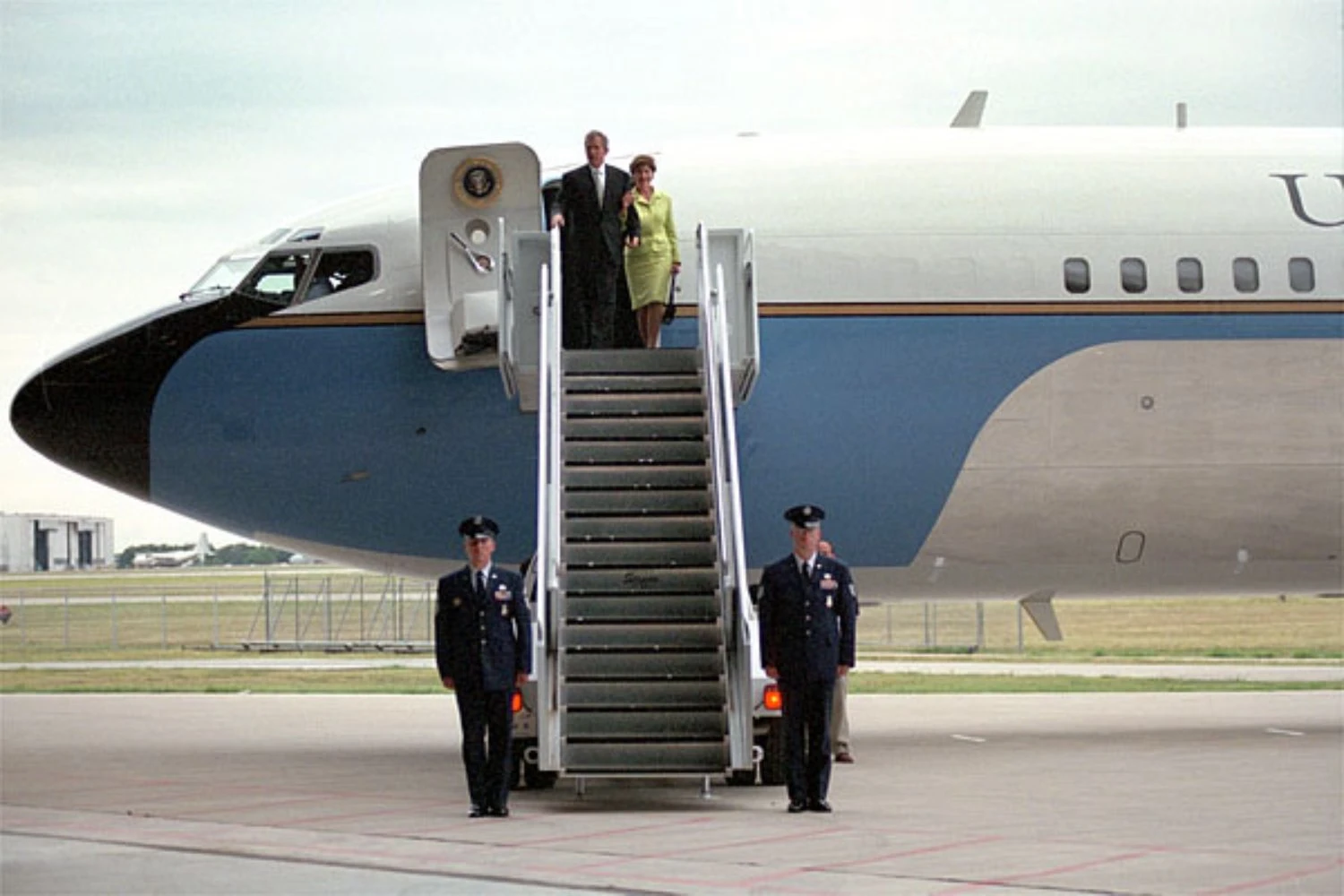
A second VC-137C, designated SAM 27000, entered service in 1972.
The aircraft became the primary presidential transport for seven presidents, from Richard Nixon through George W. Bush.
For nearly three decades, SAM 27000 represented the United States around the world during the Cold War, the Reagan years and the post-Cold War era.
The aircraft's final presidential mission occurred in 2001, carrying George W. Bush to his first inauguration before retirement.
Today it is displayed at the Ronald Reagan Presidential Library in California.
The Boeing 747 era
The current generation of presidential aircraft arrived in 1990.
Known as VC-25A, the two aircraft are heavily modified Boeing 747-200B airliners carrying military serials 28000 and 29000.
The aircraft entered service under President George H.W. Bush and have since transported every US president, including Bill Clinton, George W. Bush, Barack Obama, Donald Trump and Joe Biden.
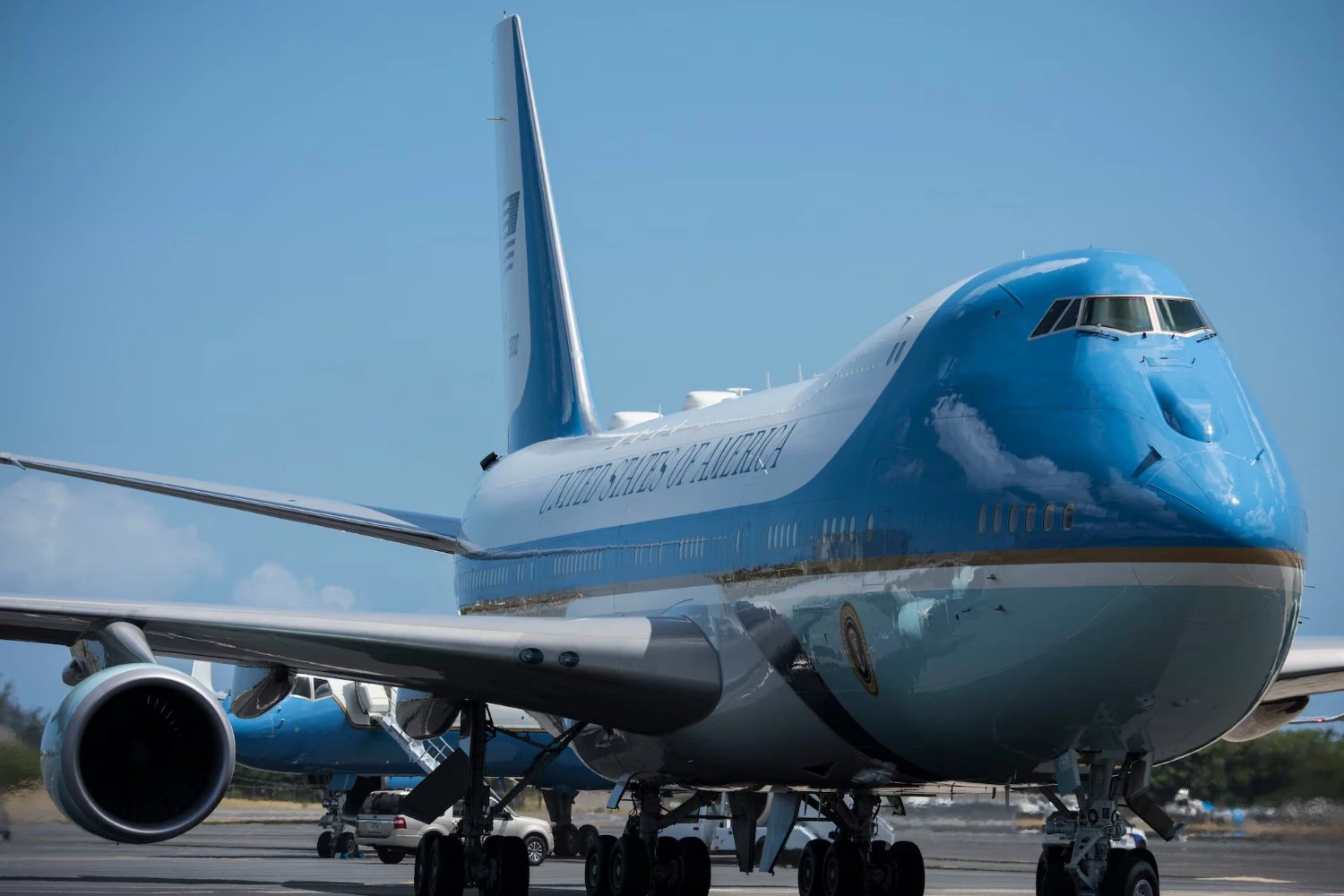
Although they resemble commercial 747s externally, the VC-25As differ dramatically inside.
The aircraft include secure communications systems, defensive countermeasures, protected electronics, conference facilities, medical capabilities and accommodations for senior staff, security personnel and journalists.
Perhaps their most distinctive feature is aerial refueling capability, theoretically allowing them to remain airborne indefinitely if required during a national emergency.
The delayed VC-25B program
By the 2010s, the Air Force began planning a replacement for the aging VC-25A fleet.
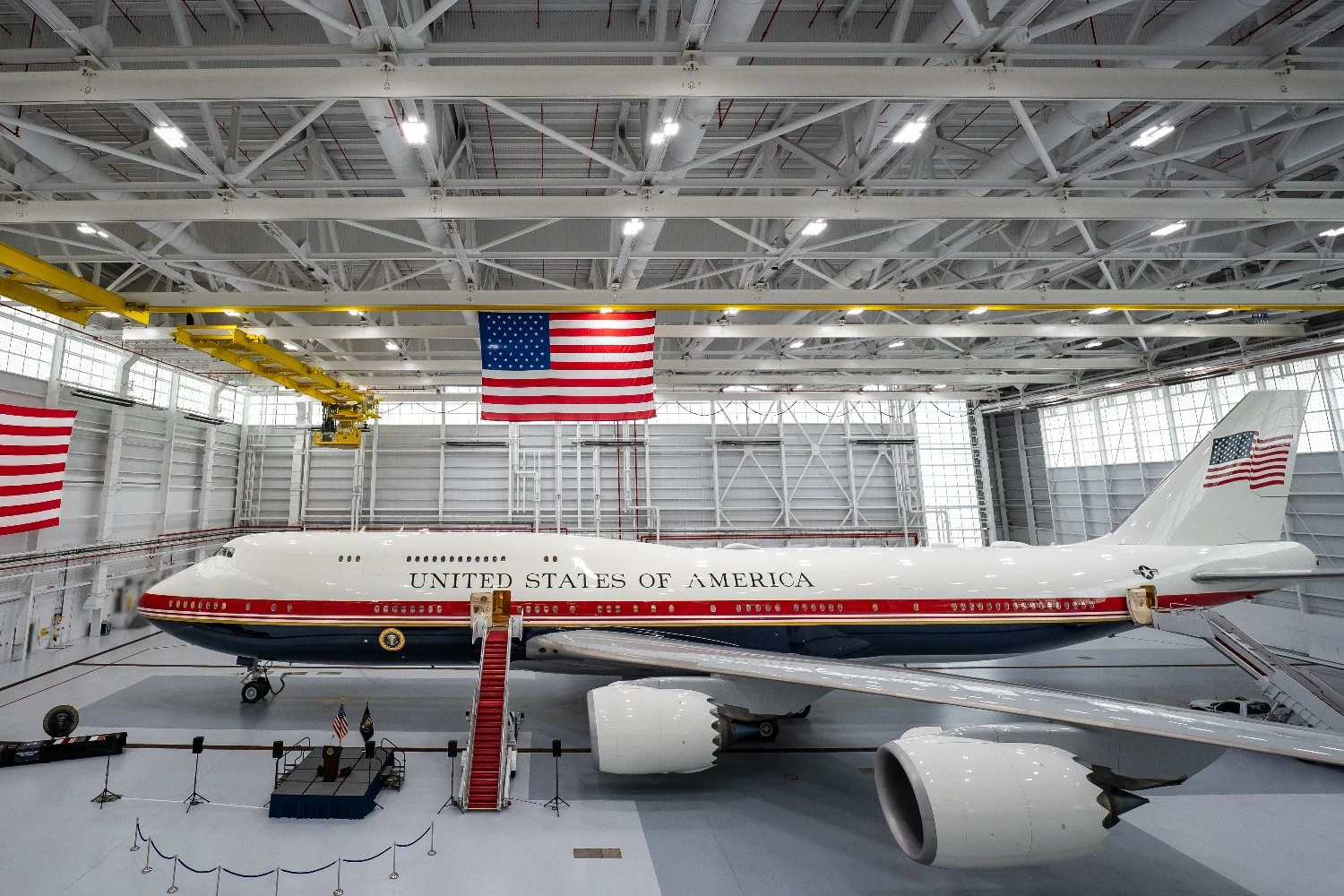
The result was the VC-25B program, based on two former Boeing 747-8 Intercontinental aircraft acquired for extensive military conversion.
The project was launched during Donald Trump's first administration in 2017 but soon encountered production challenges, supply chain disruptions and certification issues.
Costs climbed beyond $5 billion while the schedule slipped repeatedly.
The aircraft are now expected to enter service around 2028, roughly four years later than originally planned.
The VC-25B Bridge
To maintain presidential airlift capacity while the VC-25B program remains under development, the Air Force turned to an unusual solution.
A former Boeing 747-8i operated by the government of Qatar was acquired and rapidly modified into what became known as the VC-25B Bridge.
Unlike the future VC-25Bs, the interim aircraft retains much of its original VIP interior. Air Force officials prioritized secure communications, defensive systems and mission equipment while avoiding extensive structural modifications that would have delayed entry into service.
The aircraft arrived at Joint Base Andrews in June 2026 and began commissioning flights shortly afterward.
It is expected to serve alongside the VC-25A fleet until the next-generation presidential aircraft are delivered.
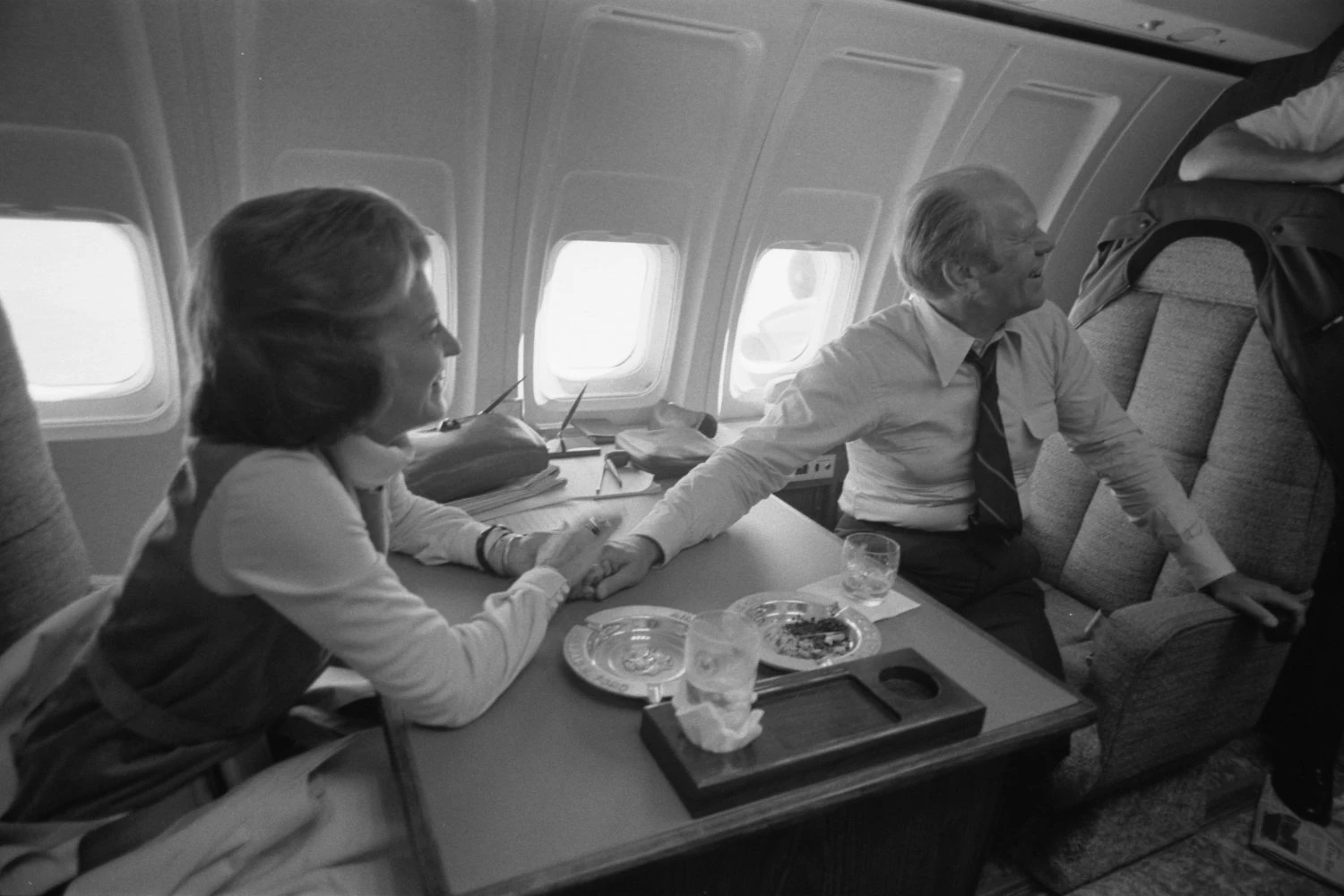
First Lady Betty Ford and President Gerald Ford | White House 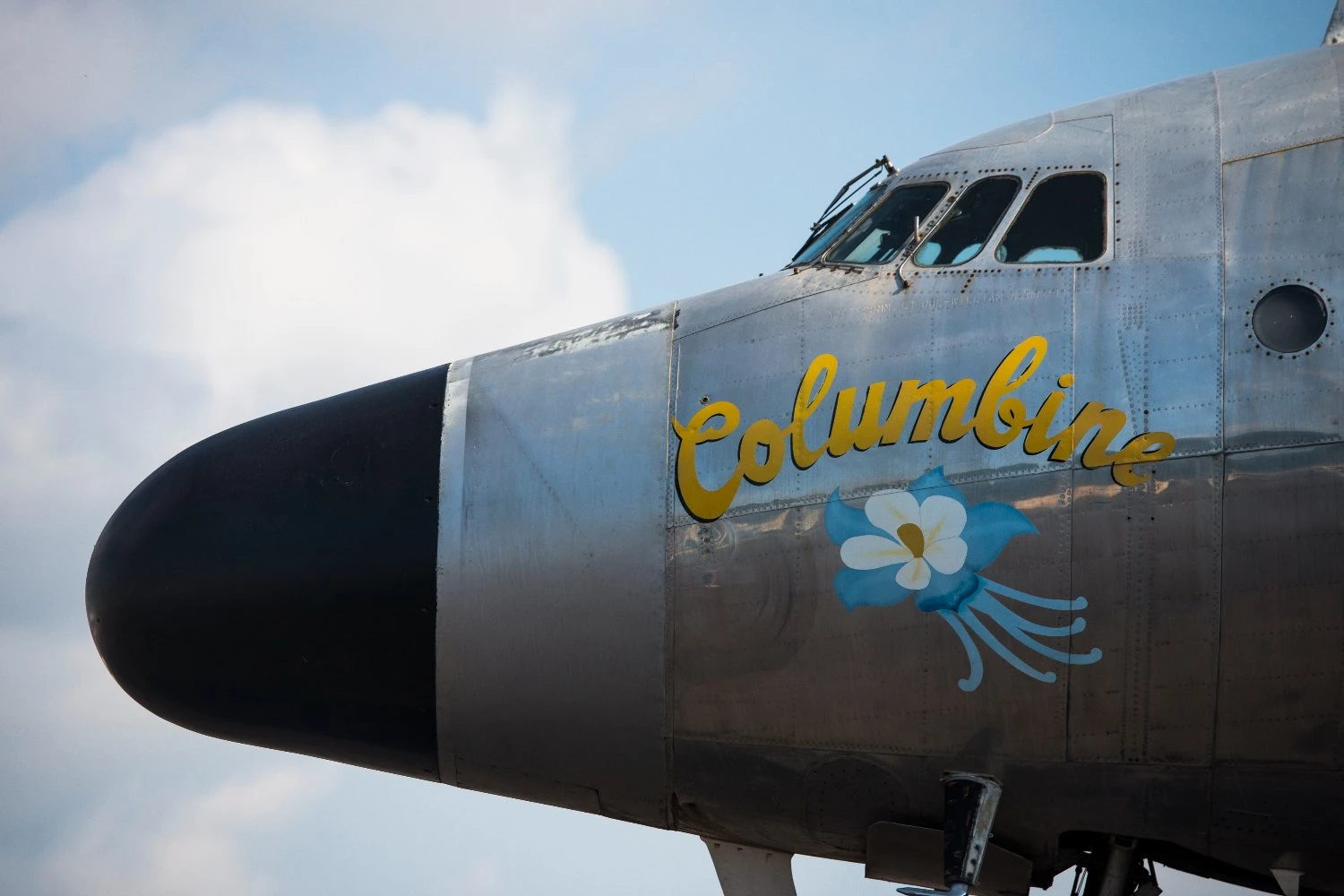
Lockheed VC-121A Constellation | USAF 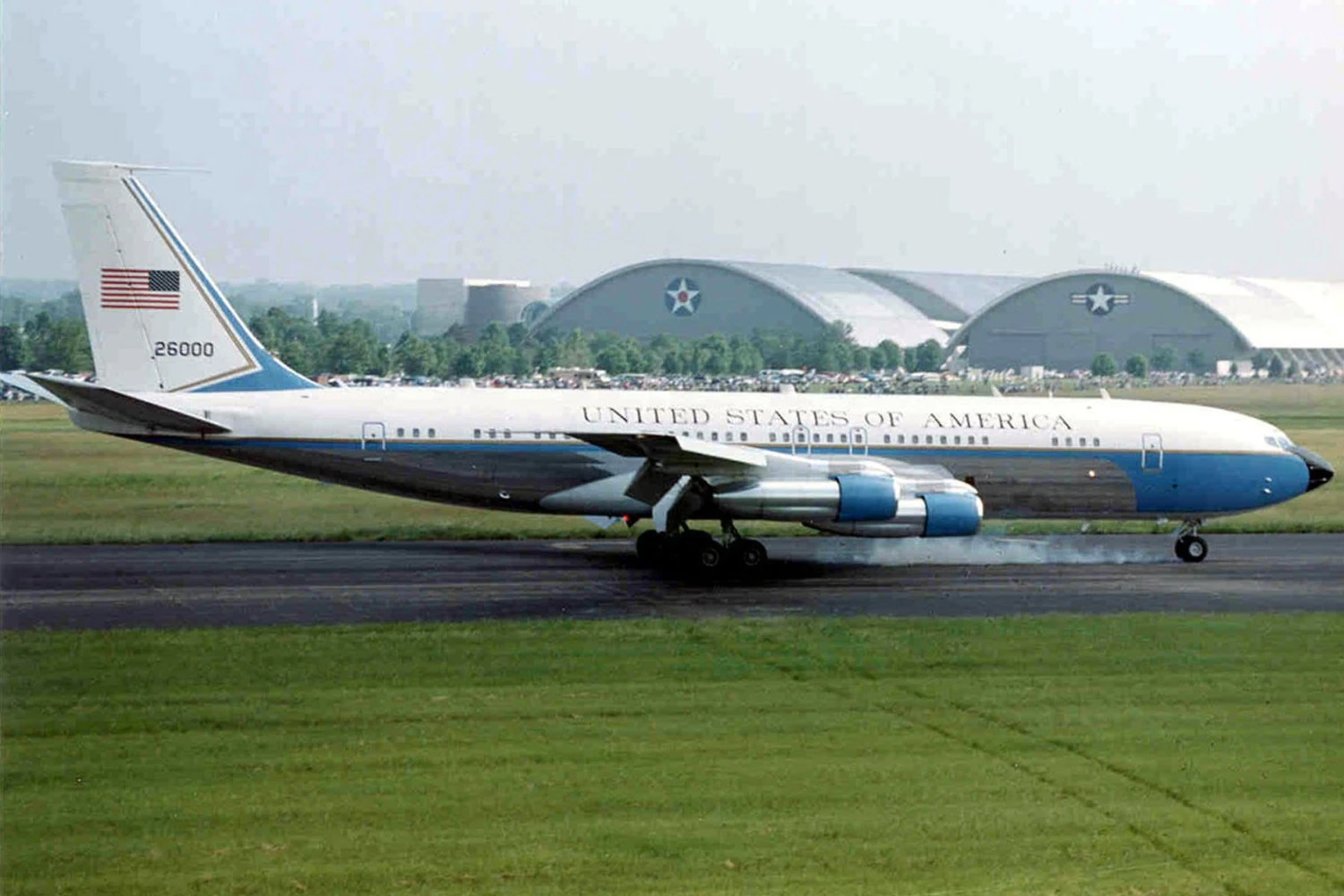
VC-137C SAM 2600 | USAF



A flying symbol of the presidency
From the piston-powered Sacred Cow to today's modified Boeing 747s, presidential aircraft have evolved alongside aviation technology itself.
Each generation has reflected the demands of its era, whether crossing oceans during World War II, projecting American power during the Cold War or serving as a secure airborne command center in the modern age.
The arrival of the VC-25B Bridge ensures that story continues while the next chapter waits in Boeing's factories.