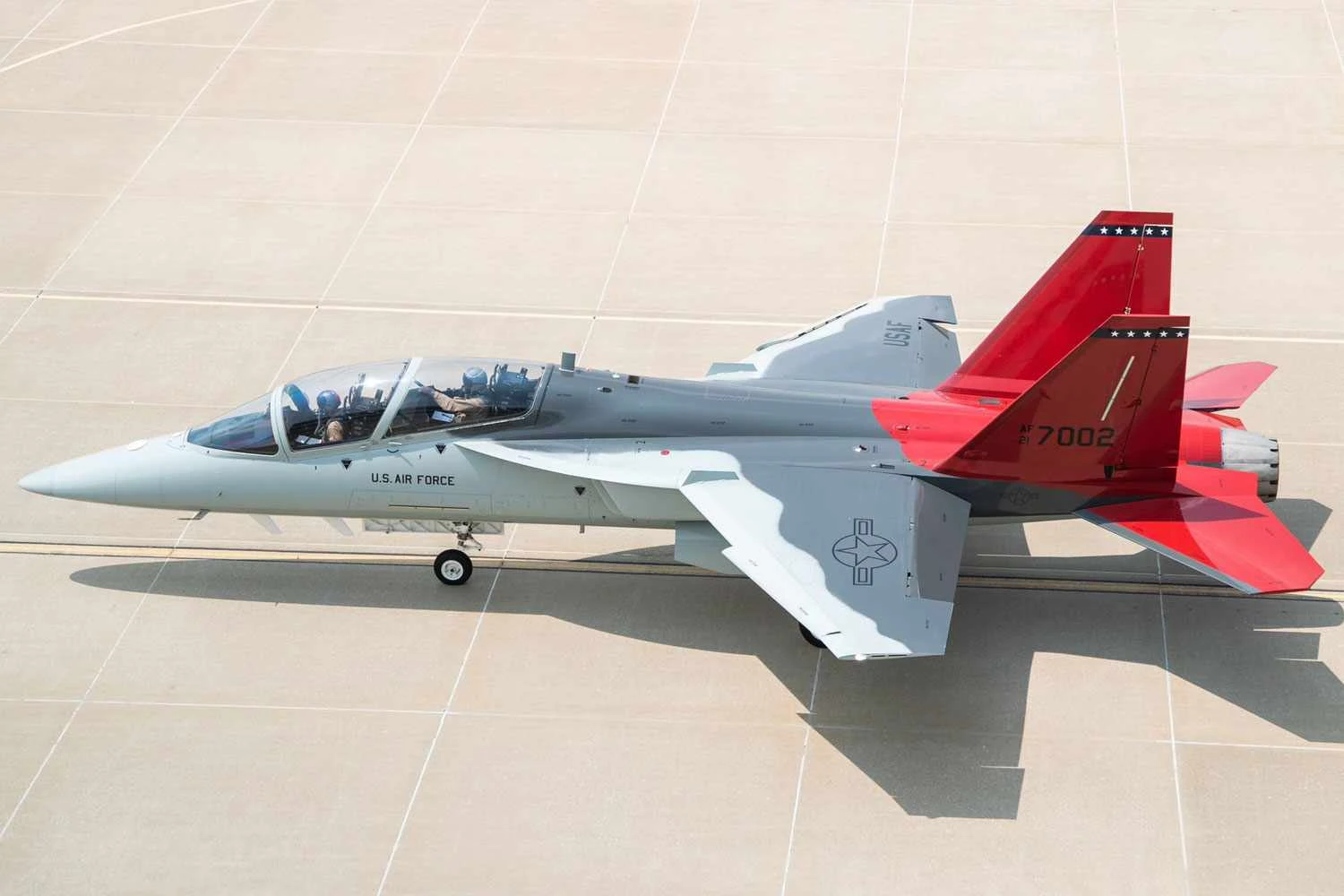
Boeing has decided not to participate in the U.S. Navy’s Undergraduate Jet Training System (UJTS) competition, leaving only two contenders in the race to replace the aging T-45 Goshawk trainer fleet.
In a statement released on June 12, Boeing said the T-7A Red Hawk does not meet the current requirements established by the Navy for the program.
“Boeing is focused on meeting our commitments, and we bid for programs where we believe we can provide the right solution tailored to our customers’ needs and requirements,” the company said. “After careful evaluation, we have determined the T-7A does not meet the U.S. Navy’s Undergraduate Jet Training System requirements.”
The manufacturer added that it remains committed to the T-7A program and sees the aircraft as a training platform for future generations of military pilots.
Related news
According to The Aviationist, Boeing’s decision is linked to engine qualification requirements involving the General Electric F404 turbofan. Modifying the engine to meet Navy standards would reportedly require additional development work and could delay the aircraft’s path to operational service.
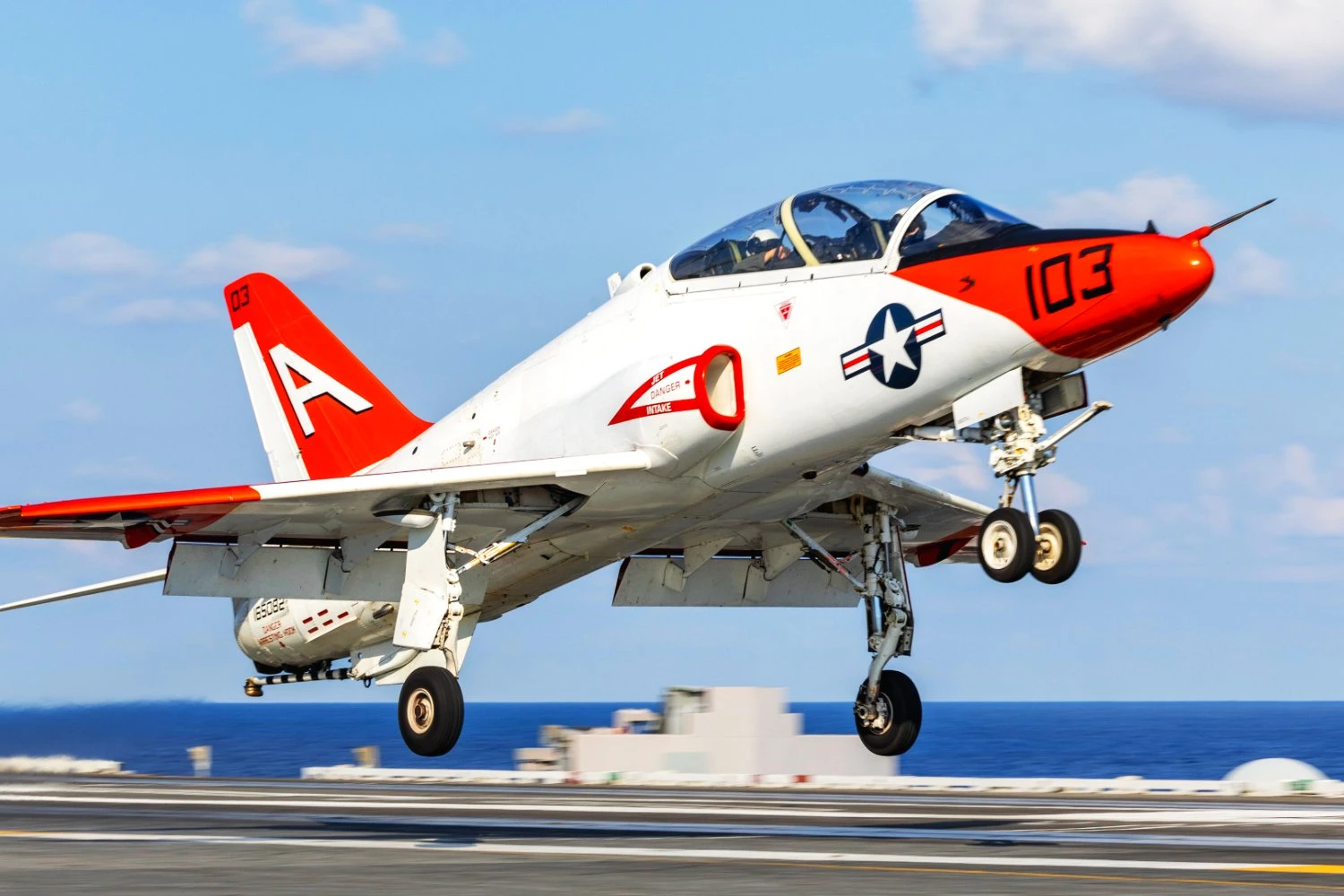
The withdrawal removes what had been considered one of the strongest candidates in the competition. It also marks the second major company to leave the program after Lockheed Martin announced in March that it would not offer its TF-50N trainer.
The UJTS competition now appears to be a two-horse race between Sierra Nevada Corporation’s proposed Freedom Trainer and the M-346N offered through a partnership between Textron Aviation Defense and Leonardo.
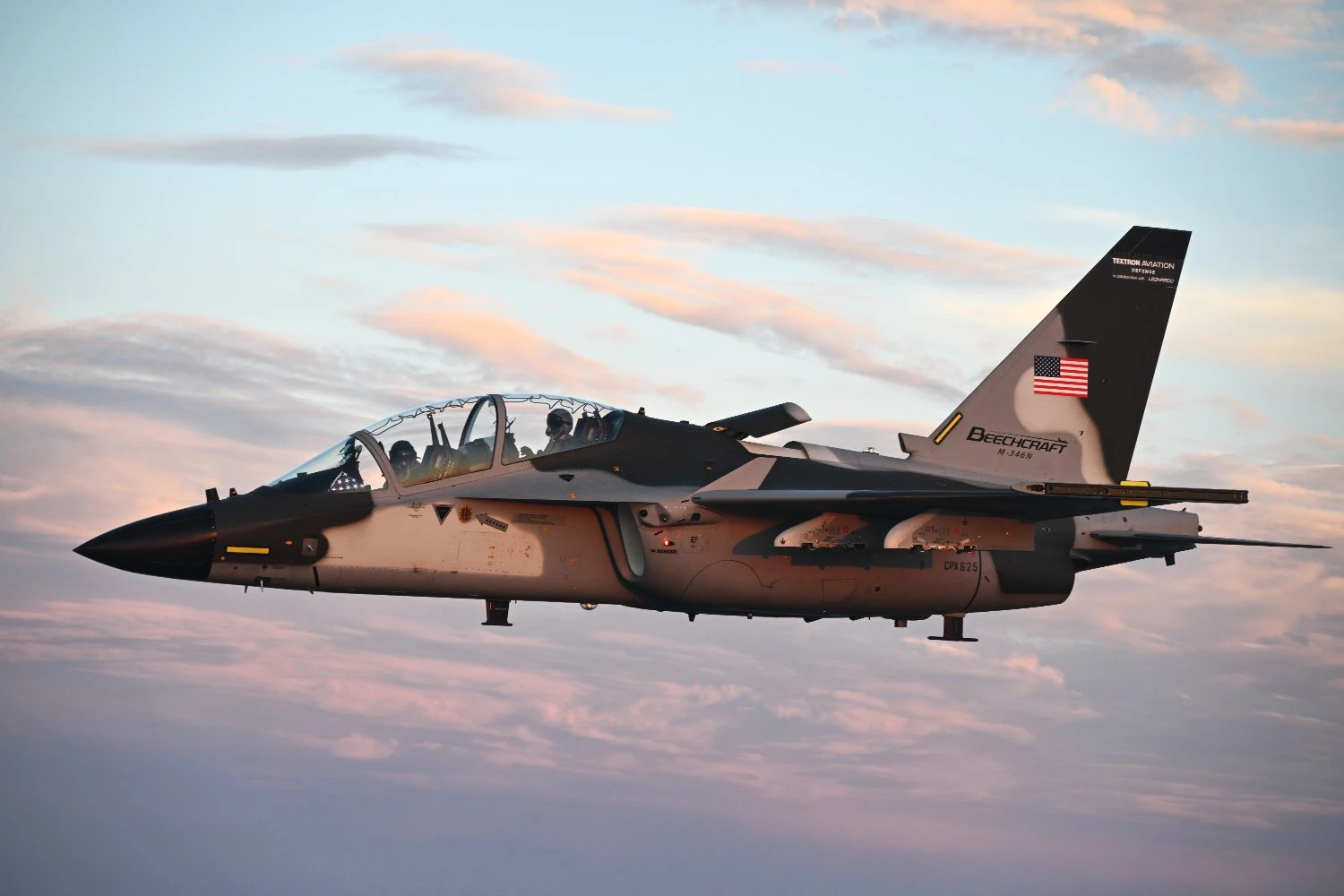
Unlike the Freedom Trainer, which remains a new design, the M-346 is already in operational service and has accumulated more than 100,000 flight hours worldwide.
The Navy released the final request for proposals in March and plans to award the contract in 2027. Current plans call for the acquisition of 216 aircraft to replace the T-45 fleet, with the first production aircraft expected to enter service early in the next decade.
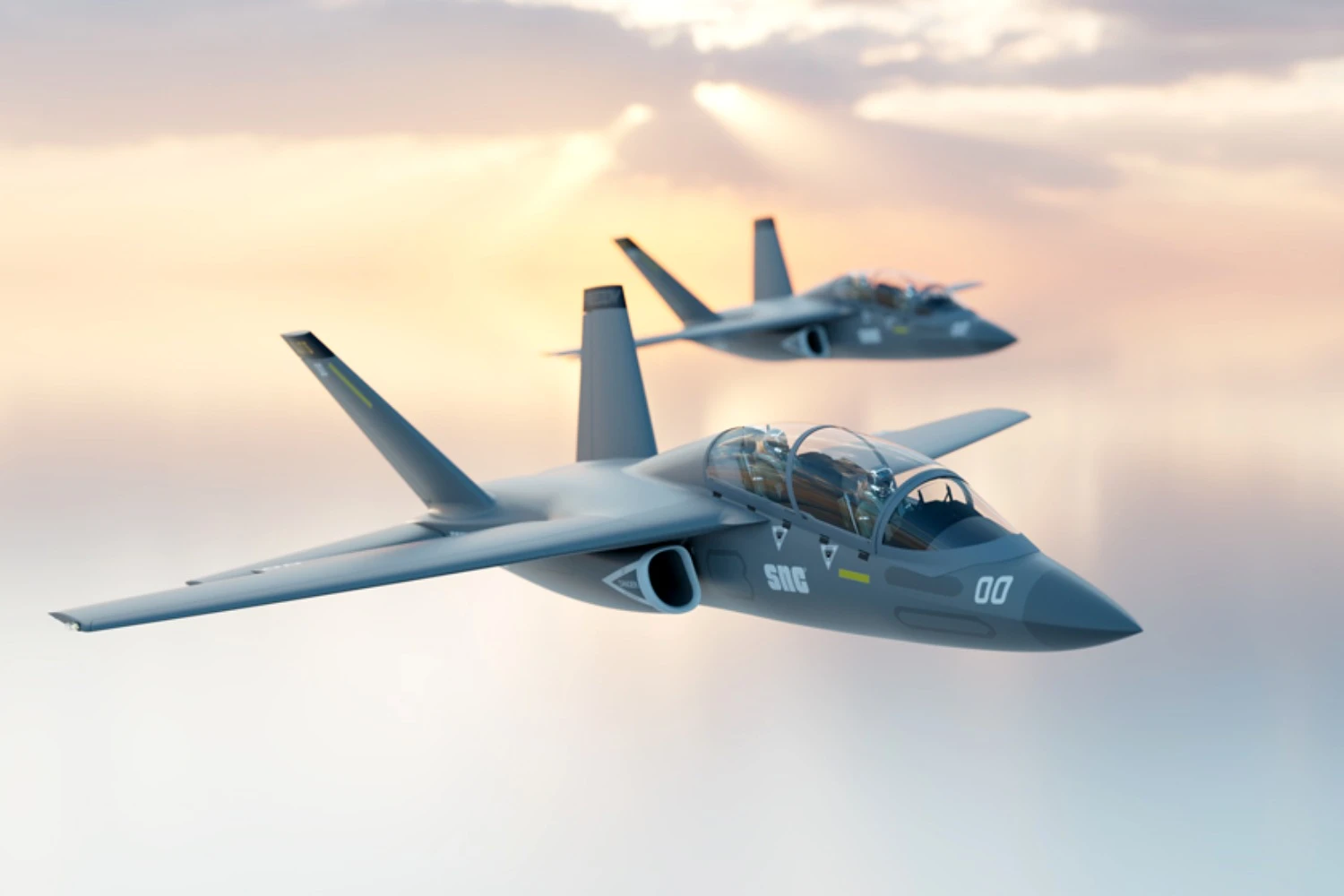
One of the most debated aspects of the program is the Navy’s decision to eliminate the requirement for routine carrier landing practice in the new trainer. Instead, future naval aviators will rely more heavily on simulators and automation before transitioning to frontline aircraft in operational training squadrons.
Supporters argue the approach reduces development complexity and allows the Navy to field a replacement faster. Critics, however, question whether shifting more training to combat aircraft could increase overall training costs in the long term.