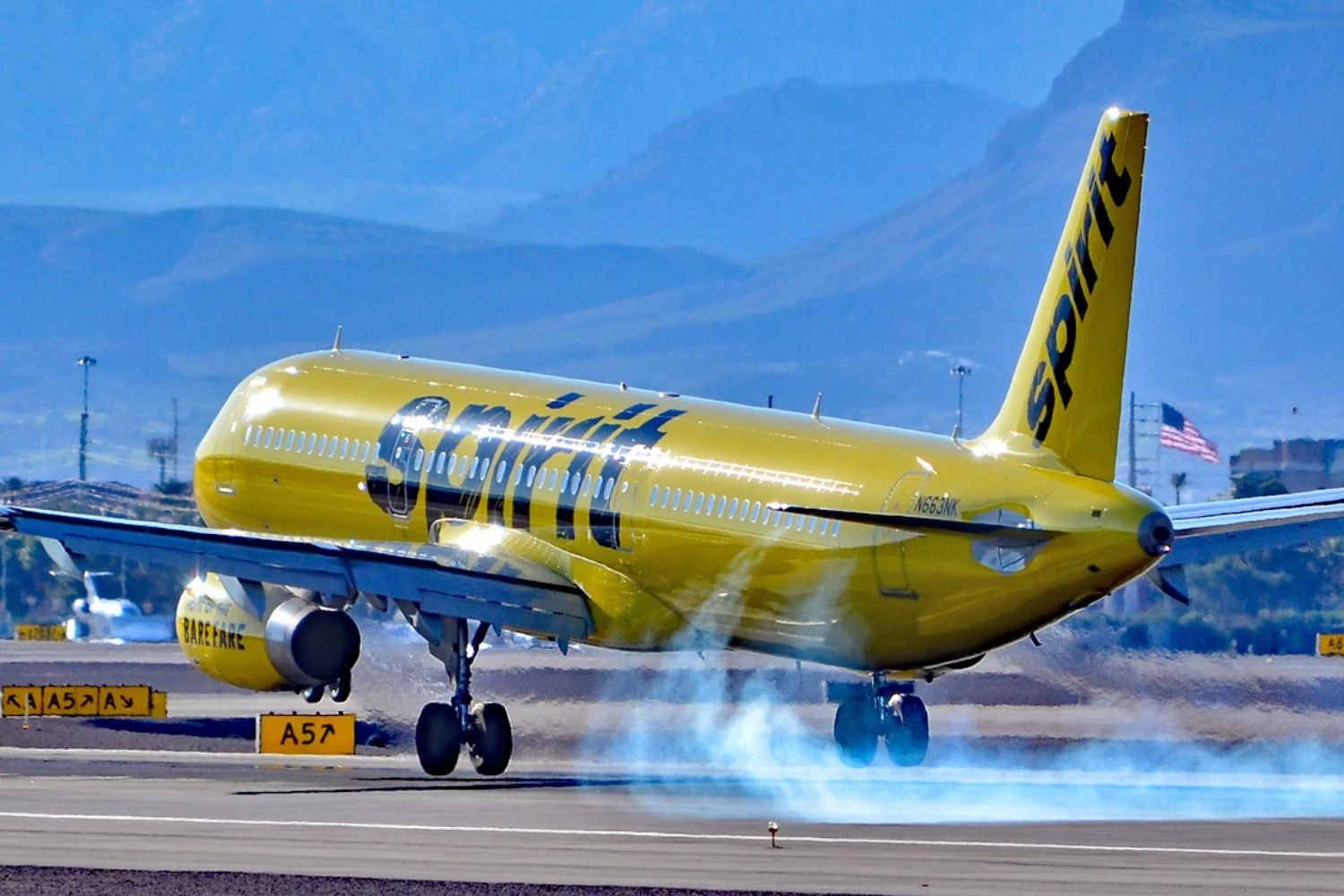
Spirit Airlines is again facing uncertainty over its future, with discussions underway that could lead to a liquidation of the company, according to reports by The Wall Street Journal, Bloomberg and CNBC.
Sources cited by those outlets say the Florida-based carrier is in talks with creditors and that a decision on a possible wind-down could come within days. The situation remains fluid, and no final outcome has been confirmed. Spirit said it does not comment on market speculation.
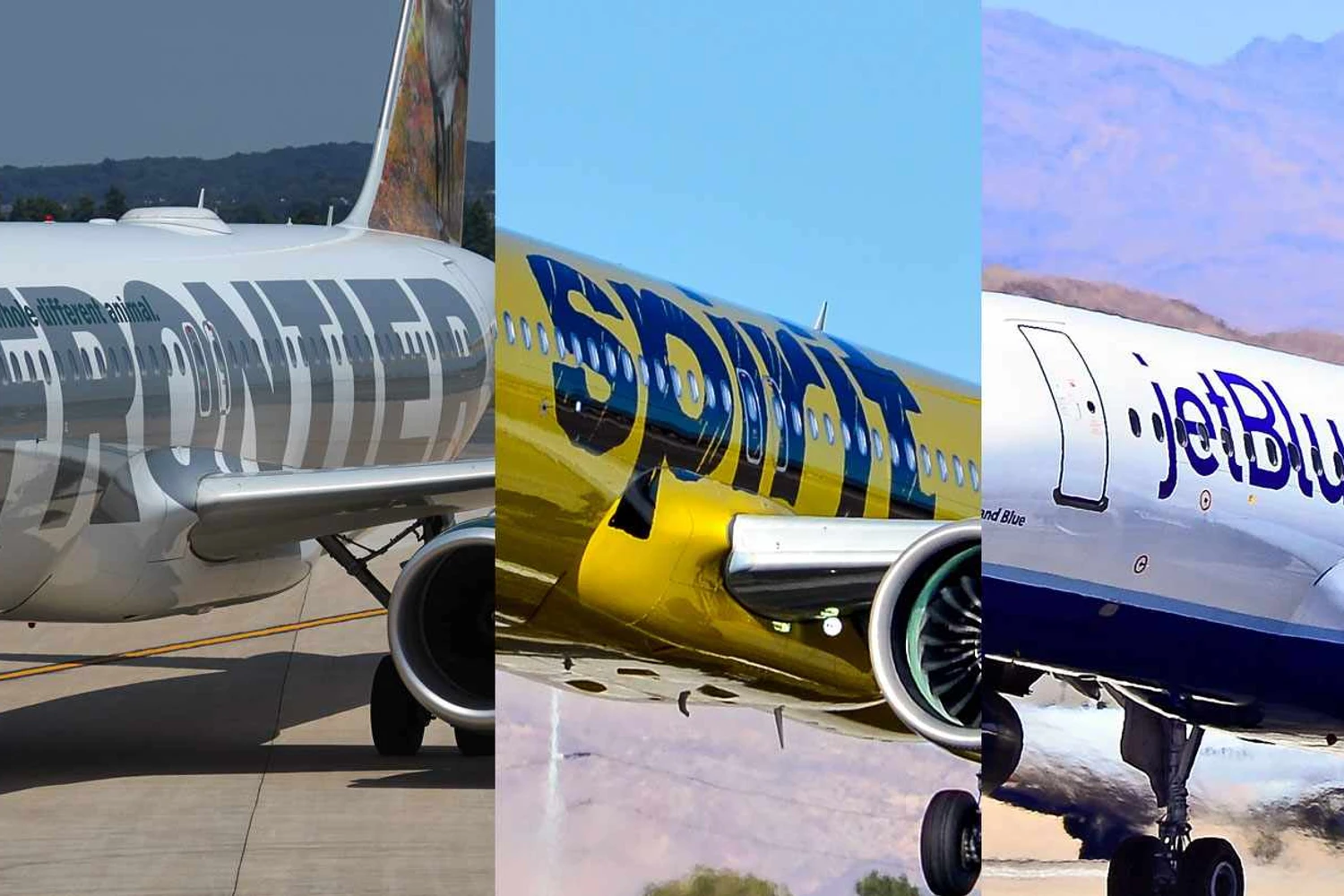
The airline has been struggling to stabilize its finances after a second Chapter 11 process within a year. It initially sought bankruptcy protection following the collapse of its planned merger with JetBlue Airways, which had outbid an earlier agreement with Frontier Airlines. A U.S. judge later blocked the JetBlue deal on antitrust grounds, removing what had been seen as a potential path forward.
Follow Air Data News: WhatsApp | Google News | Instagram | LinkedIn | Twitter | Facebook
Since then, Spirit has taken a series of measures to preserve cash, including workforce reductions, aircraft sales and lease renegotiations. The airline has also been attempting to shift its business model toward higher-paying passengers, moving away from its traditional ultra-low-cost focus that relied heavily on ancillary fees.
Operational challenges have compounded the financial strain. A recall involving Pratt & Whitney geared turbofan engines grounded a portion of its Airbus fleet starting in 2023, while an oversupplied domestic market has pressured fares. At the same time, fuel prices have risen sharply in recent weeks, increasing costs for an airline that lacks the premium revenue streams of larger competitors.
Spirit had previously indicated it aimed to exit restructuring and return to profitability, but recent developments suggest that plan is at risk. According to Bloomberg, rising fuel costs tied to geopolitical tensions have further weakened the carrier’s position during negotiations with creditors.
Related news
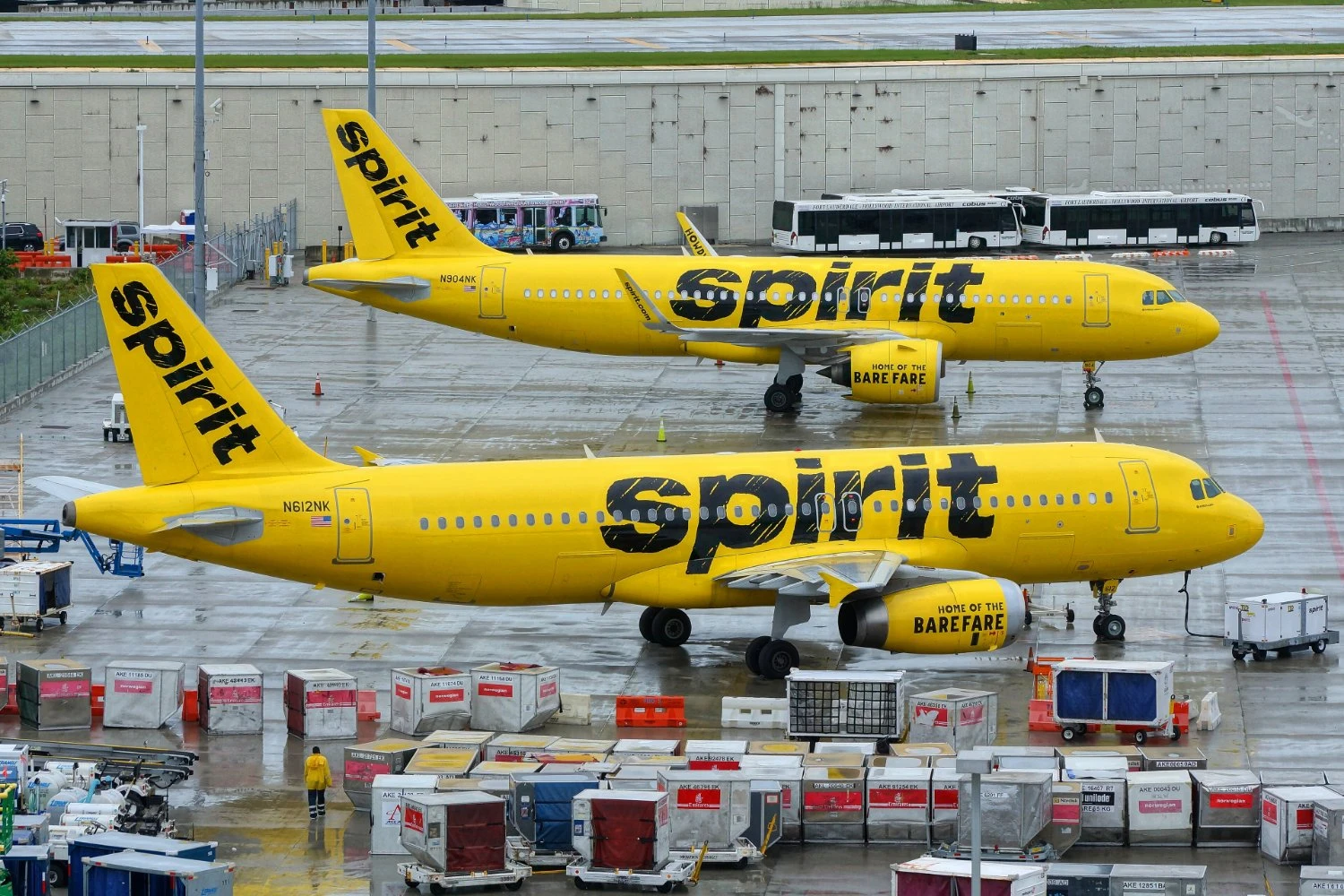
Once one of the most profitable ultra-low-cost carriers in the U.S., Spirit has seen its margins erode since the pandemic as labor and operating costs climbed and demand patterns shifted. The airline’s reliance on price-sensitive leisure travelers has made it particularly vulnerable in a market where larger carriers benefit from premium cabins and loyalty programs.
If a liquidation were to proceed, it would mark a rare outcome for a major U.S. airline and could reshape competition in the domestic market, where consolidation over the past decade has already reduced the number of large players.