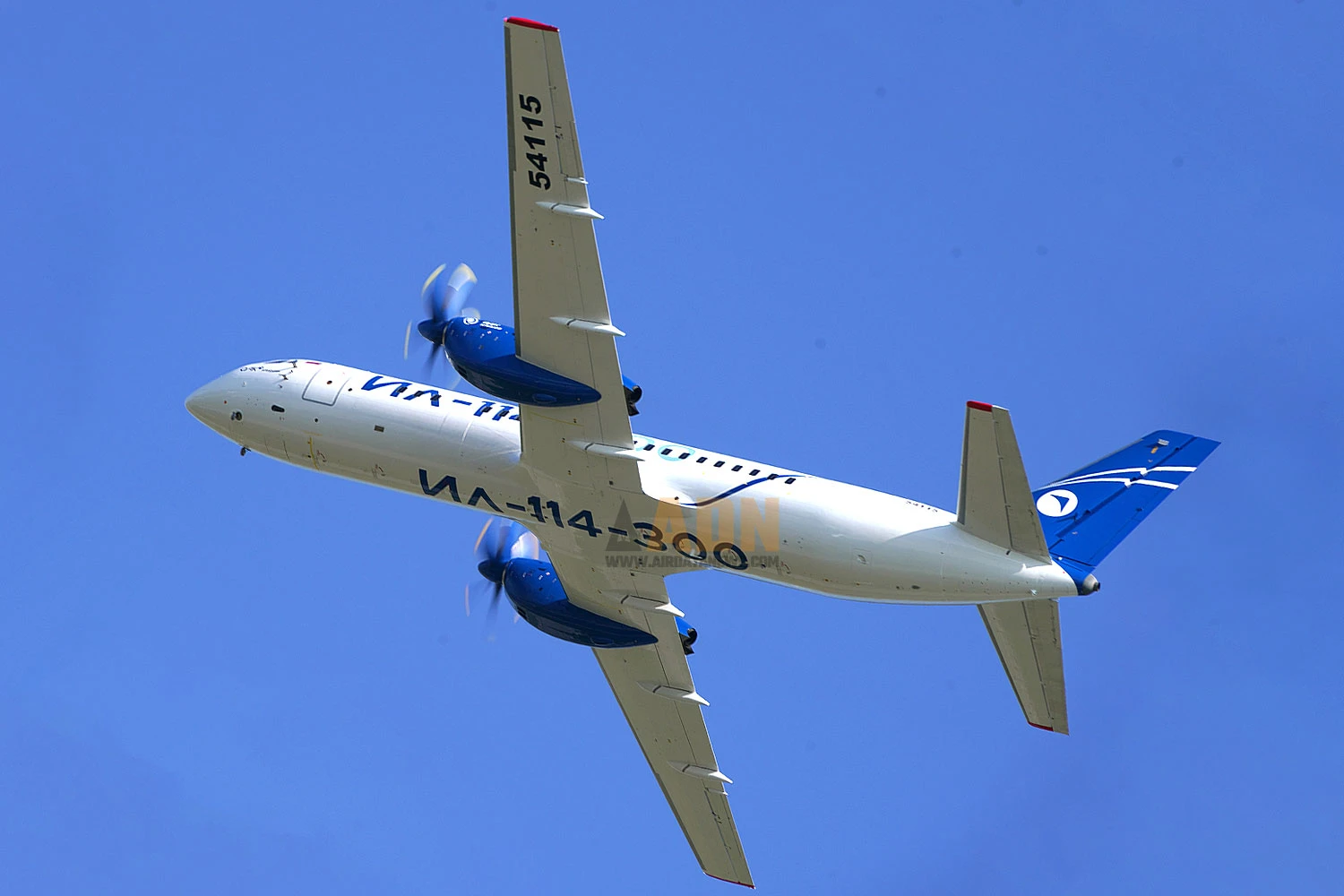
Russia's aviation regulator Rosaviatsia has certified the Il-114-300 regional turboprop and the PD-8 turbofan engine, allowing two of the country's most important post-sanctions aviation programs to move closer to commercial service.
The approvals come as Russia continues efforts to reduce its dependence on Western aircraft, engines and components following sanctions imposed after the invasion of Ukraine. The restrictions largely cut Russian airlines and manufacturers off from Boeing, Airbus and many international suppliers, forcing the industry to accelerate development of local alternatives.
Related news
September 10, 2026
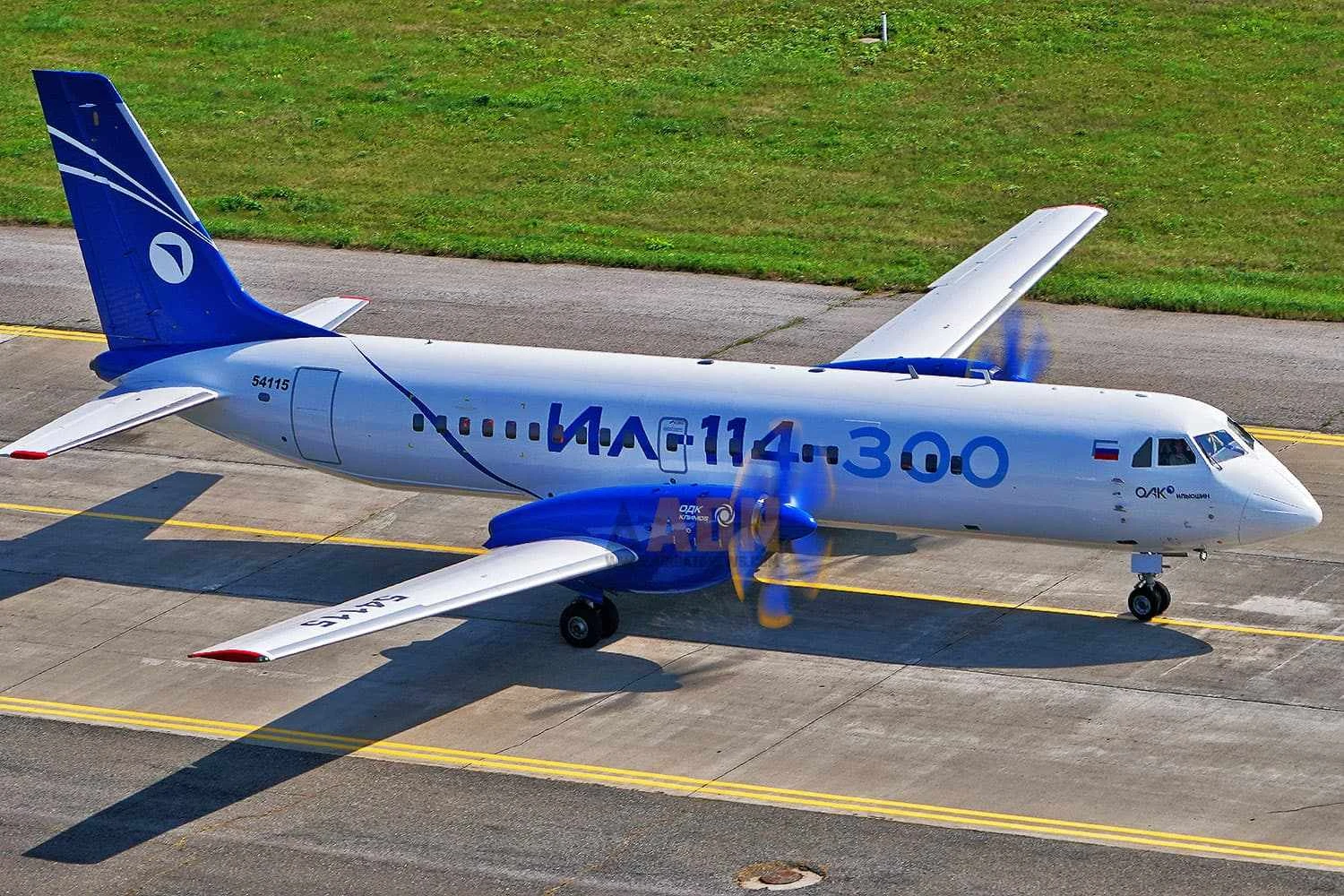
The Il-114-300 is a modernized version of a turboprop originally developed in the Soviet era. Russian officials say the aircraft is intended for regional routes, particularly in remote areas where operating conditions can be challenging.
Certification covers the version powered by TV7-117ST-01 engines and AV112-114 propellers, both produced in Russia. Authorities say serial production has already begun at the Lukhovitsy plant near Moscow, with three aircraft currently under assembly.
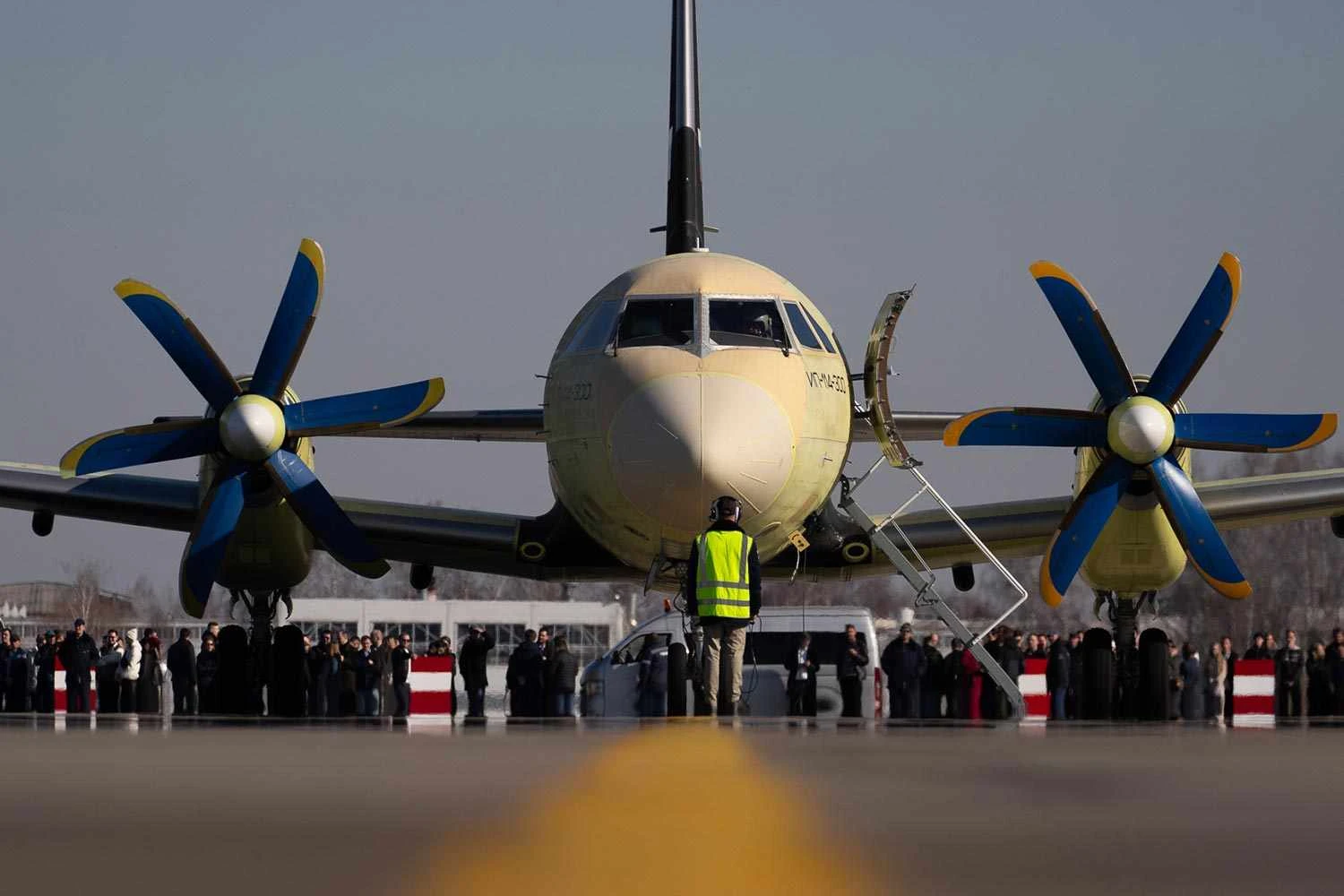
State lessor GTLK has signed an agreement to place three Il-114-300s with Arctic Airlines, which is expected to become the launch operator. Russian officials have also stated that Aurora Airlines has expressed interest in acquiring up to 20 aircraft.
The Il-114-300 arrives at a time when Russia's regional fleet is aging rapidly. Many aircraft currently serving remote routes trace their origins to Soviet-era designs, while access to Western-built replacements has become increasingly limited.
Rosaviatsia also certified the PD-8 turbofan, an engine developed to replace the Franco-Russian SaM146 used on the Superjet program.
The PD-8 is a critical component of the SJ-100, the latest version of the Superjet. Unlike earlier aircraft, which relied heavily on foreign systems and equipment, the SJ-100 has been redesigned around Russian-produced components.
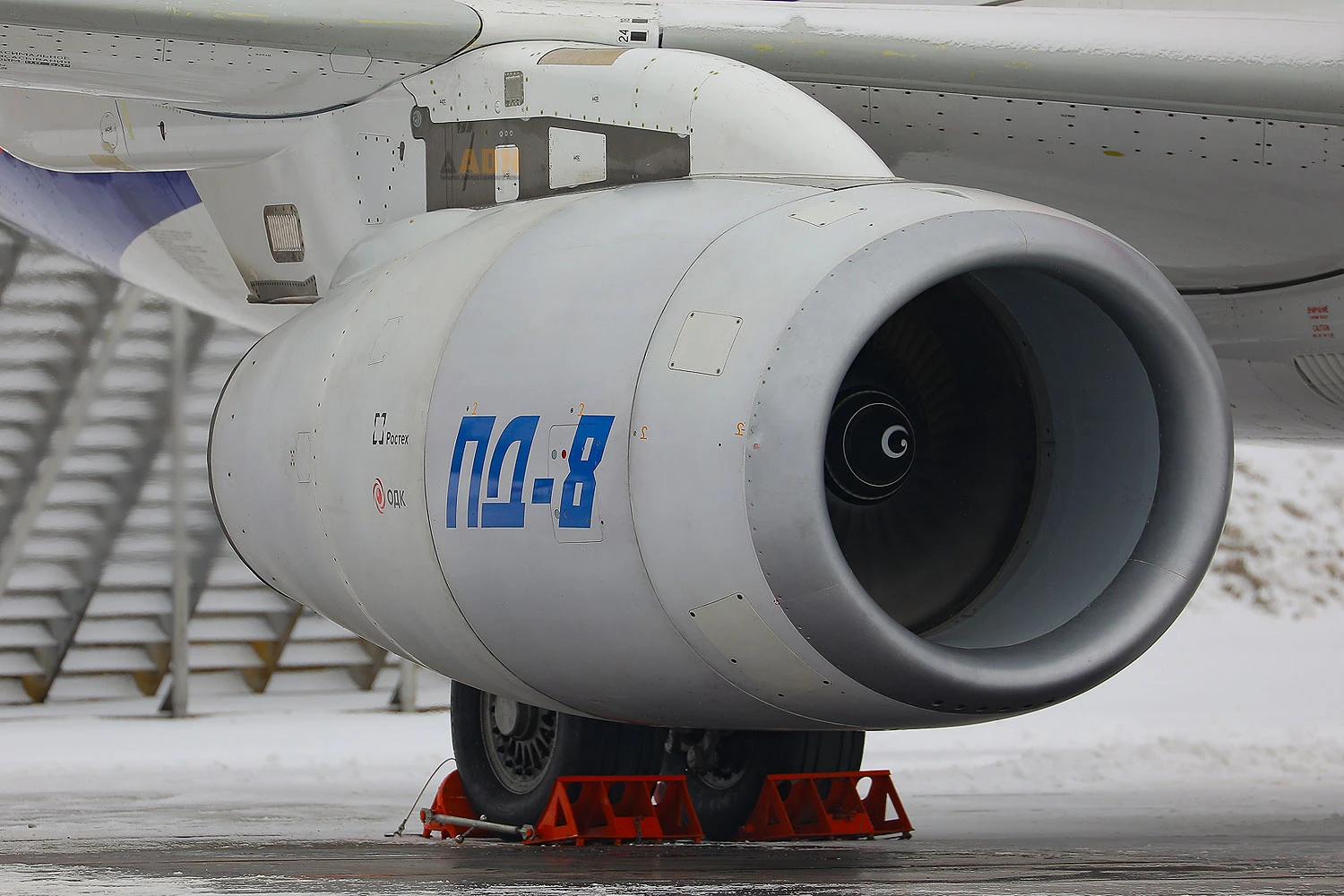
Russian authorities say that certification tests for the SJ-100 are nearing completion, although there is still no firm timeline for its entry into commercial service.
The engine approval is significant because it removes one of the major remaining dependencies on Western aerospace suppliers. Before sanctions, the Superjet relied on engines produced through a partnership between France's Safran and Russia's NPO Saturn.
The certifications also come as Russia works on several parallel aviation programs, including the MC-21 narrowbody airliner and renewed production of the Tu-214. Both aircraft are intended to fill gaps left by the loss of access to Airbus and Boeing products.
Whether these projects can be produced in large numbers remains uncertain. While certification clears an important regulatory hurdle, Russian manufacturers still face the challenge of scaling production and supplying airlines with enough aircraft to offset the gradual aging of existing fleets.