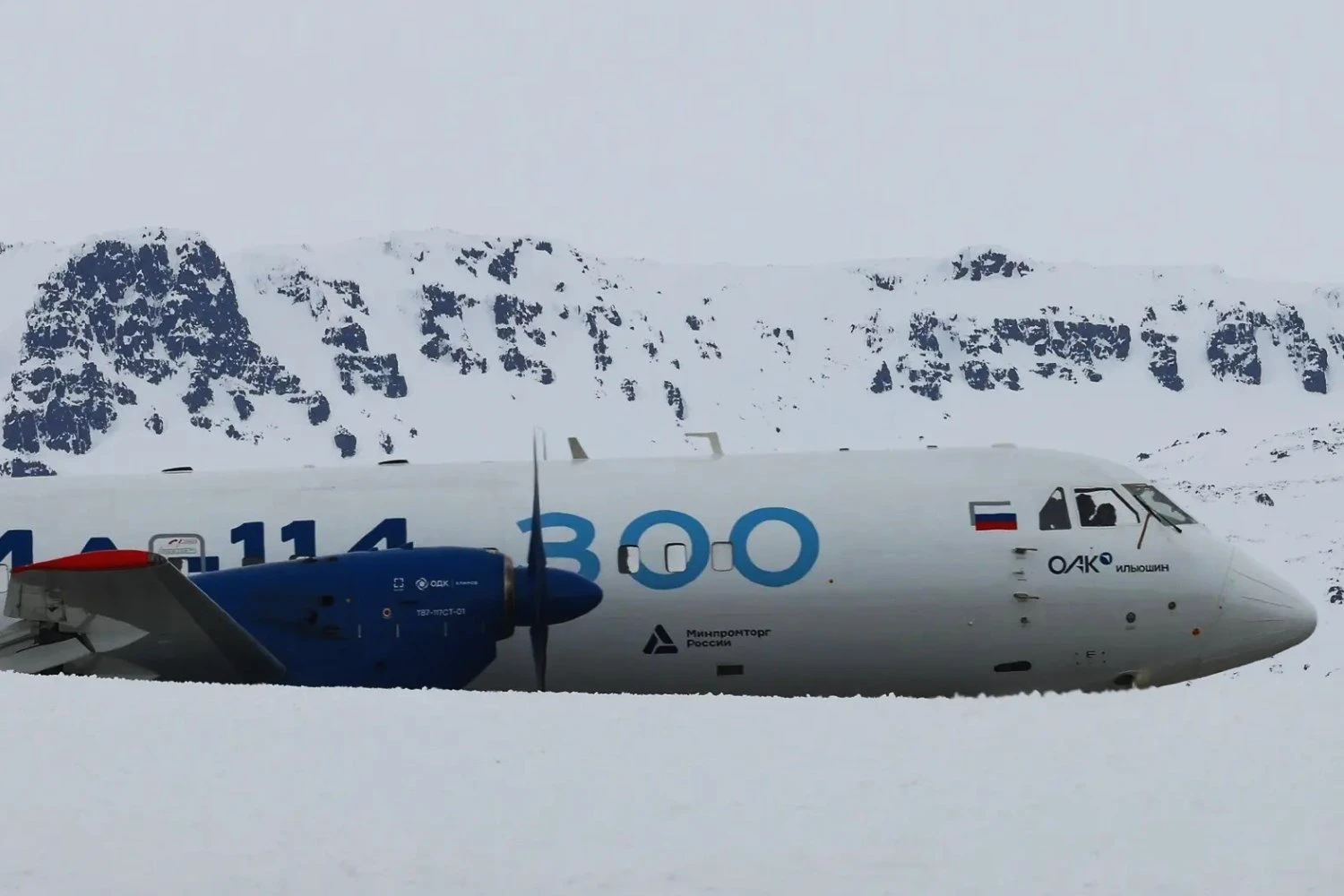
United Aircraft Corporation (UAC) carried out Arctic certification flights with the Il-114-300 regional turboprop, testing the aircraft’s navigation systems and operational capabilities in some of Russia’s northernmost territories.
The prototype aircraft performed a series of flights from airfields in the Novaya Zemlya and Franz Josef Land archipelagos, including operations near the 80th parallel and close to the North Pole.
According to UAC, the campaign focused on validating the aircraft’s flight and navigation systems in extreme high-latitude conditions, including the BINS-2015 inertial navigation system developed by Rostec subsidiary KRET.
The Il-114-300 was conceived as a replacement for ageing Soviet-era regional turboprops operating in remote parts of Russia, including Arctic and Siberian regions where airports often have limited infrastructure and severe weather conditions.
Related news

September 18, 2026
September 10, 2026
UAC says the aircraft is intended to operate from short and unpaved runways while remaining largely independent from extensive ground support equipment.
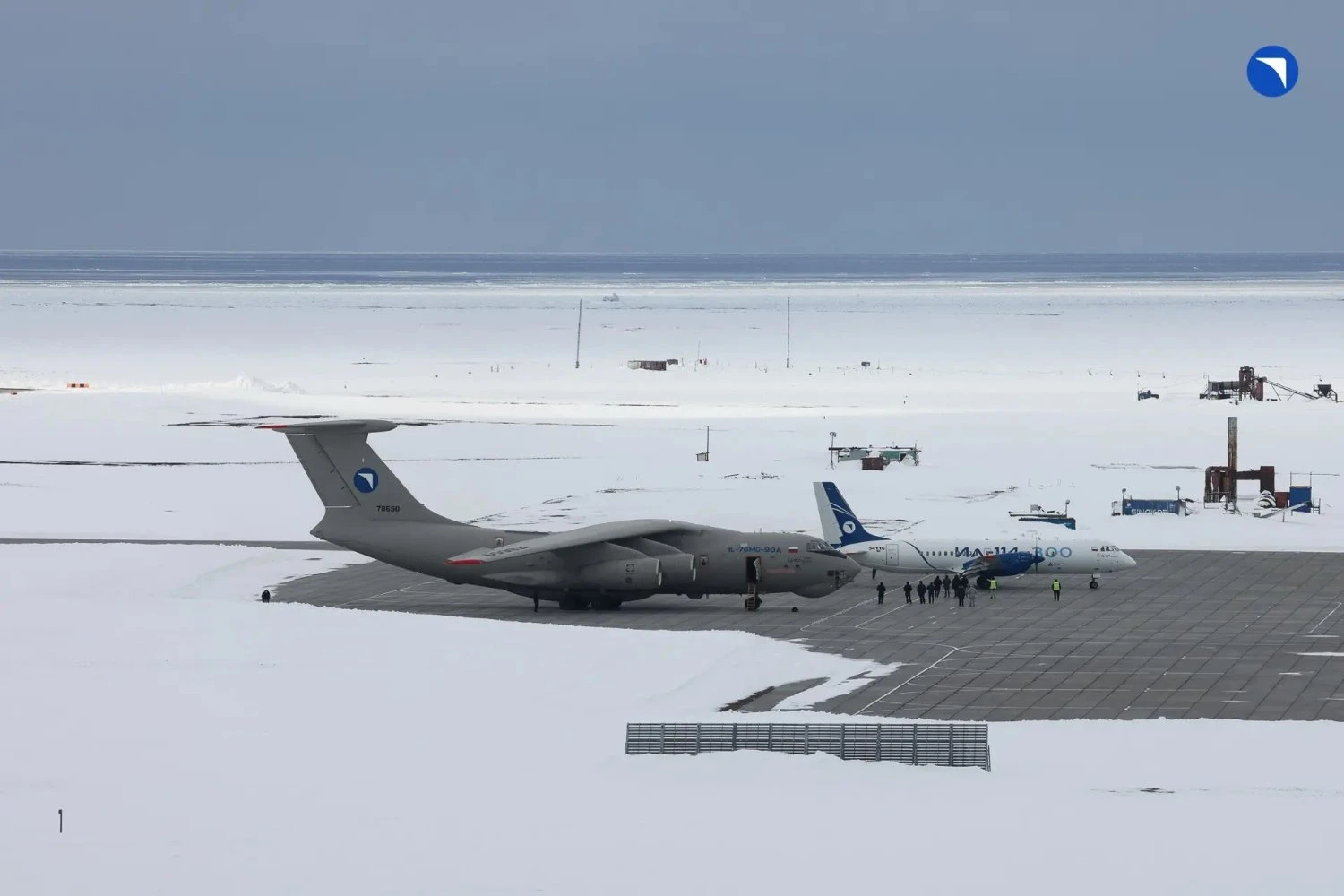
Il-114-300 and Il-76 | UAC 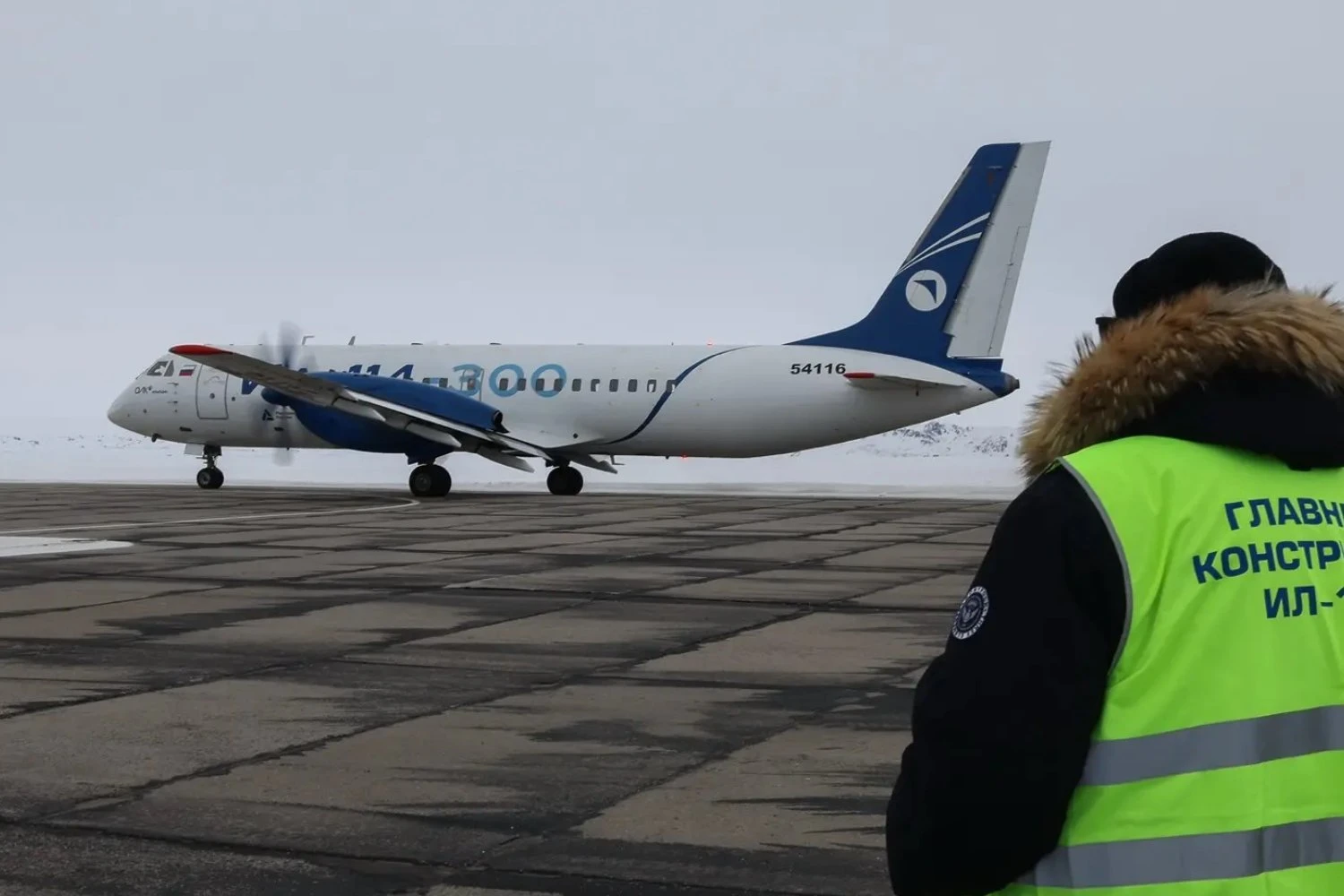
Ilyushin Il-114-300 2026 | UAC 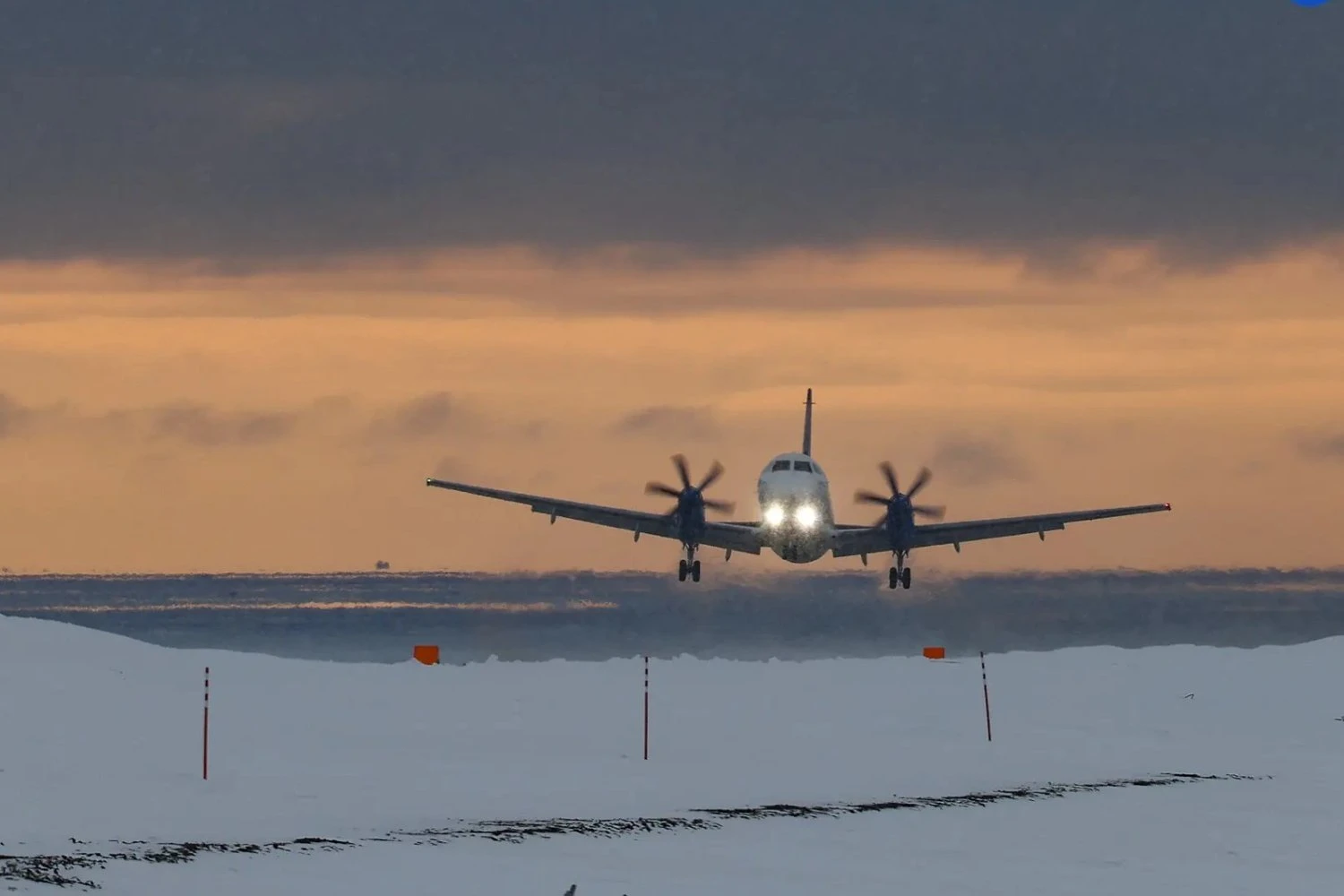
Ilyushin Il-114-300 2026 | UAC



Ilyushin managing director Daniil Brenerman said the flights confirmed the aircraft’s suitability for operations “in absolutely all latitudes, weather, and climate conditions.”
The company plans additional certification work later this year, including high-temperature trials during the summer and operations from unpaved airstrips in early autumn.
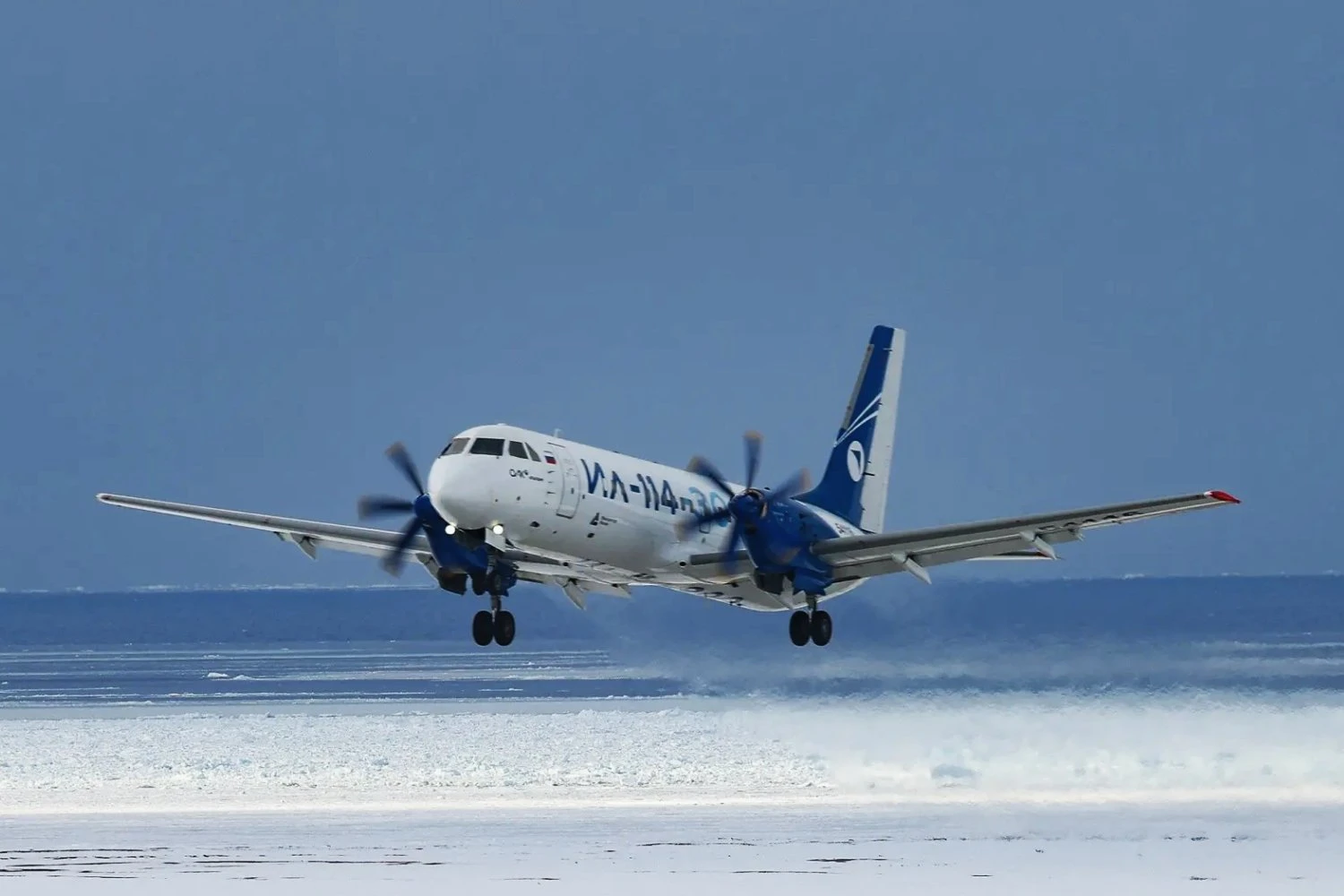
Ilyushin Il-114-300 2026 | UAC 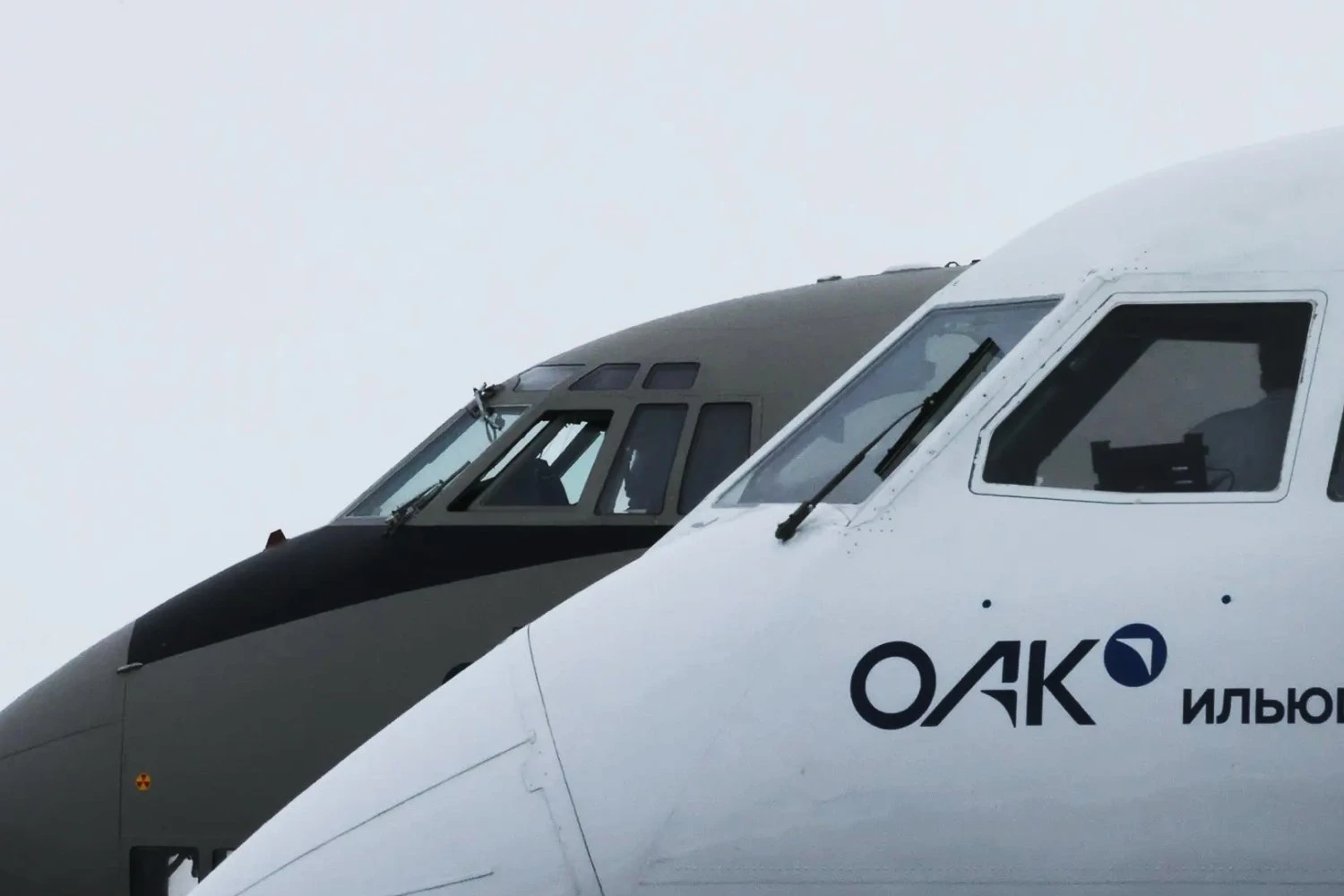
Ilyushin Il-114-300 2026 | UAC 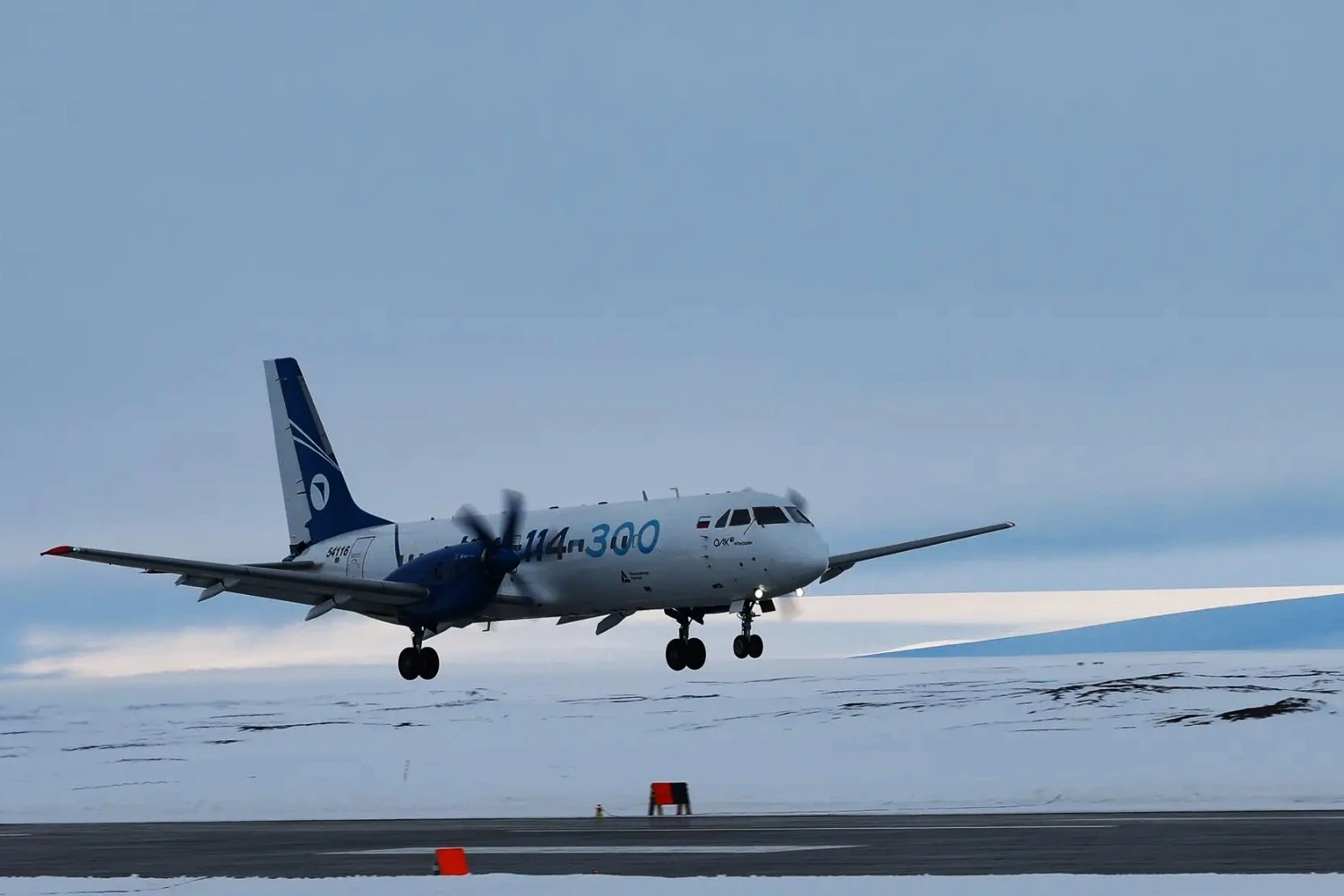
Ilyushin Il-114-300 2026 | UAC



The Il-114-300 is an updated version of the original Il-114 turboprop, a Soviet-designed regional aircraft that saw only limited production after the collapse of the USSR. Powered by Russian-built TV7-117ST-01 engines, the new variant is intended to help replace ageing aircraft still widely used across remote regions, including Antonov An-24, An-26 and An-32 turboprops that date back decades but remain essential for transportation in isolated parts of the country.
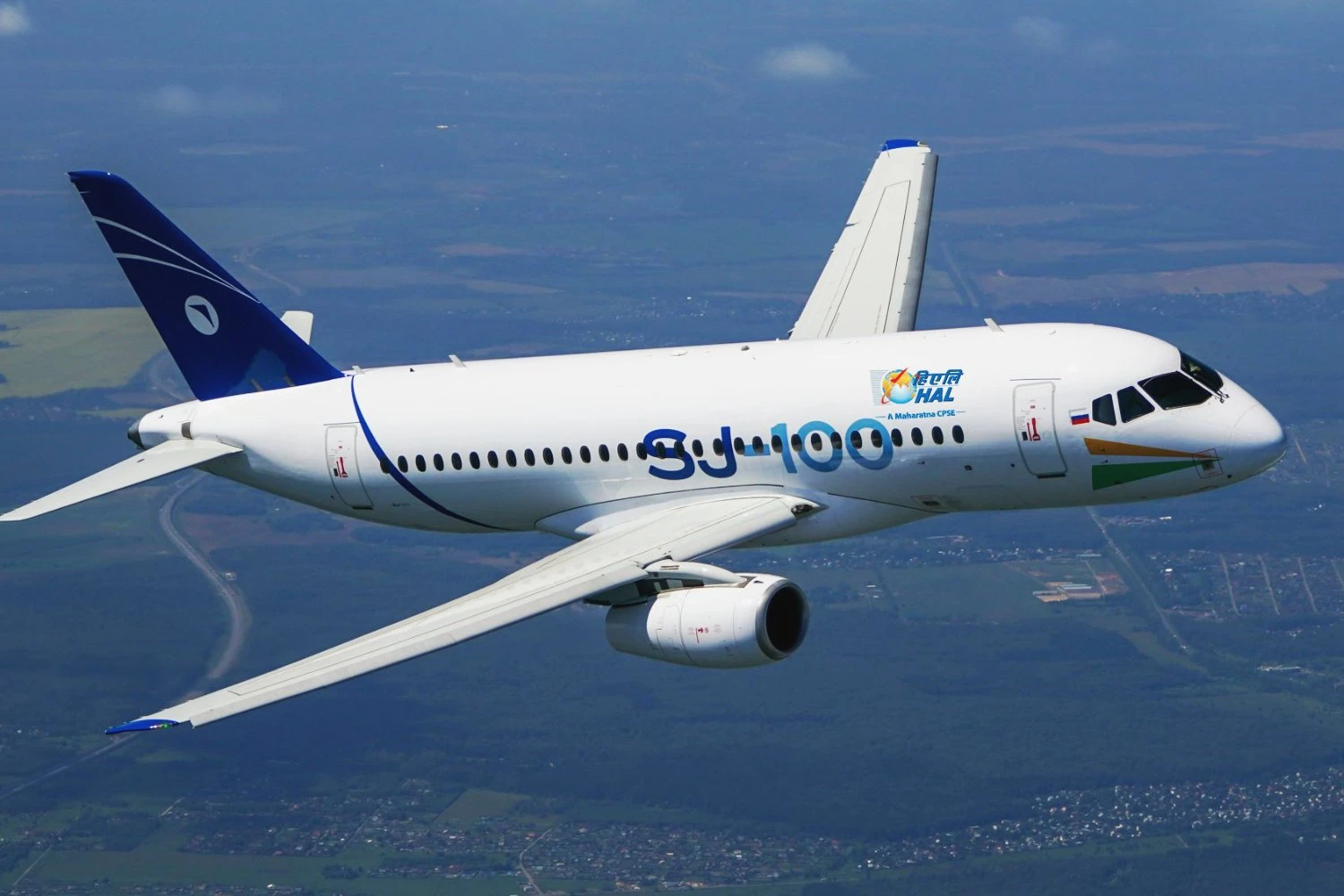
The Il-114-300 is one of the commercial aircraft currently under development in Russia alongside the SJ-100 regional jet and the MC-21-310 narrowbody. All three aircraft underwent redesigns to replace Western-built engines, avionics and other systems after sanctions imposed following Russia’s invasion of Ukraine disrupted access to foreign aerospace suppliers.