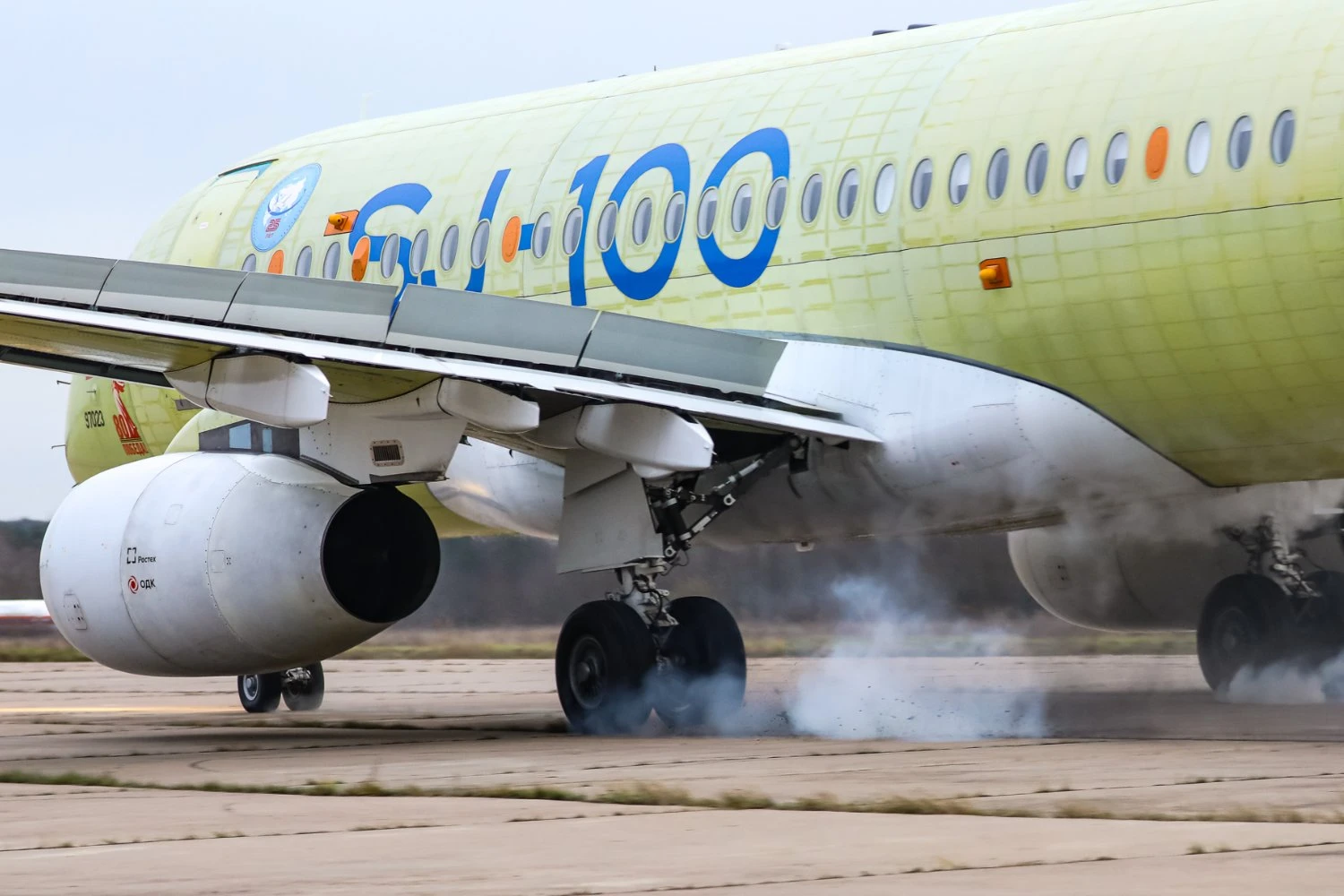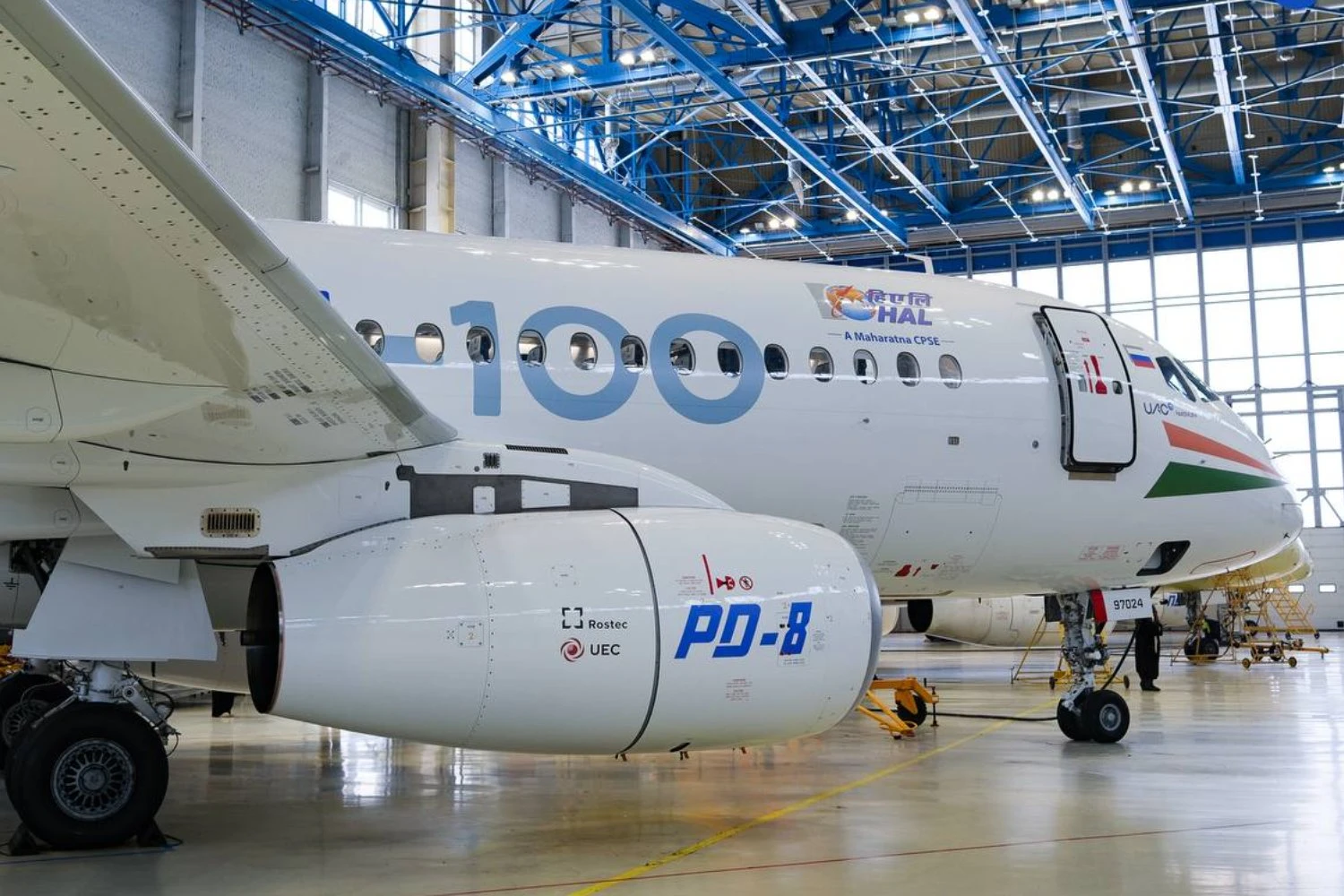
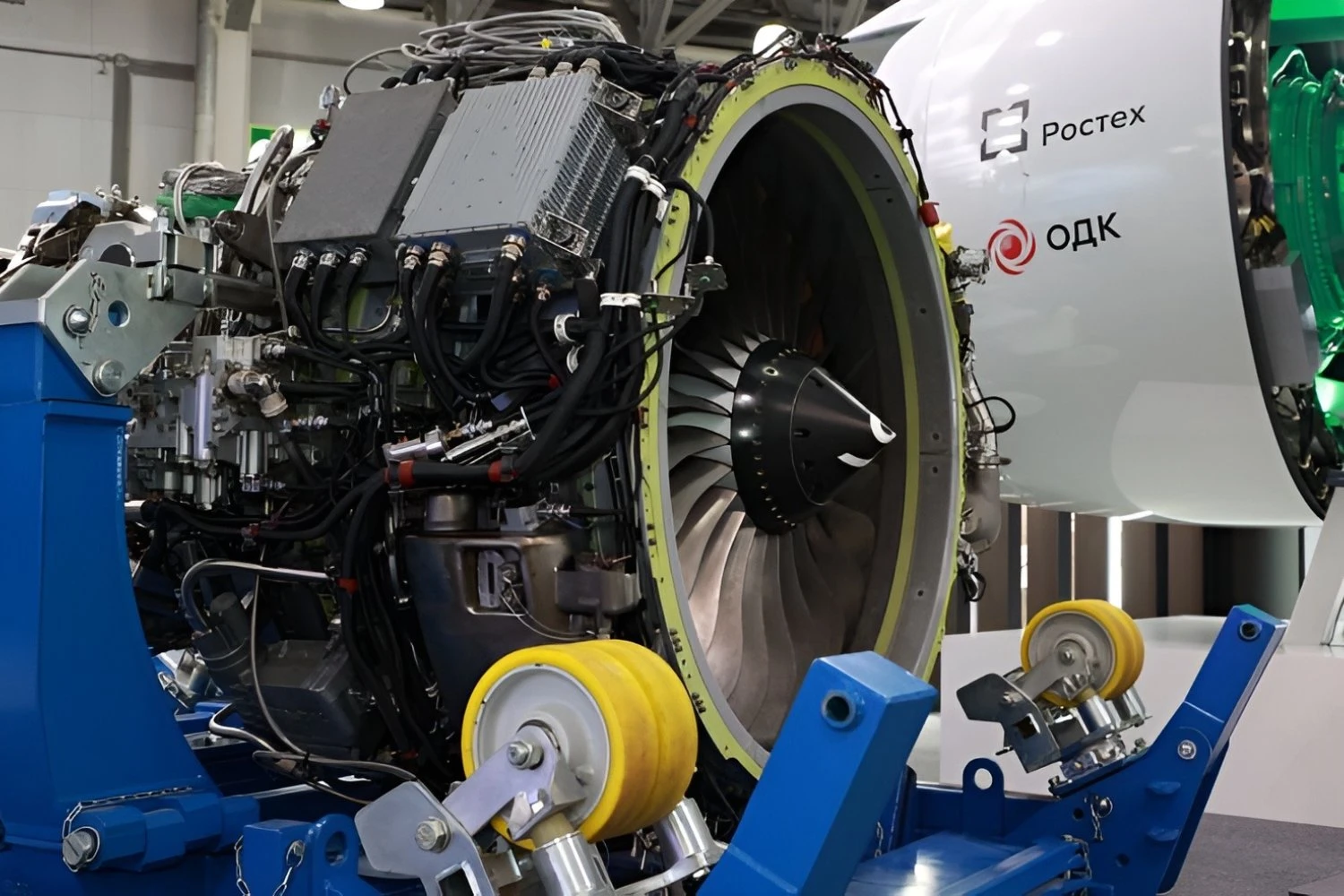
Russia’s Rostec state corporation said the new PD-8 turbofan engine has completed its certification test campaign, bringing the SJ-100 regional jet closer to approval for commercial service later this year
According to Rostec and United Engine Corporation (UEC), the PD-8 accumulated more than 6,500 operating hours during development and certification trials, including nearly 1,450 flight-test hours aboard Superjet aircraft and a flying laboratory.
The engine underwent a wide range of tests, including icing conditions, simulated long-term operation, bird strikes, water ingestion, hail exposure and fan blade failure scenarios.
Rostec said the PD-8 demonstrated “high reliability and safety” throughout the campaign and that the documentation required for certification will now be submitted to Russia’s Federal Air Transport Agency.
Related news
September 18, 2026
September 10, 2026
The final certification test took place in April at UEC-Saturn’s outdoor test facility in Rybinsk, where engineers simulated the aircraft flying through a hail cloud. According to the manufacturer, the engine continued operating normally during the trial.
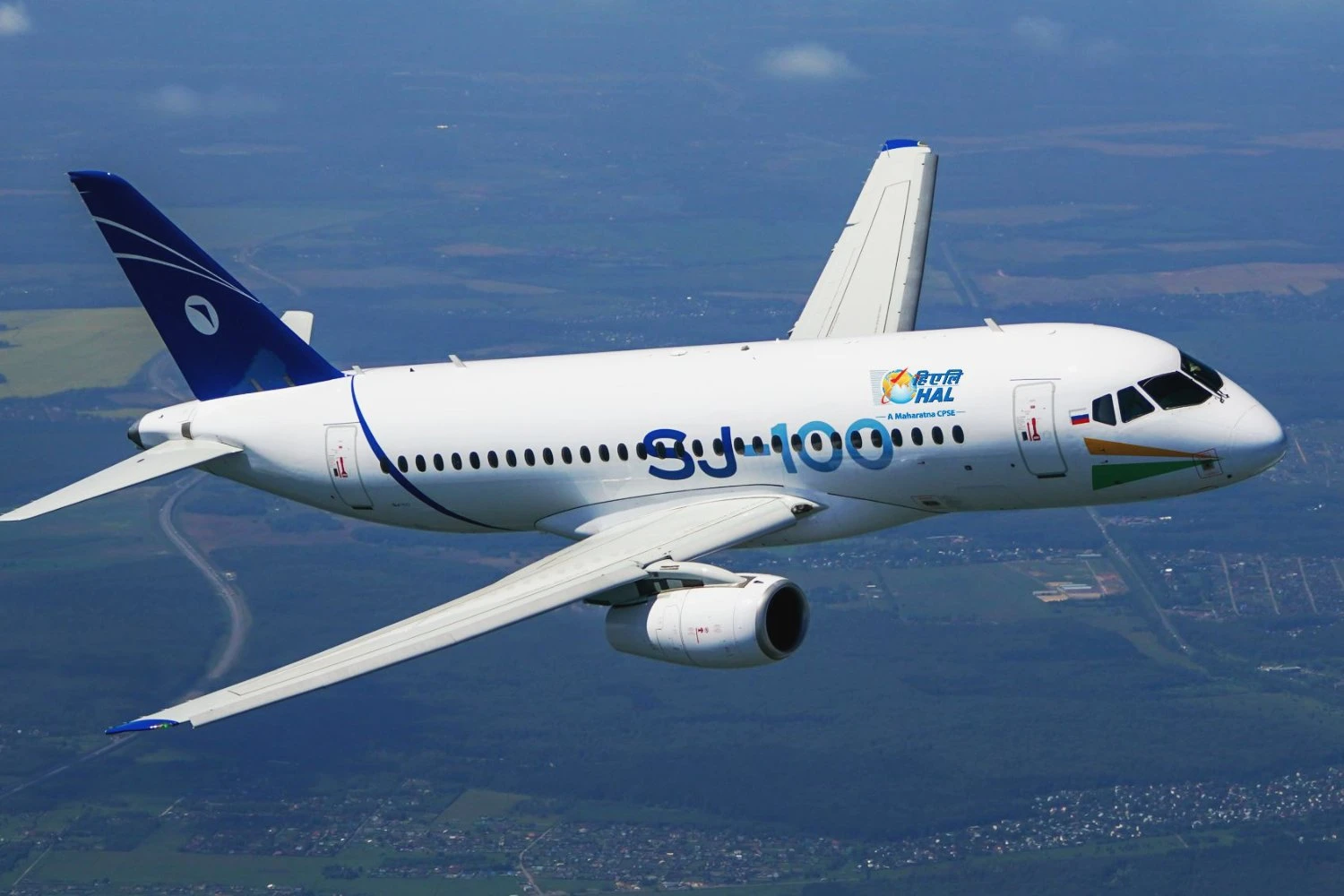
The PD-8 is intended to power the SJ-100 regional jet as well as the Beriev Be-200 amphibious aircraft. The engine was developed as part of Russia’s effort to replace Western-made systems and components following sanctions imposed after the invasion of Ukraine.
Serial production expected in 2027
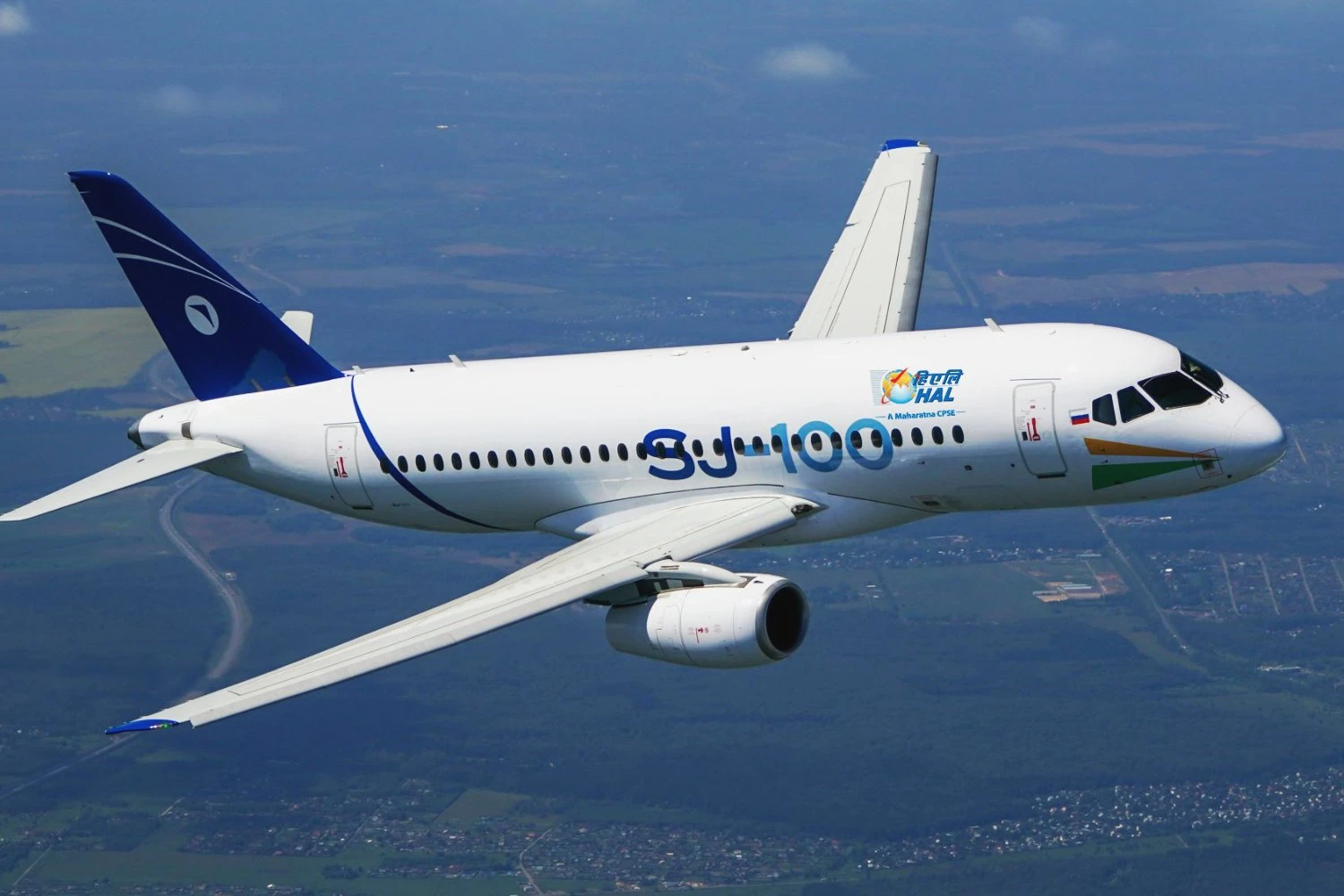
The SJ-100 is a heavily modified version of the Sukhoi Superjet 100, redesigned to replace foreign suppliers with Russian-made systems, avionics and engines. Earlier Superjet aircraft relied on the Franco-Russian PowerJet SaM146 engine and numerous imported components.
Russian authorities expect the SJ-100 to receive certification later this year, although Russian media reports indicate serial production is now expected to begin only in 2027.
The PD-8 program also incorporates technologies derived from the larger PD-14 engine developed for the Irkut MC-21 narrowbody jet. According to UEC, engineers introduced several new solutions during development, including advanced turbine materials and a supersonic high-pressure turbine stage aimed at improving efficiency and fuel consumption.
The SJ-100 and MC-21 programs became priorities for Moscow after Western sanctions imposed following the invasion of Ukraine severely disrupted Russia’s civil aviation sector. Boeing and Airbus halted support services, spare parts supplies and aircraft deliveries to Russian airlines, while foreign suppliers involved in the Superjet and MC-21 programs also withdrew from the projects.