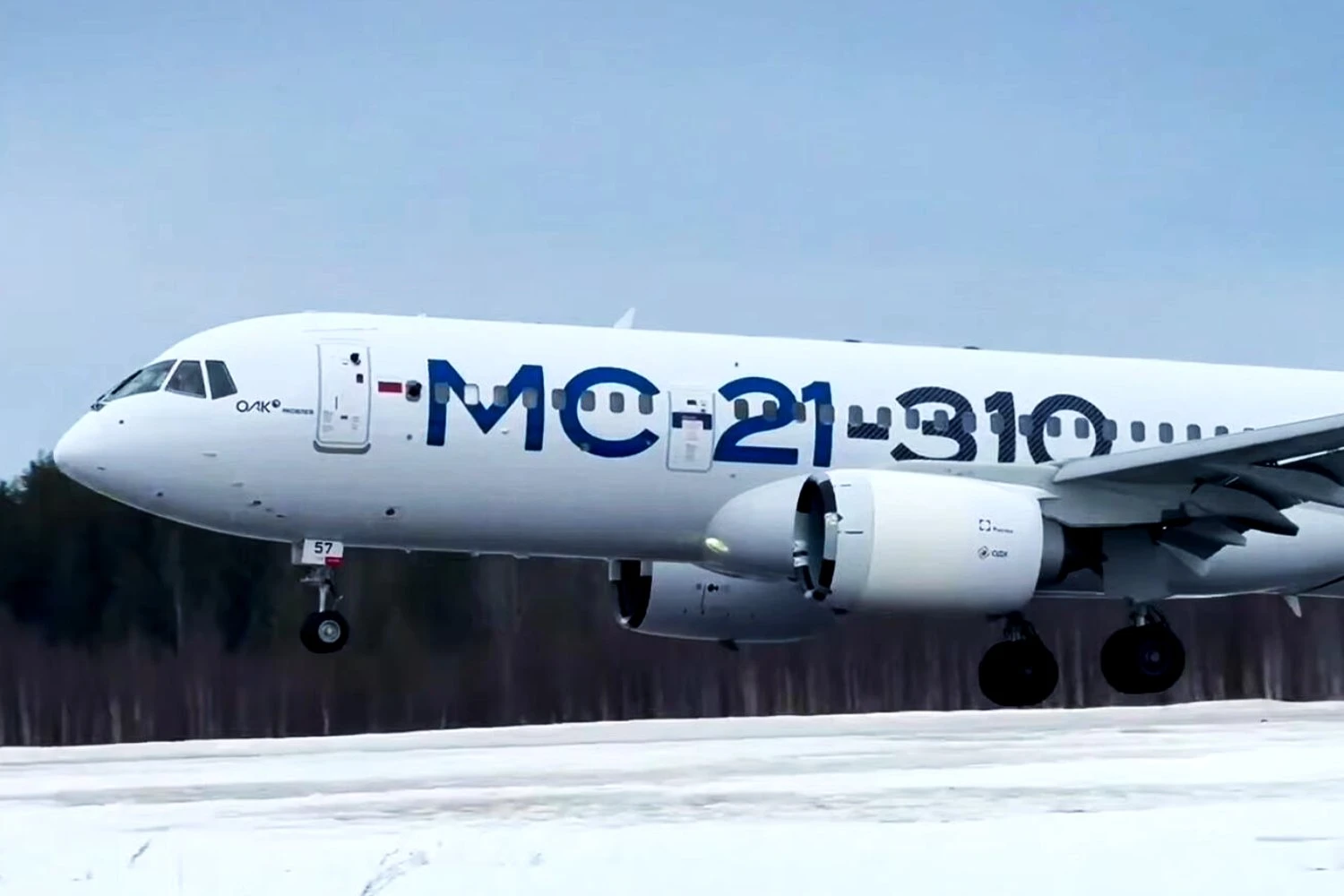
United Aircraft Corporation (UAC) has completed a series of natural icing certification flights involving three of Russia’s new commercial aircraft, with test activity carried out in northern conditions over a two-week period in March.
The programme took place from 12 to 30 March out of Talagi airport in Arkhangelsk, with the Yakovlev MC-21-310, the SJ-100 regional jet and the Ilyushin Il-114-300 turboprop each participating in the campaign.
According to the company, the aircraft carried out multiple sorties over the White Sea coast and the Kola Peninsula, flying between four and seven hours per mission to locate suitable atmospheric conditions for icing evaluation.
The MC-21 completed six flights, the SJ-100 nine and the Il-114-300 eight. During these sorties, crews deliberately entered cloud formations where icing conditions met test requirements, using onboard instrumentation to monitor ice accumulation on critical surfaces.
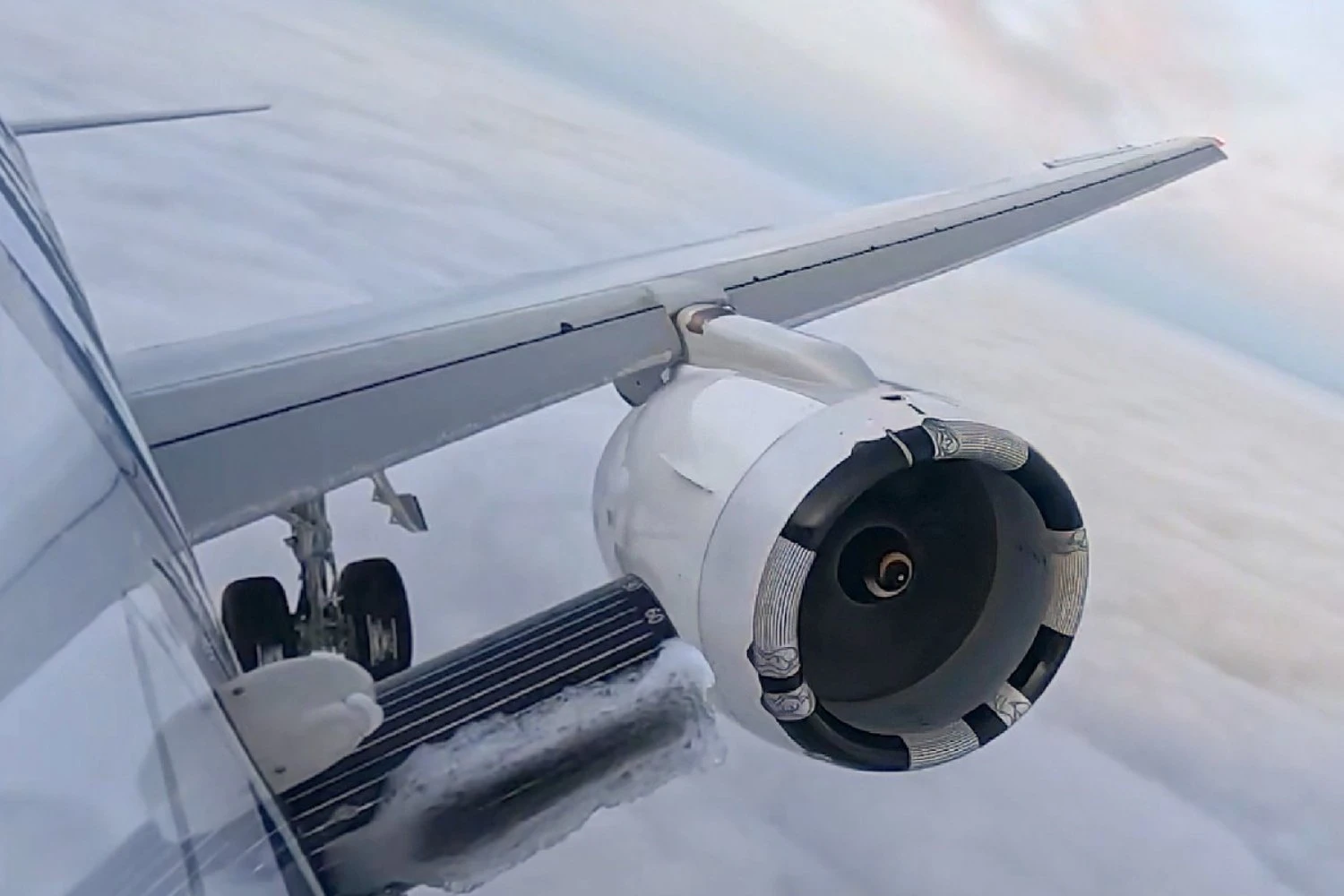
Icing tests | UAC 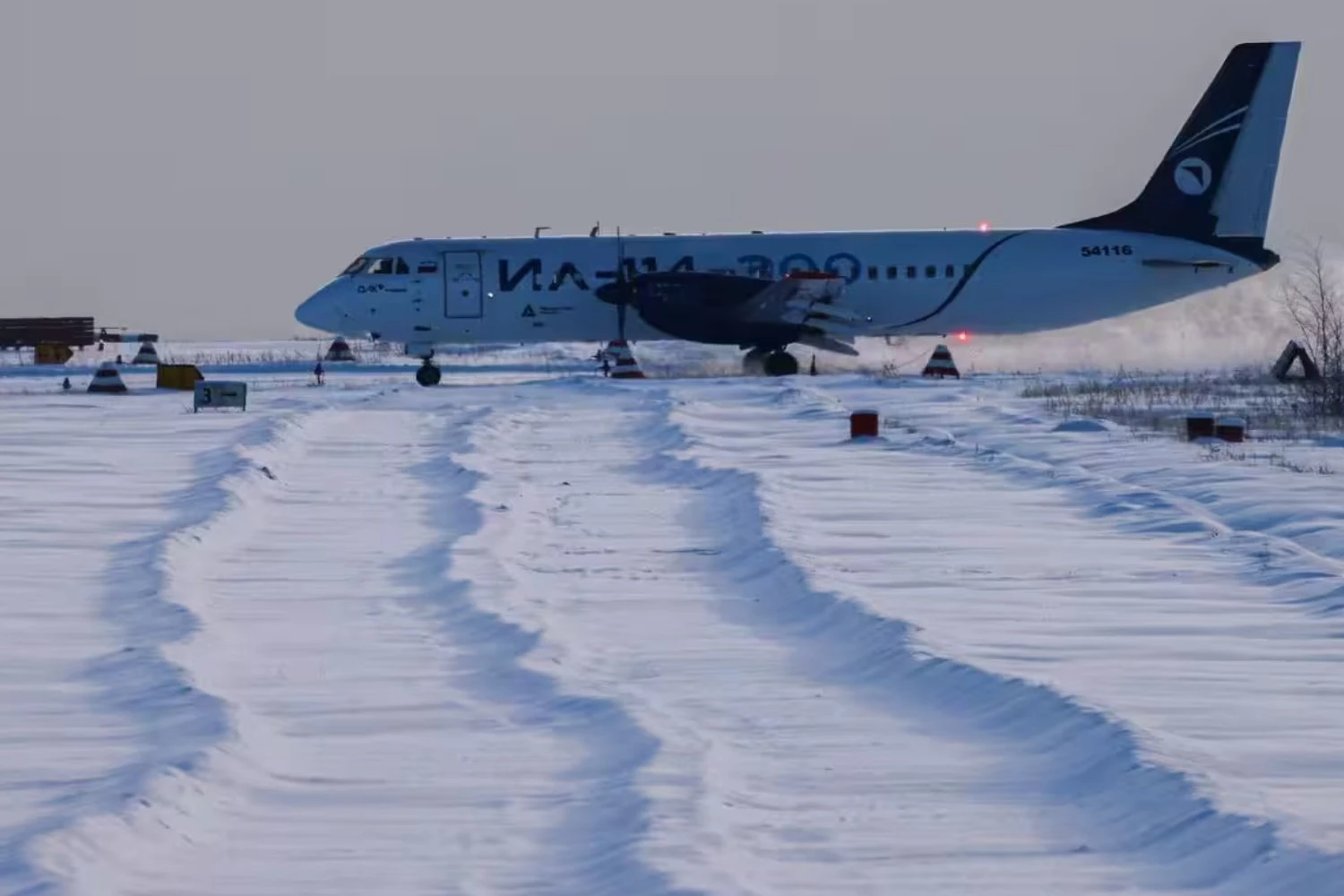
Il-114-300 test aircraft | UAC 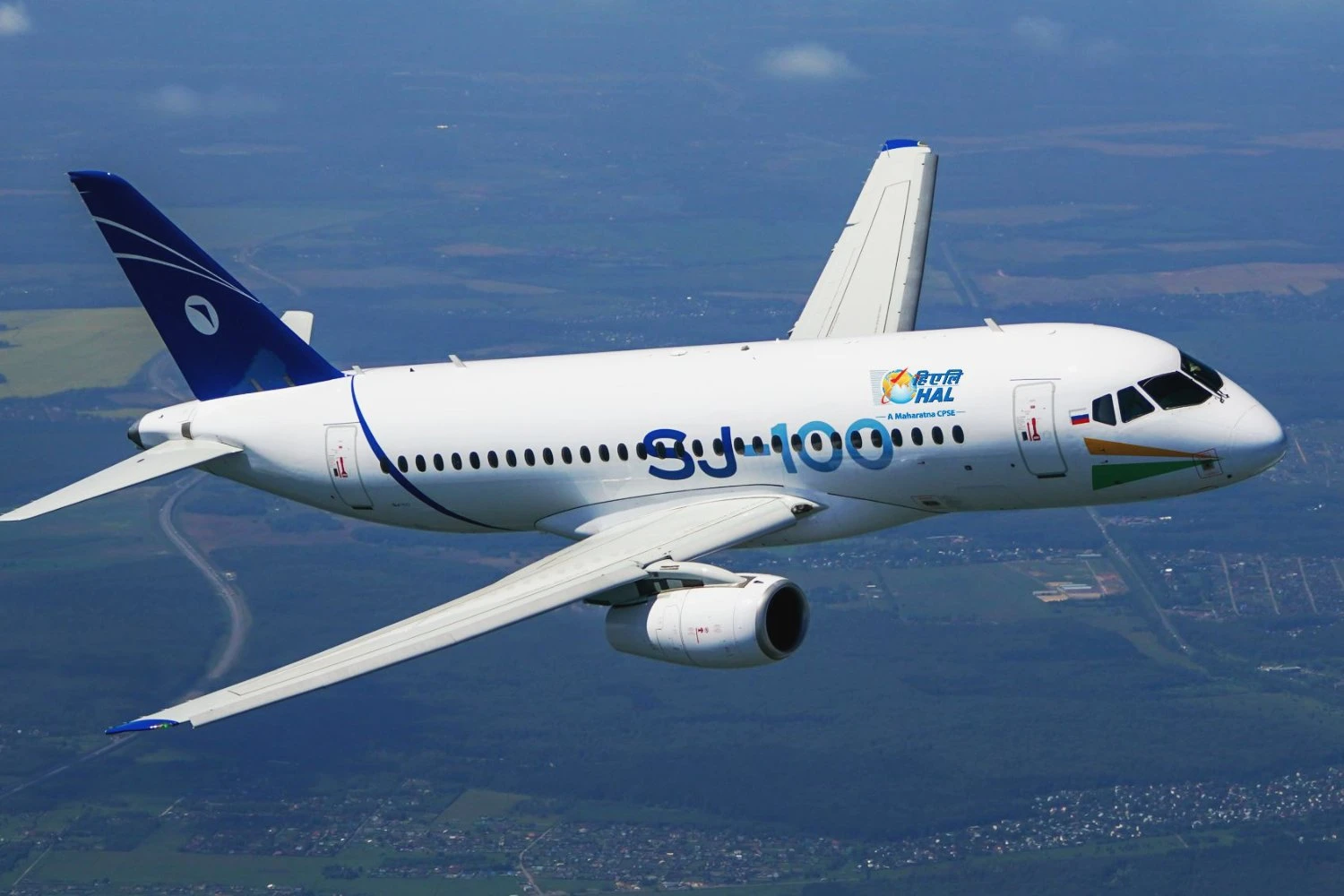
SJ-100 will be produced in India | HAL



Once the required ice thickness was reached, pilots assessed aircraft behaviour, including stability, controllability and system performance. The SJ-100 also conducted additional flights to evaluate approach procedures with go-arounds and to test its stall-warning system.
United Aircraft states that the results indicate compliance with both Russian and international certification standards for operations in icing conditions.
The MC-21 and SJ-100 prototypes have since returned to Zhukovsky, near Moscow, to continue their certification campaigns, while the Il-114-300 has also concluded its checks in Arkhangelsk.
According to Russian officials, the Il-114-300 is expected to receive certification in May, followed by the SJ-100 in July. Certification of the SJ-100’s domestically developed PD-8 engine is planned earlier, around April or May. The MC-21-310 is slated for certification in October, although authorities indicate that a significant portion of its flight-test campaign remains to be completed.
All three programs are being advanced with a high level of domestic content after Western sanctions disrupted access to foreign-built aircraft and components, forcing Russian manufacturers to redesign systems and rely on locally produced engines and equipment.