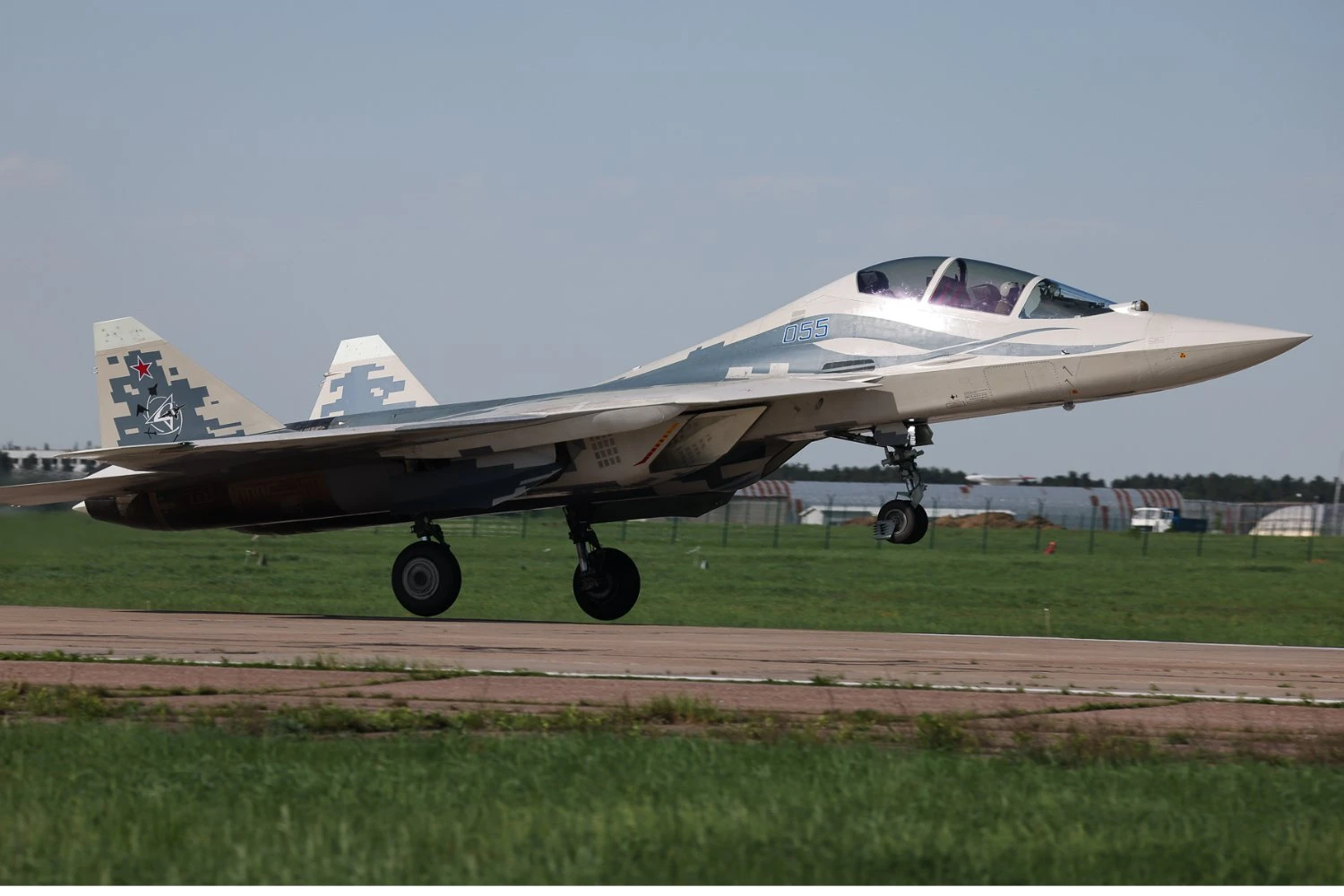
Russia has begun flight testing the Su-57D, a twin-seat version of the Su-57 stealth fighter that had been spotted days earlier during taxi trials in images circulated by Russian military-linked media. The aircraft could eventually serve as a platform for coordinating unmanned aircraft during combat missions.
The first flight of the prototype was carried out by Sukhoi chief test pilot Sergei Bogdan, according to United Aircraft Corporation (UAC), which confirmed the aircraft’s designation for the first time after images of the modified fighter surfaced recently in Russian media.
The aircraft features a redesigned forward fuselage with a tandem cockpit arrangement similar to older two-seat Flanker variants such as the Su-30 and Su-27UB.
Russian officials described the aircraft not only as a combat trainer but also as a potential airborne command platform capable of managing joint operations involving manned and unmanned aircraft.
Related news
September 18, 2026
September 10, 2026
That role mirrors growing interest in so-called crewed-uncrewed teaming concepts already being explored by China with the twin-seat J-20S stealth fighter and by Western air forces through collaborative combat aircraft programs.
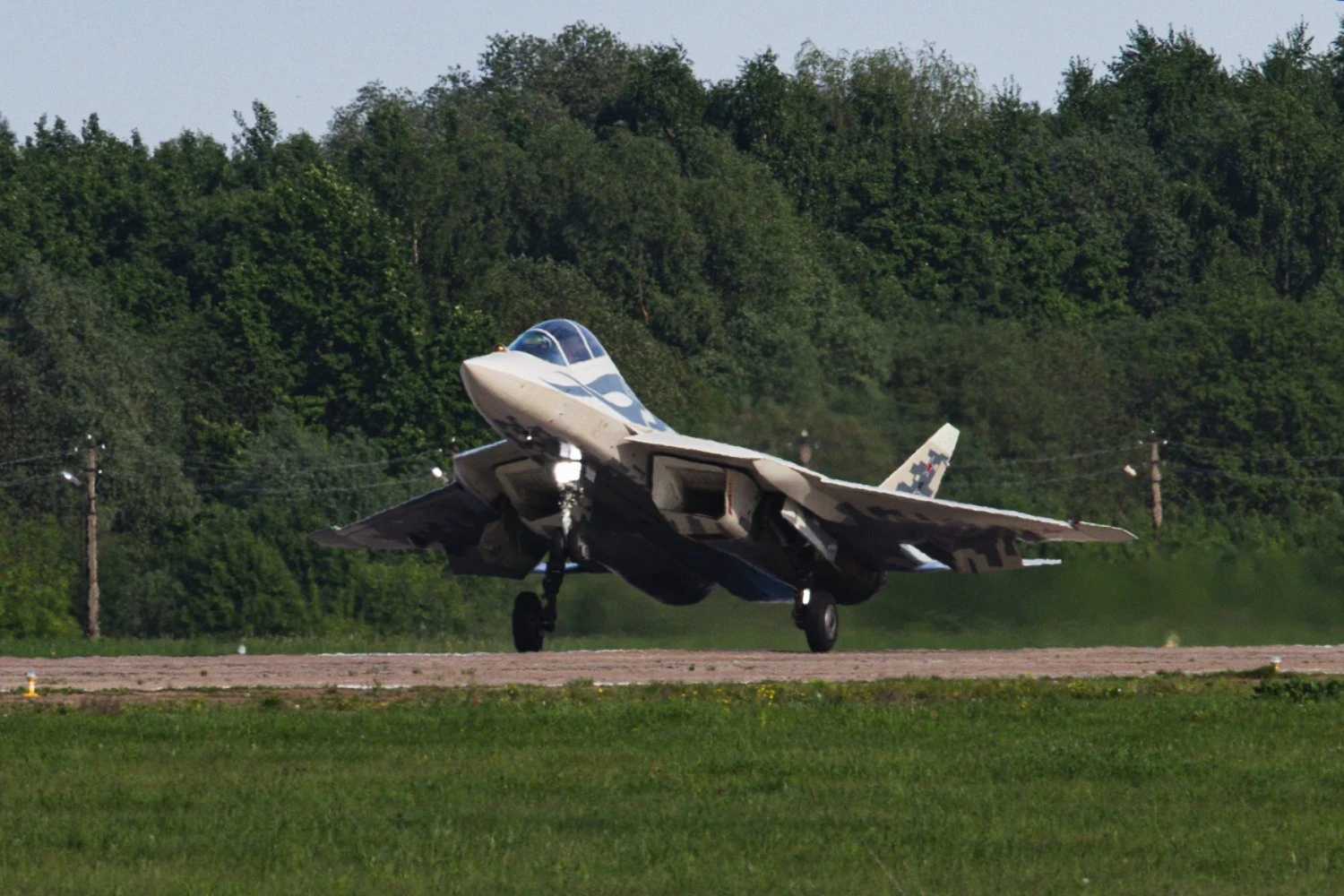
Sukhoi Su-57D twin-seat | UAC 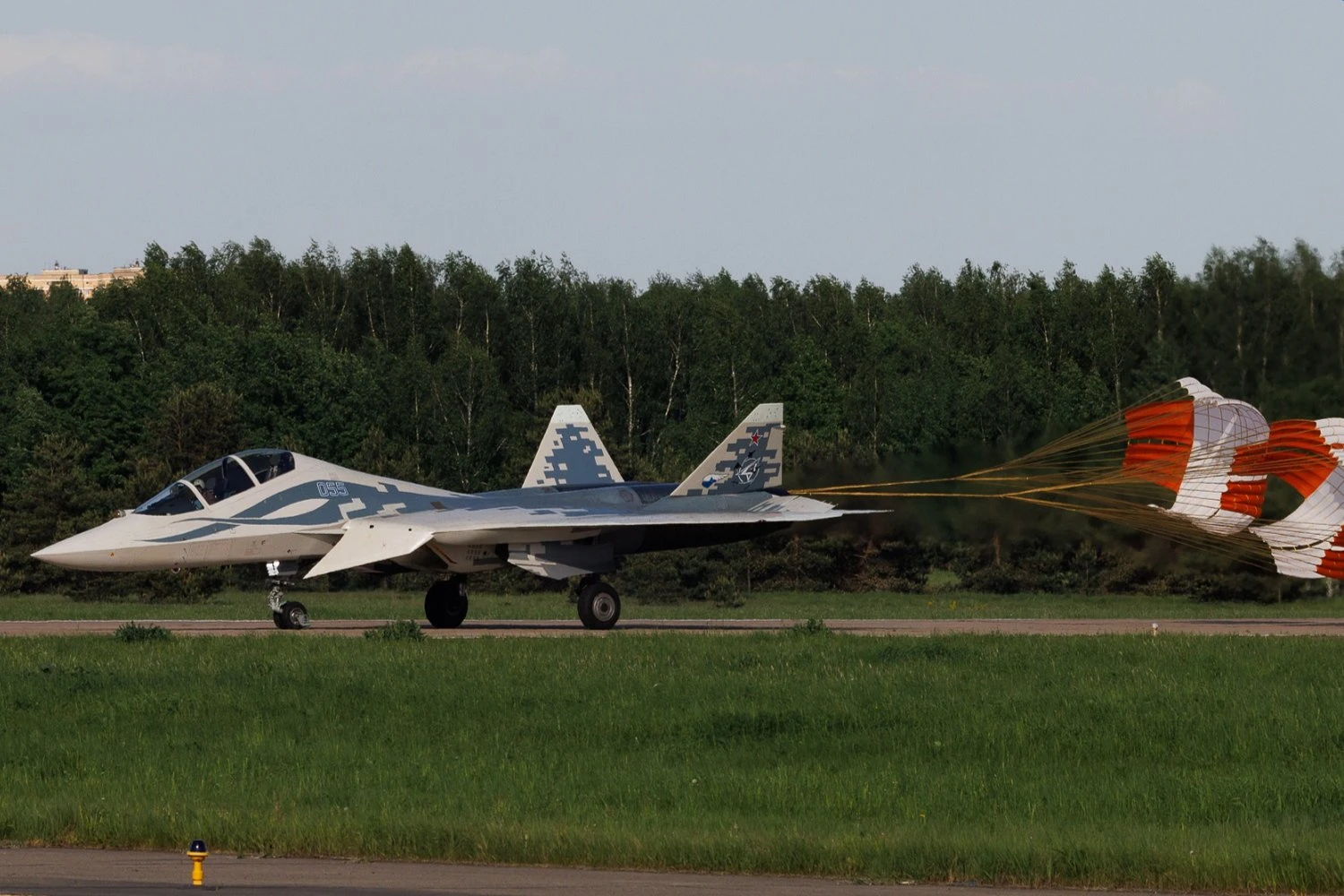
Sukhoi Su-57D twin-seat | UAC 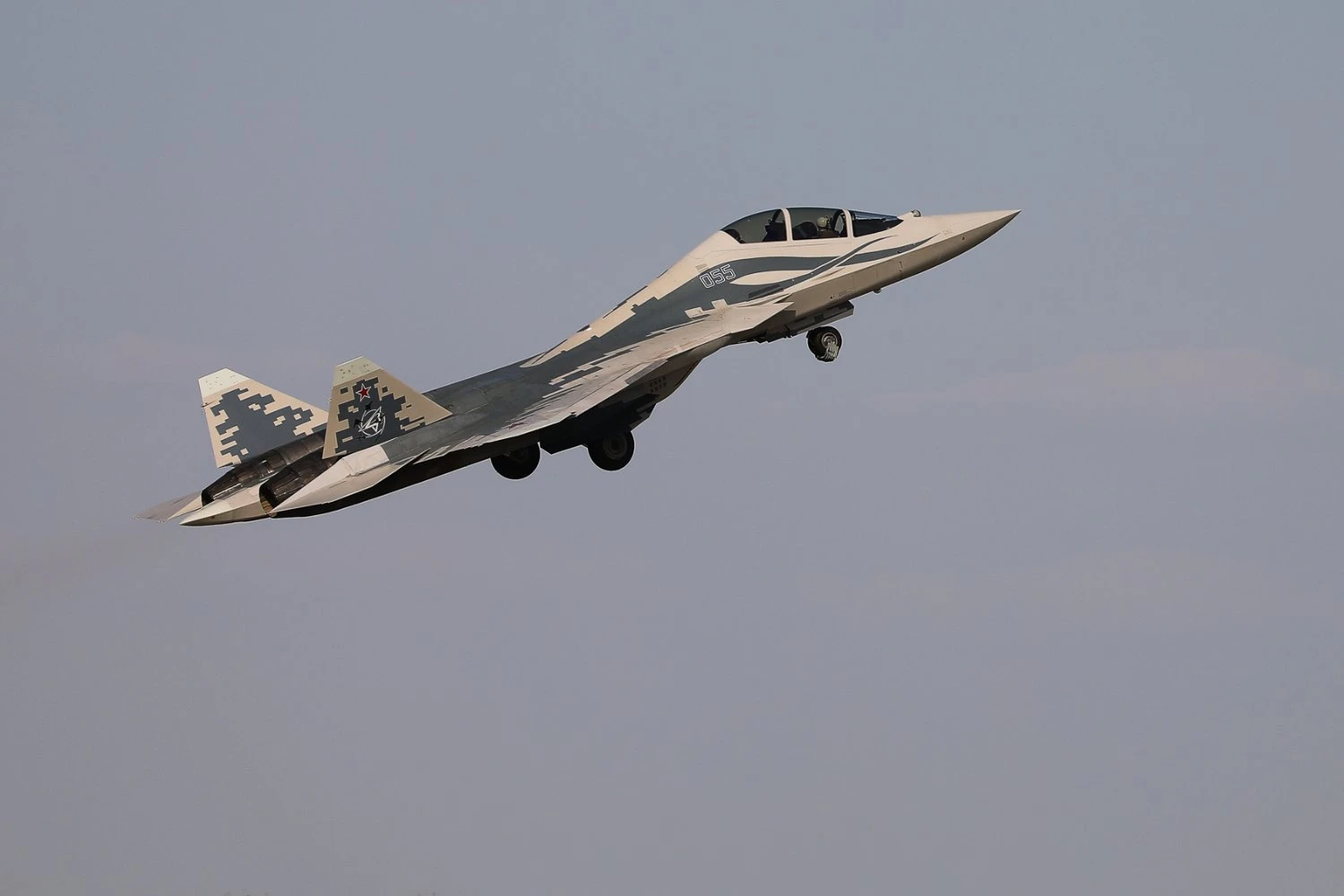
Sukhoi Su-57D twin-seat | UAC



A second crew member could help manage drones, sensors and strike coordination tasks while the pilot focuses on flying and tactical operations.
Russia has already tested the single-seat Su-57 alongside the S-70 Okhotnik-B unmanned combat aircraft, a large stealth drone designed to operate with crewed fighters.
The Su-57D could provide a more practical platform for expanding these missions, especially in complex electronic warfare and long-range strike scenarios where workload is high.
The emergence of the twin-seat variant is notable because modern stealth fighters rarely receive dedicated two-seat versions. Advances in automation and simulator training reduced the need for trainer aircraft derived from frontline fighters over the past two decades.
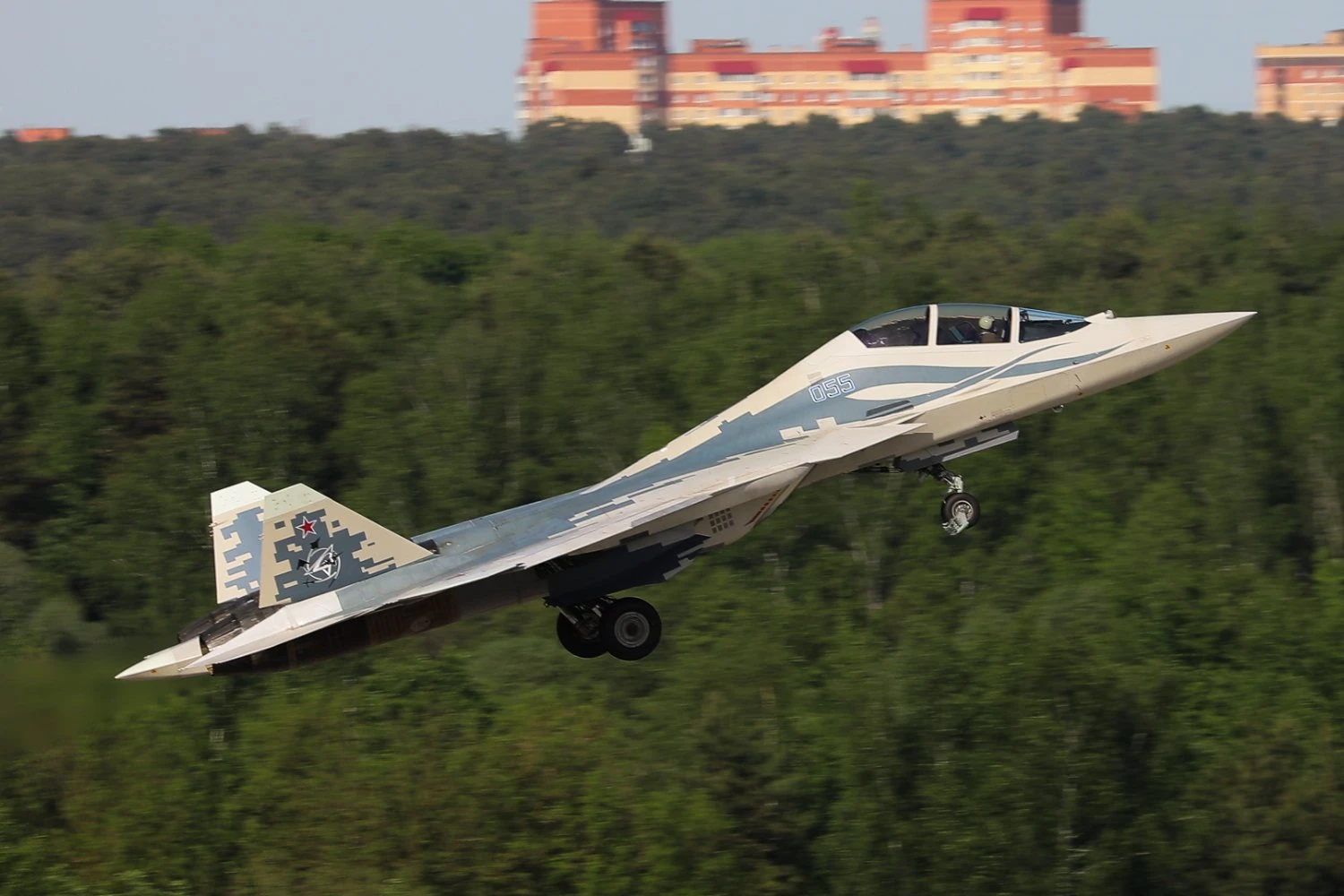
Beyond training duties, Russia may also view the aircraft as a possible successor to some twin-seat Su-30 variants still widely used for long-range strike and air defense missions.
The Su-57 program itself remains relatively modest in scale compared with earlier Russian ambitions. Moscow has ordered 76 production aircraft while continuing to rely heavily on Su-35 and Su-30 fighters for frontline tactical aviation.