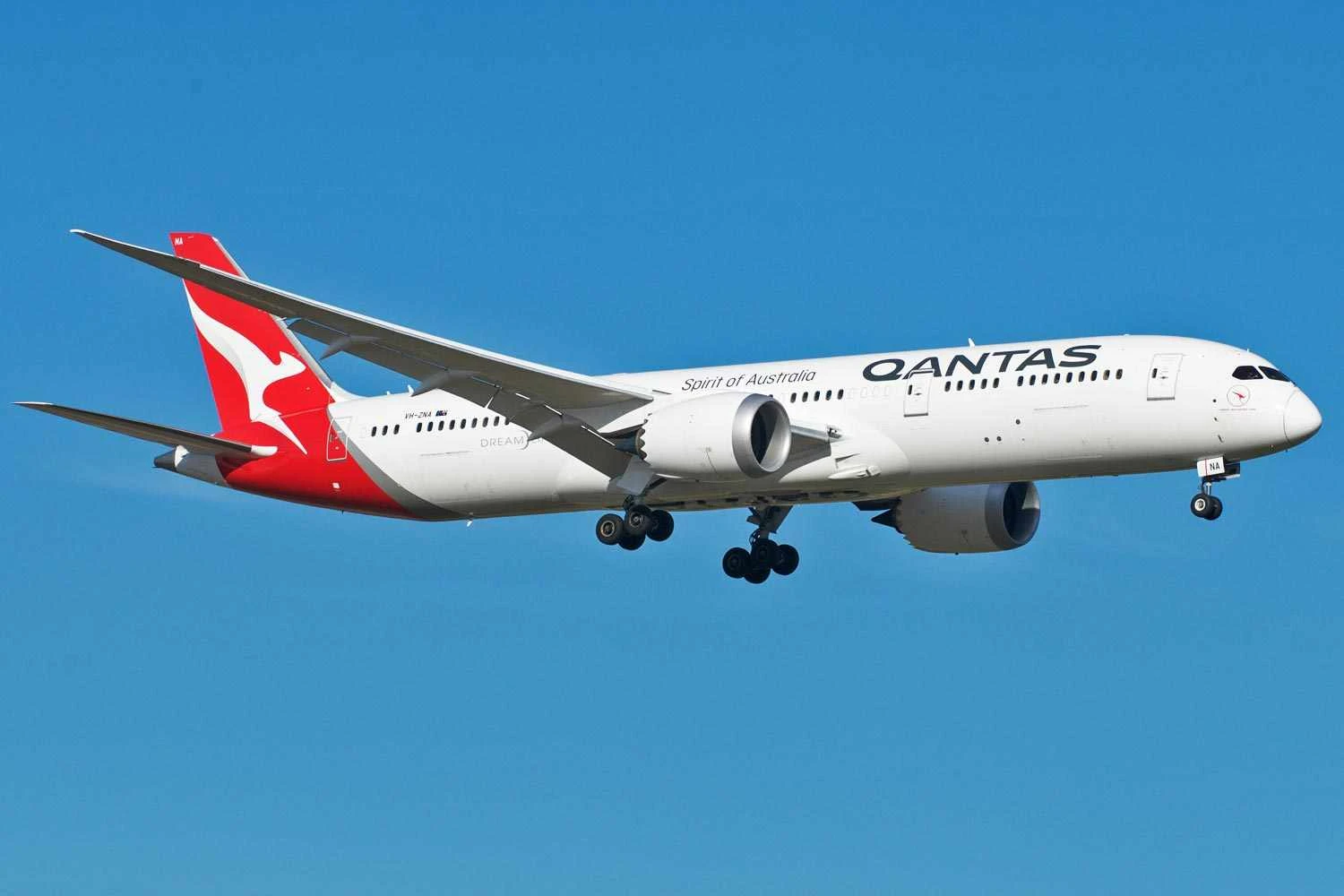
Qantas Airways is reportedly close to selecting Boeing for the majority of a potential order for approximately 20 long-haul aircraft, giving the American manufacturer an advantage over Airbus in the Australian carrier's next phase of fleet renewal.
According to Bloomberg, which cited people familiar with the negotiations on November 27, the proposed purchase would include mostly Boeing 787 Dreamliners, alongside a smaller number of Airbus A350s. The final composition has not been determined, and the discussions could still change direction.
Qantas confirmed that it continues to negotiate with both manufacturers but denied that a decision had been reached.
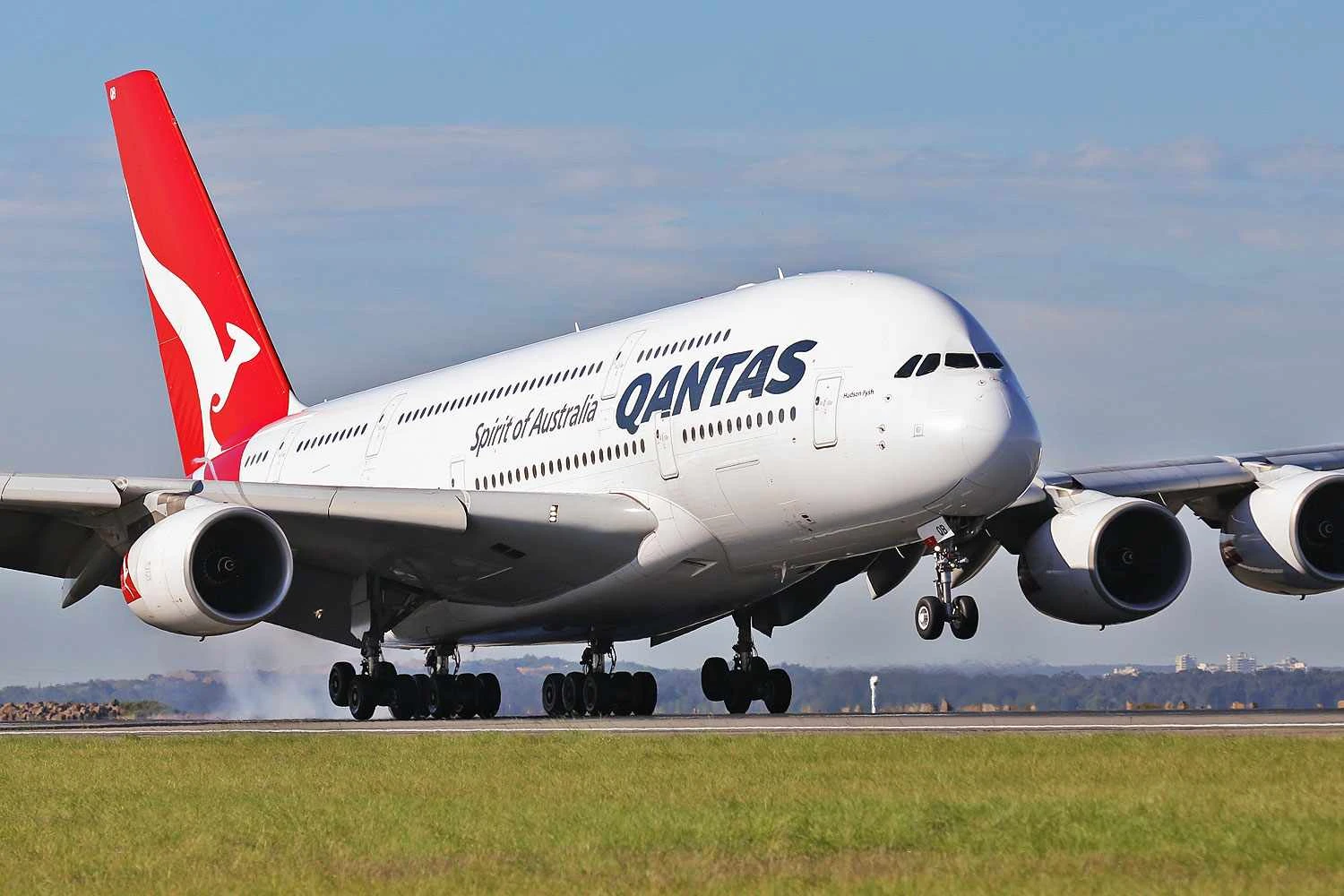
The potential order is part of a plan to accelerate the retirement of the airline's Airbus A380 fleet, a move announced in August as higher fuel and maintenance costs increased pressure to replace older widebody aircraft.
Existing options could become firm orders
The negotiations involve approximately 20 aircraft covered by purchase rights that Qantas secured in 2023, when it placed firm orders for 12 A350-1000s and 12 Boeing 787s.
Those purchase rights were originally divided equally between Airbus and Boeing. If the reported preference for the Dreamliner is confirmed, the balance of the new firm orders would favor the American manufacturer.
The 2023 agreement included four additional 787-9s and eight larger 787-10s. Qantas currently operates 14 787-9s, while the 787-10 will be a new variant in its fleet.
Follow Air Data News: WhatsApp | Instagram | LinkedIn | Twitter | Facebook
The airline has not disclosed which Dreamliner version would account for most of the possible new order. Nor has it confirmed the number or configuration of the additional A350s.
The 20 aircraft would be separate from those already on firm order, with deliveries expected from 2030.
A380 retirement brought forward to 2028
Qantas announced in August that it would begin withdrawing its ten Airbus A380s in 2028, approximately four years earlier than previously planned.
The decision reflects the increasing maintenance costs of the four-engine aircraft, which are no longer in production, as well as the operating advantages of newer twin-engine widebodies.
The A380s remain important to the airline's busiest international routes, but Qantas expects its future fleet of Boeing 787s and Airbus A350s to provide greater flexibility while reducing fuel consumption.
Related news
November 26, 2026
The timing creates a transitional challenge. The first A380s are scheduled to leave service before deliveries from the potential new order begin, so the airline will initially rely on aircraft already contracted.
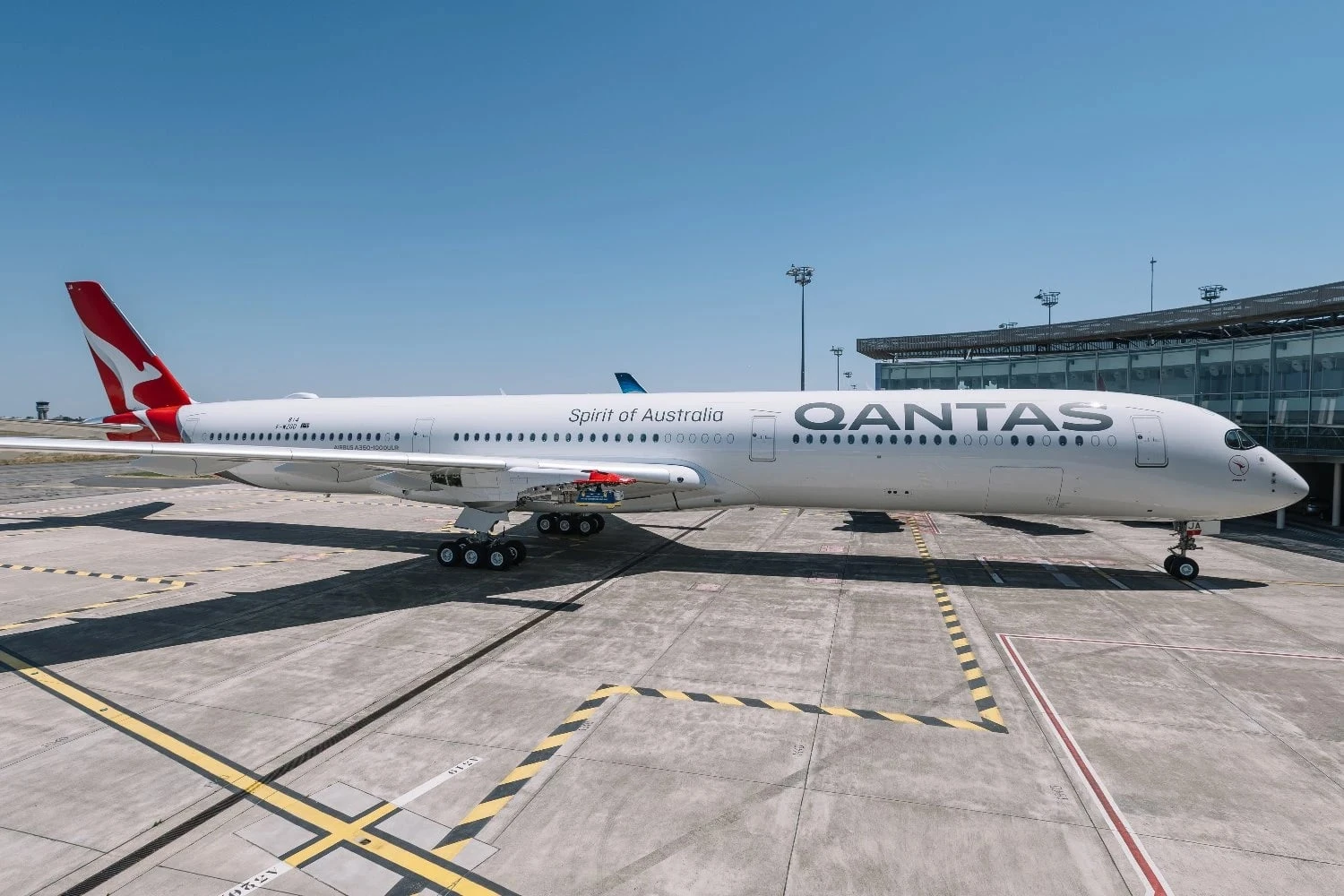
Qantas has 12 A350-1000s and 12 Boeing 787s on firm order for its international fleet renewal program, in addition to another 12 specially configured A350-1000ULRs for Project Sunrise.
The first Project Sunrise aircraft is expected in April 2027. These jets will have 238 seats and are intended for nonstop services from Sydney to London and New York, with the London route scheduled to begin in October 2027.
Their specialized cabin configuration and ultra-long-range mission distinguish them from the aircraft being considered in the latest negotiations.
Fuel costs add urgency to fleet renewal
The decision comes as airlines face sharply higher aviation fuel prices following the war involving Iran.
Qantas reported underlying profit before tax of A$2.06 billion (approximately US$1.48 billion) for the financial year ended June 2026, a decline of 14%.
Higher fuel expenses reduced its second-half earnings by approximately A$420 million (US$300 million), despite the company's fuel hedging arrangements.
The carrier has emphasized that newer aircraft are central to improving its international operations. Its existing 787-9 fleet has delivered particularly strong contribution margins, according to the company's financial presentations.
A decision to favor Boeing in the next order would therefore reinforce an aircraft family already established in Qantas' long-haul network, while Airbus would retain a substantial role through the A350 and Project Sunrise programs.

Report an error