The bankruptcy of Norse Atlantic Airways and the suspension of Plus Ultra's scheduled flights have highlighted the growing financial damage caused by the war with Iran, as soaring jet fuel prices push already vulnerable airlines toward insolvency and force others to seek emergency financing.
The crisis is not affecting all carriers equally. While larger airlines have generally been able to absorb higher costs or pass them on to passengers, companies burdened by debt, weak margins and limited financial protection are finding it increasingly difficult to remain in business.
The International Air Transport Association (IATA) expects the airline industry's net profit to fall from $45 billion in 2025 to $23 billion in 2026, with net margins shrinking from 4.2% to just 2%.
Fuel is expected to account for 31.4% of operating expenses this year, compared with 25.4% in 2025.
Norse and Plus Ultra become the latest casualties
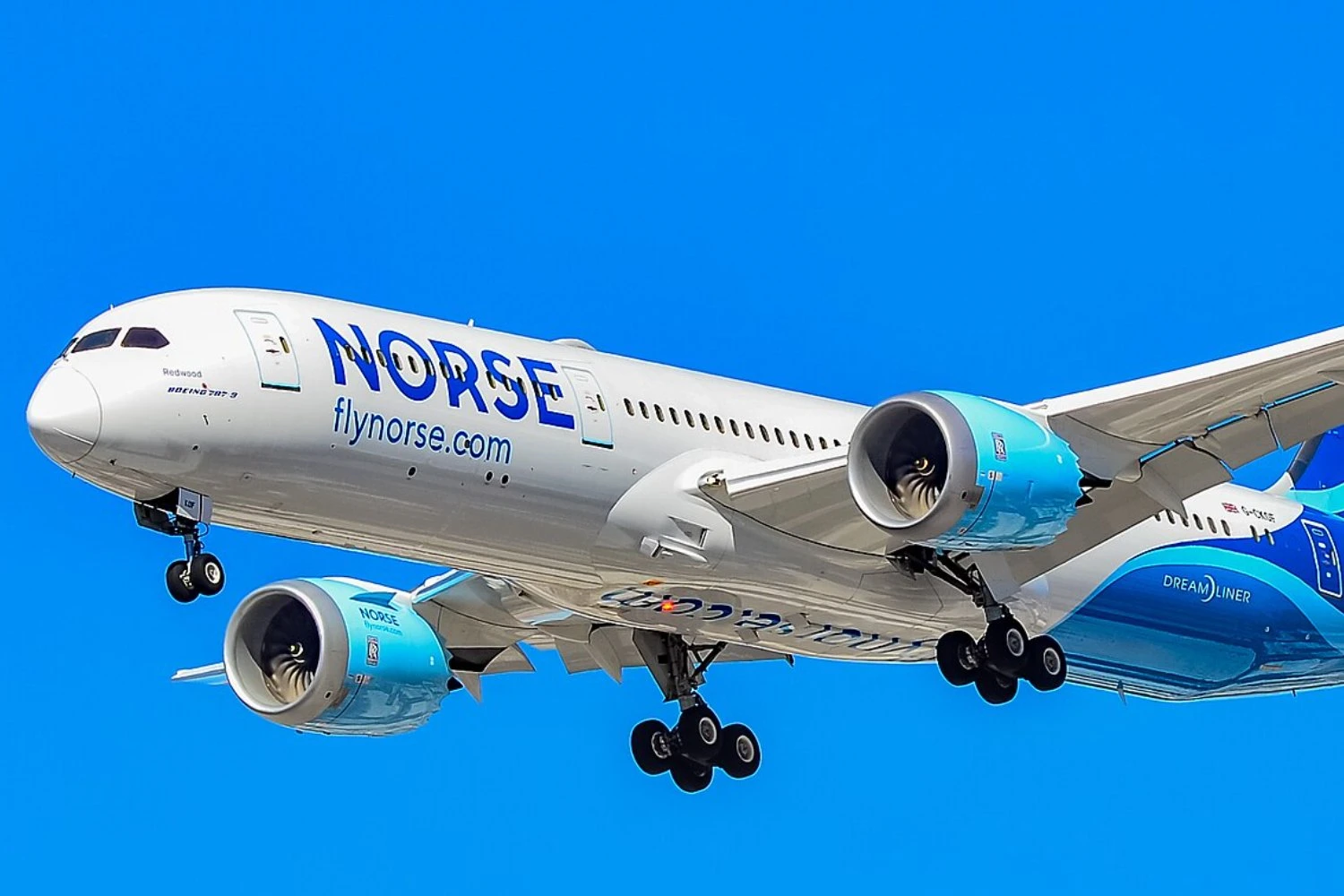
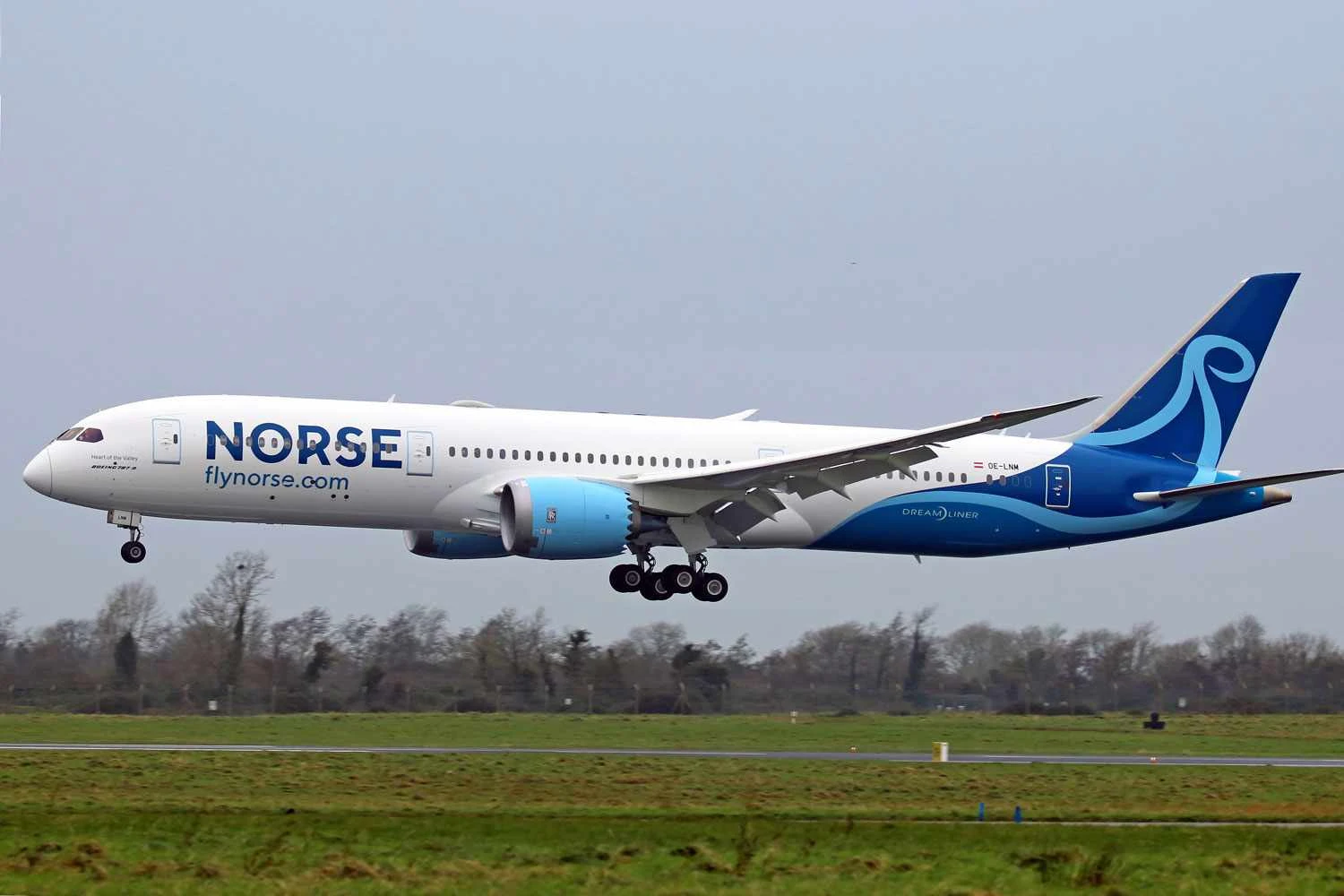
Norwegian long-haul budget carrier Norse Atlantic suspended all flights on November 26 and announced the following day that its main operating subsidiary would enter bankruptcy proceedings.
Follow Air Data News: WhatsApp | Instagram | LinkedIn | Twitter | Facebook
Chief executive Eivind Roald acknowledged that the company could not absorb the additional fuel costs. Norse had not hedged its fuel purchases, leaving it fully exposed to the price increases that followed the outbreak of the war in late February.
The airline had already struggled to make its low-cost long-haul model profitable and had sought a buyer or merger partner before its collapse.
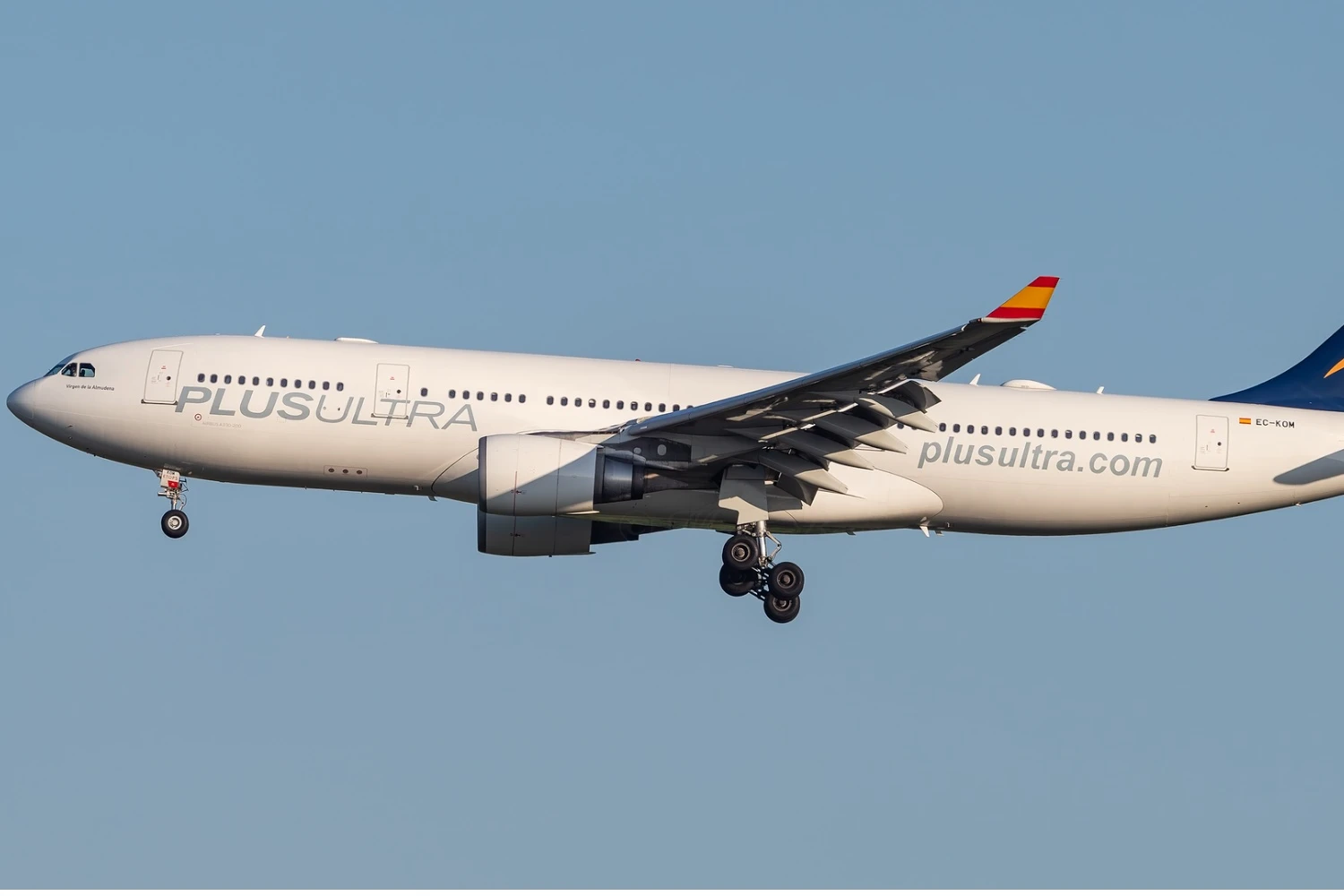
Spain's Plus Ultra also suspended its remaining scheduled service, between Madrid and Caracas, on November 23. The airline had previously withdrawn from routes to Peru, Argentina and Colombia and is pursuing a financial restructuring that includes substantial job cuts.
Higher operating expenses, particularly fuel, accelerated problems that predated the conflict.
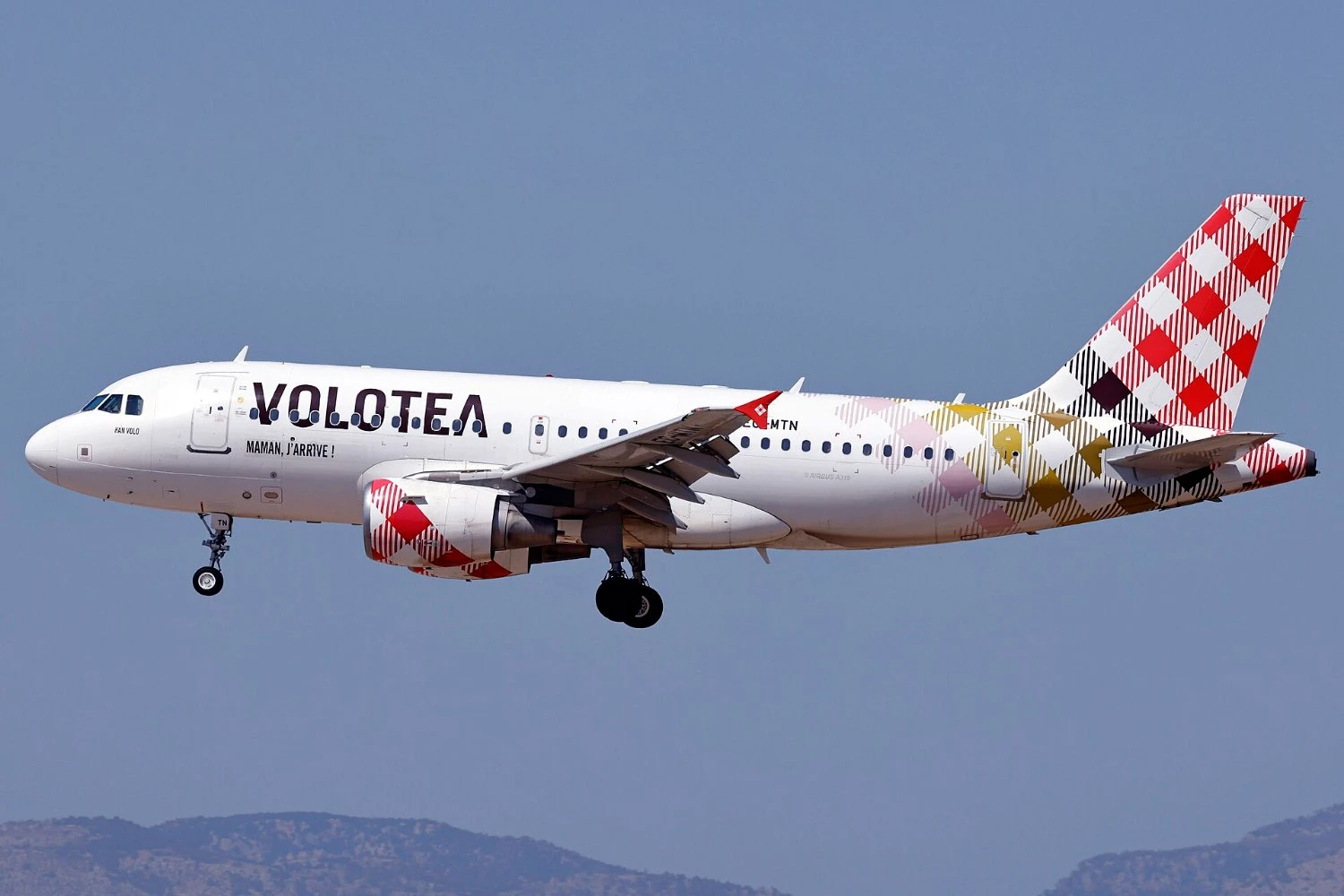
Another Spanish carrier, Volotea, remains operational but is negotiating with creditors and investors after estimating that the fuel shock added approximately €150 million ($165 million) to its costs since March.
The airline, which operates Airbus A319 and A320 aircraft, plans to reduce its fleet from 44 to approximately 30–35 aircraft as part of its restructuring.
airBaltic shows how fuel costs can overwhelm finances
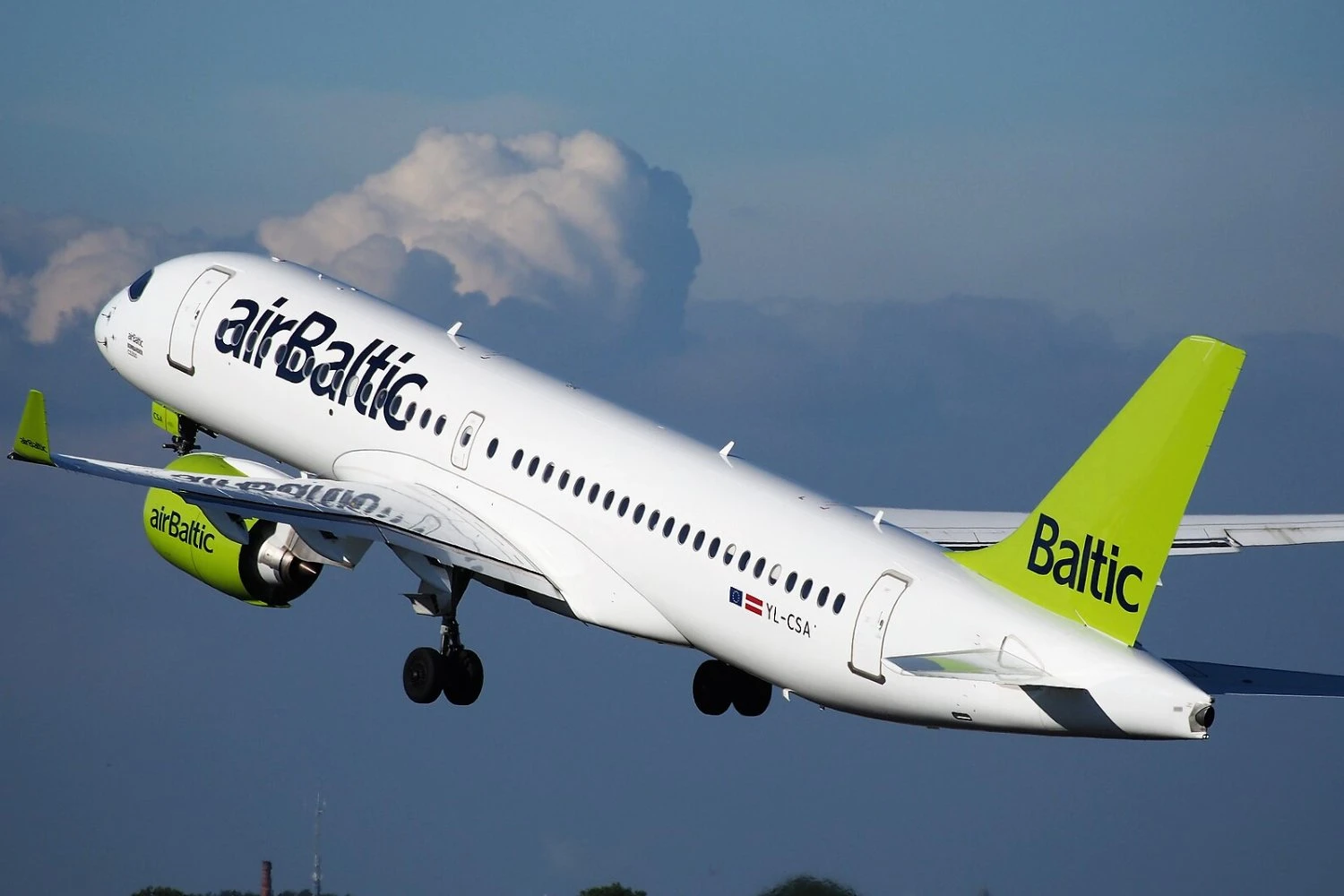
Latvia's airBaltic, which operates an all-Airbus A220-300 fleet, provides one of the clearest examples of how rapidly the fuel shock has undermined airline finances.
The company entered Chapter 11 proceedings in the United States in September and subsequently announced plans to eliminate hundreds of jobs.
It began 2026 budgeting for jet fuel at approximately $685 per metric ton. After the war began, prices approached $2,000 per ton, while roughly 90% of its fuel requirements were unhedged.
The Latvian government has since approved guarantees of up to €175 million ($192 million) to help the carrier secure private financing and continue its restructuring.
The contrast with better-protected airlines is significant. Carriers that secured fuel prices before the conflict have been able to delay much of the financial impact, while companies buying fuel at market rates have faced immediate pressure on cash flow.
Why 2027 could become another difficult year
The problem may spread beyond airlines already undergoing restructuring as fuel hedging contracts expire.
According to IATA, jet fuel averaged $162 per barrel in the third quarter of 2026, compared with approximately $97 for crude oil. Refining constraints and competition from diesel production have kept aviation fuel unusually expensive relative to crude.
European credit rating agency Scope Ratings warned in November that the fuel shock is widening the financial gap between stronger and weaker airlines, with protection arranged before the war gradually running out.
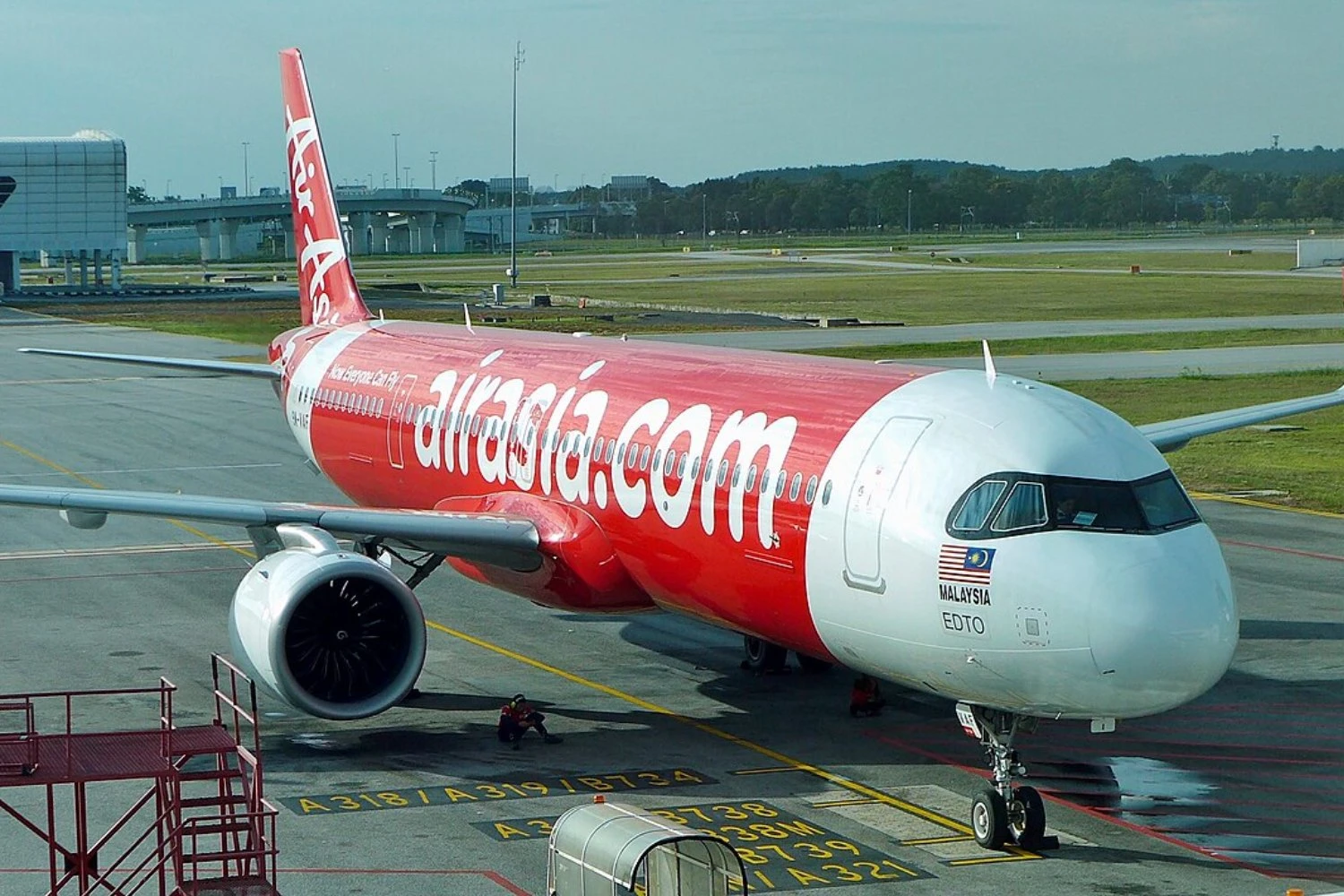
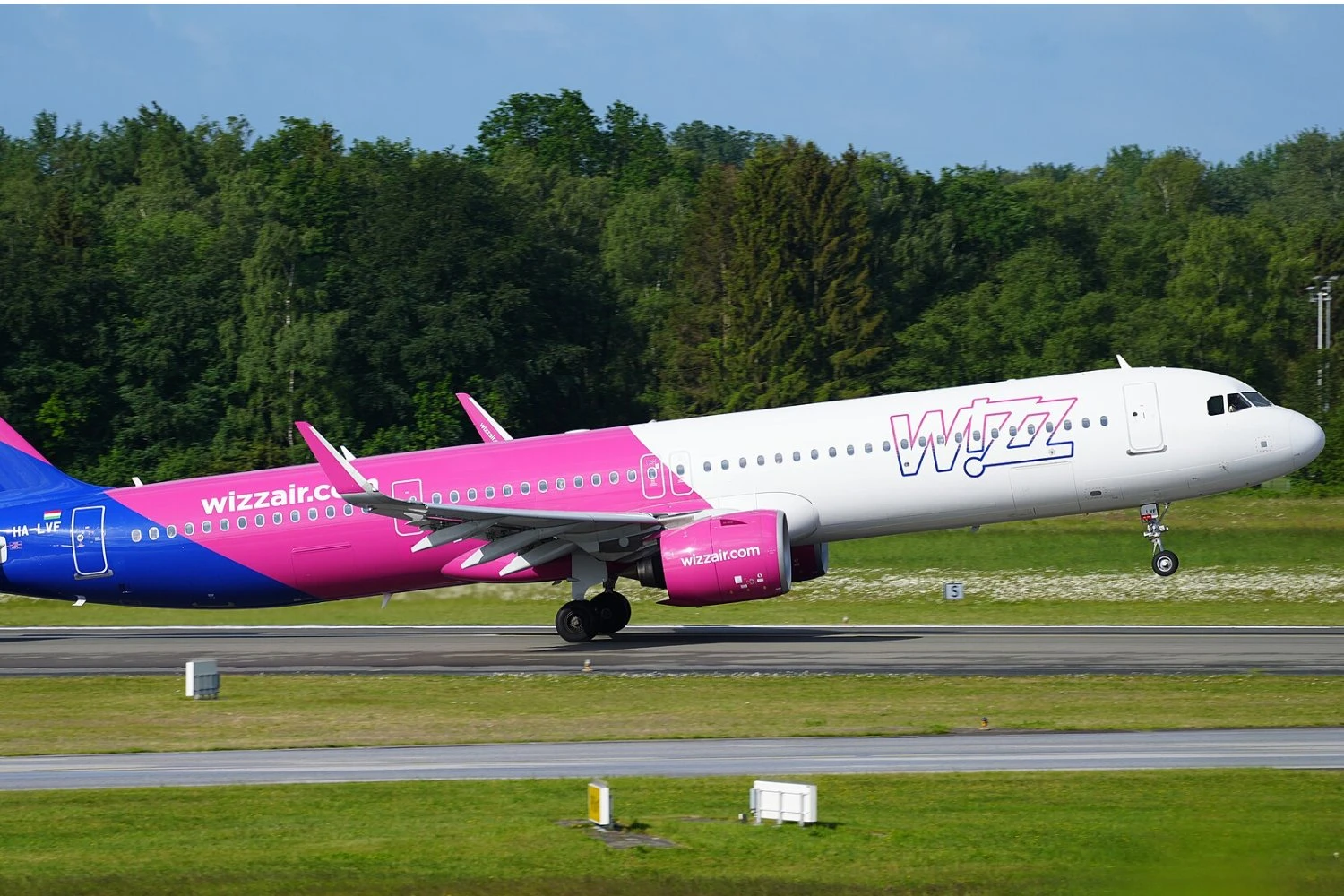
Wizz Air illustrates the risks facing carriers that remain profitable but have substantial financial commitments.
The European low-cost airline reported a 66.6% decline in net profit for the six months ended September, to €108.1 million ($119 million). Net debt reached €5.16 billion ($5.67 billion), while 22 aircraft remained grounded because of Pratt & Whitney GTF engine inspections.
Wizz Air also reported €2.39 billion ($2.63 billion) in cash and deposits, providing a significant financial cushion. However, its fuel hedge coverage is set to decline from 82% for the second half of its current fiscal year to 41% for the following fiscal year.
The airline is not undergoing insolvency proceedings, but the figures demonstrate how persistent fuel costs can complicate efforts to restore profitability.
For stronger carriers, the consequences may instead emerge through higher ticket prices, reduced capacity and lower earnings.
Some airlines have become reluctant to secure new fuel hedges at current elevated prices, fearing they could be locked into expensive contracts if the conflict eases.
The resulting uncertainty leaves the industry facing another difficult year. Even without a further increase in oil prices, airlines whose existing fuel protection expires may find themselves paying substantially more to operate the same flights.



Report an error