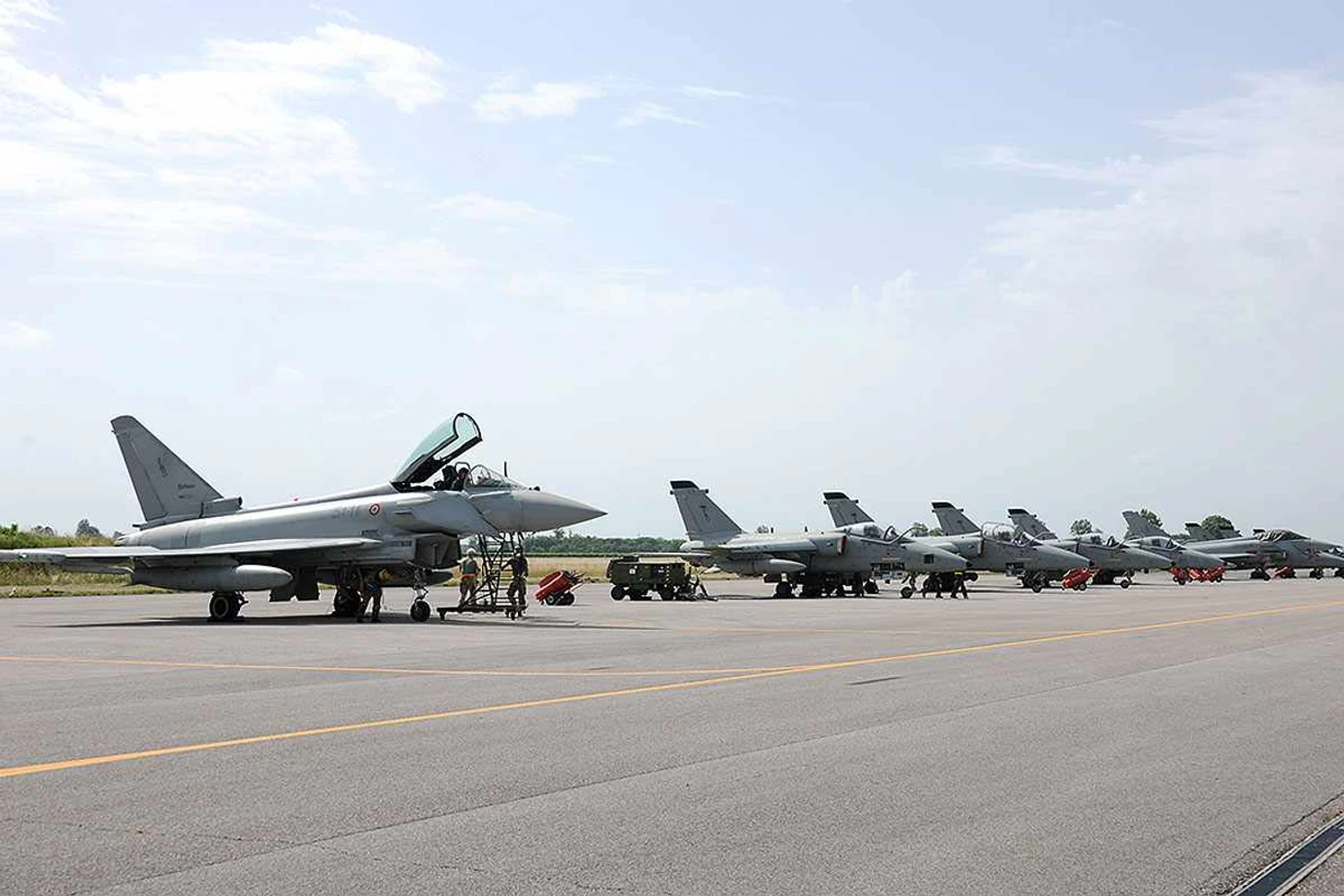
Ukraine has reportedly expressed interest in acquiring older Eurofighter Typhoon fighters from Italy, but the aircraft may not become available until 2029, when Kyiv expects to begin receiving its first new Saab Gripen E jets.
The possible transfer was reported by Italian newspaper La Repubblica on November 12. According to subsequent reports, Ukraine could be interested in 10 to 20 Eurofighter Tranche 1 aircraft, although neither country has confirmed negotiations or an agreement.
Italy operates 26 of these early-production fighters and plans to begin retiring them in 2029. In December 2024, Rome ordered 24 new Eurofighters to replace its oldest aircraft.
An earlier transfer would require Italy to release fighters still needed by its own air force.
Older fighters with useful capabilities
The Italian Tranche 1 Eurofighters entered service beginning in 2004. Equipped with mechanically scanned CAPTOR radars and AIM-120 AMRAAM missiles, they remain capable supersonic interceptors, although their sensors and weapons integration are less advanced than those of newer Typhoons.
Follow Air Data News: WhatsApp | Instagram | LinkedIn | Twitter | Facebook
For Ukraine, the aircraft could reinforce air-defense missions and help replace combat losses. Their usefulness would depend on their remaining service life, technical condition and the availability of spare parts and weapons.
However, the timing raises questions about the benefits of introducing another fighter type.
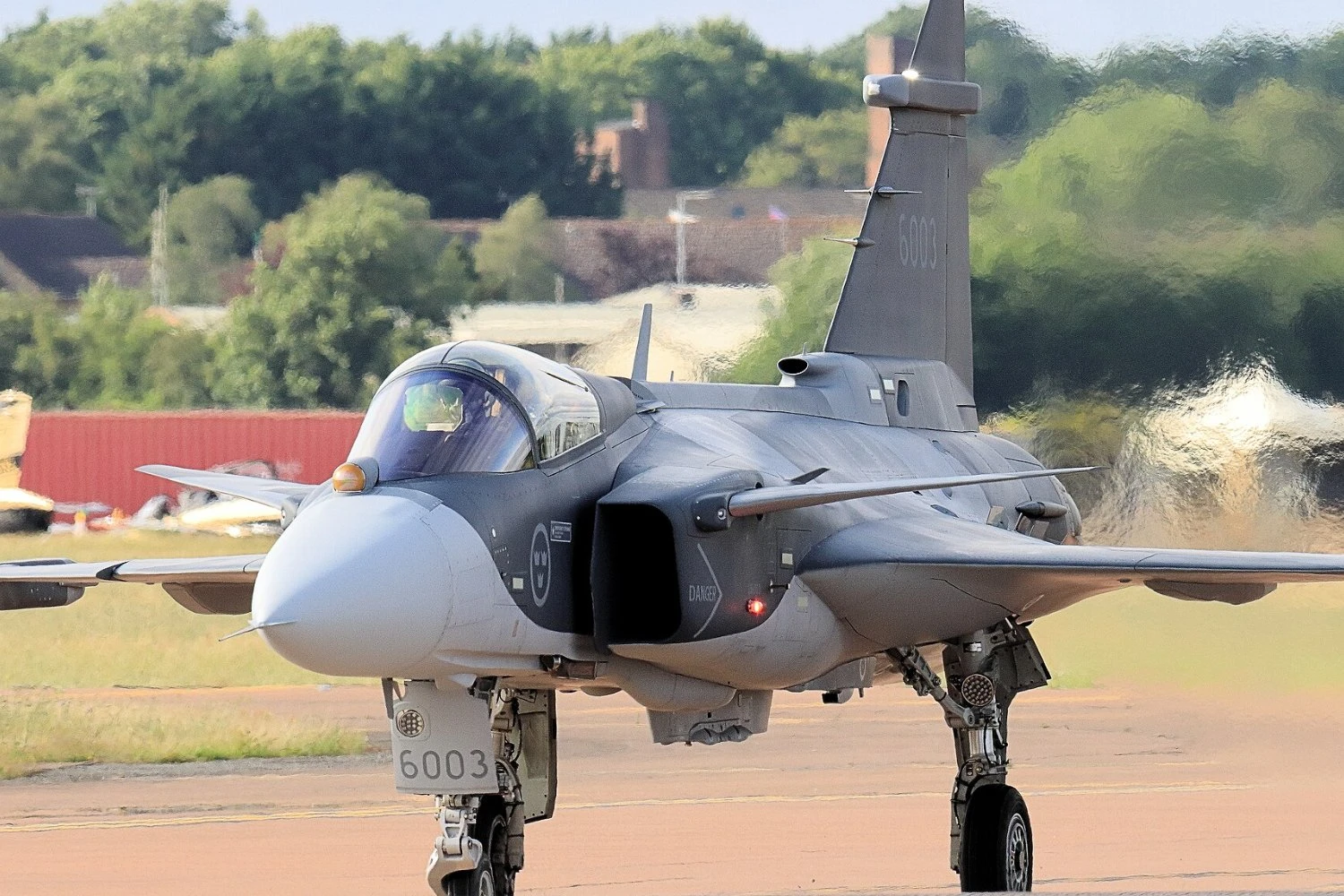
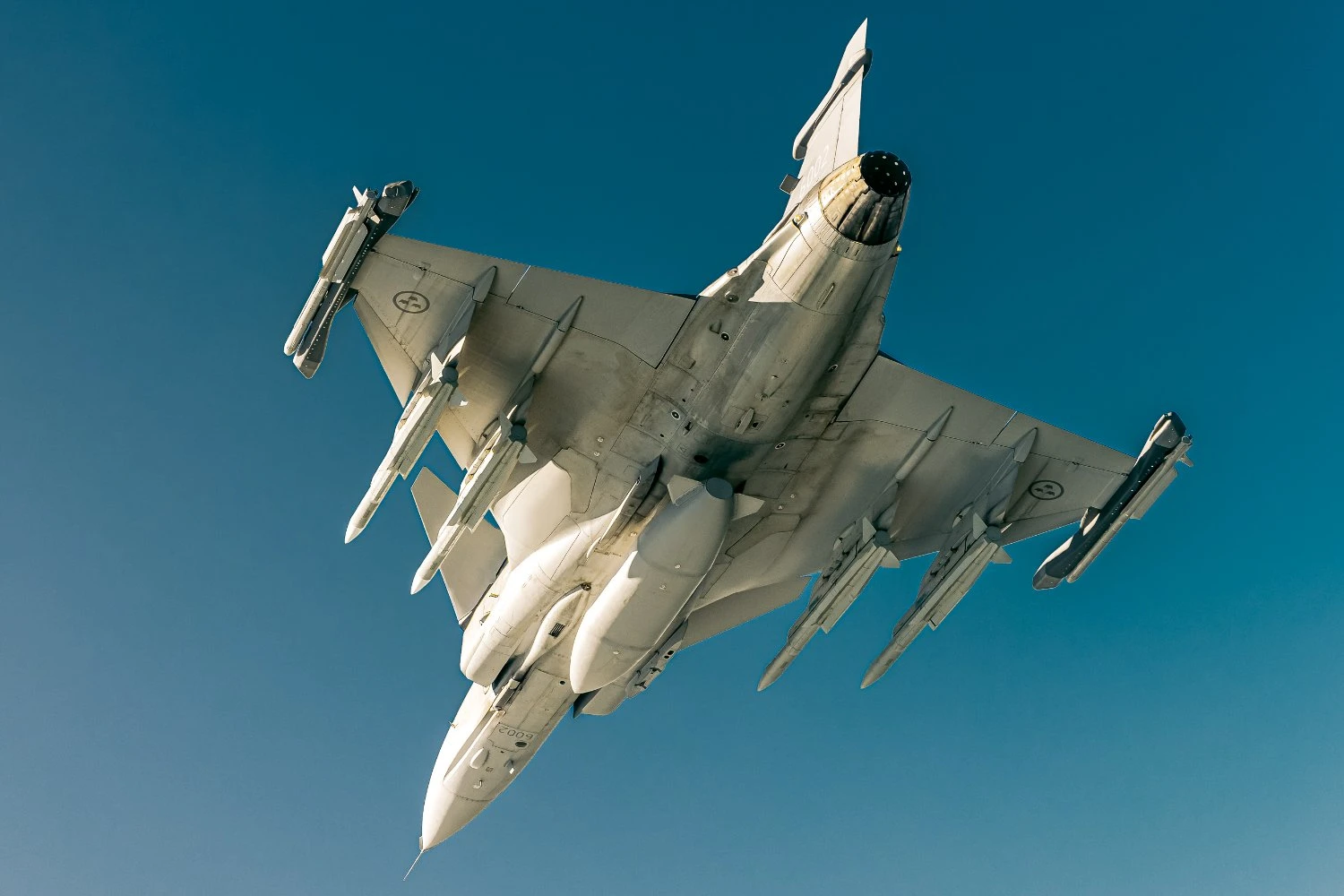
Ukraine is expected to begin receiving 16 Gripen E fighters in 2029, with deliveries continuing into 2030. An additional 16 older Gripen C/D aircraft are planned for delivery beginning in 2027.
If Italy follows its current retirement schedule, the Eurofighters could become available just as Ukraine begins introducing the more modern Swedish jets.
An increasingly complicated fighter fleet
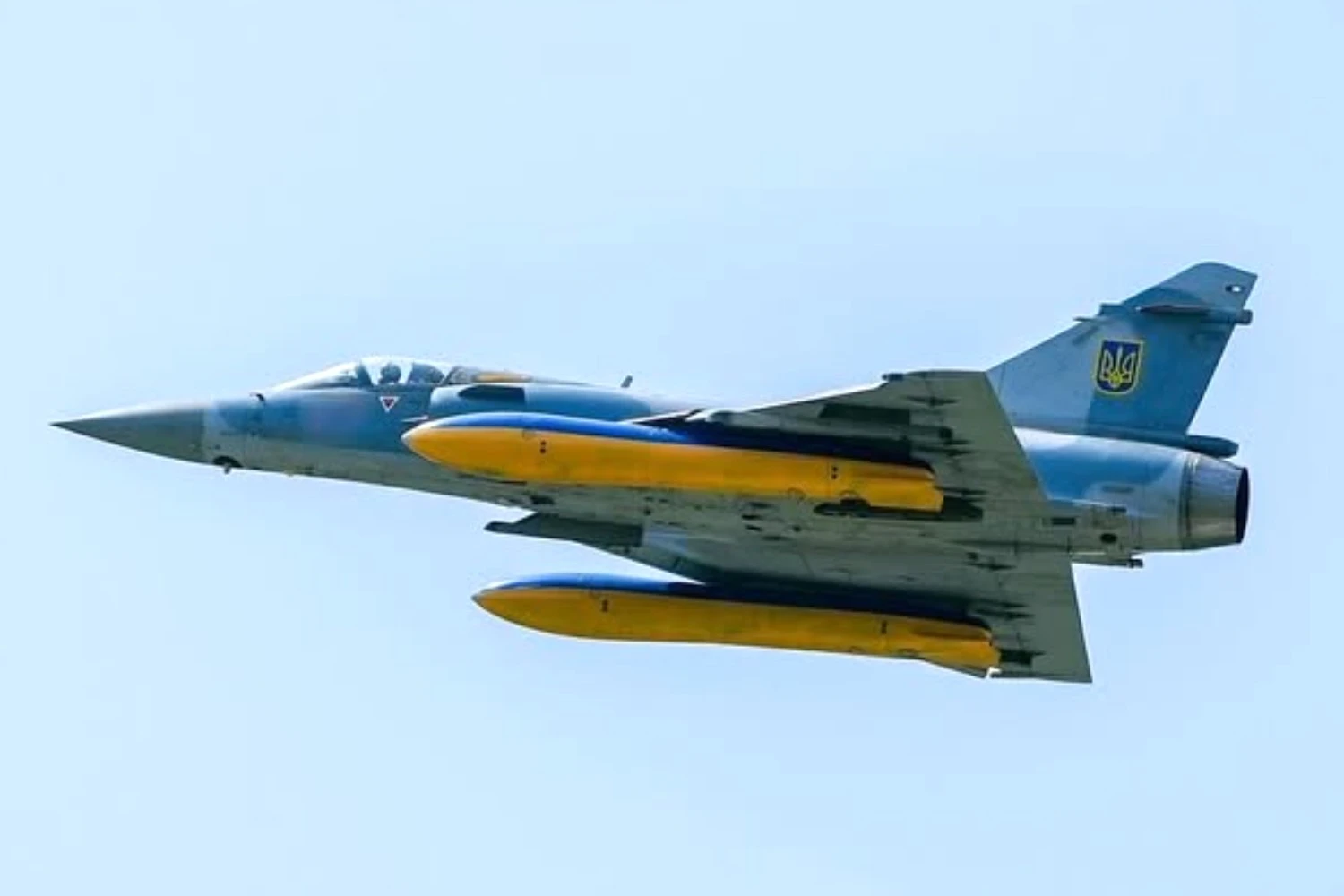
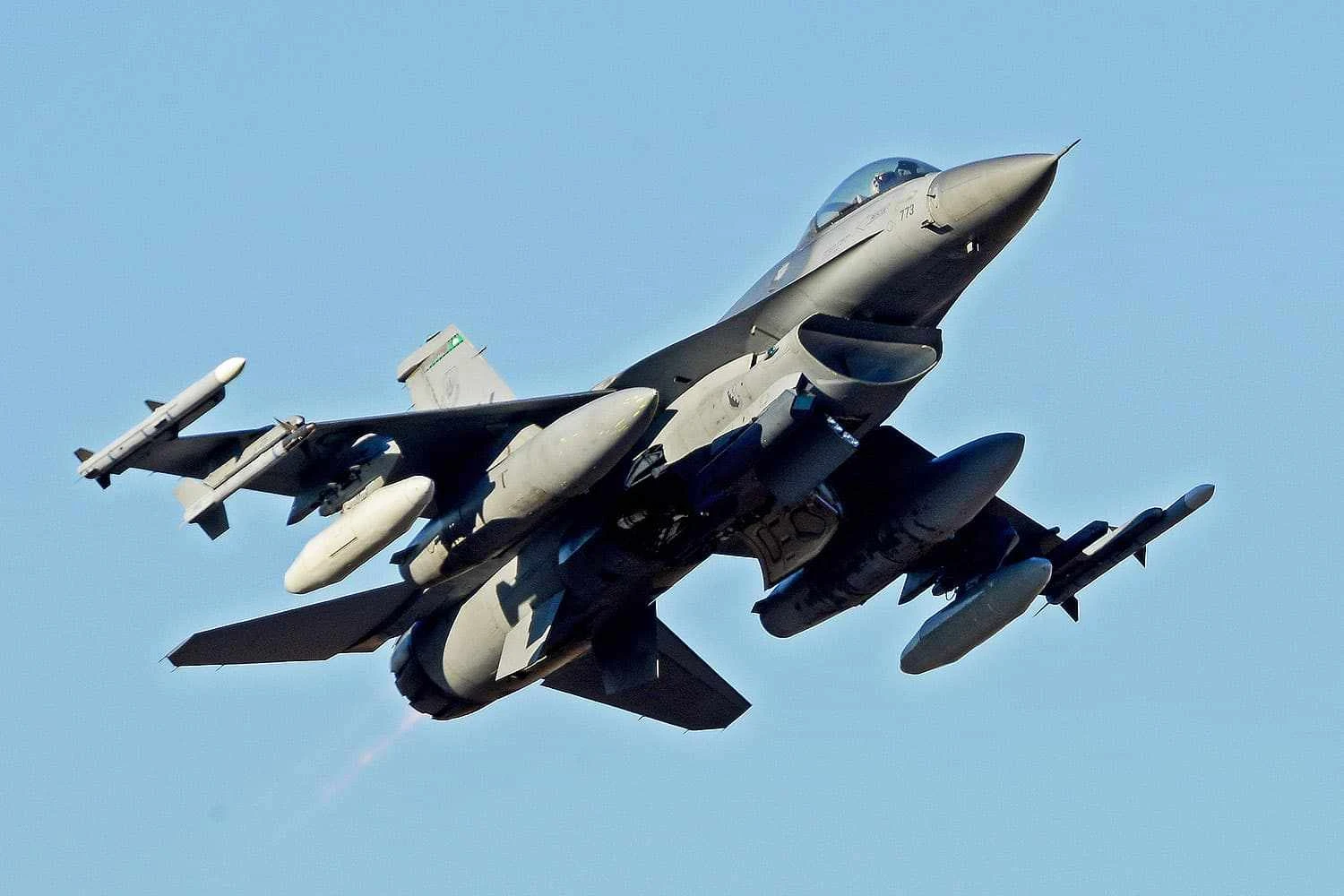
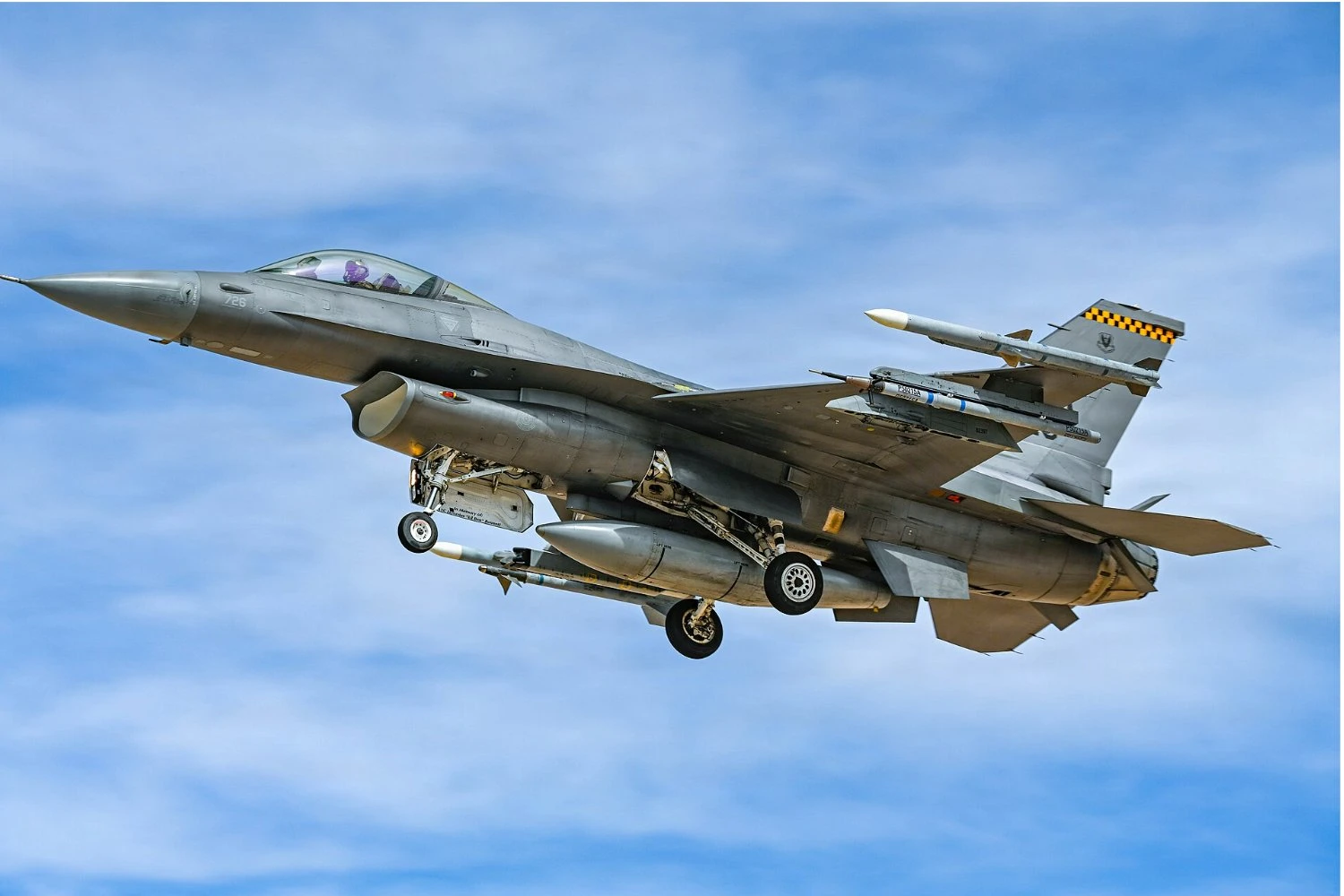
Ukraine already operates American F-16s and French Mirage 2000s alongside its remaining Soviet-designed MiG-29s and Su-27s. Additional F-16 and Mirage 2000 deliveries are also expected.
Adding Eurofighters would require another supply chain, dedicated maintenance equipment and training for pilots and technicians. Their twin Eurojet EJ200 engines would also introduce different maintenance requirements from those of Ukraine's other Western fighters.
Such complexity may be justified when additional aircraft are urgently needed, but a relatively small fleet of aging fighters could prove expensive to sustain.
The United Kingdom offers a precedent for the difficulties involved. Its Tranche 1 Typhoons were retired rather than transferred to Ukraine, despite their relatively young age, as the Royal Air Force prioritized newer aircraft and avoided the cost of maintaining a separate configuration.
Related news

Report an error