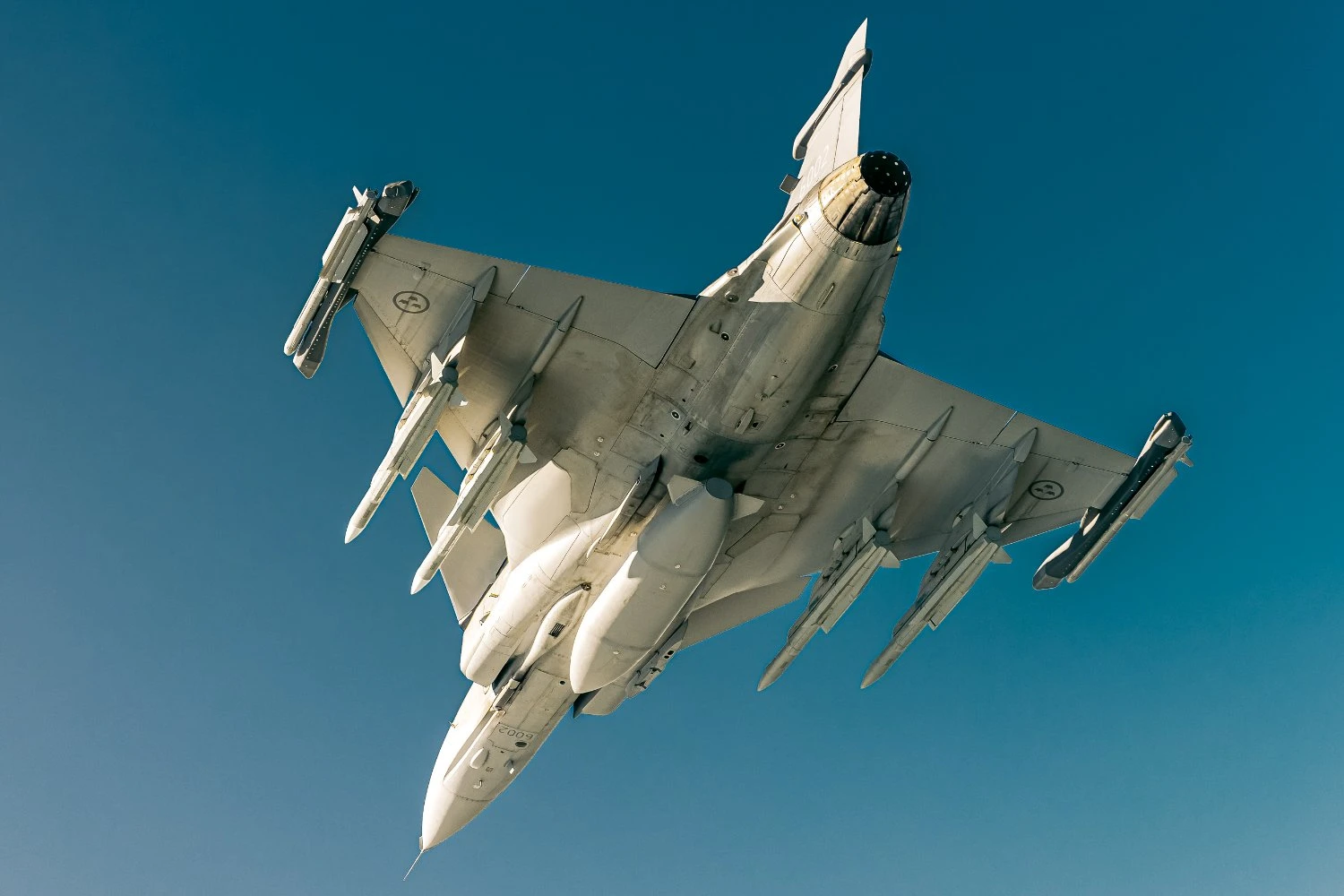
A Swedish Air Force JAS 39 Gripen fighter pilot was authorized to shoot down a suspected Russian cruise missile over Poland on November 20 but did not fire because severe weather prevented positive identification of the target. The incident occurred during a major Russian missile and drone attack on Ukraine that also sent three airborne objects into Polish airspace.
Lieutenant General Ireneusz Nowak, commander of the Polish Armed Forces Operational Command, said the Swedish pilot attempted to intercept an object preliminarily identified as a Kh-101 cruise missile. However, neither visual observation nor the fighter's onboard electro-optical systems provided sufficient confirmation to engage it.
The Gripen was operating under NATO's Combined Air Operations Centre (CAOC) in Uedem, Germany. According to Nowak, the command had issued a conditional authorization allowing pilots to decide whether to use their weapons once the required identification and engagement conditions were satisfied.
Those conditions were not met. Despite the authorization, the pilot did not fire, and none of the three objects that entered Polish airspace was intercepted.
Swedish fighters operated under NATO command
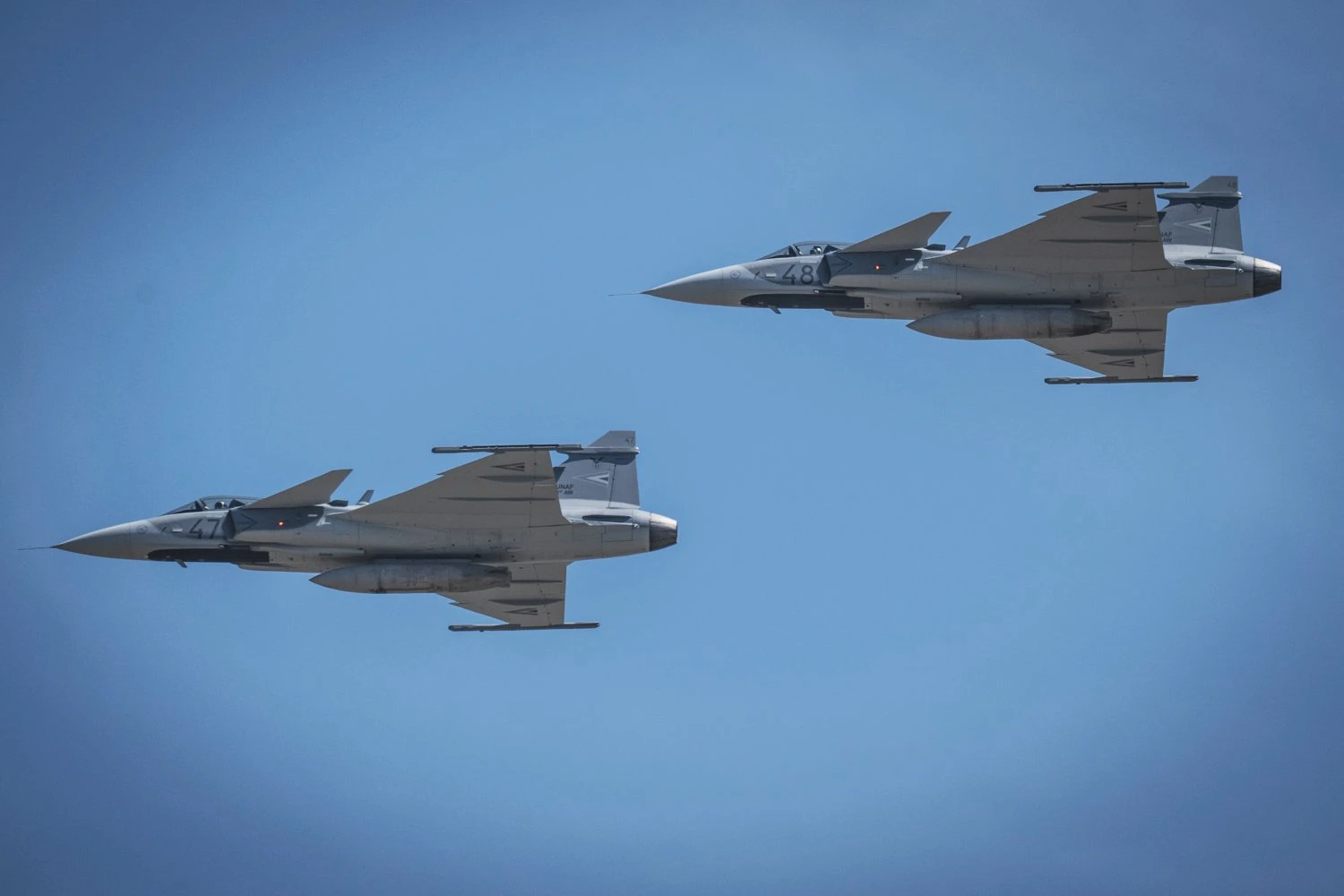
The air defense response involved two Swedish Gripens and two Polish Air Force F-16 fighters, supported by a Polish Saab 340 airborne early-warning aircraft and a Dutch multirole tanker transport (MRTT). Ground-based air defense systems were also activated.
The Swedish Armed Forces confirmed that its pilots tracked several targets moving through Polish airspace during a mission lasting several hours. The operation required aerial refueling and a rapid turnaround at a forward air base in Poland.
Follow Air Data News: WhatsApp | Instagram | LinkedIn | Twitter | Facebook
Sweden's fighters are participating in a two-month NATO air defense deployment. Although normally based in Sweden during the operation, they can use a forward operating base in Poland when required.
Deputy Commander of the Swedish Air Force Niclas Magnusson said the pilots had operated in difficult weather and low visibility. The Swedish military did not independently disclose the conditional authorization described by the Polish commander.
The failed interception also highlights the distinction between permission to engage a target and the conditions that must be satisfied before firing. Poland revised its air defense procedures earlier this year to permit certain engagements without visual identification, provided other requirements for identifying the threat are fulfilled.
As previously reported by AeroTime, Polish military officials confirmed that the revised procedures also apply to allied aircraft protecting Polish airspace. In this case, the pilot could not establish the necessary identification through either visual or electro-optical means.
Three Russian objects entered Polish airspace
Polish authorities reported that 11 objects approaching the country during the overnight Russian attack were assessed as potential threats. Three crossed the border and fell in southeastern Poland.
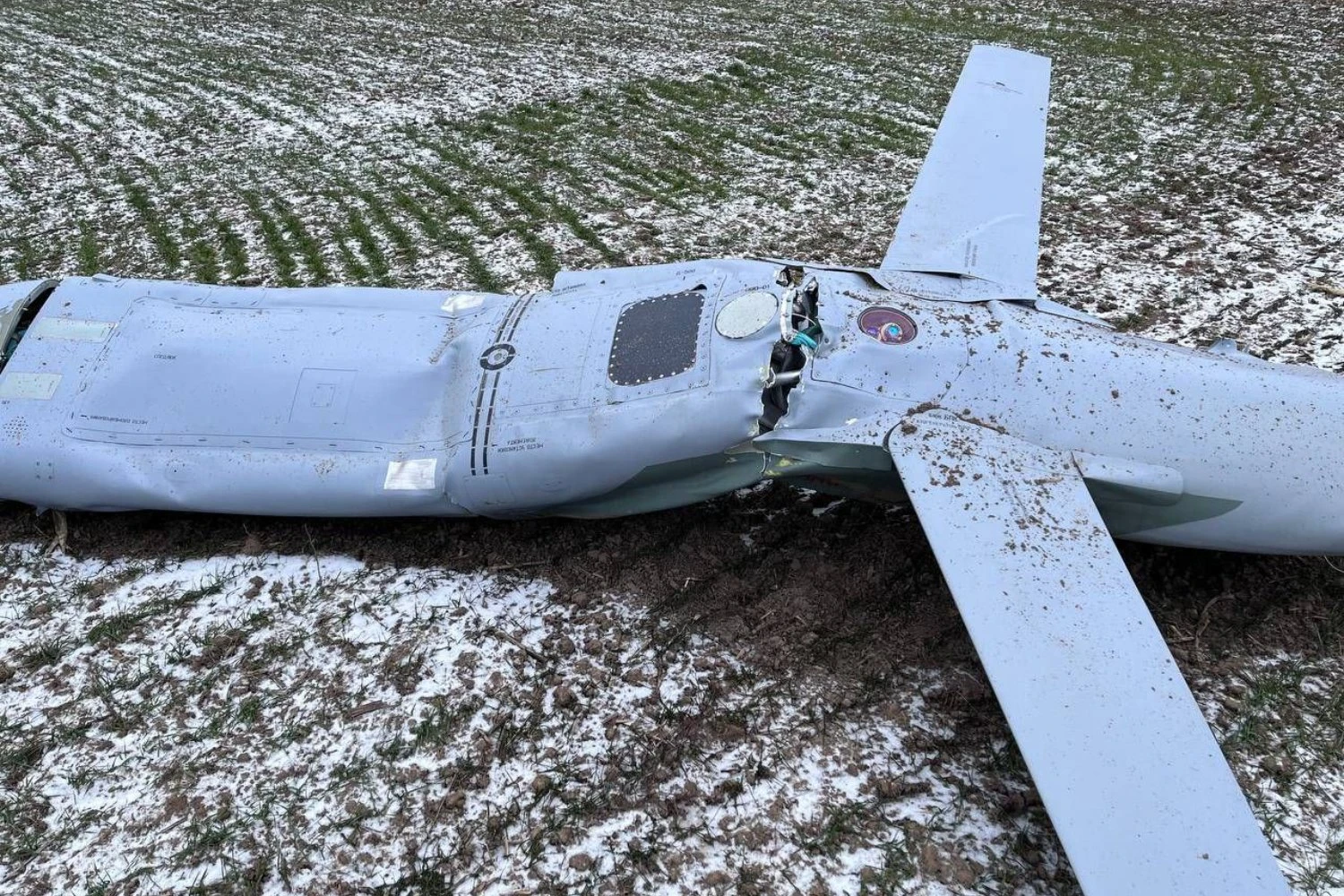
Defense Minister Władysław Kosiniak-Kamysz identified a Russian Kh-101 cruise missile at Nowy Lipowiec, near the Ukrainian border. An object that fell near Rudnik nad Sanem was initially assessed as another missile, and debris at Mołodycz was believed to belong to a jet-powered drone.
The classifications of the latter two objects remained preliminary as investigators examined the debris. No casualties or significant damage to critical infrastructure were reported.
Related news
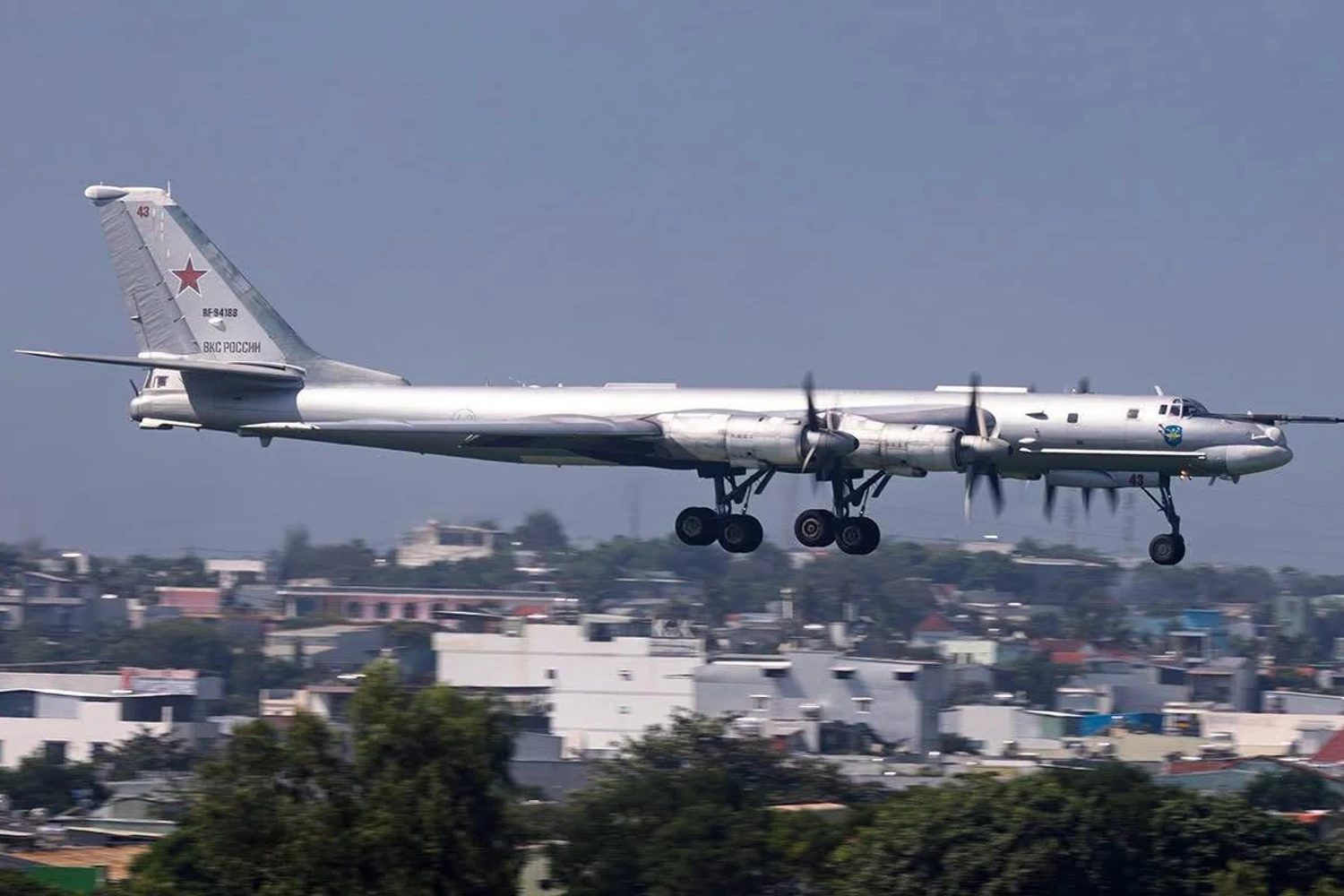
According to the Polish military, the attack involved successive waves of drones and missiles. Polish air defense personnel also received information from Ukraine's Virazh surveillance system to help monitor approaching threats.
The Polish authorities estimated that the Kh-101 identified at Nowy Lipowiec had remained in the country's airspace for approximately three minutes.
Airports suspended operations during military response
The Polish Air Navigation Services Agency temporarily suspended operations at Rzeszów-Jasionka and Lublin airports to allow military aircraft to respond to the incursions.
At Rzeszów-Jasionka, an important logistical gateway for military assistance to Ukraine, the air traffic control tower was evacuated. Infrastructure Minister Dariusz Klimczak said nine people, including six operational personnel, were moved to a temporary shelter.
Both airports subsequently reopened, although operations were interrupted again during another wave of Russian attacks before returning to normal.
Recent news

November 21, 2026

November 20, 2026
The incursions coincided with a multinational military exercise at Nowa Dęba, in southeastern Poland, involving countries preparing for a potential postwar security mission in Ukraine.

Polish Prime Minister Donald Tusk described the airspace violations as a likely deliberate Russian provocation. However, a direct connection between the objects' flight paths and the military exercise has not been conclusively established.
Following the incident, Kosiniak-Kamysz said Poland would request additional NATO air defense resources, including airborne early-warning aircraft and F-35 fighters, to reinforce the alliance's Eastern Sentry operation.

Report an error