
The Federal Aviation Administration (FAA) will face a new federal audit of its oversight of aircraft manufacturers and suppliers, announced on November 20 by the US Department of Transportation's Office of Inspector General (DOT OIG). The investigation comes with six recommendations from a previous review of Boeing production oversight still open, more than two years after auditors identified weaknesses in the regulator's inspection procedures.
The new audit will examine how effectively the FAA oversees manufacturers' quality assurance systems, including their control of suppliers in the United States and overseas. The watchdog said it initiated the review following documented shortcomings in manufacturing oversight, recent changes to the FAA's risk assessment procedures and the introduction of a new oversight tracking system.
The investigation is not limited to Boeing, although problems at the US manufacturer feature prominently in the audit announcement. The DOT OIG also noted that its last examination specifically addressing FAA oversight of aircraft manufacturers' suppliers dates back to 2008.

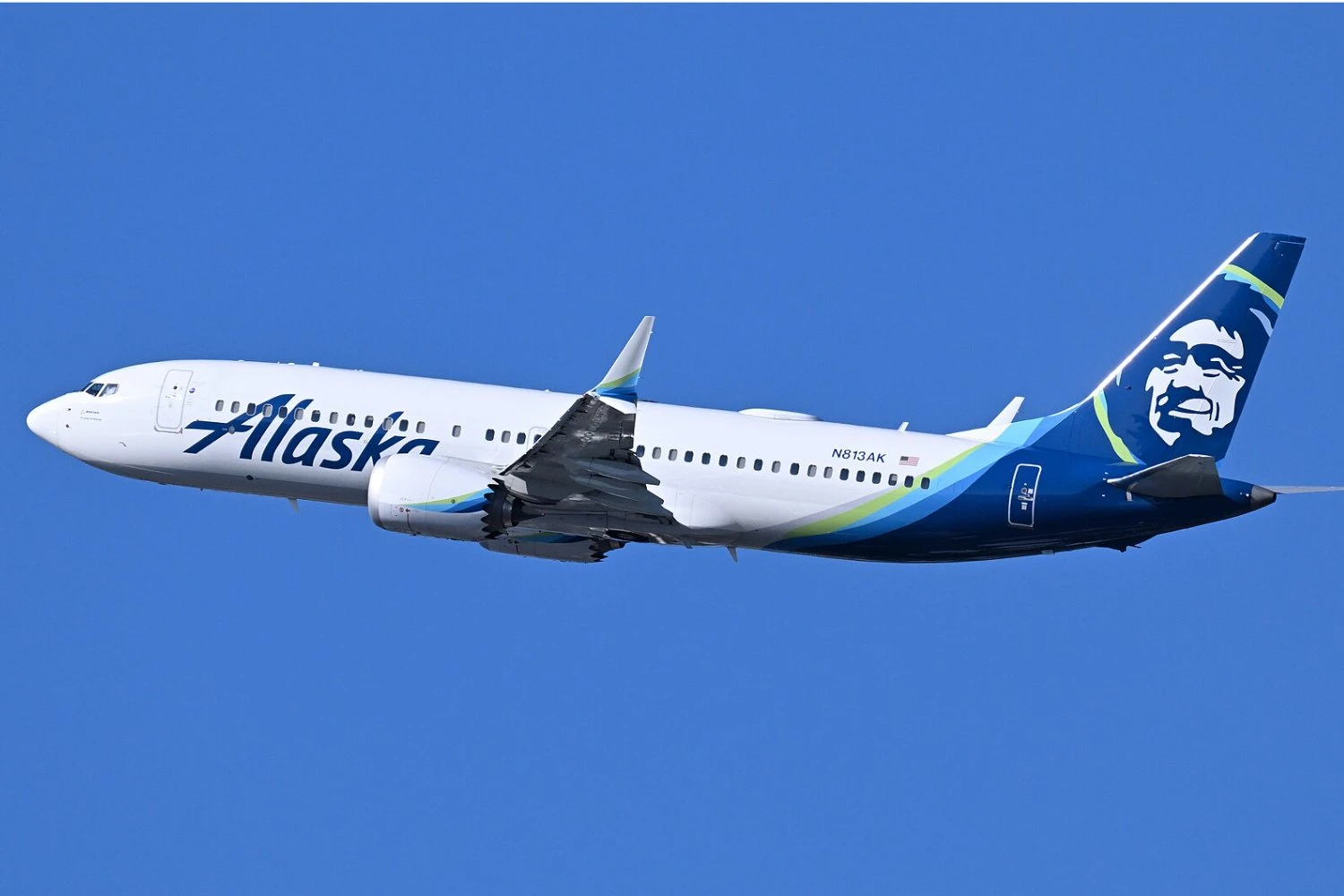
The announcement follows a series of investigations into Boeing's production controls, including the January 2024 incident involving an Alaska Airlines 737 MAX 9, which lost a mid-exit door plug during flight. The National Transportation Safety Board (NTSB) subsequently identified failures in Boeing's quality assurance procedures and ineffective FAA oversight of the manufacturer's instructions for removing aircraft parts.
Six recommendations from 2024 remain unresolved
The latest investigation follows an October 2024 audit that found the FAA's procedures for identifying and resolving production problems affecting Boeing's 737 and 787 aircraft were ineffective.
That review produced 16 recommendations covering inspection planning, supplier controls, compliance monitoring and the handling of reports involving pressure on employees responsible for safety and quality.
According to the DOT OIG's recommendation records, ten have since been closed, leaving six outstanding. Two of the remaining recommendations specifically address how the FAA evaluates Boeing's suppliers, including companies further down the supply chain.
Follow Air Data News: WhatsApp | Instagram | LinkedIn | Twitter | Facebook
One calls for inspectors to examine Boeing's own assessments of supplier risks and incorporate those findings into federal inspection plans. Another requires inspection guidance to account for the number of suppliers, the components they manufacture and the audits needed to determine whether Boeing is effectively controlling its supply network.
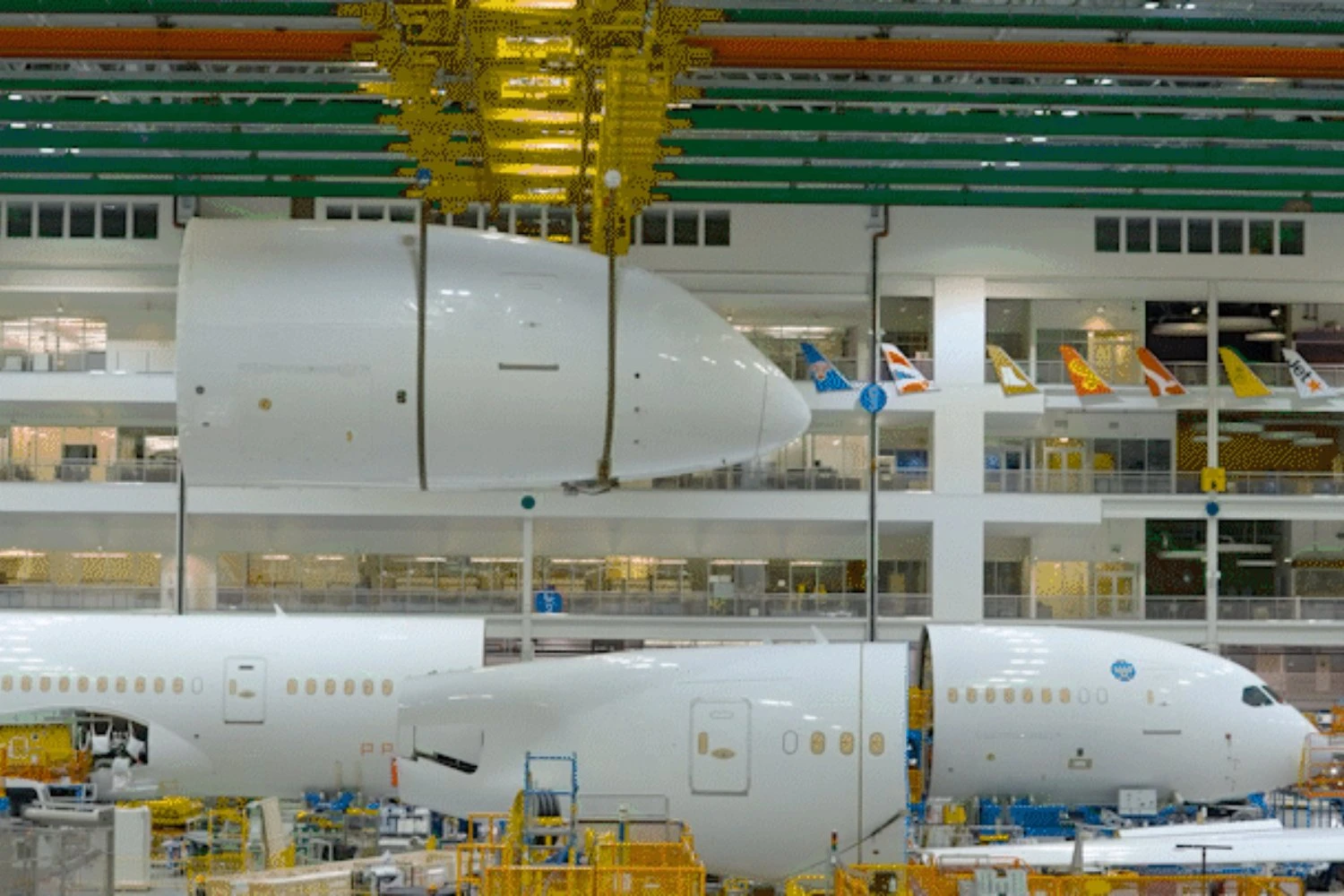
Other open recommendations concern the FAA's audit information system, its ability to track recurring compliance problems, procedures for addressing findings from joint industry reviews and training for inspectors using updated systems.
The six outstanding items do not establish that the FAA has failed to implement every corrective measure. They do, however, show that parts of the improvement program identified in 2024 have not yet been formally closed by the watchdog.
Supplier oversight becomes a central issue
The new audit extends beyond Boeing's own factories to the quality systems used by aircraft manufacturers to manage suppliers, including those operating outside the United States.
This distinction matters because manufacturers rely on extensive supply networks for structural components, systems and other equipment. FAA oversight must therefore assess not only the finished aircraft but also whether manufacturers have effective procedures to ensure that supplied parts meet approved specifications.
The 2024 audit found that the FAA had not adequately ensured Boeing and its suppliers could consistently manufacture components conforming to approved designs. Inspectors were not required to review certain initial production inspections intended to verify whether manufacturing processes could produce compliant parts.
The DOT OIG also cited the FAA's recently revised risk assessment practices and a new system for tracking oversight activities as reasons for launching the latest review. The investigation will provide an opportunity to assess how those changes work in practice.
Related news
November 21, 2026

November 20, 2026
The watchdog has not announced a completion date for the new audit or identified additional manufacturers that will receive particular attention.
FAA says it will cooperate
The FAA told Reuters that it welcomed feedback and would cooperate fully with the investigation.
The agency has maintained that its oversight of Boeing changed substantially after the Alaska Airlines incident. It imposed tighter production supervision, including a prolonged restriction on the number of 737 MAX aircraft Boeing could manufacture each month.
In recent months, the regulator has also acknowledged improvements in Boeing's manufacturing performance. In July 2026, the FAA allowed the company to issue airworthiness certificates for 737 MAX and 787 Dreamliner aircraft under federal supervision, citing improved production quality.
Those developments have not ended federal scrutiny. The new audit will assess whether the FAA's updated oversight methods are sufficient to identify manufacturing risks and ensure that aircraft manufacturers maintain effective control over their suppliers.

Report an error