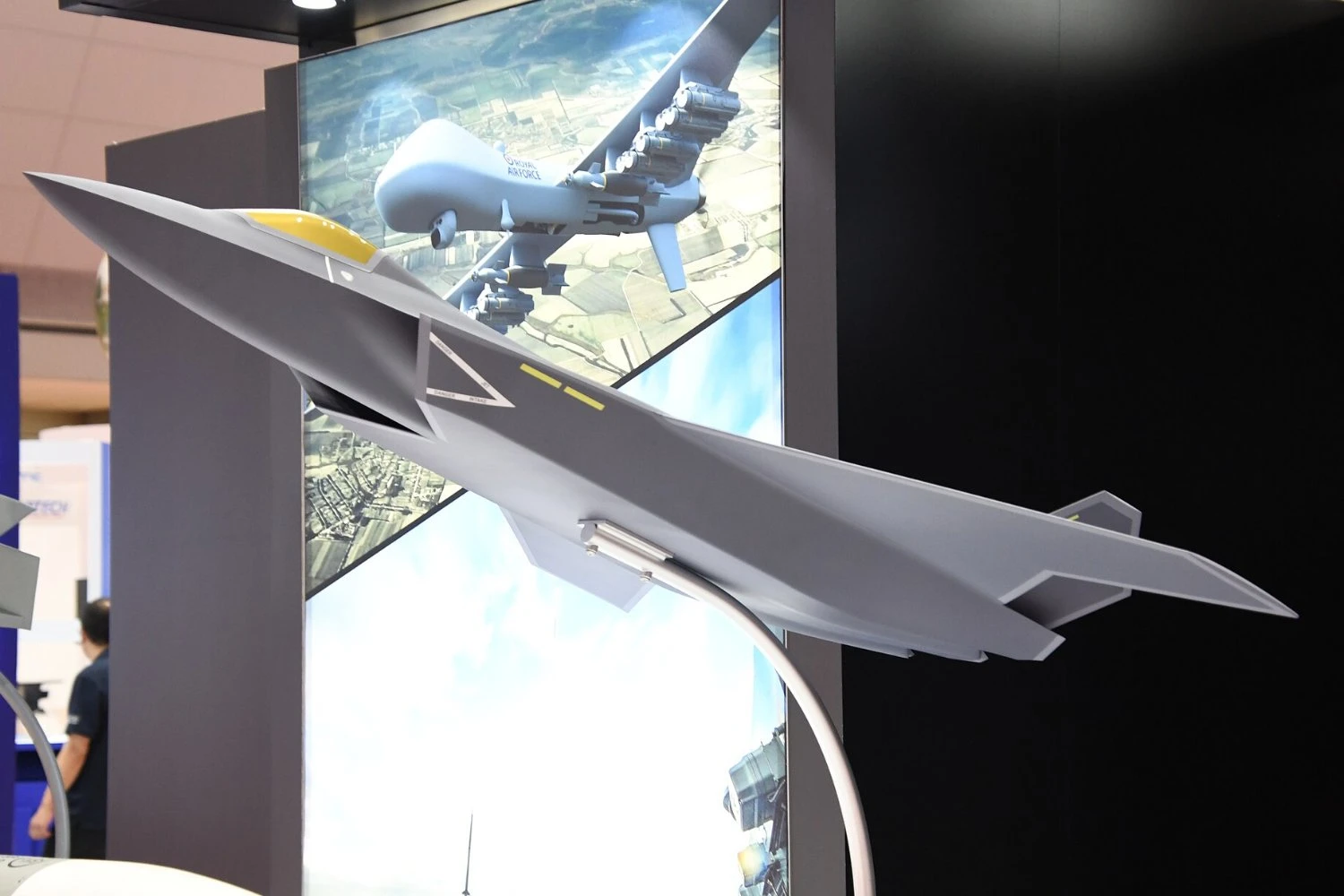
Employee representatives at Airbus Defence and Space have urged the German government to launch a national sixth-generation fighter program rather than join the Global Combat Air Programme (GCAP), the aircraft project being developed by the United Kingdom, Italy and Japan.
The position was presented during a workers' assembly at Airbus's Manching facility in Germany on November 23. The works council called for an immediate development contract that would allow a prototype to fly by 2032 and a new fighter to enter service before 2040.
Thomas Pretzl, chairman of the works council, argued that Germany should avoid repeating the difficulties encountered in its partnership with France on the Future Combat Air System (FCAS). The representatives believe joining GCAP at this stage would leave German industry with limited influence over a program whose requirements and industrial responsibilities are already being established.
The proposal does not exclude international cooperation. Instead, the workers want Germany to initiate development under its own leadership, allowing other countries and manufacturers to join later.
Germany searches for an alternative to FCAS
The dispute comes after the breakdown of cooperation between Airbus and Dassault Aviation over the Next Generation Fighter (NGF), the crewed aircraft at the center of the Franco-German-Spanish FCAS program.
Follow Air Data News: WhatsApp | Instagram | LinkedIn | Twitter | Facebook
Disagreements over leadership, work allocation and control of technology prevented the companies from progressing with the aircraft's development. The joint fighter effort was halted in June 2026, leaving Germany and Spain searching for alternatives.
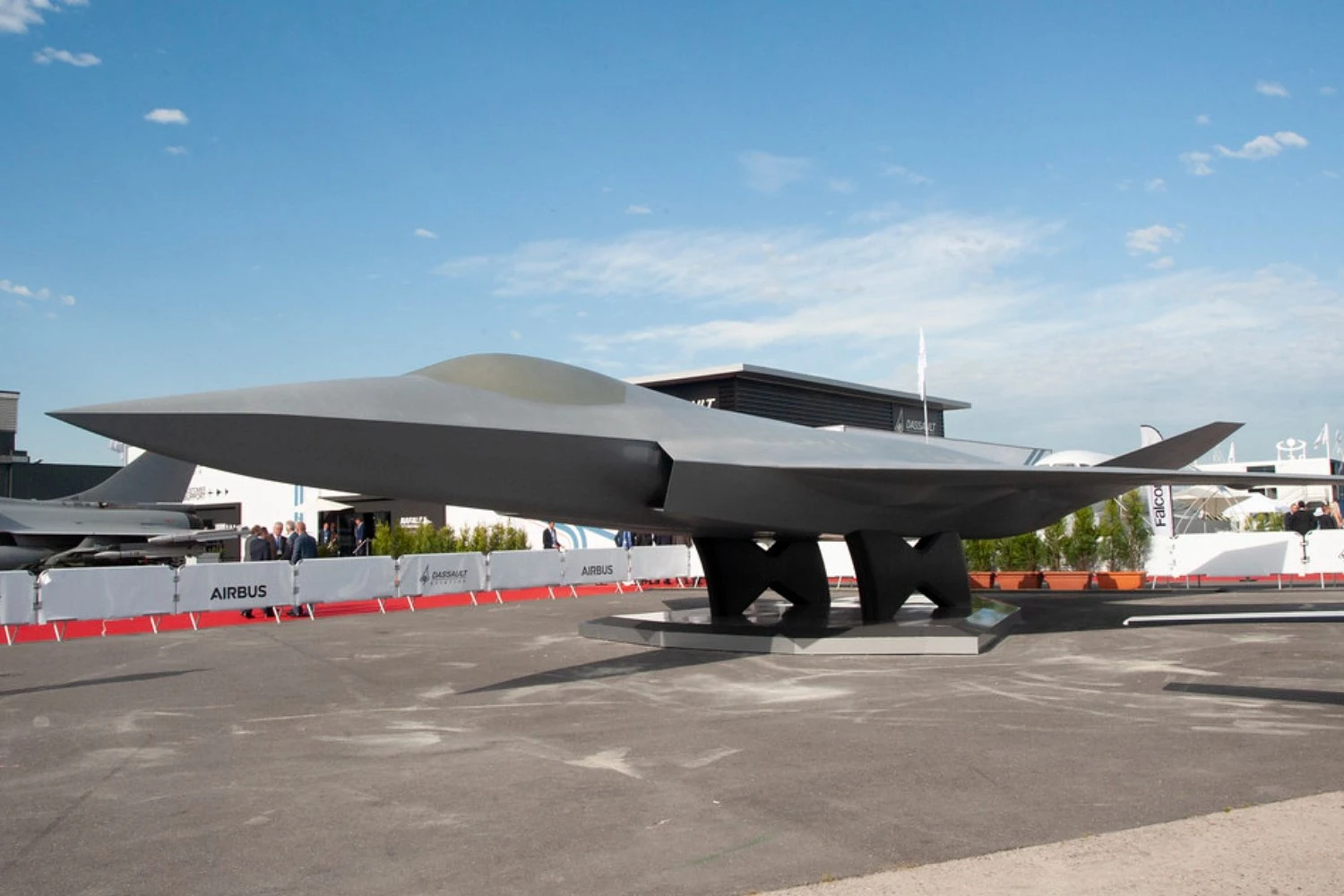
GCAP is one possibility. The British-Italian-Japanese program is developing a sixth-generation fighter intended to enter service in 2035, but Germany would be joining after its three founding partners had already established the project's structure.
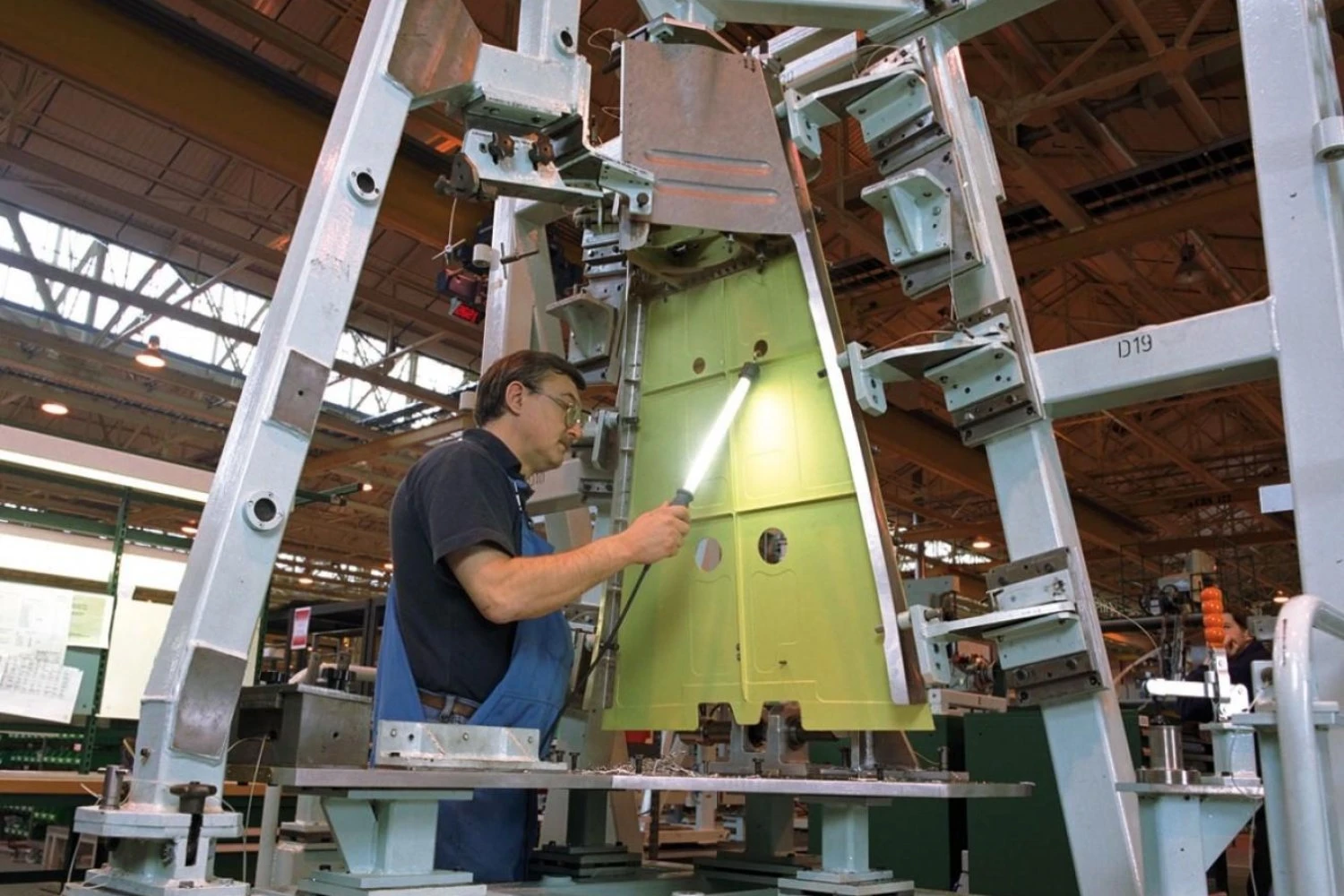
The Airbus works council fears that such an arrangement could weaken Germany's ability to develop military aircraft independently and reduce the amount of engineering work assigned to its aerospace industry. The company's Manching facility, where Eurofighter aircraft are assembled and tested, employs approximately 6,500 people.
The workers also argue that purchasing additional American F-35 fighters would not preserve the design and development expertise required for a future European combat aircraft.
Airbus management keeps its options open
Airbus management has taken a different position. Chief executive Guillaume Faury previously acknowledged that participation in GCAP was among the options being considered, and the company has not ruled out cooperation with other manufacturers.
Following the workers' statement, Airbus reiterated that it remains open to partnerships provided German, Spanish and European industry receive substantial and equitable roles in the development, production and operation of a future combat aircraft.
Related news
November 26, 2026
German Defense Minister Boris Pistorius has acknowledged that the country cannot develop a sixth-generation fighter entirely on its own. Berlin is considering GCAP alongside other potential arrangements, including cooperation involving Airbus, Sweden's Saab and Spain.
Several German aerospace companies, including Airbus, Diehl, Hensoldt, Liebherr, MBDA and MTU Aero Engines, have also joined the Team Gen 6 industrial initiative to support the country's future fighter capabilities.
The German government is expected to determine its next steps by March 2027, although no decision has been announced on joining GCAP or launching a separate program.

Report an error