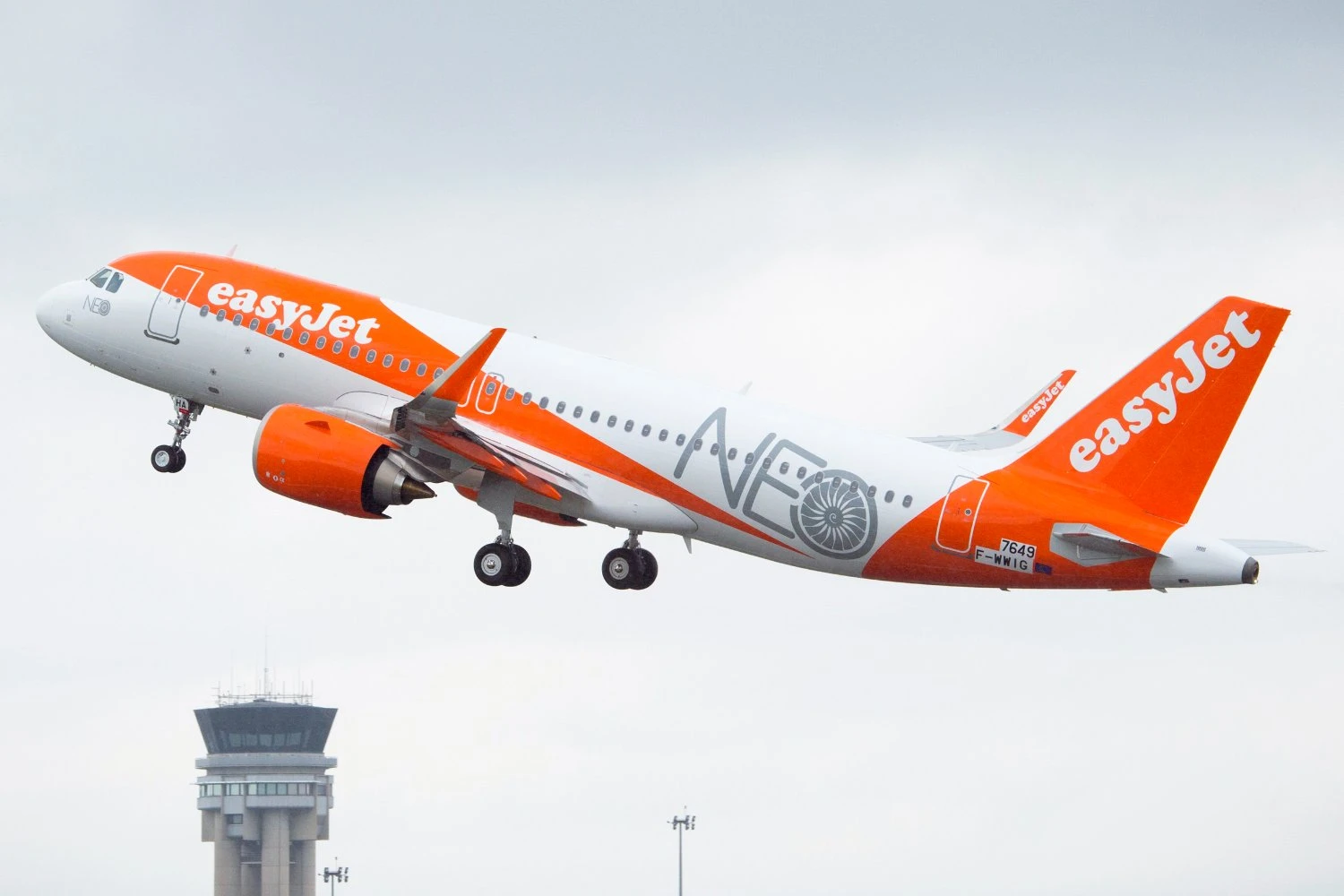
easyJet's airline business swung to a £195 million (US$ 256 million) loss before tax in fiscal 2026, reversing a £415 million (US$ 544 million) profit a year earlier, as higher fuel prices and weaker demand following the Middle East conflict hit the British low-cost carrier.
The deterioration dragged easyJet Group's headline profit before tax down 89%, from £665 million (US$ 871 million) to £71 million (US$ 93 million) in the year ended September 30. Reported profit before tax fell from £658 million (US$ 862 million) to just £24 million (US$ 31 million).
Follow Air Data News: WhatsApp | Instagram | LinkedIn | Twitter | Facebook
The sharp decline came despite growth in traffic and revenue. easyJet carried 96.4 million passengers, 3% more than a year earlier, with load factor unchanged at 90%. Group revenue increased 6% to £10.74 billion (US$ 14.07 billion).
The airline operation generated £9.03 billion in revenue, up 4%, but revenue per available seat kilometer fell 2%. The decline was concentrated in the second half, when RASK dropped 3% after the conflict in the Middle East affected advance bookings. Stronger demand closer to departure was not enough to recover the earlier weakness.
Fuel bill rises by £244 million
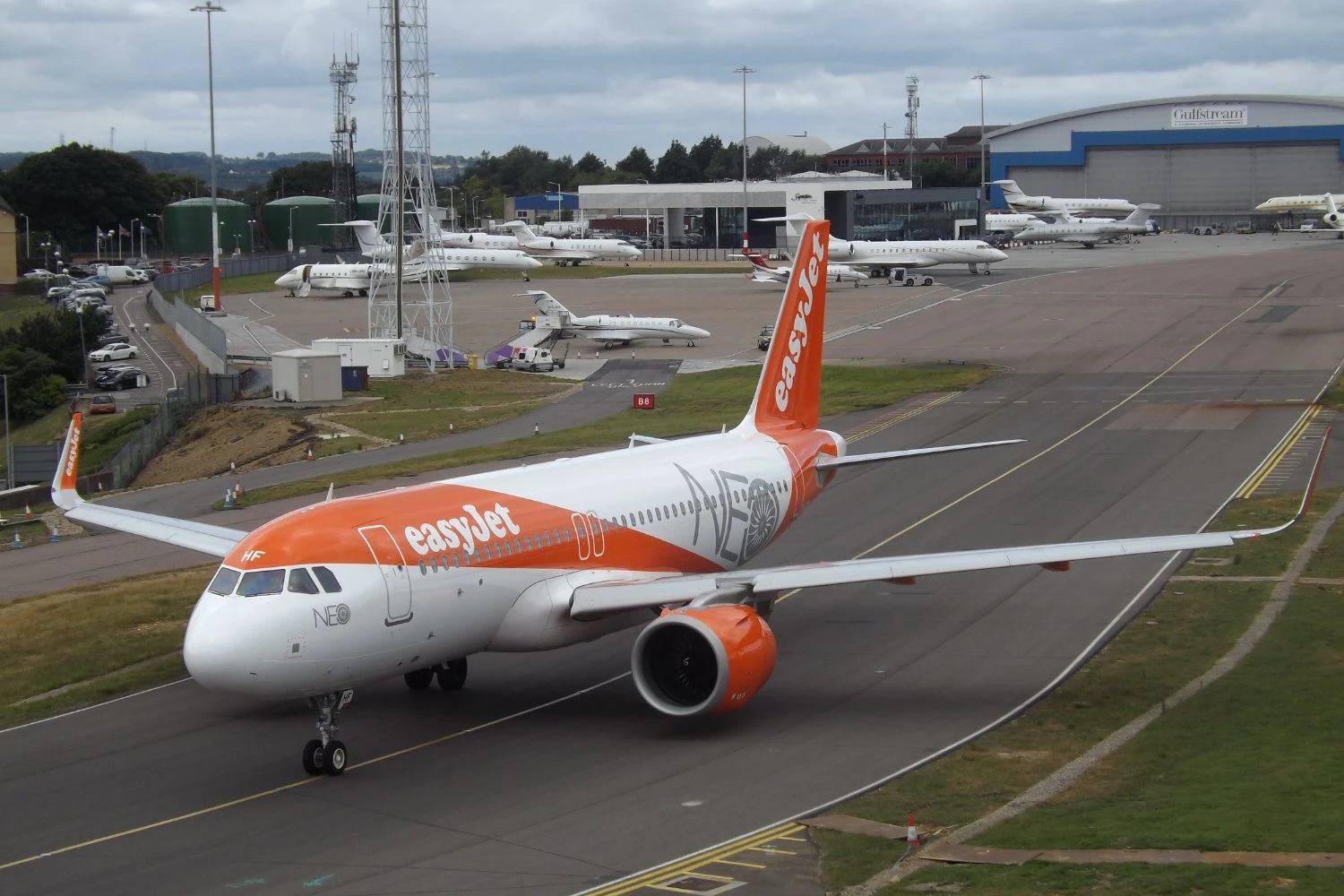
Fuel costs increased 11% to £2.50 billion from £2.25 billion, adding £244 million to easyJet's annual bill. In the second half alone, fuel cost per available seat kilometer increased 12%, equivalent to another £211 million compared with the same period a year earlier.
At the current exchange rate, the full-year fuel bill was equivalent to approximately US$ 3.27 billion, while the £244 million increase represented about US$ 320 million. The airline business's £195 million loss was equivalent to roughly US$ 256 million.
easyJet said the Middle East conflict was the main reason for the deterioration, through both higher jet fuel prices and weaker consumer demand. The carrier also faced additional costs associated with sustainable aviation fuel and the European emissions trading system.
Related news
November 24, 2026
Fuel was not the only pressure. Costs excluding fuel increased as the airline absorbed inflation and investments including its first full winter of operations at Milan Linate and Rome Fiumicino. The company also recorded additional provisions related to historical legal matters and employee remuneration.
The result was a reversal in the airline operation from a £415 million profit before tax in 2025 to the £195 million loss this year, a deterioration of £610 million, or approximately US$ 800 million at the current exchange rate.
Holidays business keeps group profitable
easyJet holidays moved in the opposite direction. Its headline profit before tax increased from £250 million to £266 million, allowing the group as a whole to remain profitable despite the airline's loss.
The £266 million result is equivalent to approximately US$ 349 million. Revenue from the holidays business increased 19% to £1.71 billion.
That contrast explains the large difference between the performance of the airline and the consolidated group. Headline operating profit for the group fell 84%, from £703 million to £114 million, before financing and foreign exchange effects reduced headline profit before tax to £71 million, or about US$ 93 million.
easyJet expects fleet modernization to generate about £250 million in additional annual cost savings over the next two financial years, with approximately £110 million expected in fiscal 2027 and another £140 million in 2028.
The company did not provide financial guidance for the new fiscal year as its proposed acquisition by Apollo moves toward completion. The transaction was approved by shareholders earlier this month and is expected to close in the first quarter of 2027.

Report an error