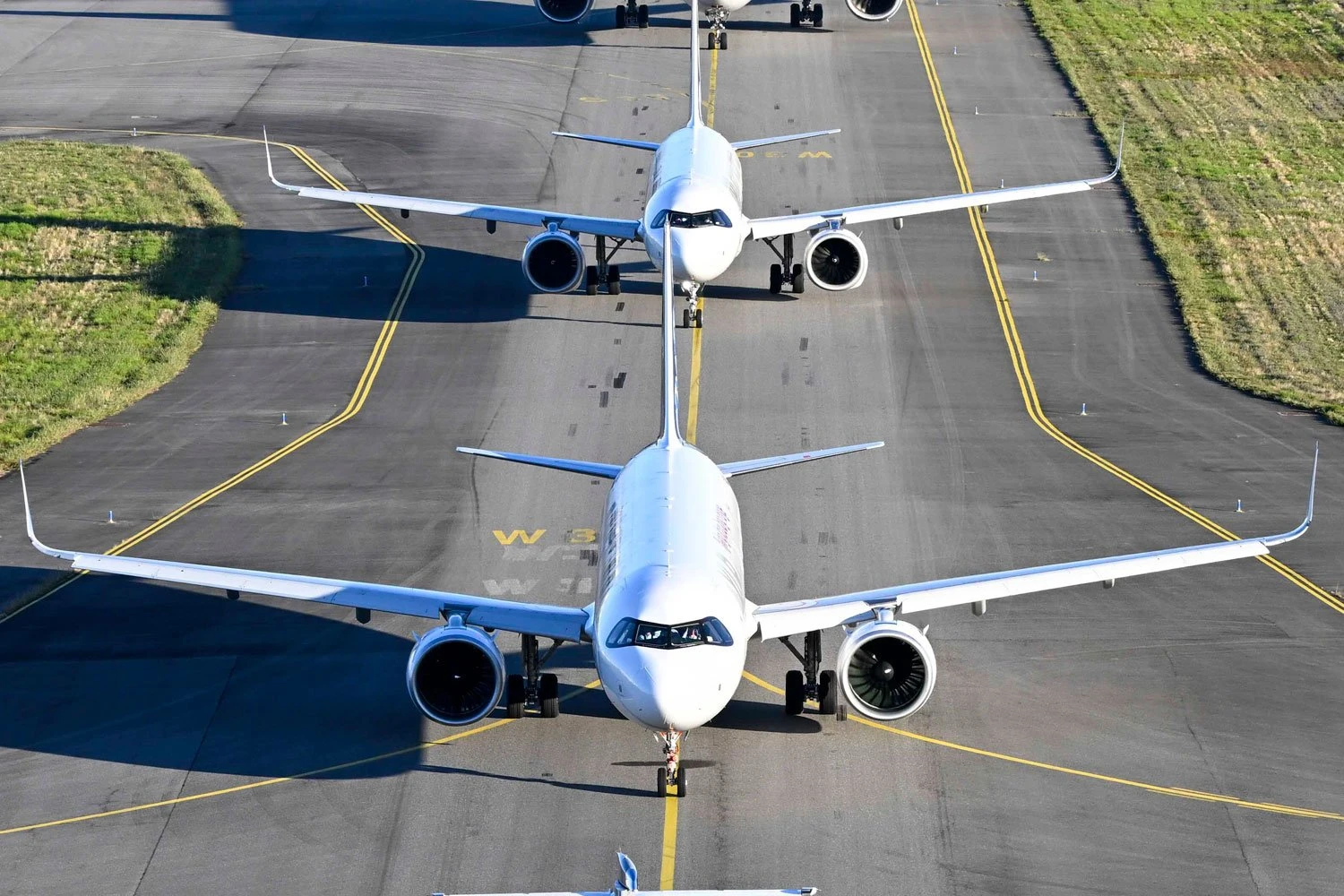
French President Emmanuel Macron is expected to announce €350 million (US$ 403 million) in government support for aerospace research during a visit to Airbus in Toulouse on Monday, including work on technologies for the eventual successor to the A320neo family.
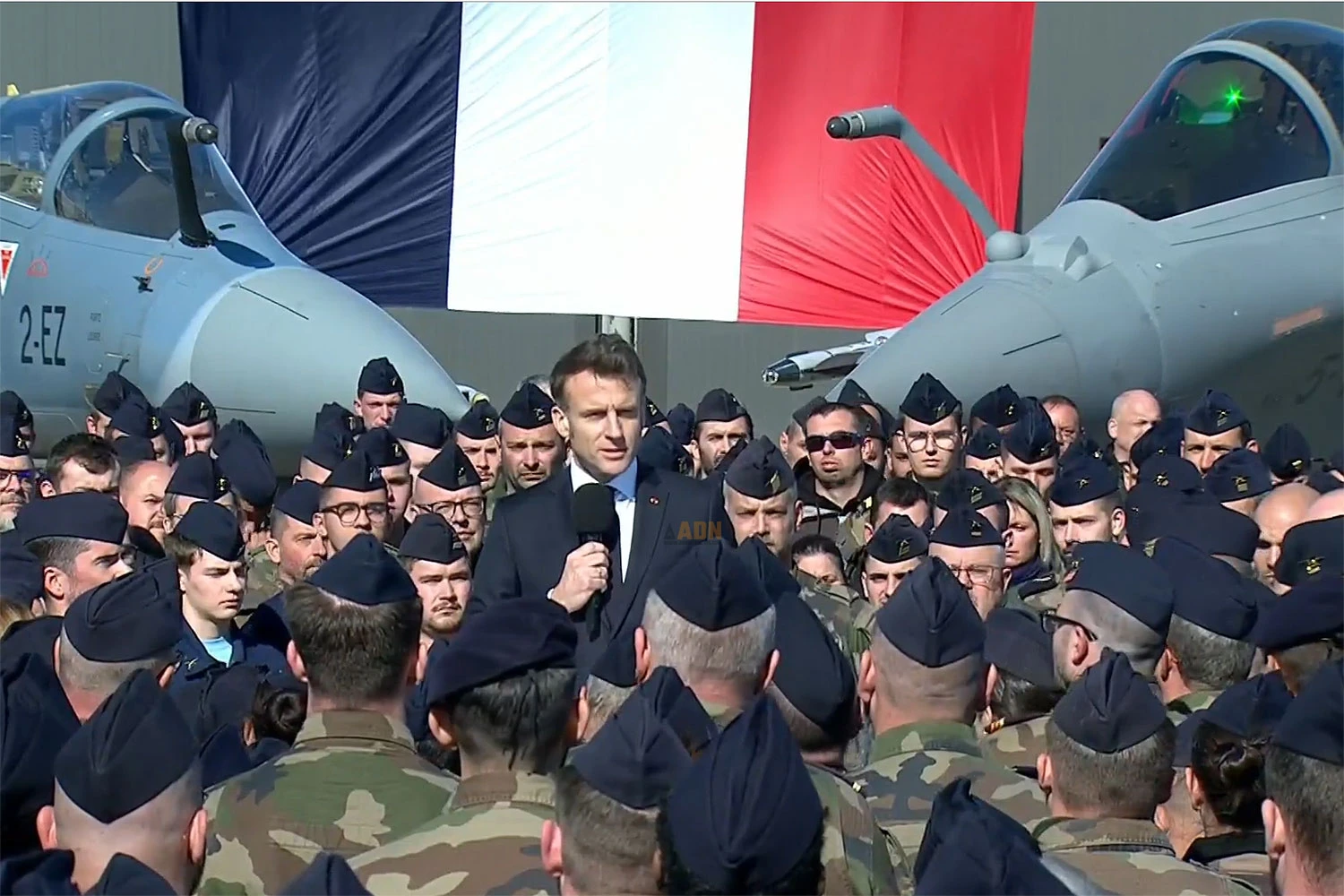
Macron is scheduled to visit the A320 and A321neo final assembly lines at Airbus' Jean-Luc Lagardère site and meet employees before delivering a speech on government support for France's aerospace industry.
According to the Élysée and reports in the French press, the government is preparing to mobilize €350 million for the Conseil pour la recherche aéronautique civile (Corac) in 2026. The organization coordinates research projects involving aircraft manufacturers, suppliers and smaller companies across the French aerospace industry.
The expected announcement comes as Airbus faces two different challenges: producing thousands of aircraft already ordered by customers and developing the technologies needed for the single-aisle jet that will eventually replace its best-selling family.
Thousands of A320s still to build
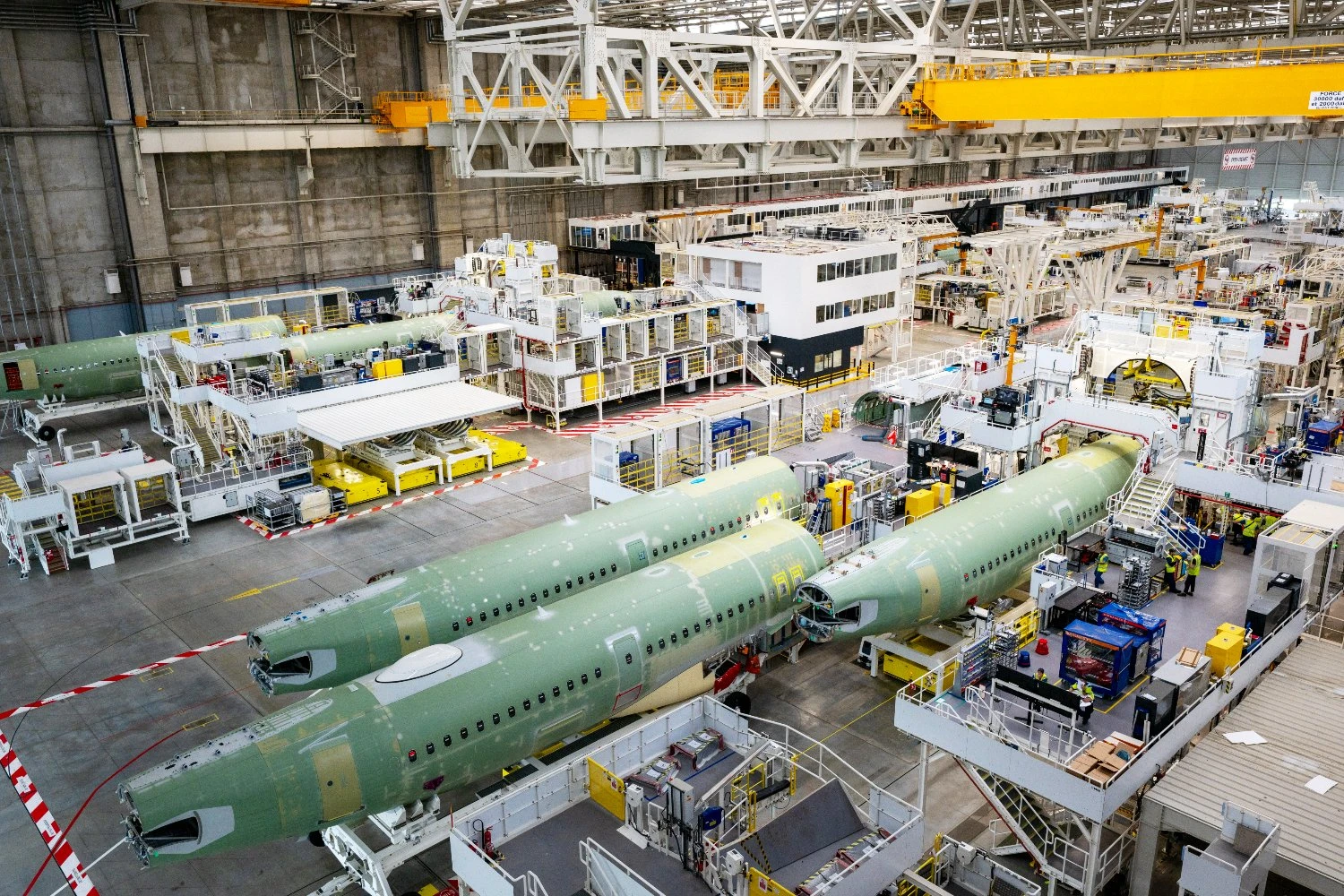
Airbus ended September with a backlog of 9,310 commercial aircraft across its product portfolio. The A320neo family accounts for most of that demand, giving the manufacturer years of production as it continues expanding assembly capacity.
Follow Air Data News: WhatsApp | Instagram | LinkedIn | Twitter | Facebook
In June, Airbus reported an A320 family backlog of 7,499 aircraft, approximately 72% of them A321neo variants. The manufacturer expects to reach a production rate of between 70 and 75 A320 family aircraft per month by the end of 2027 before stabilizing at 75.
Macron's visit will take place inside the Toulouse production system responsible for part of that ramp-up. Airbus opened a second A320neo final assembly line in Toulouse in June, expanding its ability to assemble the larger A321neo as demand has increasingly shifted toward the stretched member of the family.
Successor targeted for the next decade
Airbus CEO Guillaume Faury has said the company intends to launch a successor to the A320neo around 2030, with entry into service expected later in the following decade.
The manufacturer is targeting a 25% to 30% reduction in fuel burn compared with the current A320 family. Achieving that improvement will require advances in propulsion, aerodynamics, structures and aircraft systems, with major architectural decisions still to be made later this decade.
Related news
November 22, 2026
November 20, 2026
Programs coordinated through Corac are helping mature some of those technologies. France has provided significant public funding for the organization, with Macron pledging €300 million annually between 2024 and 2027. Funding reached €284 million in 2024 and €278 million in 2025.
The situation for 2026 had generated concern across the French aerospace industry after only €215 million was initially expected and funding had been slow to materialize. The €350 million package expected to be announced in Toulouse would exceed the annual level originally pledged by Macron.
Funding beyond this year is less certain. France's current 2027 budget plans include €140 million for Corac, supplemented by €44 million through another research program, below the level sought by the aerospace industry.
The uncertainty comes as Airbus approaches decisions on technologies and suppliers for its next single-aisle aircraft. Research conducted during the remainder of the decade will help determine which technologies are mature enough to enter the future program.

Report an error