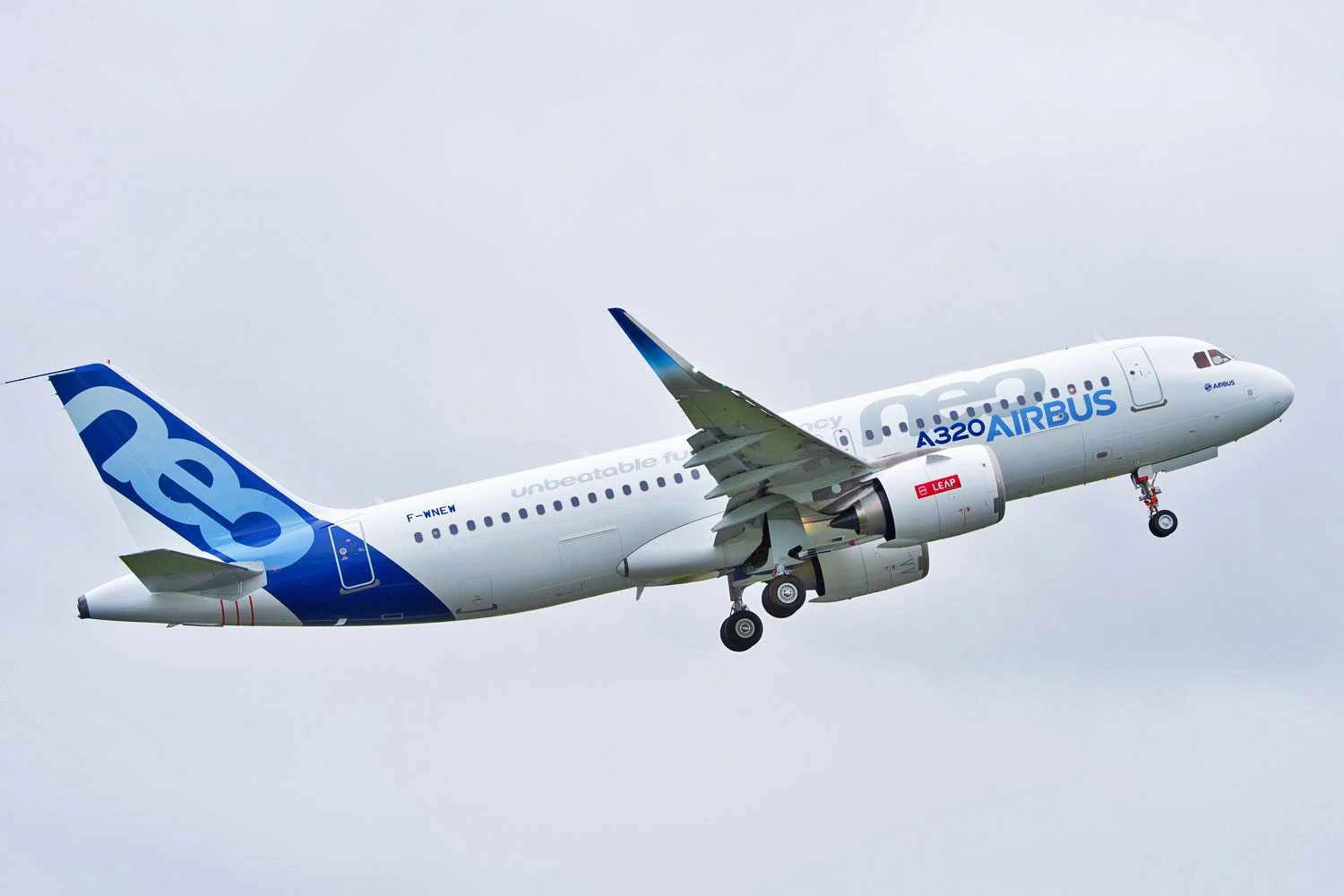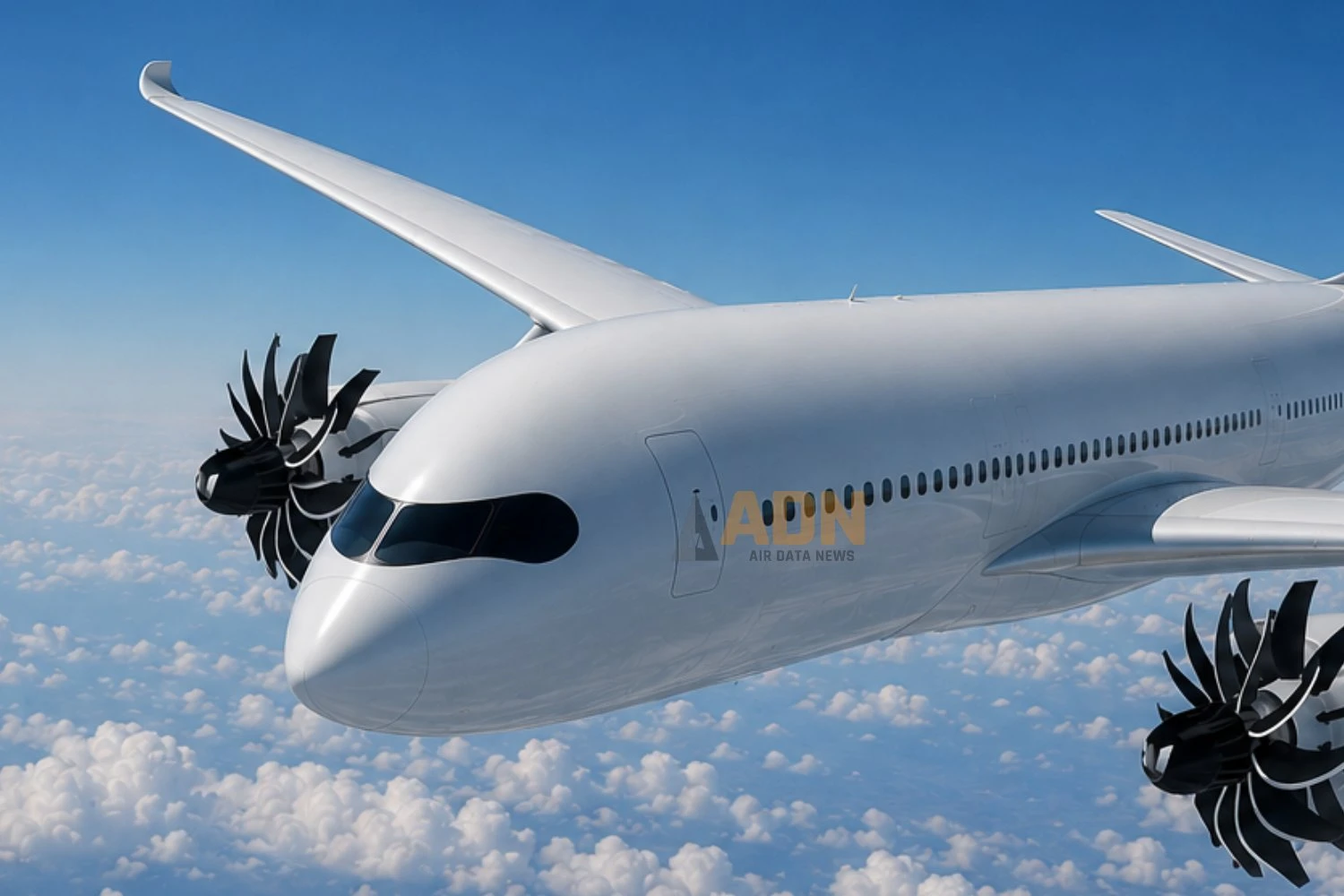
Airbus is holding to its plan to launch a successor to the A320 family in 2030, giving the European manufacturer a clearer timetable for its next single-aisle aircraft after stepping back from earlier ambitions for a hydrogen-powered jet.
In an interview with Aviation Week, Airbus Chief Executive Guillaume Faury said the company is preparing the aircraft under an internal project known as eAction. The program is aimed at a launch decision in 2030, with entry into service planned for the second half of the 2030s.
The aircraft is not expected to be a radical break from today's narrowbodies. Faury has previously described the next Airbus single-aisle jet as an evolution rather than a revolution, a view that fits the current state of aircraft technology.
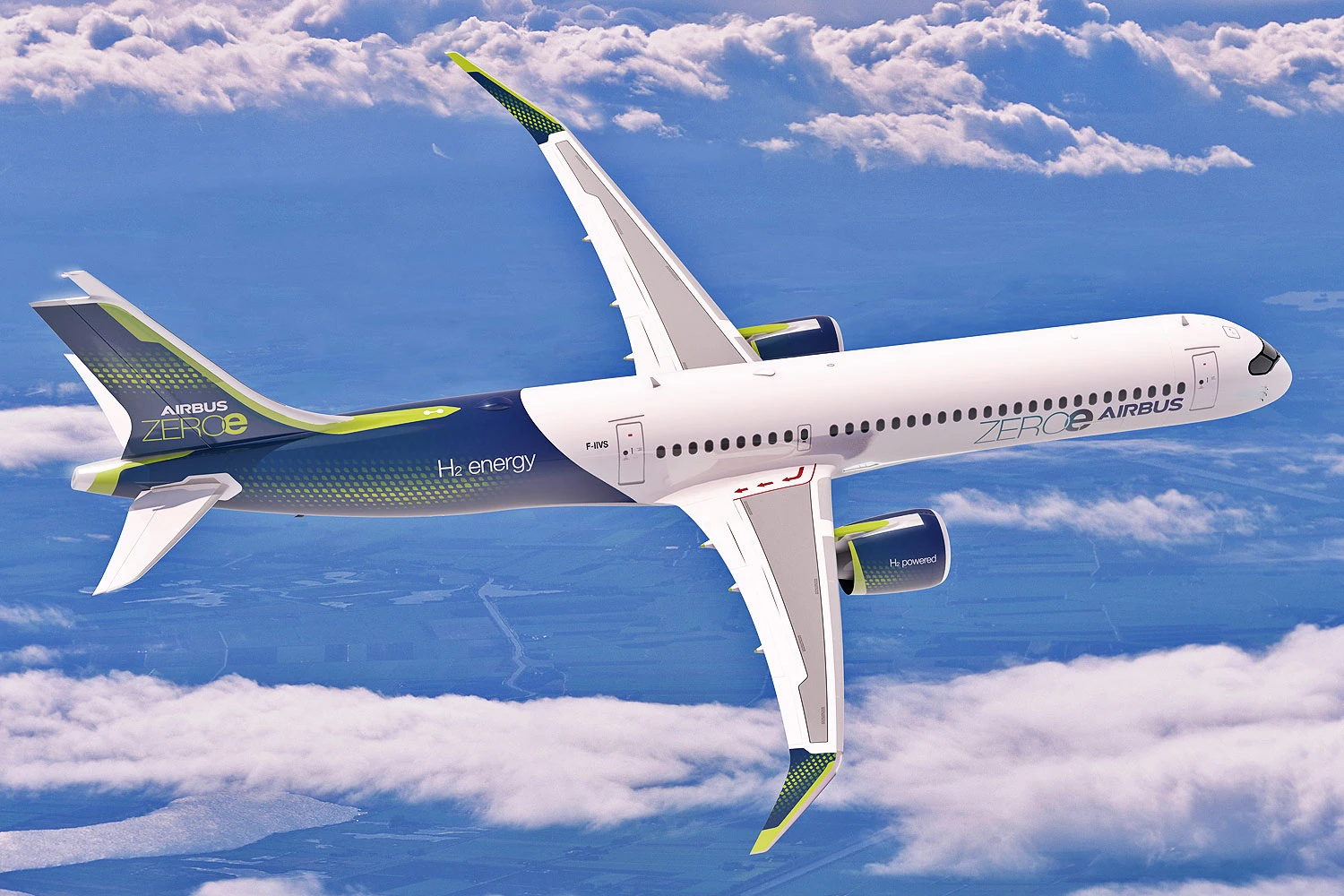
Airbus had spent years promoting hydrogen as a possible answer for future commercial aircraft, but the company has since delayed that plan. The problem is not only the aircraft. Hydrogen would require new airport infrastructure, large volumes of low-carbon fuel and government action to change how aviation is supplied on the ground.
Related news
September 17, 2026
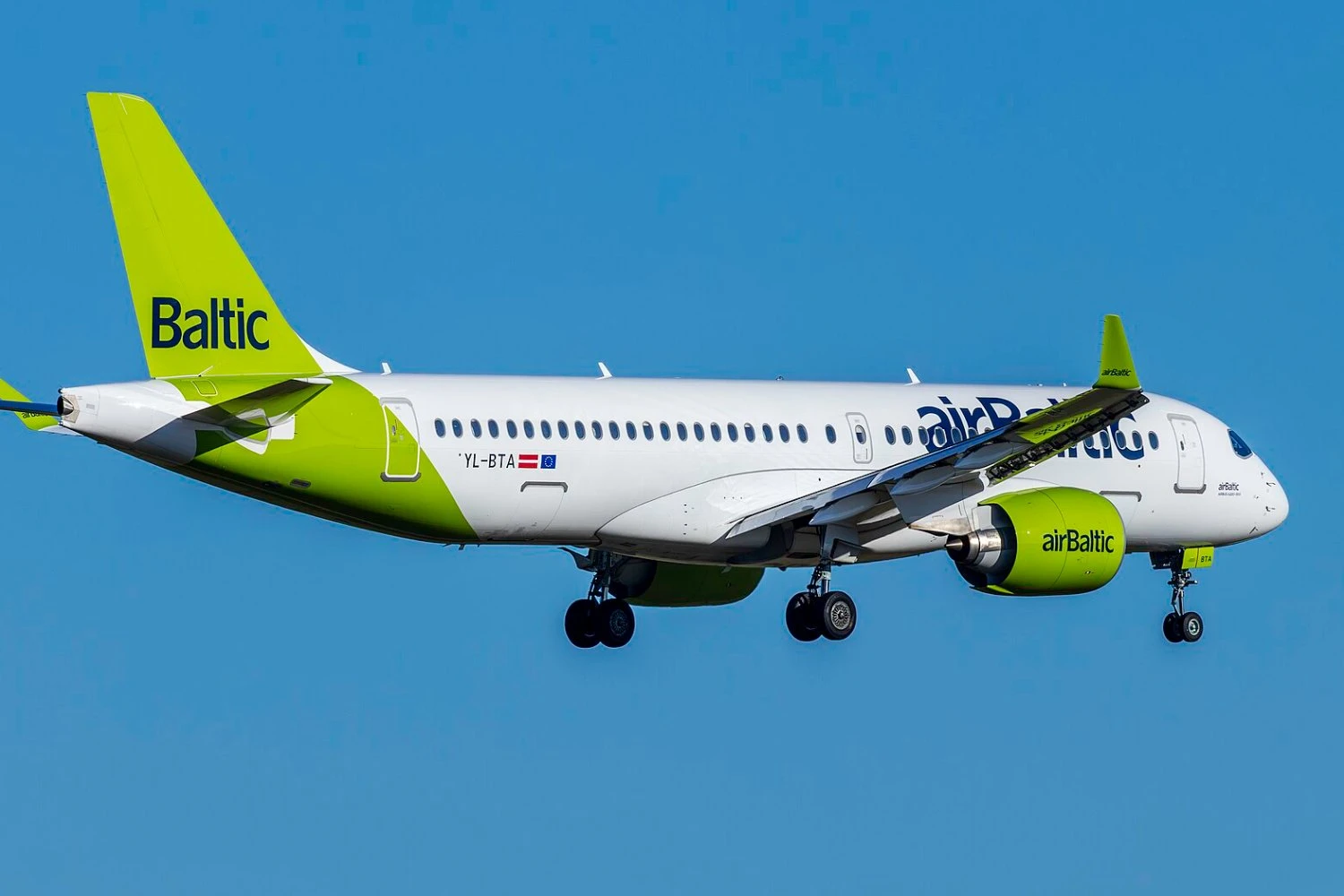
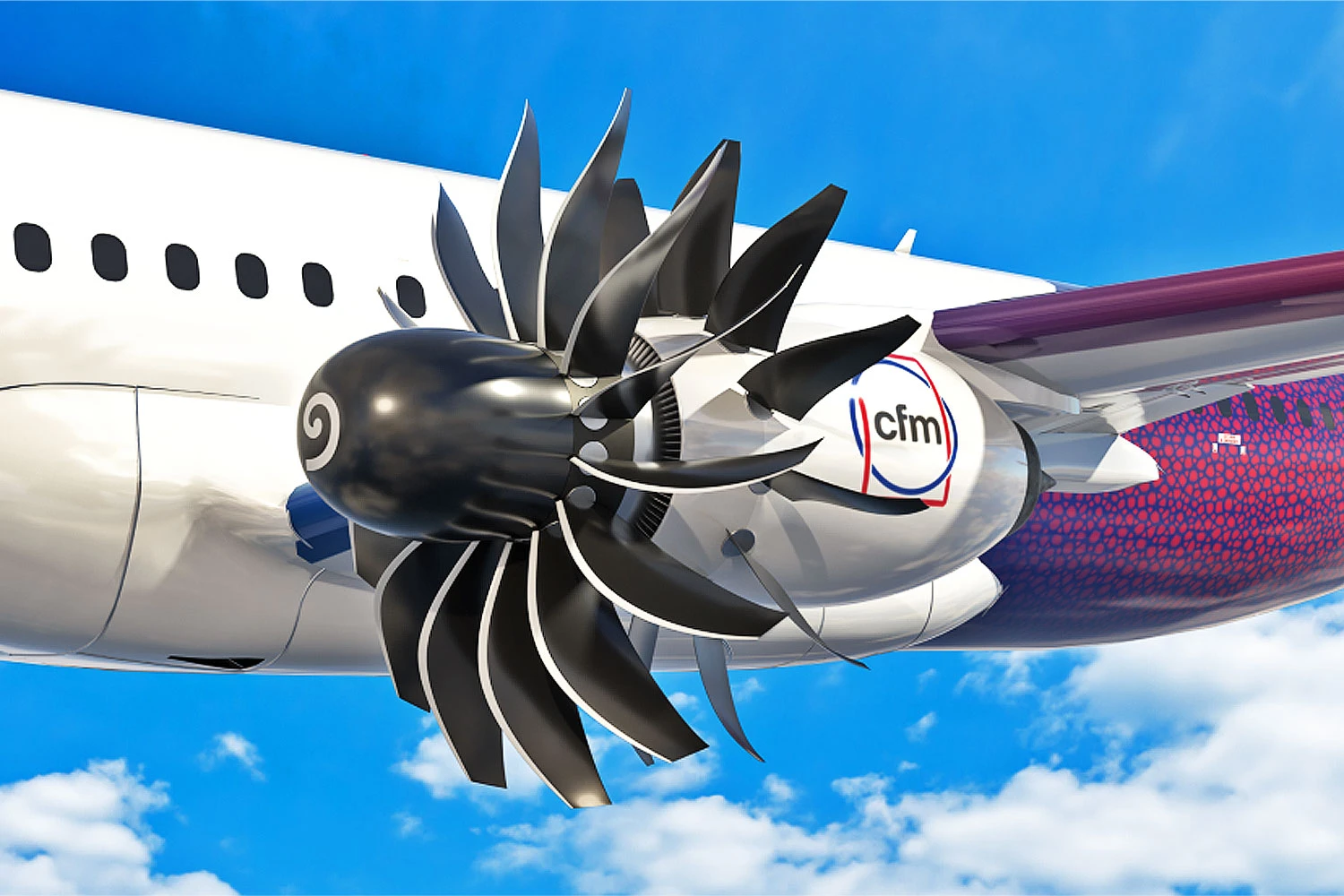
That leaves Airbus looking at more conventional but still demanding technologies for the next A320 successor. One of the main candidates is CFM International's RISE open-fan demonstrator, which aims to deliver a major fuel-burn reduction compared with current engines.
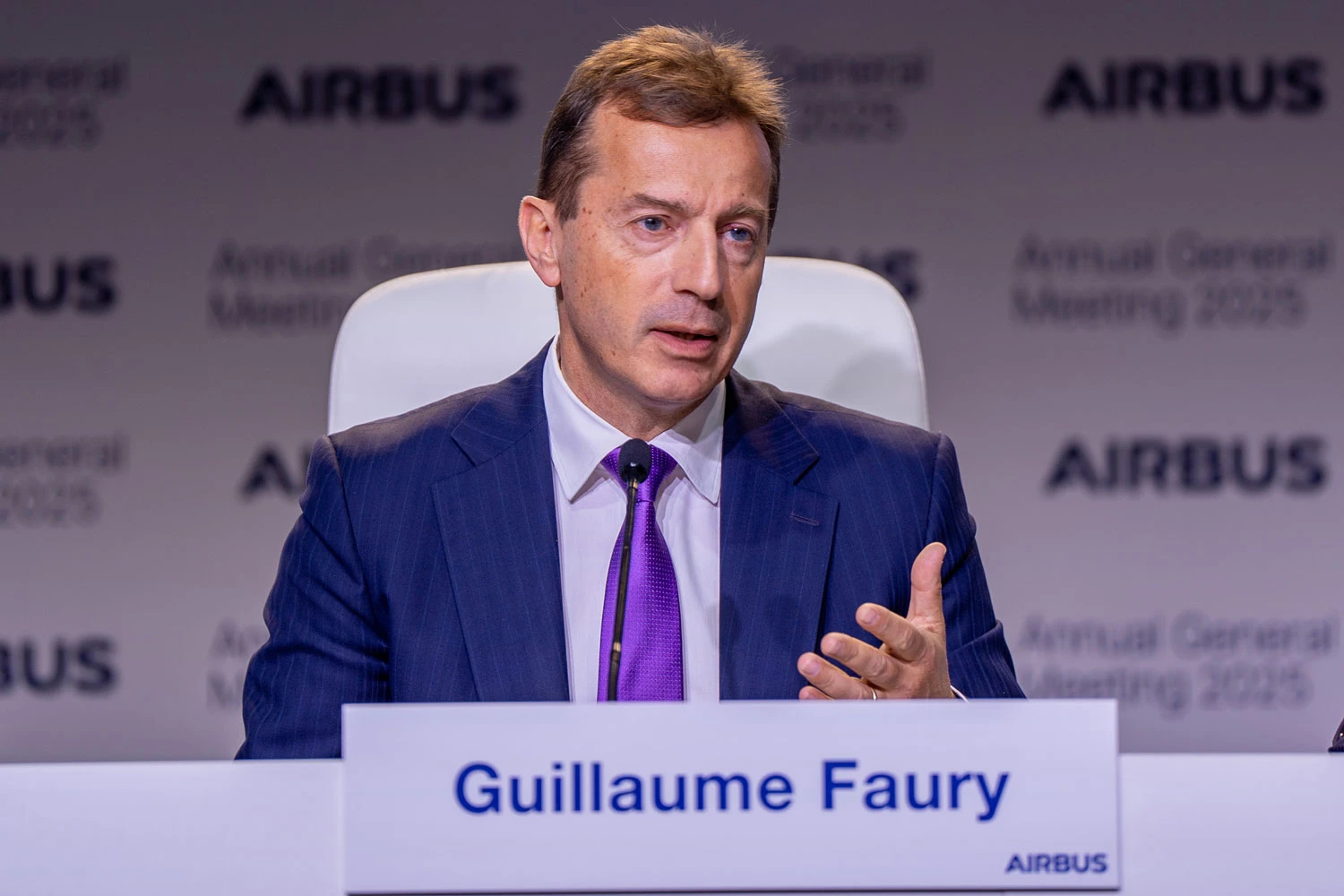
Faury said Airbus is reviewing options for the wing, fuselage, propulsion system and production system. The company has not decided whether the aircraft will be offered with one engine supplier or two. Airbus would prefer two choices, but Faury said a single supplier could be acceptable if the performance and risk balance made sense.
That would be a major change for the A320 line, which has long been offered with competing engine options. The A320neo is available with CFM Leap-1A or Pratt & Whitney PW1100G engines, a choice that helped Airbus sell the aircraft to airlines with different fleet and maintenance strategies.
The decision will depend partly on which propulsion technology is ready in time. If only one engine maker can meet the required performance target at launch, Airbus may decide that waiting for a second option would weaken the aircraft.
Airbus is also studying how quickly it should ramp up production. Faury said the current A320 backlog is likely to remain strong when the new aircraft enters service, meaning both types will be built in parallel for some time.
Follow Air Data News: WhatsApp | Google News | Instagram | LinkedIn | Twitter | Facebook
The company does not want to move too slowly, but it also does not want to flood the market with early aircraft that may later need modifications. A new production system is likely, and Airbus could use facilities outside Toulouse and Hamburg, including sites in the United States or China.
The timing matters because Boeing is not expected to move at the same pace. Boeing CEO Kelly Ortberg has indicated that a new single-aisle program may come later, partly because demand for the 737 MAX remains strong.
Faury's answer to that was blunt. Airbus does not want to wait for Boeing. It wants suppliers, engineering resources and investment to align around its own timetable.
Recent news
September 21, 2026
September 21, 2026
September 21, 2026
The next A320 will therefore be shaped by a narrower set of choices than Airbus imagined a few years ago. Hydrogen has moved further into the future. Open-fan engines remain promising but unproven in airline service. Airlines still want lower fuel burn, lower emissions and aircraft they can receive in large numbers.
For Airbus, the immediate task is to turn those limits into a product that can replace one of the most successful aircraft families in commercial aviation without waiting for a technological breakthrough that may not arrive in time.