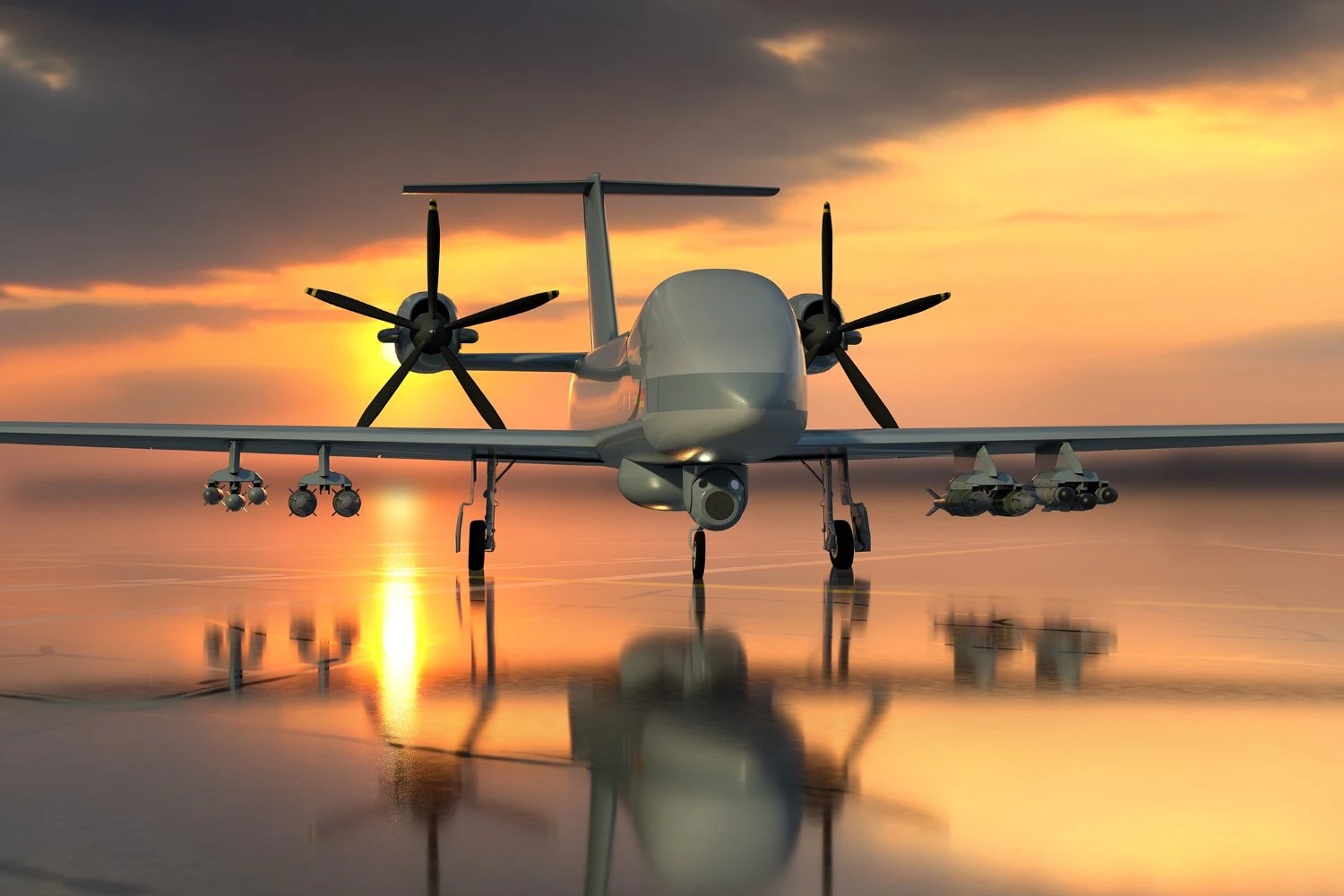
Airbus and Kawasaki Heavy Industries have signed a memorandum of understanding to study the development of a maritime version of the Eurodrone tailored to Japan's anti-submarine warfare requirements.
The agreement calls for both companies to evaluate possible configurations for the unmanned aircraft, including the integration of Japanese sensors, mission systems and weapons. The study will also examine opportunities for local industrial participation in production and long-term support.
Japan has participated in the Eurodrone program as an observer since 2023 but has not committed to acquiring the aircraft.
Airbus says the Eurodrone could complement Japan's existing fleet of crewed maritime patrol aircraft by providing long-endurance surveillance missions over large maritime areas. The company also envisions equipping the aircraft with sonobuoys and lightweight torpedoes for anti-submarine operations.
Related news
September 17, 2026
The discussions also cover how Japan could operate and support the aircraft domestically if it decides to procure the platform in the future.
The Eurodrone is being developed by Germany, France, Italy and Spain under the management of the Organisation for Joint Armament Cooperation (OCCAR). The twin-engine remotely piloted aircraft is scheduled to make its first flight in 2029.
Follow Air Data News: WhatsApp | Google News | Instagram | LinkedIn | Twitter | Facebook
Designed for intelligence, surveillance and reconnaissance missions, the aircraft can remain airborne for up to 40 hours while carrying payloads of up to 2.3 tonnes. Airbus is also studying additional missions for the platform, including maritime patrol and anti-submarine warfare, as it seeks export customers beyond the four partner nations.