The U.S. Federal Aviation Administration (FAA) has proposed a extensive update to its aircraft certification rules that would bring them closer to European standards, a move intended to shorten approval times for new commercial aircraft without changing safety requirements.
The proposal would align several airworthiness standards with those used by the European Union Aviation Safety Agency (EASA), reducing the number of special conditions, exemptions and other case-by-case findings often required during certification.
Related news
September 17, 2026

September 03, 2026

According to the FAA, manufacturers would benefit from a more consistent certification process on both sides of the Atlantic, lowering costs and reducing the amount of engineering work needed to demonstrate compliance with different sets of regulations.
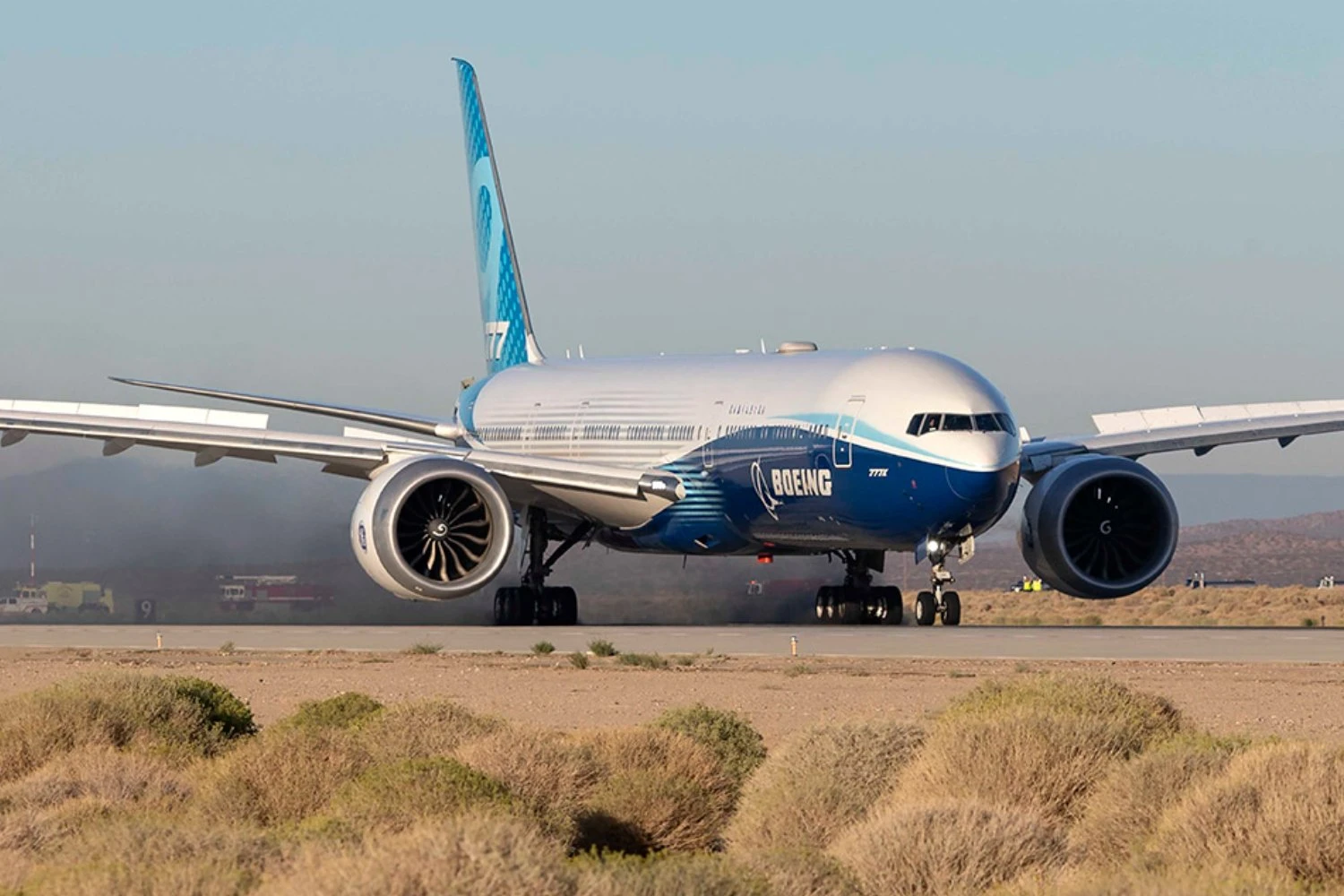
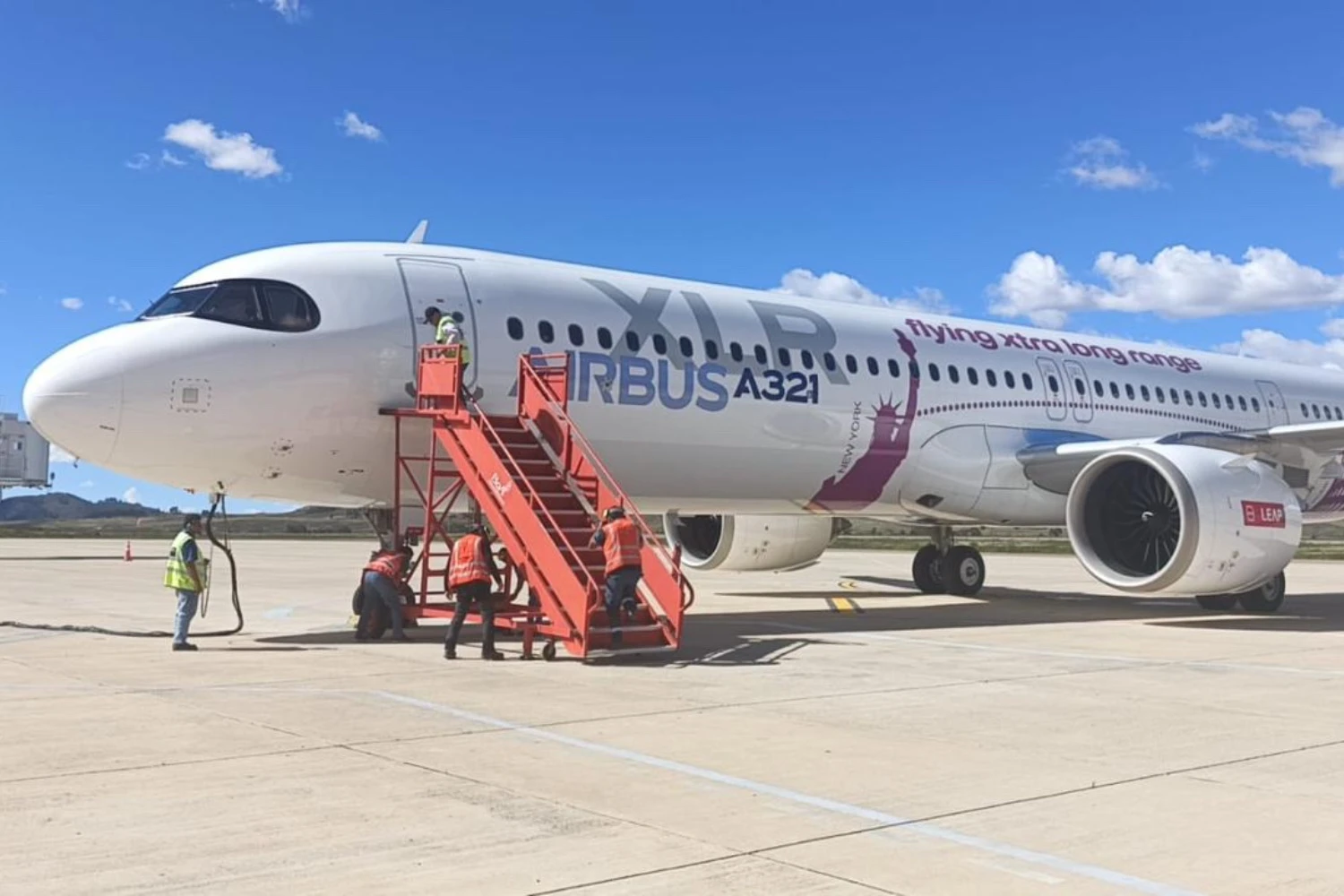
The proposal could benefit manufacturers including Boeing, Airbus, Embraer and Bombardier, whose aircraft are routinely certified by both agencies before entering service with airlines around the world.
Certifying a new commercial aircraft typically takes several years and involves extensive ground and flight testing, along with thousands of technical documents reviewed by regulators. Differences between FAA and EASA requirements can add time and complexity to those programs.
Follow Air Data News: WhatsApp | Google News | Instagram | LinkedIn | Twitter | Facebook
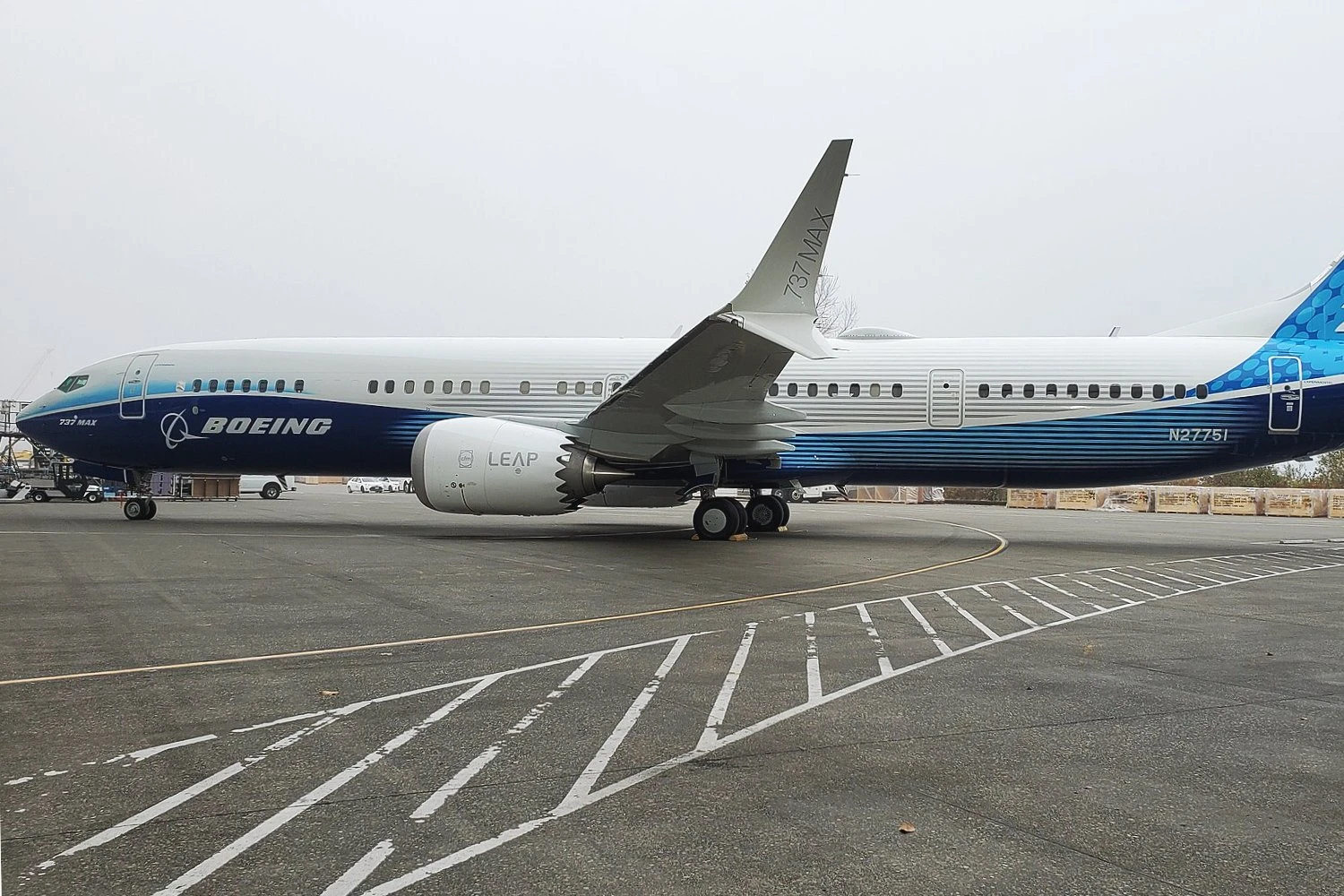
The proposal also comes as both agencies work toward the certification of Boeing’s delayed 737 MAX 7 and MAX 10 variants. FAA Deputy Administrator Chris Rocheleau recently said the agency is in the final stages of certifying both aircraft, while EASA has identified validation of the MAX 10 as one of its priorities.
The FAA said the proposed rule would maintain or improve current safety standards while modernizing certification requirements. The agency will collect public comments before issuing a final decision.