
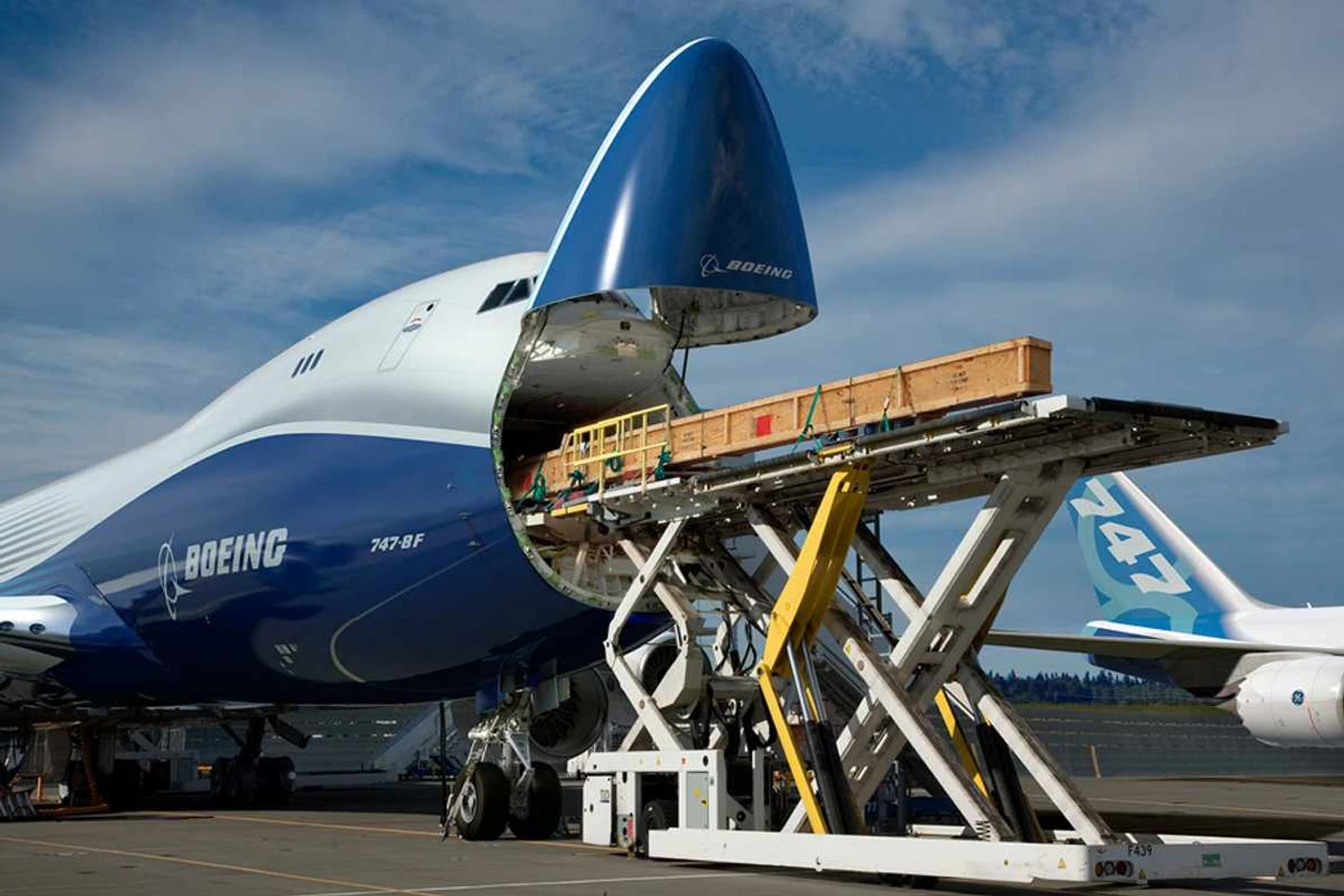
The US Federal Aviation Administration (FAA) has issued a new Airworthiness Directive (AD) affecting certain Boeing 747-8F freighters after cracks were found in structural components of the fuselage. The rule becomes effective on August 6.
The directive applies only to a specific group of 747-8F aircraft identified by Boeing in Alert Requirements Bulletin 747-53A2907. According to the FAA, 11 aircraft on the US registry are affected.
Recent news

September 21, 2026
September 21, 2026
September 21, 2026
The FAA said operators must inspect stringers and splice fittings at several fuselage locations. Technicians will first verify whether radius fillers are installed at specific fastener locations before inspecting the surrounding structure for cracks. Any damage discovered must be repaired using an FAA-approved method before the aircraft returns to service.
According to the agency, the directive was prompted by reports of cracks in stringers and splice fittings at multiple body stations. If left uncorrected, the damage could prevent part of the fuselage structure from carrying its certified design loads, compromising the aircraft's structural integrity.
The inspections must be completed within the compliance intervals established in Boeing's service bulletin, which vary according to each aircraft's configuration and utilization. The FAA incorporated those technical requirements directly into the new directive.
The 747-8F is the cargo version of the final generation of the iconic Boeing 747 family. Boeing ended production of the "Jumbo Jet" in 2023 after delivering the last aircraft to Atlas Air, leaving the freighter as the dominant variant in airline service.
Follow Air Data News: WhatsApp | Instagram | LinkedIn | Twitter | Facebook
The new directive does not include the passenger version, the 747-8 Intercontinental. The FAA's applicability section limits the action to Group 3 aircraft identified in Boeing's service bulletin, indicating that the reported cracking concerns a specific structural configuration found on certain freighters rather than the entire 747-8 family. The agency did not identify similar findings on the passenger model in the directive.