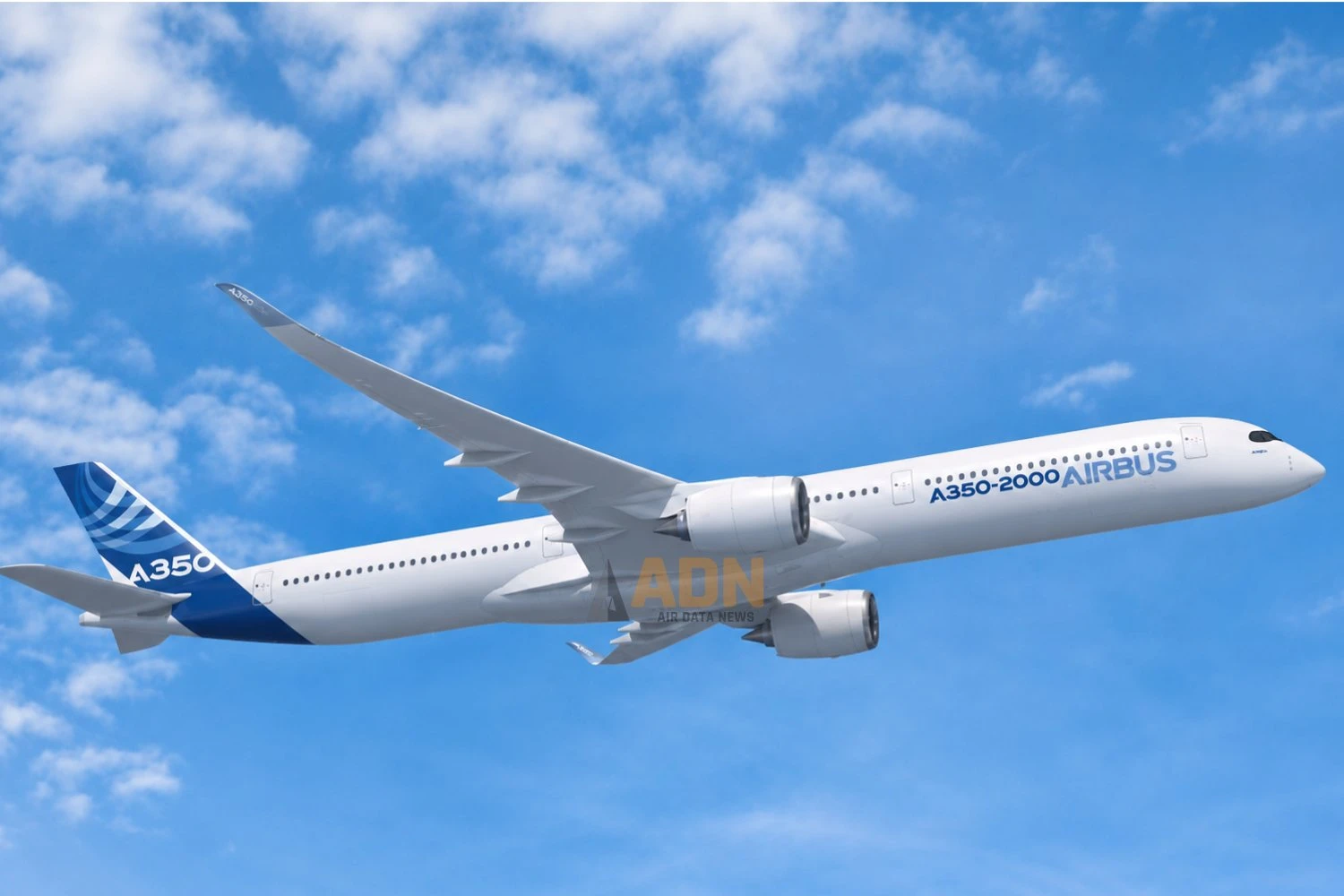
Airbus expects to make strategic decisions in 2027 on stretched versions of the A220 and A350, potentially clearing the way for two long-discussed additions to its commercial aircraft portfolio.
Lars Wagner, CEO of Airbus Commercial Aircraft, included the two projects among the manufacturer's priorities for next year during a meeting with members of the French Association of Professional Aeronautics and Space Journalists (AJPAE) on November 18.
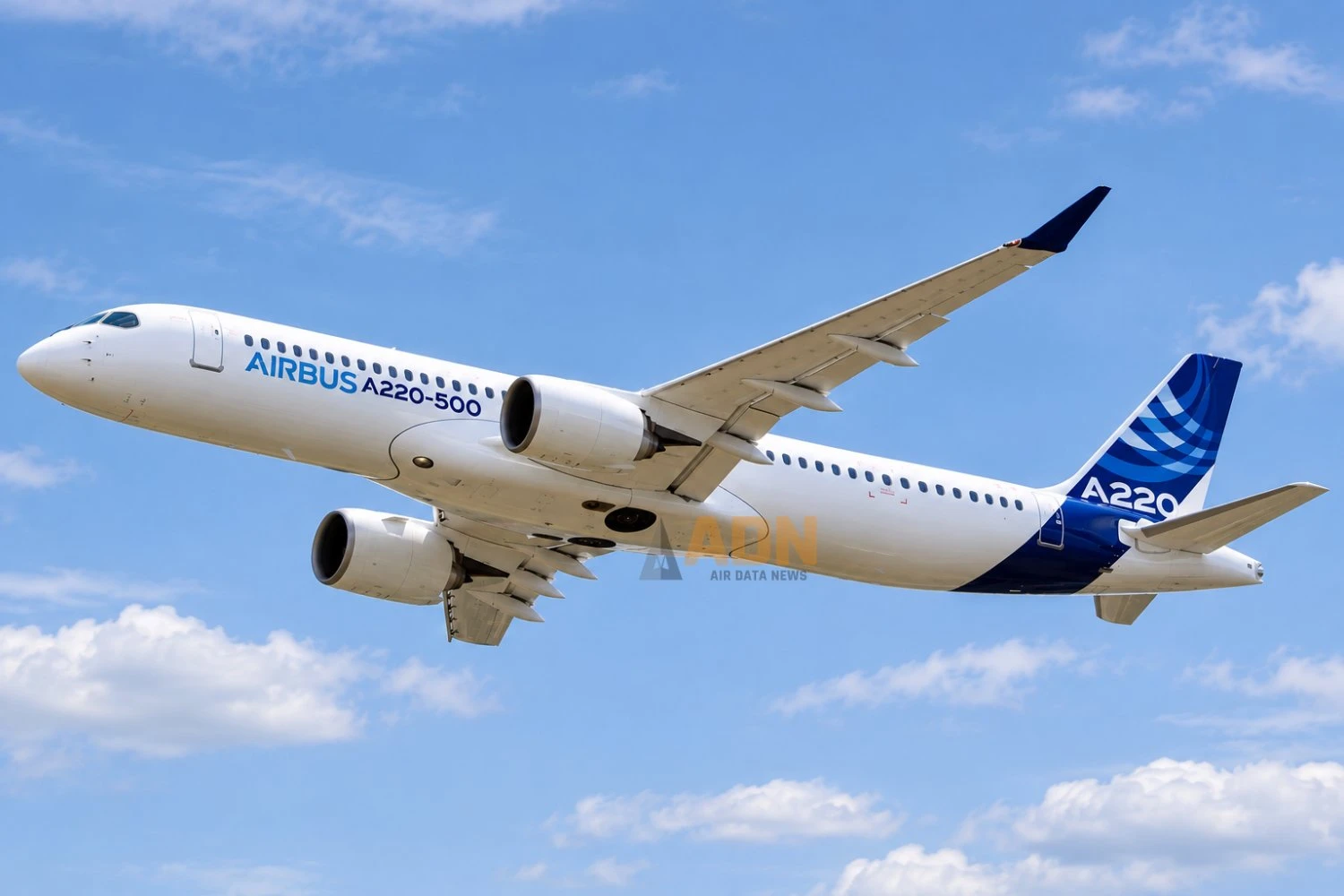
The proposed aircraft are commonly referred to as the -500 and -2000, although neither designation has been formally adopted by Airbus. Both remain in the pre-launch phase, with no final decision to proceed.
Speaking to French newspaper La Dépêche, Wagner said Airbus would continue increasing production rates, improving quality and working on new technologies in 2027. He then said the company would make strategic decisions concerning possible extensions of the two families.
Follow Air Data News: WhatsApp | Instagram | LinkedIn | Twitter | Facebook
The comments provide a clearer timeframe for two programs Airbus has been gradually moving closer to launching. CEO Guillaume Faury said as recently as October 28 that both remained under analysis, with Airbus discussing configurations with customers and assessing suppliers, engines and their respective business cases.
More passengers on the smaller jet
Airbus has already taken one step toward extracting more capacity from the existing -300 variant. AirAsia ordered 150 aircraft in May and will be the launch customer for a new 160-seat high-density configuration, 10 seats above the previous maximum.
The layout requires an additional overwing exit on each side and was still awaiting certification in Airbus documentation published in June.
A stretched version would represent the next and much larger step. AirAsia itself has pointed to the prospective -500 as a future replacement for its older A320s, with capacity above 180 seats.
As Air Data News reported in June, Airbus has been evaluating how far it should go with such an aircraft. The simplest solution would retain much of the existing aircraft and accept some loss of range and performance in exchange for more seats, lower development costs and an earlier entry into service.
A more ambitious design could preserve more of the -300's capabilities by incorporating aerodynamic and wing changes, additional fuel capacity and potentially more engine power. That would produce a more capable aircraft but substantially increase the cost and complexity of the program.
Recent news
November 20, 2026
The decision also involves positioning the aircraft within Airbus' own portfolio. A larger member would move closer to the A320neo in passenger capacity, creating some overlap between the two families.
Larger widebody would take on the 777X
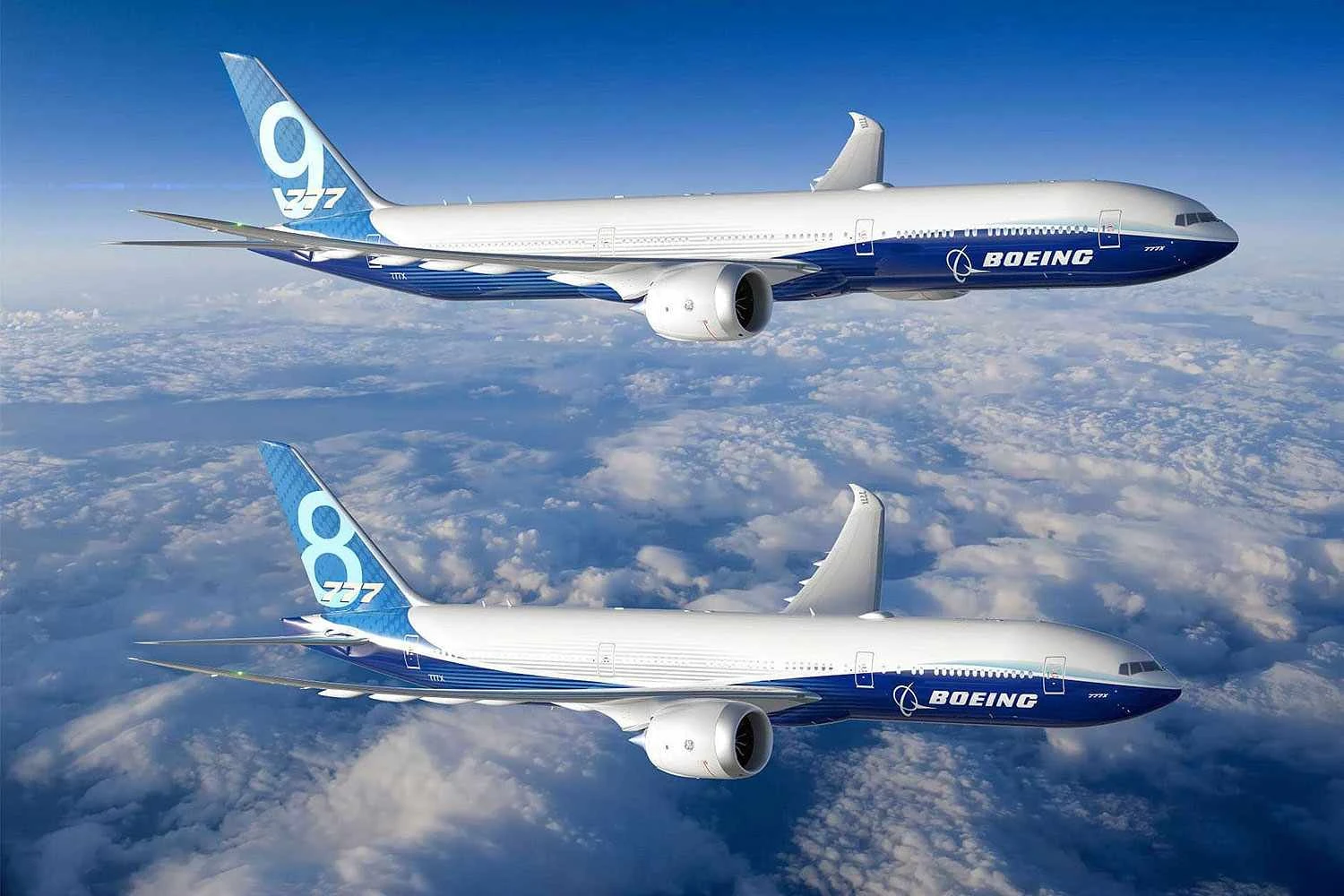
At the other end of the Airbus portfolio, the potential -2000 addresses a very different competitive problem: Boeing's 777X.
The stretched widebody would sit above the -1000 and give Airbus a direct competitor to the 777-9 in the market for the largest twin-engine passenger aircraft. The proposed aircraft is expected to accommodate more than 400 passengers in some configurations, allowing Airbus to return to a capacity segment it largely left to Boeing after ending A380 production.
The timing is particularly significant because the 777X program has suffered years of delays. Boeing originally expected the 777-9 to enter service in 2020, but the first delivery has slipped into 2027, giving Airbus time to evaluate whether a stretch could challenge an aircraft conceived more than a decade earlier.
Related news
The larger variant would nevertheless require more than simply inserting additional fuselage sections into the -1000. Engine performance is one of the central questions Airbus is studying before deciding whether to launch the aircraft.
Rolls-Royce currently has an exclusive position on the widebody family with the Trent XWB. Airbus has been discussing propulsion requirements for the larger variant, and Wagner declined in October to guarantee that the existing exclusive arrangement would continue. Engine choice would influence the aircraft's size, range, performance and development timetable.
Faury said in October that Airbus was working with engine manufacturers, other suppliers and customers to determine what the aircraft should look like and whether there was a viable business case. Air Data News reported at the time that both stretches were moving closer to a decision, although Airbus stressed that the work represented pre-launch analysis rather than approved programs.
More production capacity is needed
The product decision comes as Airbus faces a separate problem with the existing widebody family: it is running out of room to increase production.
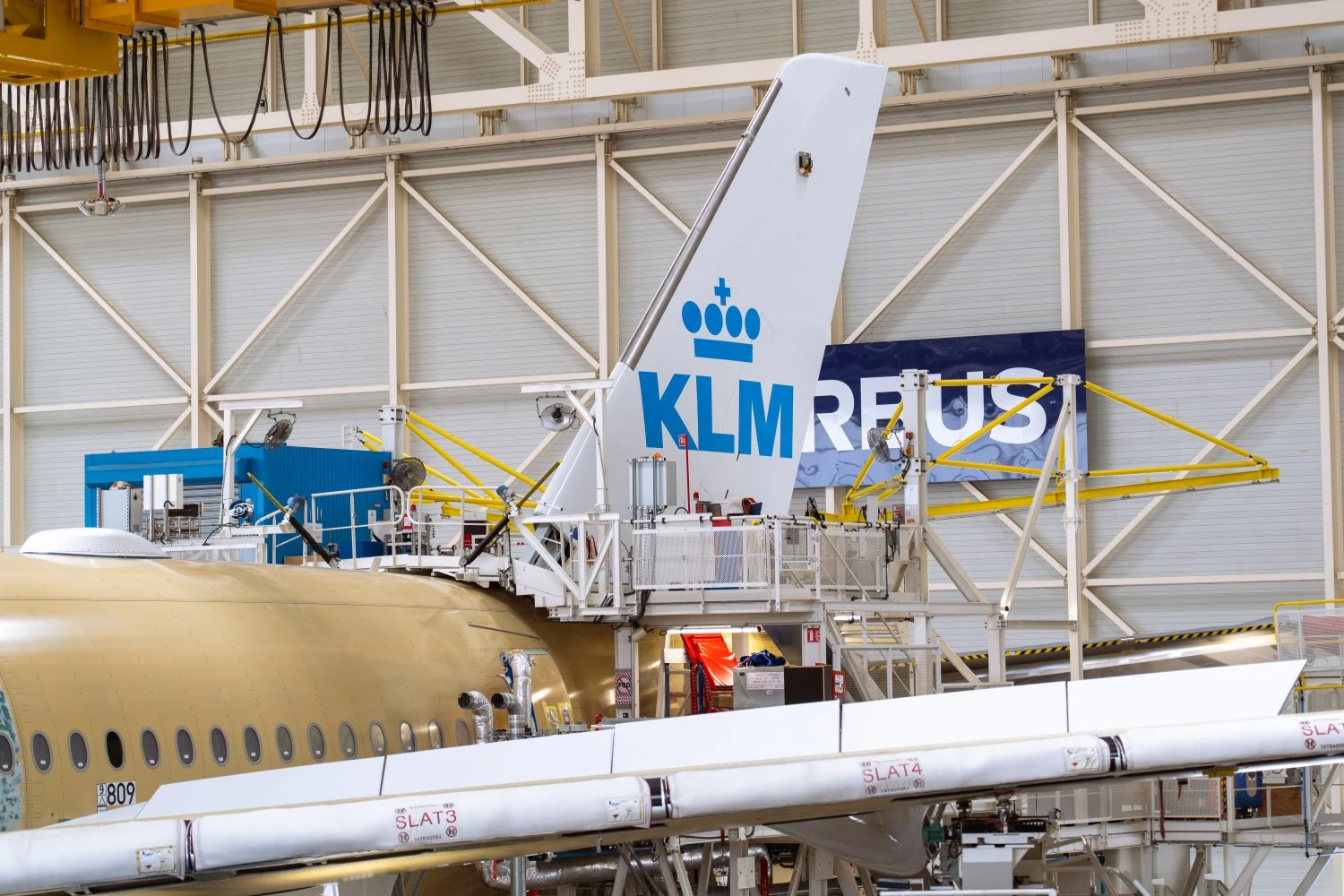
Airbus currently operates a single final assembly line for the type in Toulouse. Wagner said this week that the industrial system has a maximum capacity of around 12 aircraft per month and that Airbus intends to move beyond that level because market demand justifies higher output.
The manufacturer is therefore studying a second final assembly line, including where it should be located and how the additional industrial capacity should be organized. Wagner denied reports that Airbus had already selected Toulouse, saying no location decision has been made.
The situation contrasts with the industrial choices Airbus made after ending A380 production. The enormous Jean-Luc Lagardère building in Toulouse was not converted to expand widebody assembly. Instead, Airbus used the available space to increase production of its best-selling A320neo family.
A first A320-family final assembly line opened inside the former A380 building in 2023, followed by a second in June 2026. The 1.31-million-sq.-ft. (122,000-m²) central hangar now houses both lines, which form part of a global network of 10 A320-family final assembly lines.
Airbus now expects to reach 70-75 A320-family aircraft per month by the end of 2027 and stabilize production at 75. For the larger widebody family, however, moving beyond the current industrial limit will require the manufacturer to create additional final assembly capacity as it simultaneously decides whether that family will gain its largest member yet.

Report an error