
NASA has unveiled the X-70 Fractal, a new crewed experimental aircraft designed as a reusable and rapidly reconfigurable platform for flight research.
The X-70 will primarily be used to test advanced flight-control technologies and explore aircraft maneuverability in conditions that NASA says have not previously been demonstrated in crewed flight. Its modular design will also allow researchers to change experiments without developing a dedicated aircraft for each program.
The aircraft will be able to carry up to 2,000 lb (907 kg) of experimental equipment in internal and external locations. NASA says payloads can be rapidly swapped, allowing the X-70 to move between different research programs.
With a takeoff weight of 10,000 lb (4,536 kg), the Fractal is designed to cruise at Mach 0.75, reach 45,000 ft (13,700 m) and fly more than 1,500 nm (2,778 km).
Follow Air Data News: WhatsApp | Instagram | LinkedIn | Twitter | Facebook
The X-70 therefore differs from experimental aircraft developed around a single major objective. Rather than pursuing a speed record or demonstrating one specific configuration, it is intended to provide NASA with a flexible flying laboratory that can support successive experiments.

NASA has not disclosed who is developing the X-70 or how far the program has progressed. Isaacman said the agency expects the aircraft to make its first flight “under the NASA banner” within two years, wording that leaves unclear whether the Fractal will have flown before entering NASA operations.
What about the hypersonic aircraft?
The X-70's relatively conventional performance leaves unanswered a different mystery surrounding NASA's renewed X-plane program: an unidentified high-speed aircraft teased by Isaacman earlier this year.
In September, Isaacman presented NASA's plans to rebuild its X-plane portfolio using an image of an unidentified black aircraft with a configuration reminiscent of the SR-71 Blackbird. NASA did not identify the design or confirm that it represented an actual aircraft under development.
Related news
October 12, 2026
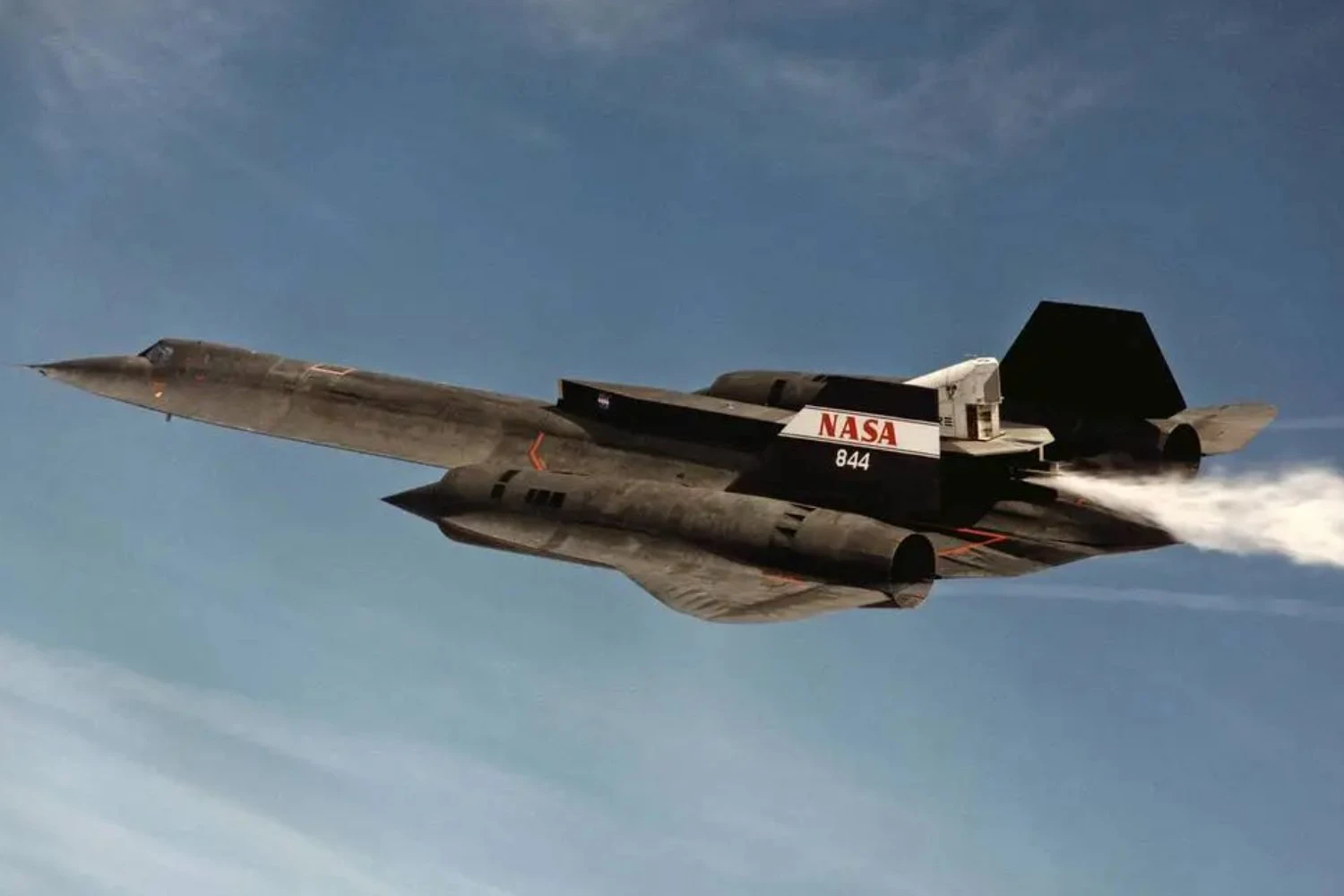
The association with a new high-speed aircraft was not based on the image alone. During the presentation, Isaacman said NASA would soon return to flying as high and fast as it had decades ago, “and then even more.” When directly asked about the Blackbird-like silhouette, he declined to identify it and instead said NASA was getting back into high- and fast-flight research.
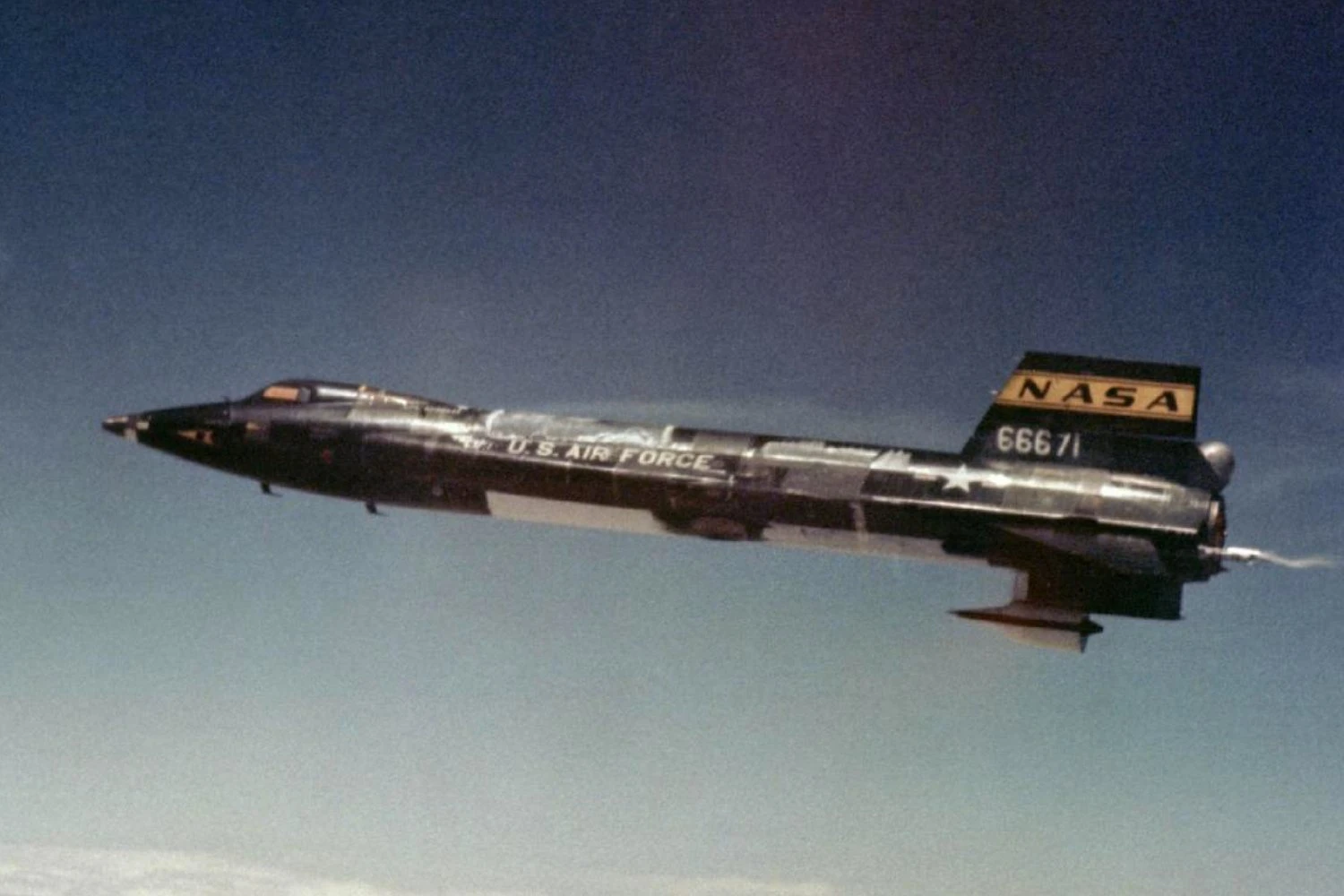
The X-70 clearly does not fit that description. With a Mach 0.75 cruise speed and 45,000-ft ceiling, it will operate far below the performance of aircraft such as the X-15 and SR-71 that formed part of NASA's earlier high-speed research programs.
Isaacman had already indicated that the Fractal would not resolve the mystery. Days before its unveiling, he said NASA would announce a new X-plane but added that it was “not the one you're thinking about,” while again declining to explain what the agency is doing with its former SR-71A, NASA 844.