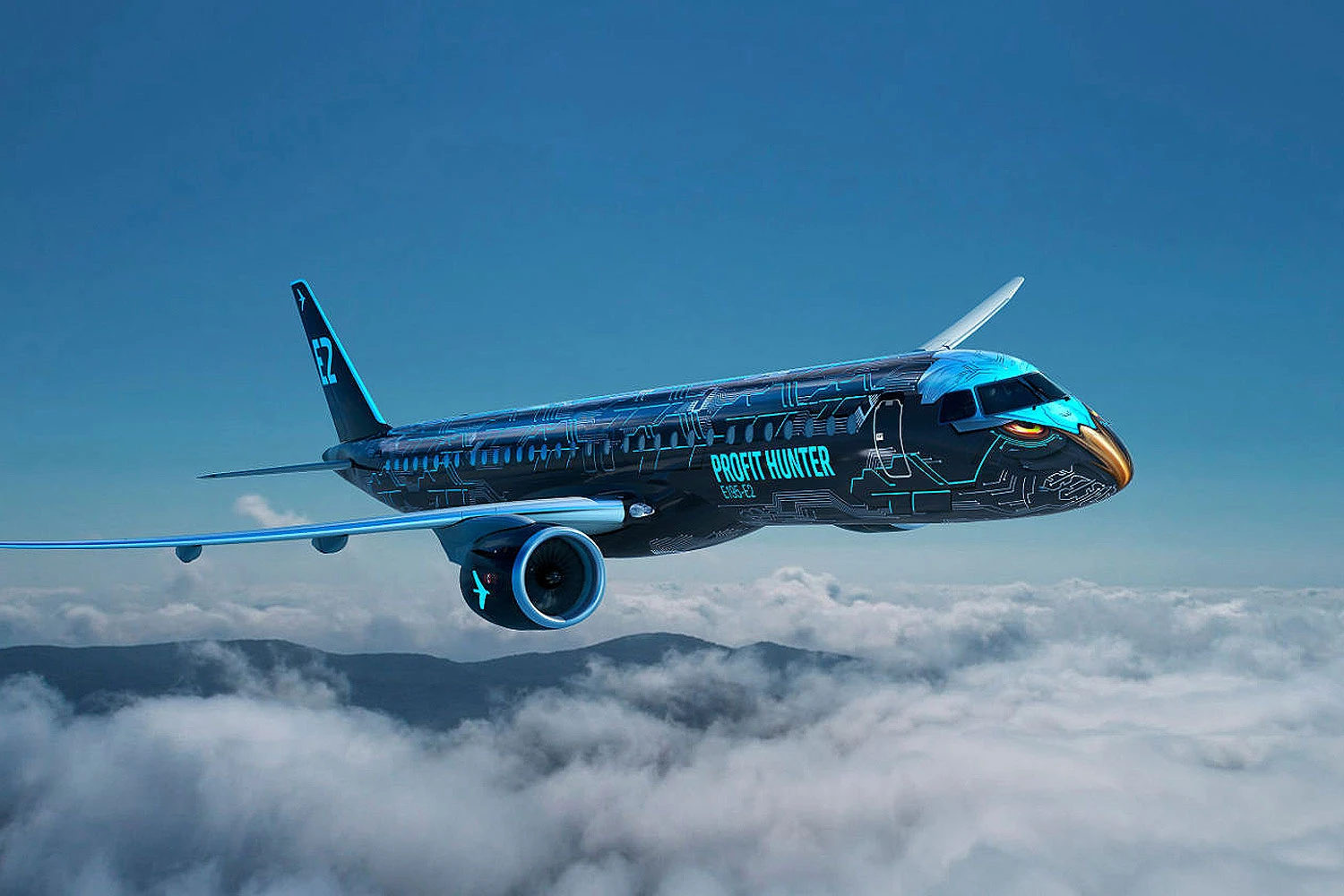
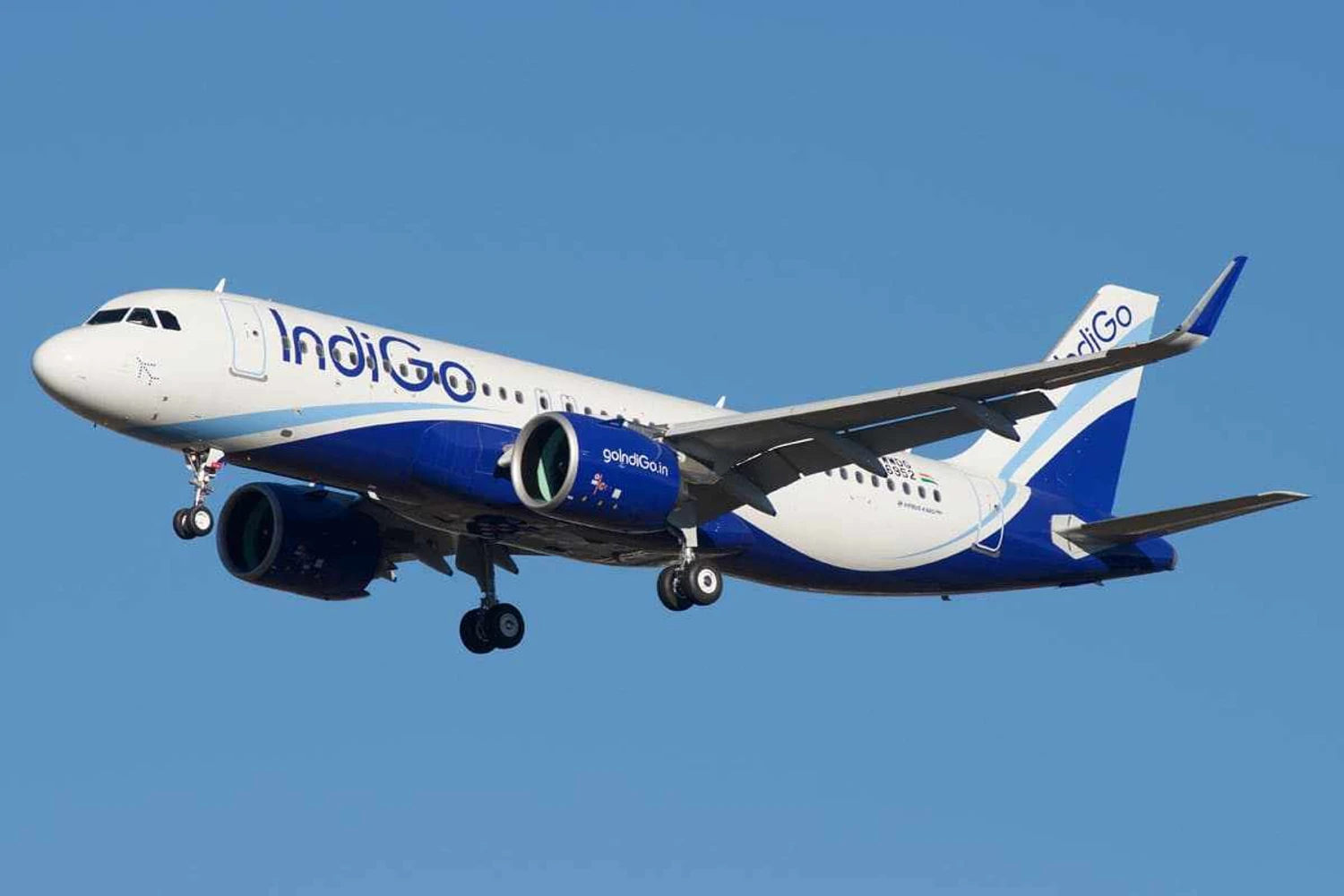
IndiGo is in talks with Embraer for a potential order for 100 regional jets plus options for around 50 more, Reuters reported on Wednesday, a deal that could finally give the Brazilian manufacturer the major commercial breakthrough it has pursued for years in India.
Three people with direct knowledge of the negotiations told the news agency that discussions remain at an early stage and there is no guarantee that an agreement will be reached. The aircraft type has also not been finalized and the number under consideration could still change.
Follow Air Data News: WhatsApp | Instagram | LinkedIn | Twitter | Facebook
If a deal is concluded, deliveries would probably begin no earlier than 2030, according to two of the sources. Neither IndiGo nor Embraer immediately commented on the report.
An order for 100 aircraft alone would rank among the largest commercial deals in Embraer's history and would be particularly significant because of the customer involved. IndiGo is India's largest airline and operates more than 440 aircraft.
Long campaign to enter India's airline market
Embraer has spent the past several years trying to turn India's rapid air traffic growth into commercial aircraft sales, with limited results so far.
The manufacturer established a wholly owned subsidiary in India in 2025 and opened a corporate office in New Delhi as it increased its engagement with airlines, government officials and local aerospace companies.
In June 2025, Embraer disclosed that it was talking to both IndiGo and Air India about the E195-E2. The company argued that India's domestic market had a capacity gap between turboprops and the larger A320 and 737 families that dominate the country's airline fleets.
Related news
November 03, 2026
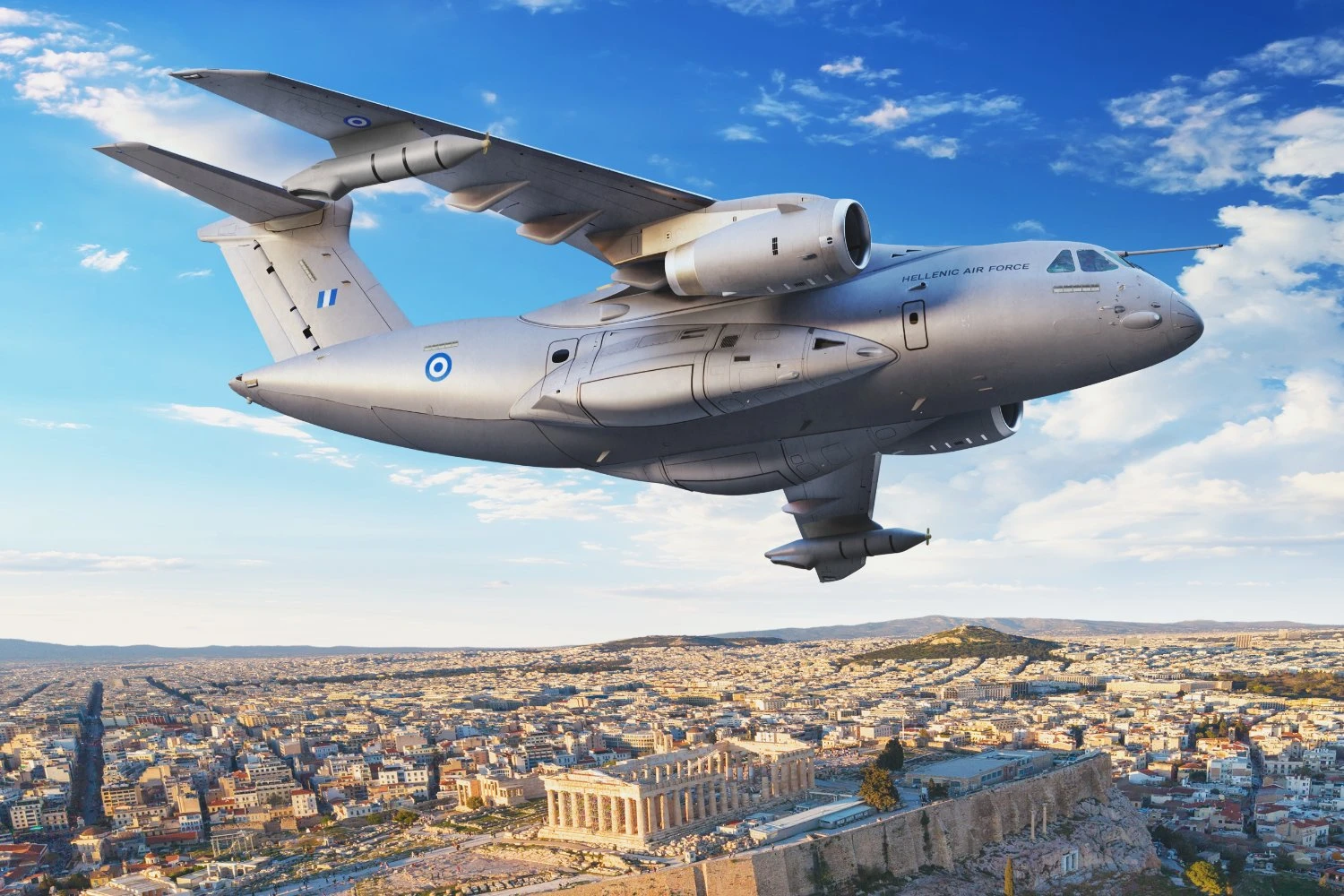
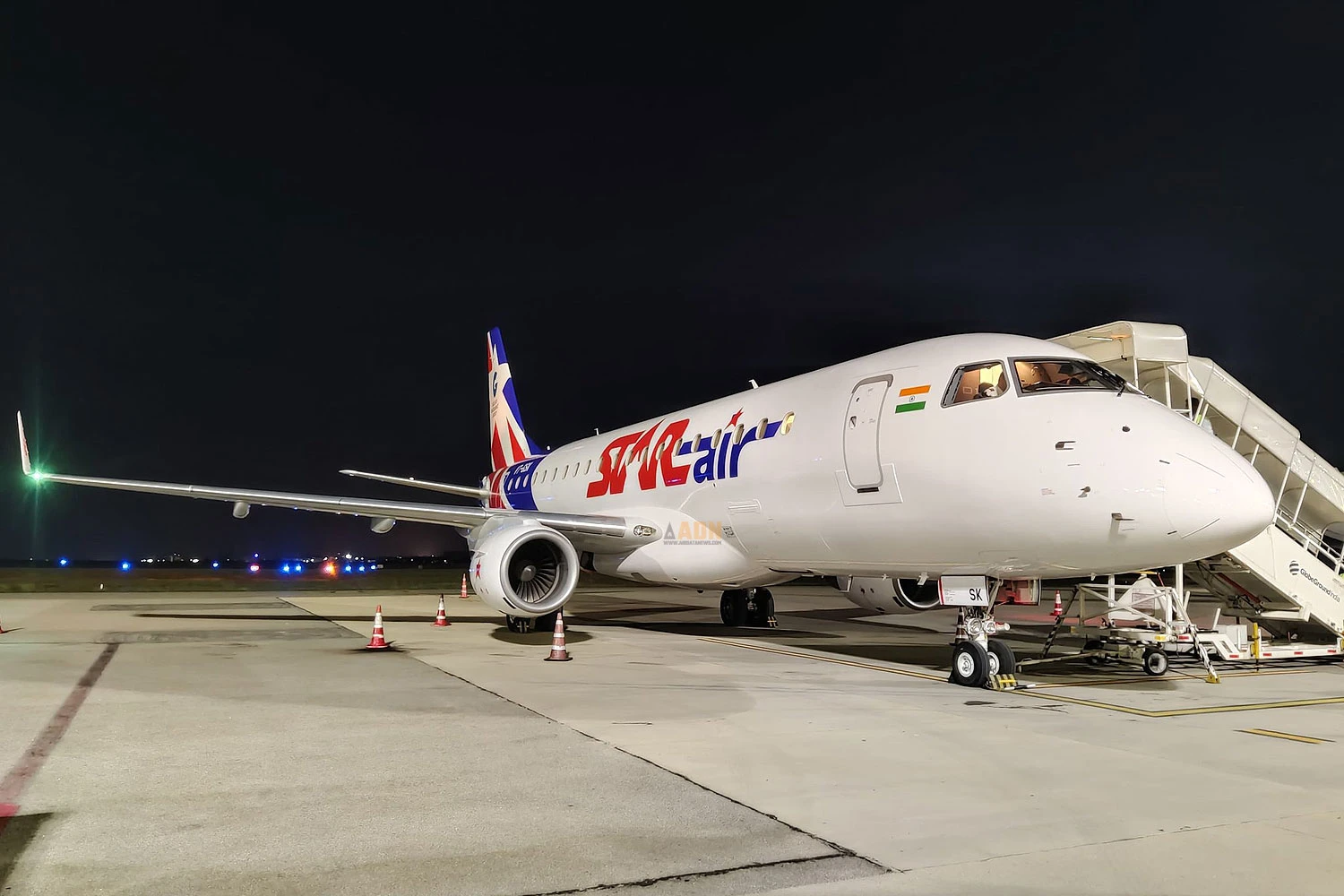
Yet no major Indian carrier ordered the E2. Star Air remains the only Indian commercial operator with Embraer jets, flying E175s and ERJ145s.
Embraer stepped up that campaign during Wings India in January 2026, bringing both an E195-E2 and an E175 to Hyderabad. The two aircraft illustrated different approaches to a market that the manufacturer estimates will require at least 500 jets with 80 to 146 seats over the next 20 years.
The effort expanded beyond aircraft sales. Embraer developed a local supply-chain team and began evaluating Indian suppliers as part of a wider strategy to establish a substantial industrial presence in the country.
200-aircraft challenge
That strategy took a much larger step this year when Embraer partnered with Adani Defence & Aerospace to study local commercial aircraft production.
The companies selected the E175 as the aircraft around which a potential Indian final assembly line would be developed. The proposal is tied to India's Regional Transport Aircraft program and its policy of increasing domestic aerospace manufacturing.
But Embraer CEO Francisco Gomes Neto set a high threshold for the project. He said the company would need orders for at least 200 aircraft before making the investment required for an Indian assembly line.
The potential IndiGo agreement does not necessarily solve that equation. The aircraft type under discussion has not been disclosed, while the proposed Indian assembly operation is centered on the first-generation E175.
E175 or E2 would serve different roles
IndiGo's existing fleet helps explain why the choice of aircraft matters.
The airline operates around 180-seat A320neos and larger A321neos at one end of its domestic fleet, while approximately 45 ATR 72-600 turboprops with 78 seats serve smaller regional markets.
Both E2 variants would fit between those two groups. The E190-E2, typically seating around 100 to 114 passengers, would provide a first step above the ATR, while the larger E195-E2, with a typical single-class capacity of 132 to 146 passengers, could serve routes where demand has outgrown the turboprop but remains insufficient for an A320neo. These are precisely the capacity gaps Embraer has been highlighting during its campaign in India.
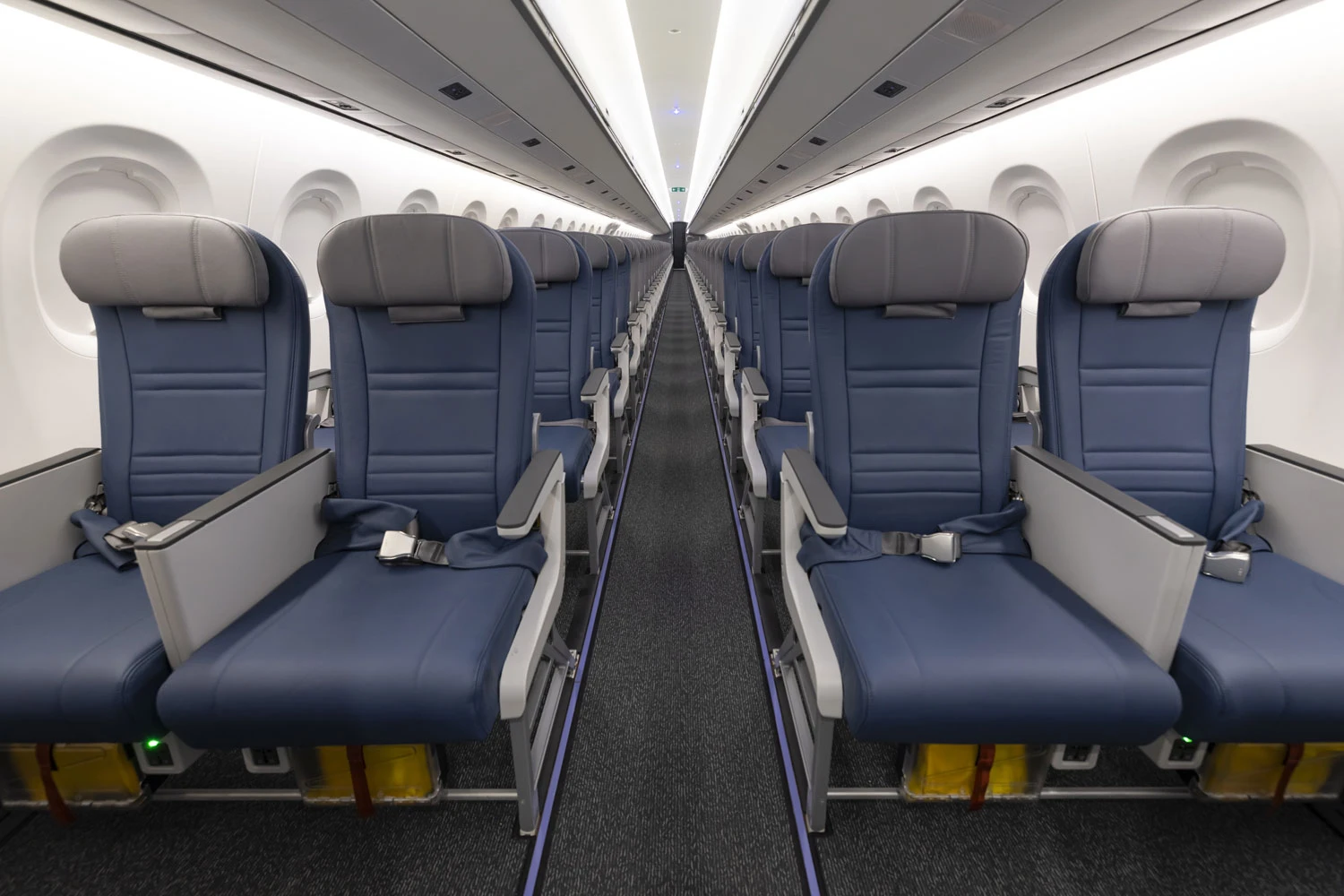
The E175 presents a different proposition. With up to 88 seats, it sits much closer to the ATR 72 and would overlap with some of the turboprop's regional role. Its higher speed and longer range, however, could allow IndiGo to develop thinner routes over distances where a turboprop becomes less attractive.
There is also an unusual engine connection. IndiGo has extensive experience with Pratt & Whitney's geared turbofan technology through PW1100G-powered A320neos, while both E2 variants use the related PW1900G.
But that common technological background may be less valuable than it once appeared. IndiGo has increasingly selected CFM LEAP-1A engines for its Airbus fleet and in July signed an MoU covering more than 1,000 LEAP engines for 510 future A320neo-family aircraft.
A 100-aircraft Embraer order would therefore represent more than another fleet purchase. Whether IndiGo ultimately selected the E175, E190-E2 or E195-E2, it would introduce an entirely new jet family into a network built primarily around Airbus narrowbodies and ATR turboprops.