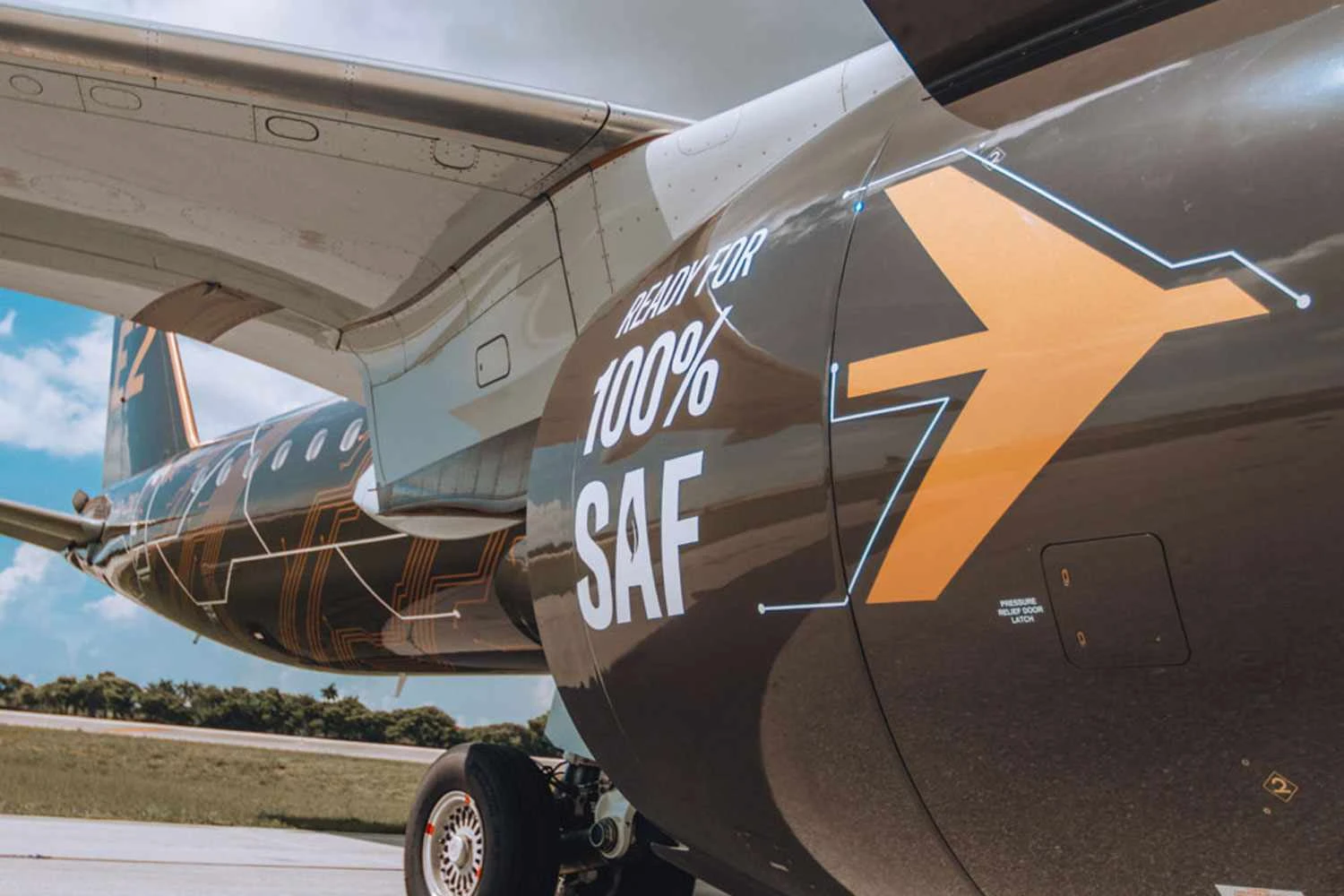
Global production of sustainable aviation fuel (SAF) is expected to reach just 2.4 million tonnes in 2026, equivalent to 0.8% of total aviation fuel consumption, according to estimates released by the International Air Transport Association (IATA).
The figures were presented at the conclusion of the association's annual general meeting in Rio de Janeiro and come as airlines continue to search for ways to reduce carbon emissions while facing limited availability of alternative fuels.
Related news

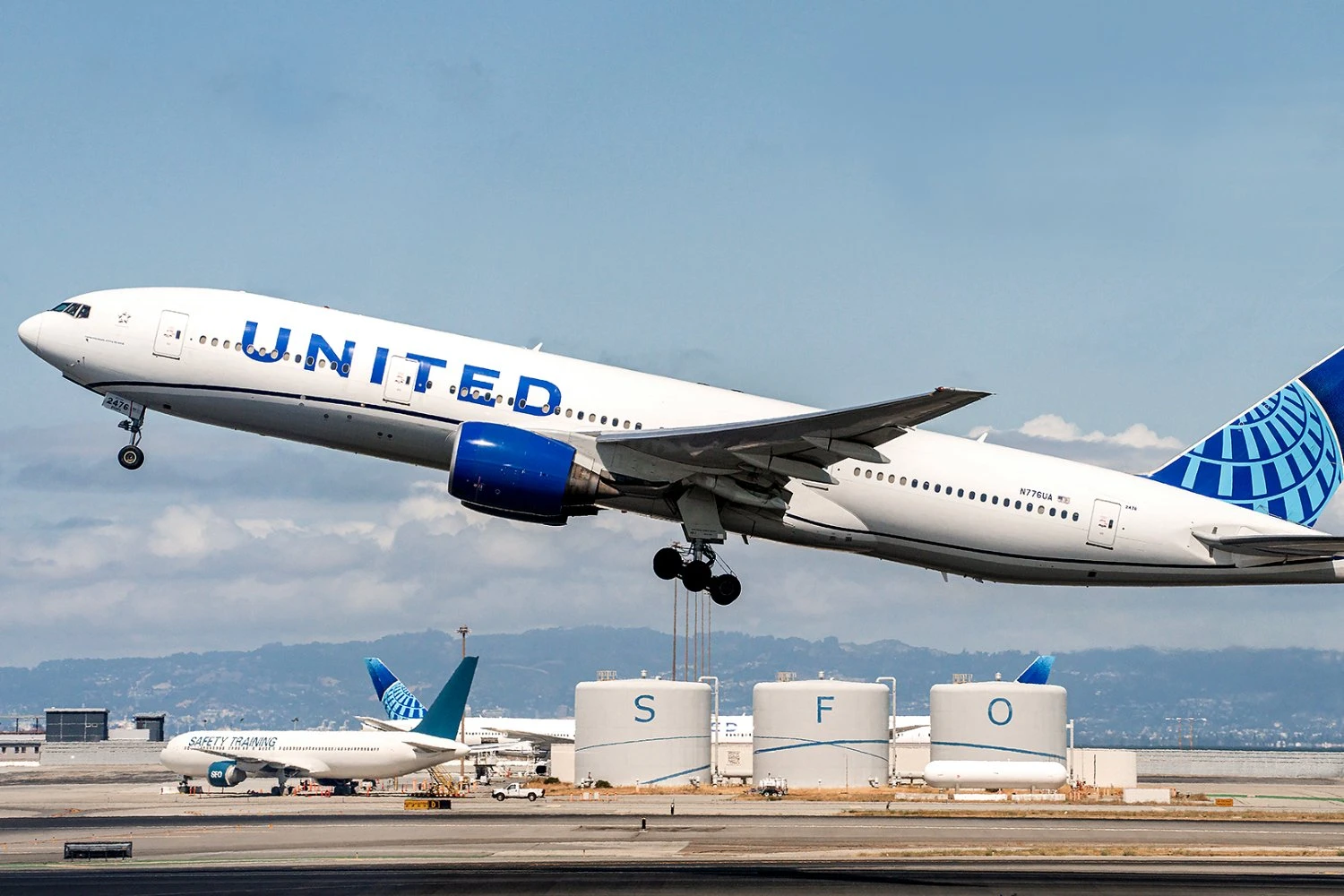
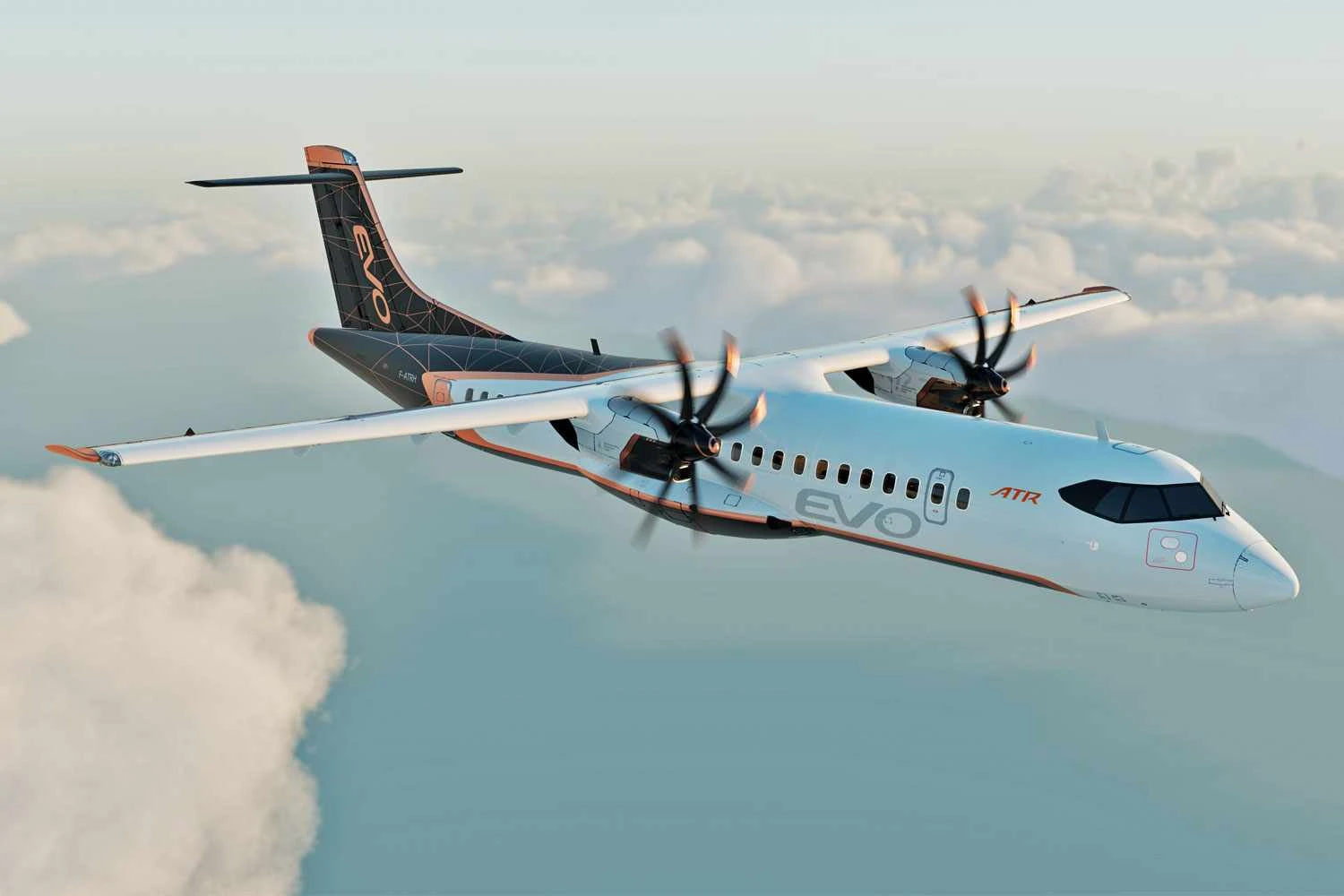
Airlines are expected to spend about $4.3 billion on SAF this year, even though the fuel will account for less than 1% of total jet fuel consumption.
IATA Director General Willie Walsh described the outlook as disappointing, arguing that production remains well below the levels required to meet the industry's commitment to achieve net-zero carbon emissions by 2050.
The airline industry estimates that SAF will need to provide roughly 65% of the emissions reductions required to meet that target. However, production growth has remained slow despite years of discussion between airlines, fuel producers and governments.
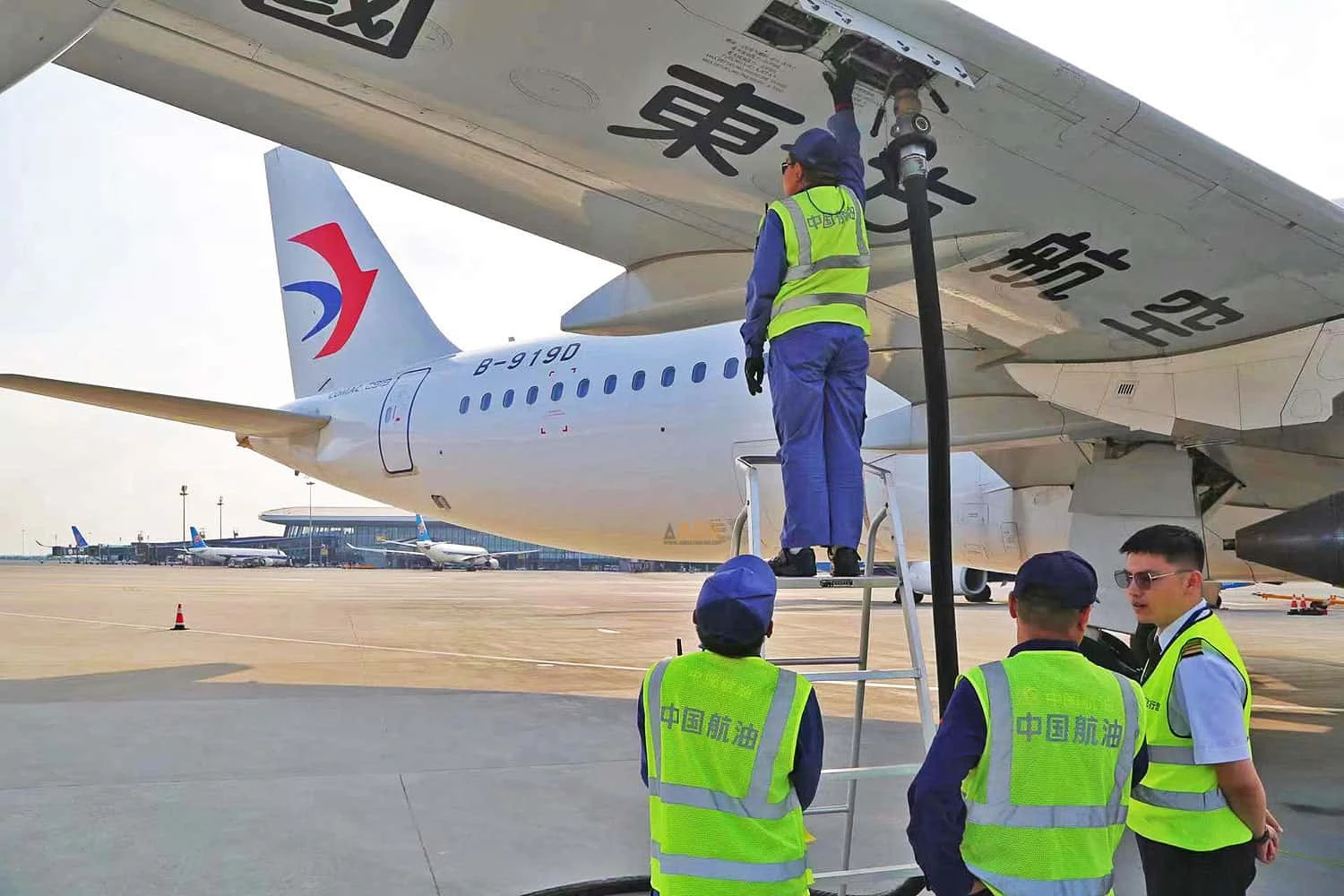
IATA is calling for increased renewable energy production, greater access to fuel infrastructure and policies designed to encourage investment in SAF production before governments impose consumption mandates.
The association also continues to advocate for a global book-and-claim system that would allow airlines to purchase SAF credits regardless of where the fuel is physically produced or used.
The group raised particular concerns about e-SAF, a synthetic fuel produced using renewable electricity, hydrogen and captured carbon dioxide.
The European Union and the United Kingdom have established targets that would require approximately 600,000 tonnes of e-SAF production by 2030. According to IATA, current global production capacity, including facilities under construction, amounts to only about 20,000 tonnes, while around 20 commercial-scale refineries would be needed to reach the mandated volumes.
IATA also noted that no new final investment decisions for e-SAF facilities have been announced during the past year.
Follow Air Data News: WhatsApp | Google News | Instagram | LinkedIn | Twitter | Facebook
“The 2030 e-SAF targets by the UK and the EU are beyond unrealistic – they are utterly detached from reality. It is a reckless energy market creation strategy to impose mandates before production is enabled. Such a strategy will only drive up the price,” said Marie Owens Thomsen, IATA’s Senior Vice President Sustainability and Chief Economist.
The debate is taking place while airlines face rising fuel costs and persistent questions about how quickly alternative aviation fuels can be produced at commercial scale.
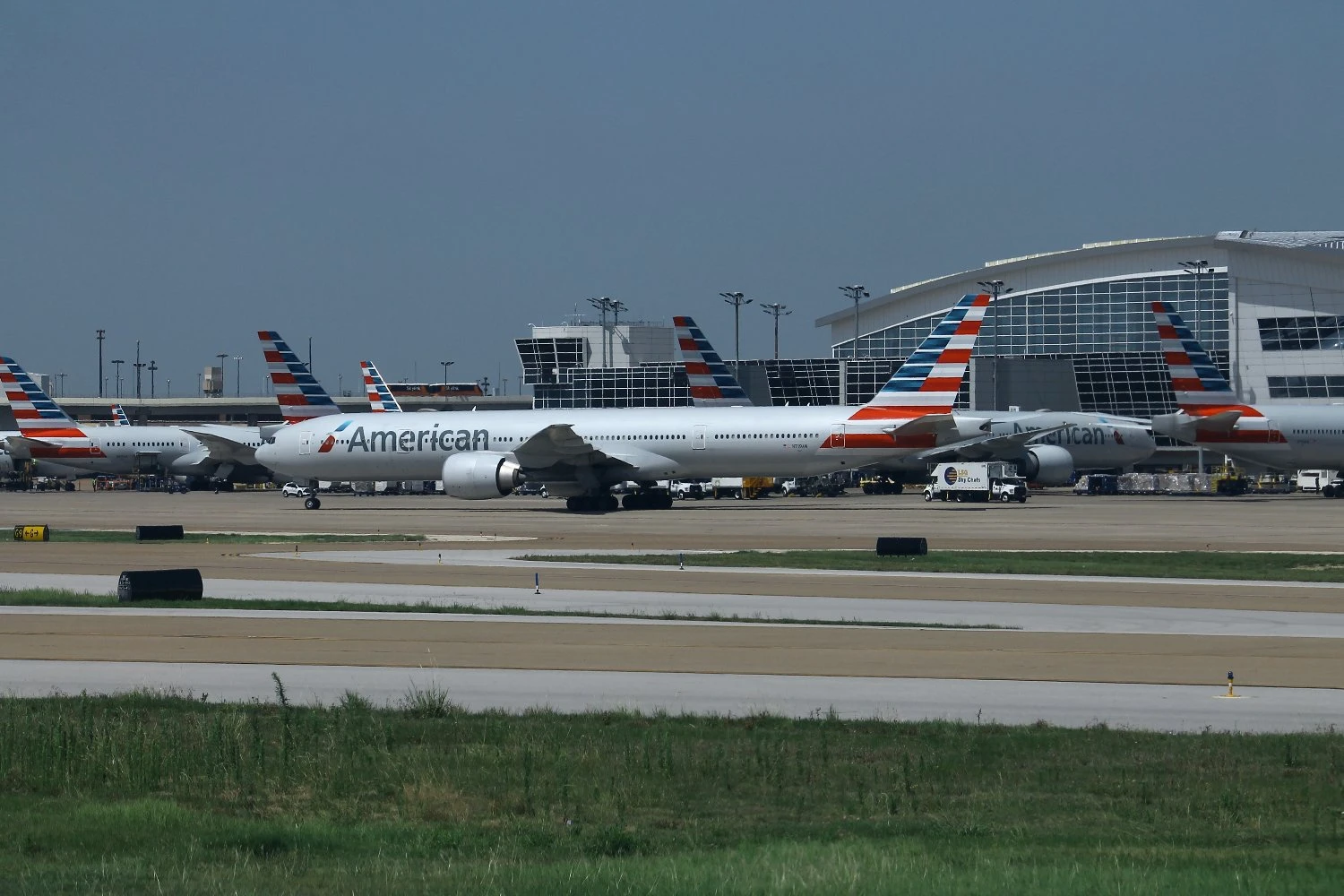
Despite concerns about SAF supply, IATA said passenger support for aviation decarbonization remains strong.
A survey conducted in April found that 89% of respondents believe the aviation industry should continue reducing emissions regardless of government policies. About two-thirds said they would be willing to pay more to offset emissions, while 88% expect airfares to increase as airlines invest in sustainability measures.
Recent news
September 16, 2026
September 16, 2026

September 16, 2026
The poll also found that SAF was the most popular decarbonization option among passengers. Twenty-five percent said investment should be directed toward sustainable aviation fuel, compared with 23% who favored emissions-reduction technologies and 10% who preferred environmental taxes.
Nearly half of travelers surveyed said they consider carbon emissions when choosing flights, and most indicated that environmental performance influences their choice of airline.